If you’re sourcing fabrics for performance apparel, outdoor gear, or durable accessories, you’ve likely encountered nylon. But did you know not all nylon is created equal? The numbers matter. As a fabric supplier with over two decades in China’s textile industry, I constantly help buyers understand the real-world differences between Nylon 6 and Nylon 6,6 – a decision that directly impacts your product’s quality, cost, and performance.
What are the key durability differences?
When investing in fabric for hiking gear or performance wear, durability is crucial. The molecular structure creates tangible differences you can’t ignore.
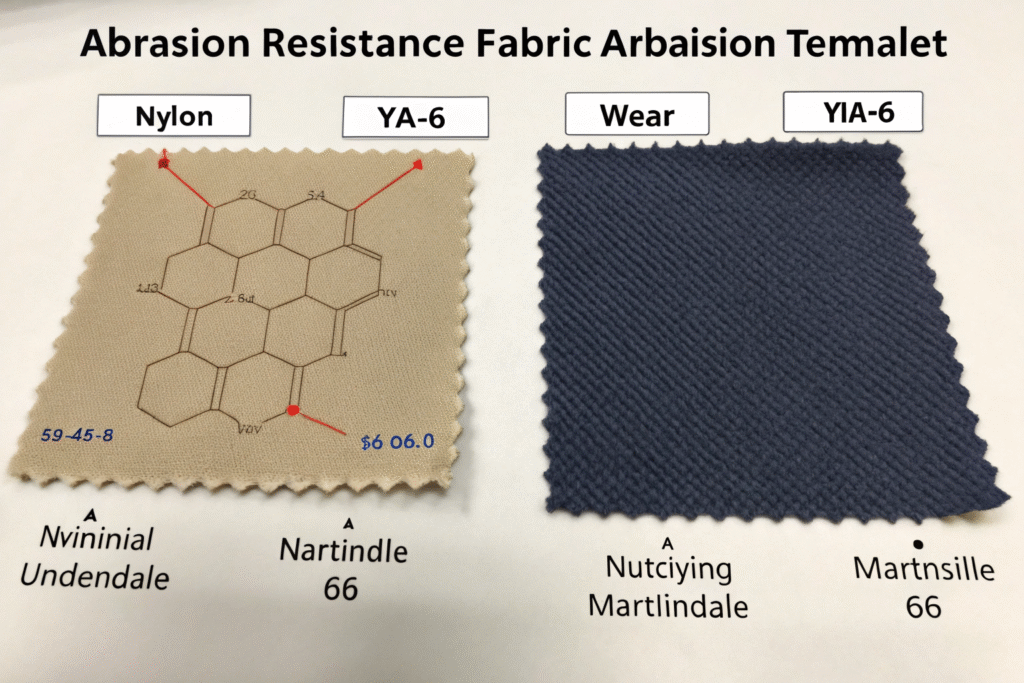
Nylon 6,6 has a more symmetrical molecular structure – think uniform bricks versus irregular shapes. This gives it a higher melting point (260°C vs 220°C) and better resistance to abrasion. For tactical gear or heavy-duty luggage, this toughness matters.
Why does molecular structure matter?
The "6,6" refers to six carbon atoms in each starting material, creating orderly polymer chains. Nylon 6’s single-monomer structure is less symmetrical. This fundamental difference means Nylon 6,6 has higher tensile strength and better recovery from stretching – proven in our CNAS-accredited lab testing.
How does heat resistance affect performance?
The higher melting point isn’t just about direct heat. It means better performance in high-friction scenarios where heat builds up. This makes Nylon 6,6 preferred for automotive textiles and protective workwear where safety standards are non-negotiable.
Which nylon offers better color and comfort?
Durability is just one factor. The look and feel of fabric determine consumer appeal – this is where dyeability and comfort enter the picture.
Nylon 6 bonds better with dye molecules. Its polymer chains have more amine end-groups that grab dye effectively. This means brighter colors achieved at lower temperatures and costs. For fashion-forward apparel where color sells, this advantage is substantial.
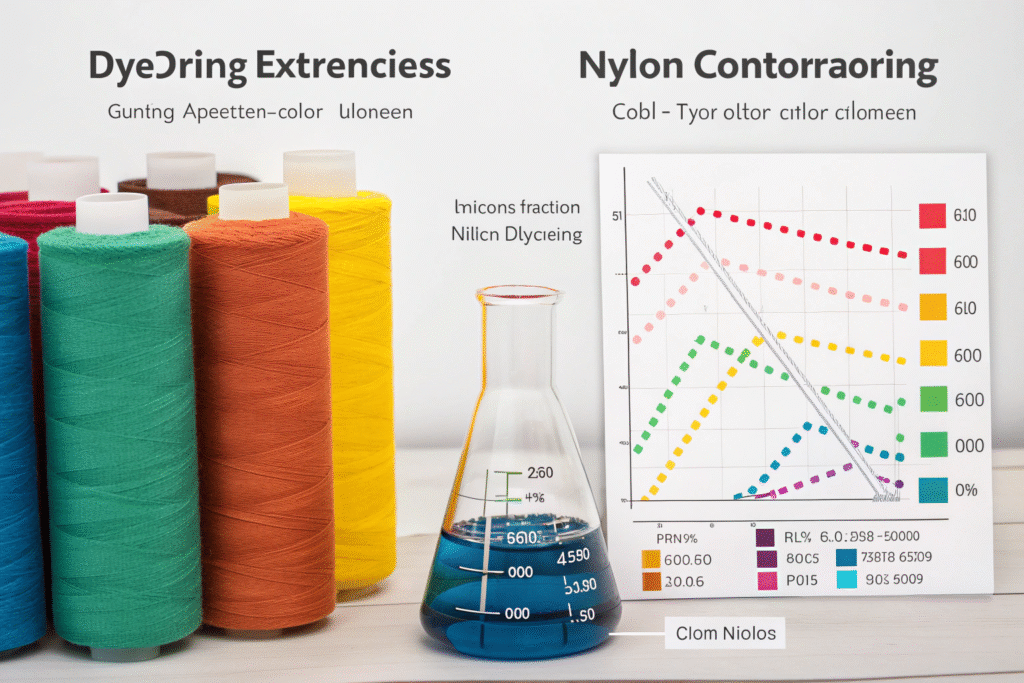
Is dyeability crucial for your brand?
If color variety and depth drive your collections, Nylon 6 provides design flexibility. We’ve helped brands achieve stunning color ranges while reducing sample development time – a key advantage in fast-paced fashion cycles.
How does fiber choice impact fabric feel?
While Nylon 6,6 starts stiffer, modern texturizing processes create surprisingly soft fabrics. The choice depends on desired drape – flowing dresses might use Nylon 6 taffeta, while structured outerwear needs Nylon 6,6’s body. Our agile R&D team tailters moisture-wicking finishes to either fiber for specific hand-feel requirements.
How does cost and production impact your choice?
Let’s discuss economics. The technical decision between nylons directly affects your pricing strategy and profitability.
Nylon 6 production is simpler with lower temperature requirements, translating to better raw material pricing. For high-volume orders, this cost difference accumulates significantly. But consider total cost-in-use, not just initial price.

When does Nylon 6 make economic sense?
For products where extreme durability isn’t critical – fashion items, linings, or applications where color matters most – Nylon 6 delivers outstanding value. It helps optimize supply chain costs while maintaining quality standards.
Are there hidden costs with either fiber?
The real hidden cost comes from performance mismatch. Using Nylon 6 where Nylon 6,6’s abrasion resistance is needed leads to returns and brand damage. Our end-to-end quality control prevents this by ensuring the right fiber for each application, whether for eco-friendly innovations or high-performance fabrics.
Which is better for sustainable textiles?
Sustainability has moved from niche concern to core requirement. Both nylons originate from petrochemicals, but their recycling pathways differ dramatically.
Nylon 6 leads in chemical recycling today. Its caprolactam base allows efficient depolymerization – breaking waste back to core monomers for repolymerization into virgin-quality recycled Nylon 6 (rPA6). This closed-loop process is more established than Nylon 6,6’s complex recycling.
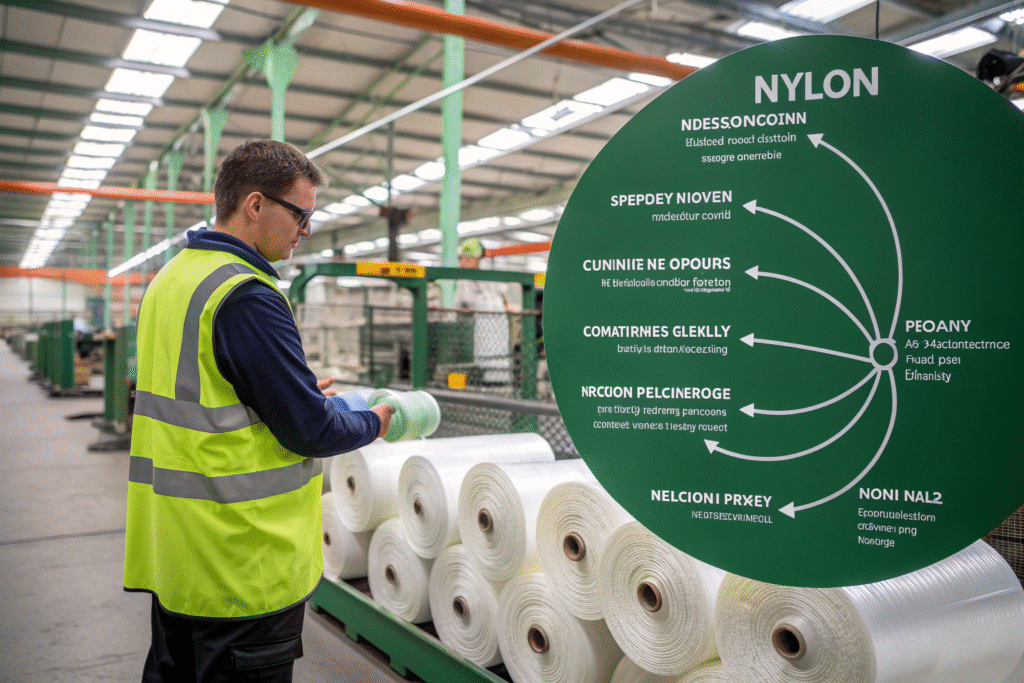
How accessible is recycled Nylon 6?
The recycled Nylon 6 market is expanding rapidly. Driven by consumer demand and alignment with UN SDGs, suppliers are scaling production. We’ve seen 30% yearly growth in demand for sustainable fabrics including recycled nylons, making sourcing easier than ever.
What’s the future of nylon sustainability?
While Nylon 6 currently leads in recycling infrastructure, significant investments are targeting Nylon 6,6 solutions. Bio-based alternatives for both fibers represent the long-term future. For brands needing verified recycled content now, Nylon 6 offers the most practical path alongside options like recycled polyester.
Conclusion
Choosing between Nylon 6 and Nylon 6,6 involves matching fiber properties to product requirements. Nylon 6,6 delivers superior strength and heat resistance for demanding applications. Nylon 6 provides better dyeability, cost efficiency, and currently, more accessible recycling options. The right choice depends entirely on your performance needs, budget constraints, and sustainability commitments.
A reliable supplier should help navigate these technical decisions with real-world experience. At Fumao Textiles, we use our integrated supply chain and testing capabilities to ensure your fabric selection becomes a competitive advantage. Ready to develop your next collection with the right nylon choice? Contact our Business Director, Elaine, at elaine@fumaoclothing.com to discuss your specific needs and co-create value for your brand.