
With twenty years of textile industry experience as a fabric supplier, we have observed numerous successful orders alongside some failures. International clients, particularly those in markets like the United States, commonly face a crucial challenge – maintaining color consistency. Considerable investment in perfecting designs often encounters color variation issues during mass production, leading to rejected shipments, financial losses, and strained client relationships. The fundamental cause typically lies in inadequate control over dye lot management.
Achieving perfect color matching across thousands of meters of fabric fundamentally belongs to the realm of scientific process control, entirely achievable through systematic solutions. This requires establishing strict standards from laboratory sample approval through mass production, supported by advanced technology and rigorous quality management systems. For importers, color uniformity extends beyond product appearance, directly impacting cost efficiency, brand reputation, and smooth supply chain operations free from return disputes.
This article elaborates on specific steps for achieving inter-lot color consistency and partner selection criteria, providing detailed analysis of key processes that prevent color deviation, ensuring bulk goods precisely match approved samples.
Understanding Dye Lots and Their Significance
When fabric rolls from different production batches show slight color variations, this represents a typical dye lot issue. Dye lots refer to fabric batches processed continuously within the same dyeing vessel. Even with advanced production technology, complete color replication between different dyeing vessels remains challenging. Minor fluctuations in dye concentration, water temperature, and processing duration can all cause final hue deviations.
For brands and purchasers, lot color differences can generate serious consequences. Imagine producing ten thousand garments where sleeves cut from different fabric rolls show color variation from the main body. This situation creates substantial waste, delivery delays, and customer dissatisfaction. Color consistency represents not a luxury but a fundamental requirement for ensuring garment collection integrity and high quality, directly affecting corporate profitability and brand image.
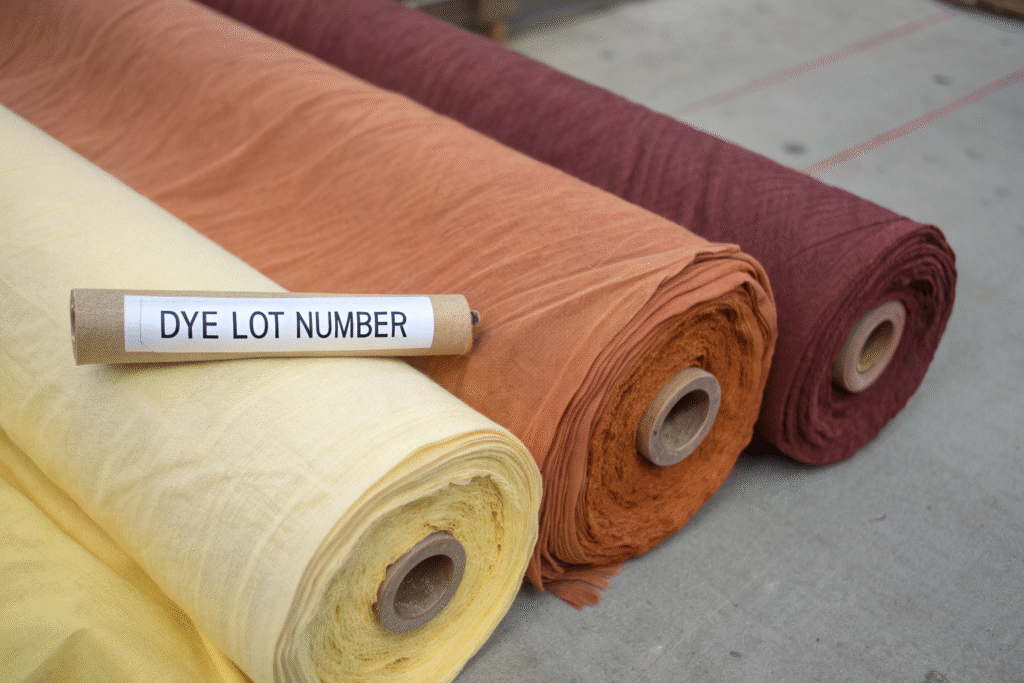
How Do Dye Lot Variations Impact Finished Products?
Lot color differences affect both aesthetic value and economic interests. From an aesthetic perspective, they result in finished products appearing unprofessional and flawed. Two-tone effects on single garments or color discrepancies across product collections can destroy established brand quality reputation. Economic losses appear more direct, potentially involving complete batch returns, retailer deductions, or substantial rework costs. For businesses implementing just-in-time production models, even minor delays from color recalibration can disrupt overall supply chain rhythm. Selecting suppliers with American Association of Textile Chemists and Colorists standard management systems becomes crucial for avoiding these risks from the source.
What Specific Factors Cause Inter-Lot Differences?
Multiple technical parameters collectively contribute to color fluctuations between lots. The dyeing process itself often serves as the primary cause. Subtle changes in dye formulations, including dye purity or chemical concentration differences, can alter final coloration. Water quality conditions and temperature variations during production prove equally critical. Furthermore, the fabric’s fiber source acts as another influencing factor: inherent variations in natural fibers like organic cotton modify their dye absorption characteristics. Equipment operating status and timing control across processing stages, even with minor deviations, can initiate color changes. This explains the value of our China National Accreditation Service for Conformity Assessment certified laboratory operation, controlling these variables through scientific precision.
How Technology Ensures Color Accuracy
In contemporary textile manufacturing, relying solely on visual color judgment belongs to past practices. Technology application forms the foundation for achieving industrial-grade color precision. Among these, spectrophotometers play a central role. This equipment measures color through spectral data capture, completely eliminating subjectivity in visual assessment. It generates unique digital fingerprints for each color, becoming the absolute standard throughout production processes.
We integrate this technology into every stage. When developing laboratory samples for clients, we initially measure target colors using spectrophotometers. Confirmed sample data gets stored as reference parameters for bulk dyeing. This data-driven mode ensures dye formulation precision and repeatability. For international clients valuing timeliness and quality, digital traceability systems provide objective evidence supporting bulk goods conformity with approved samples, effectively preventing disputes and streamlining confirmation processes.

What Core Value Does Spectrophotometry Offer Color Matching?
The unique advantage of spectrophotometers lies in their color analysis capability surpassing human visual perception. They detect microscopic differences in hue, lightness, and chroma, particularly those difficult to identify visually under varying light conditions. Objective data supports establishing precise digital color standards. These standards subsequently facilitate dye formulation calculations through computer-aided design systems, determining exact dye quantities required for achieving target colors on specific fabrics. This computer color matching process significantly reduces multiple sampling requirements, saving clients precious time during critical product development phases.
What Role Do Digital Standards Like Pantone Play?
Digital standards like the Pantone Matching System provide universal language for color communication. When clients provide color codes, they establish clear, unified color targets for suppliers. Understanding that Pantone color cards serve as paper references remains essential, as final fabrics may display different effects due to material texture and fiber composition variations. Our process includes transforming Pantone standards into fabric-specific formulations, creating physical samples on actual substrates, then verifying data conformity with standards using spectrophotometers. This dual verification mechanism combining universal color language with technical execution successfully bridges the gap between design conception and production practice.
Which Quality Control Steps Prevent Color Deviation?
Technology provides data support, while sound quality control procedures transform this data into stable results. Comprehensive quality control processes for color involve multi-stage verification, ensuring complete reliability. The process initiates with critical "laboratory sample confirmation" stage, where we obtain client approval through small sample dyeing.
Sample confirmation merely begins the process. During mass production, specialized quality inspection teams conduct online checks. They collect samples from the beginning, middle, and end sections of dye lots, using spectrophotometers to compare against confirmed standards. Simultaneous comprehensive fabric inspection ensures overall quality including color consistency. Each shipped batch includes complete inspection reports from our internally accredited laboratory, covering parameters like wash fastness and light fastness, guaranteeing color stability during usage.

Why is Laboratory Sample Approval Critically Important?
This stage represents the primary barrier against major color errors. It constitutes the color contract between client and supplier. We consistently advise clients to approve samples under multiple light sources, including daylight, retail lighting, and office illumination, testing for metamerism – where colors appear different under various light sources. Hasty approvals or decisions based solely on digital images carry significant risks. Professional methods combining visual assessment under standardized conditions with spectral data establish clear, unambiguous targets for mass production, effectively safeguarding client investments.
How Does Online Inspection During Dyeing Function?
Online inspection serves as the real-time guardian of color consistency, enabling immediate corrective actions. When quality inspectors detect color data drift from samples taken during production, they promptly notify production supervisors to adjust dyeing parameters before batch completion. This forward-looking operational mode proves far more efficient and economical than discovering issues after completing entire fabric dyeing, drying, and finishing processes. This control level forms the core of our agile supply chain, ensuring early problem detection and resolution, perfectly meeting purchaser requirements for timeliness and production schedule reliability.
Selecting Suppliers for Color Consistency Assurance
Choosing appropriate fabric partners represents the most critical decision for achieving color consistency goals. Supplier infrastructure, professional capabilities, and process commitment directly determine final outcomes. Seek partners possessing vertical integration capabilities or certified cooperative networks covering dyeing and finishing stages. Prioritize suppliers openly discussing quality control systems and technological investments.
Reliable suppliers should provide capability evidence without reservation. They require equipped certified internal laboratories, applied digital color management systems, and open access to quality control data. These suppliers should demonstrate familiarity with international standards, proficiency in handling logistics and documentation requirements for shipping from China to the United States, including customs clearance procedures. Their communication patterns should maintain proactivity, providing regular updates at each key node while seeking client confirmation.

What Certification Aspects Should Be Reviewed for Suppliers?
Certifications represent independent verification of supplier commitment to quality and standards. For color and overall fabric quality, core certifications include China National Accreditation Service for Conformity Assessment accreditation, indicating supplier internal laboratories meet international competency standards. Simultaneously consider inspection evidence from third-party organizations like SGS or Bureau Veritas, institutions providing impartial fabric characteristic reports. For eco-friendly and functional fabrics, certifications like OEKO-TEX® STANDARD 100 and Global Recycled Standard similarly indicate strictly controlled production processes, inherently supporting color consistency management.
What Significance Does Vertical Integration Hold for Color Control?
Vertical integration or establishing stable cooperative relationships with core manufacturers provides unique advantages for entire process control. Suppliers directly managing or closely cooperating with dyeing factories can enforce strict color standards. They transcend being mere order-transmitting intermediaries. This control capability supports optimized scheduling, accelerates sample and production turnover, and provides direct supervision over dyeing and finishing stages – these being the core phases determining color consistency. This integration model enables our 48-hour sample development and reliable bulk delivery, directly addressing global clients’ core demands for efficiency and timeliness.
Conclusion
Ensuring color uniformity across fabric dye lots never results from coincidence, but rather achievement through standardized technology-driven cooperation. This requires clear understanding of dye lot concepts, utilization of digital color management tools like spectrophotometers, implementation of rigorous multi-stage quality control, and most importantly, selection of suppliers possessing appropriate infrastructure and certification qualifications. Focusing on these core areas enables clients to transform color consistency from ongoing concern into reliable supply chain foundation.
This quality level and reliability precisely form the basis of our establishment of Shanghai Fumao. We provide not only fabric products but also assurance and seamless cooperation. If you seek partners understanding the value of each color shade and the importance of every on-time delivery, we remain constantly available. We anticipate jointly exploring how to inject consistency and high quality into your next collection. Please feel welcome to directly contact our Business Director Elaine at elaine@fumaoclothing.com. We stand prepared to become your trusted fabric solution partner.