
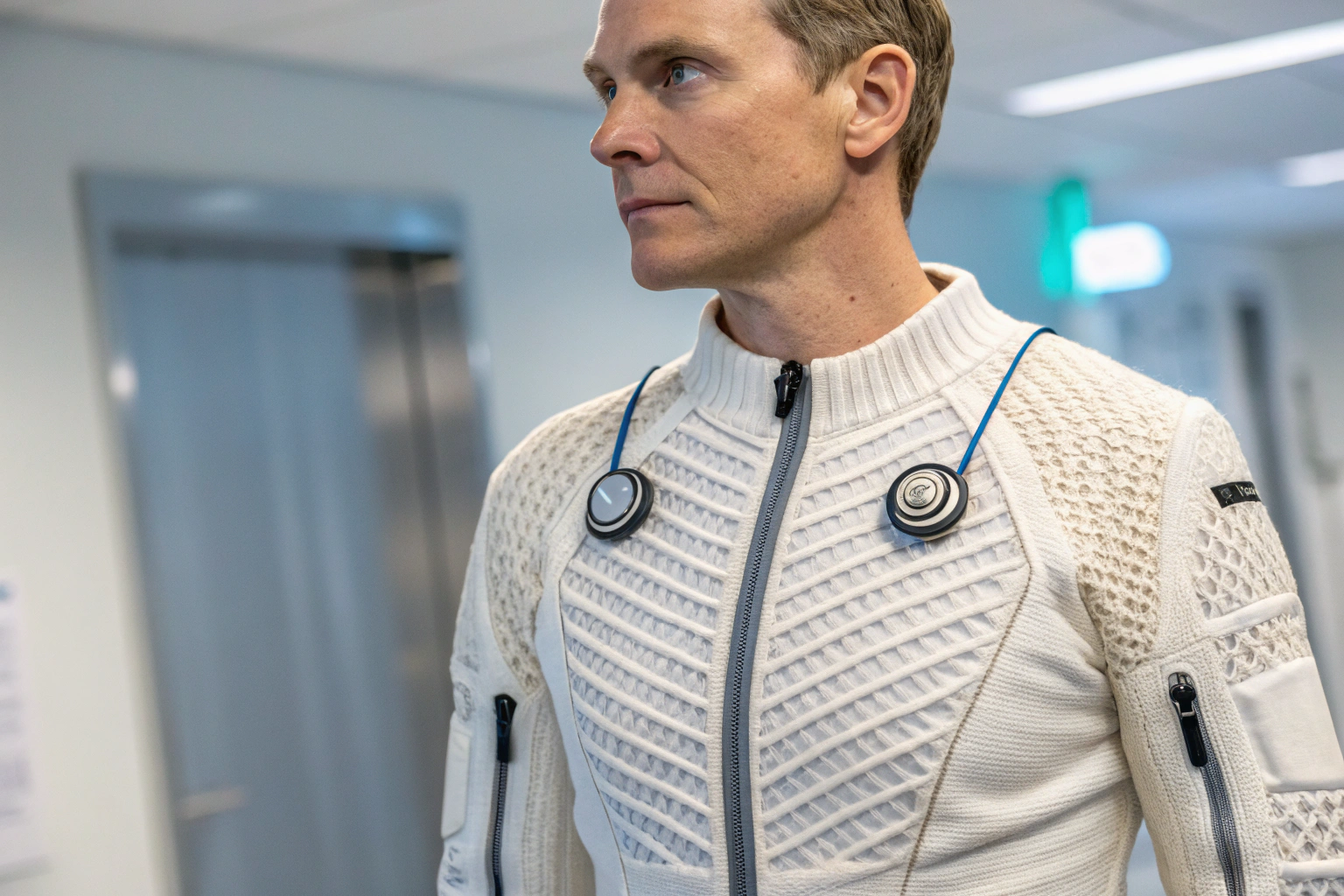
I face a challenge familiar to many buyers: finding reliable suppliers for biometric sensing knit fabrics used in health monitoring. The market is full of promises, but not every supplier can deliver fabrics that are durable, washable, and medically accurate. Without a clear sourcing strategy, costs go up and trust goes down.
The answer lies in identifying suppliers with proven expertise, advanced material technology, rigorous testing standards, and solid compliance in logistics. By knowing what to look for, buyers can secure fabrics that not only measure biometric data accurately but also hold up in real-world use.
I will break down the process into supplier expertise, fabric technology, validation methods, and compliance with logistics. This way, buyers avoid wasted time and move quickly to reliable partnerships.
What Should Buyers Look for in Supplier Expertise?
Many buyers make the mistake of sourcing from generic knit suppliers who lack smart textile expertise. These suppliers may deliver fabric but not the embedded sensing technology needed for health monitoring. This leads to failed prototypes and project delays. The problem is not fabric production but integration of technology with textile structure.
Buyers should look for suppliers with R&D history in e-textiles, CNAS/SGS testing facilities, and real-world health projects. Firms like Nextiles, for example, are known for integrating semi-conductive nylon/spandex threads to capture biomechanical data (Fibre2Fashion, TextileWorld). Other proven examples include Hexoskin, which markets finished garments embedded with ECG and respiration sensors (Hexoskin).

Why supplier R&D history matters?
A supplier’s R&D shows how deeply they understand textile-sensor integration. It indicates whether they can handle scaling, prototyping, and iterative development without compromising accuracy.
How to assess lab testing and compliance?
Buyers should ask for test results covering washability, durability, and comfort. Compliance records from CNAS, SGS, or similar labs prove that fabrics meet health monitoring standards rather than just fashion quality tests.
Which Materials and Fabric Tech Enable Reliable Sensing?
At the heart of biometric sensing knit fabrics are the fibers and embedding techniques. Conventional cotton or polyester is not enough. The textile must integrate conductive yarns or coatings that communicate with sensors.
The most reliable fabrics are built with conductive silver or carbon fibers, printed coatings, or advanced 3D knit structures. Silver yarns ensure conductivity while staying soft and stretchable. PDMS-coated knits have been researched for cost-effective strain sensing (ScienceDirect). MIT’s 3DKnITS project also shows how digital knitting can create pressure-sensitive zones that adjust to the body (MIT Media Lab).

Fabric Technology Comparison
| Technology | Description | Advantage |
|---|---|---|
| Conductive Yarn Integration | Silver or carbon yarn woven into fabric | Washable, flexible |
| Sensor Coating/Printing | Applying conductive inks or films | Customizable zones |
| Digital 3D Knitting | Embeds sensors in knit structure | High resolution sensing |
Why conductive yarns are preferred?
Conductive yarns maintain comfort, durability, and accurate signals even after repeated stretching. Buyers sourcing fabrics for daily health wear should prioritize yarn-based integration.
Are coated fabrics less reliable?
Not always. Coated fabrics are good for prototyping or specific body zones, but they may wear faster under sweat or washing. Buyers should balance price with long-term usability (Hilaris Publisher).
How to Validate Performance and Durability?
Once sourced, performance validation is the critical step. Many projects fail after fabrics lose accuracy in daily wear. Buyers should simulate real-world scenarios before committing to large orders.
Validation includes repeated wash cycles, stretching tests, sweat resistance, and sensor accuracy over time. For example, Hexoskin smart garments are designed to remain machine-washable without data loss (Hexoskin). Studies also show flexible electronics integrated into knits can survive multiple washes while maintaining ECG accuracy (MDPI).

What are key checkpoints in validation?
- Washability: ensure sensors work after 20+ wash cycles
- Stretch durability: sensors should not break under body movement
- Data integrity: signals must remain consistent over time
- Comfort: lightweight and breathable feel for daily wear
How do buyers avoid hidden costs?
By requesting lab test reports before purchase, buyers avoid paying for large batches that fail in user testing. Reports from accredited labs like CNAS or ITS save both money and time (OAE Publishing).
Which Compliance, Integration, and Logistics Matters?
Sourcing doesn’t end at the fabric. Health monitoring applications face strict compliance, integration, and logistical challenges. A great fabric without certifications cannot enter medical markets.
Buyers should confirm suppliers comply with ISO, CE, or FDA-related textile standards. Accreditation from CNAS or SGS proves the fabric meets global regulations. Firms like HealthWatch in Israel provide hospital-grade e-textiles (HealthWatch).
Why integration support is essential?
Fabrics alone are not enough. Buyers often need SDKs, APIs, and app support for sensor data. Suppliers like Nextiles provide digital platforms for integrating sensor data into mobile apps (TextileWorld).
How do logistics affect sourcing success?
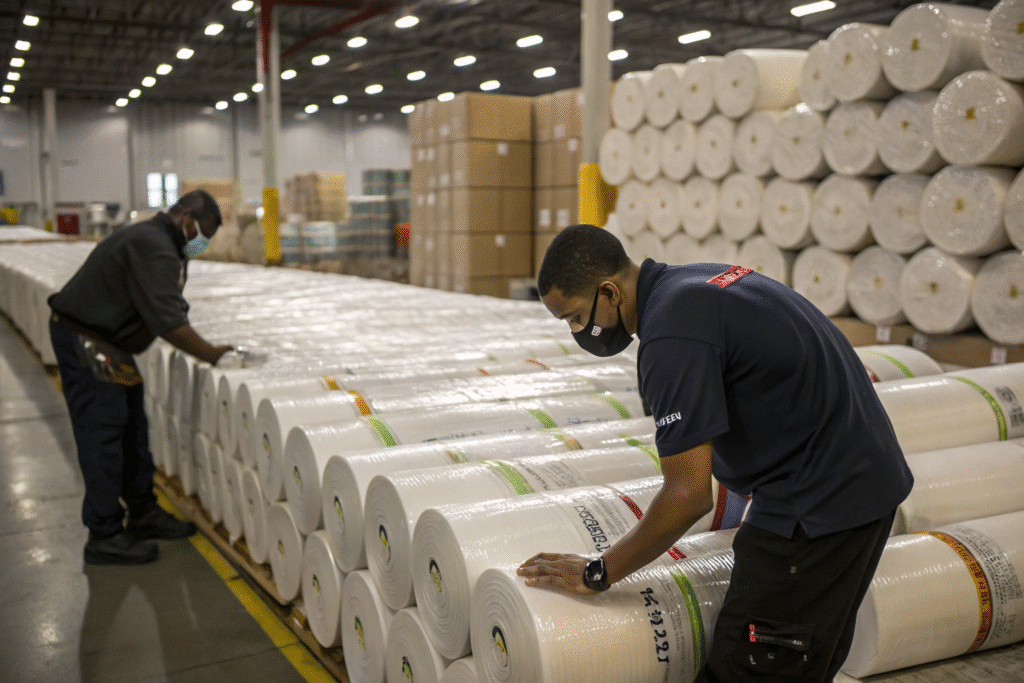
Smart textiles often face customs and tariff issues. Buyers should ensure suppliers provide export-ready packaging, warehousing near ports, and customs support. This ensures smooth delivery from Asia to the U.S. or EU markets.
Conclusion
Sourcing biometric sensing knit fabrics requires a complete view: supplier expertise, reliable material technology, rigorous validation, and compliance in logistics. Buyers who follow these steps minimize risk, ensure durability, and secure fabrics ready for the health monitoring market.
If you are ready to bring your health monitoring apparel ideas to life, we welcome you to collaborate with us at Shanghai Fumao. Please contact our Business Director Elaine at elaine@fumaoclothing.com to discuss how we can co-develop, produce, and ship fabrics tailored to your needs.








