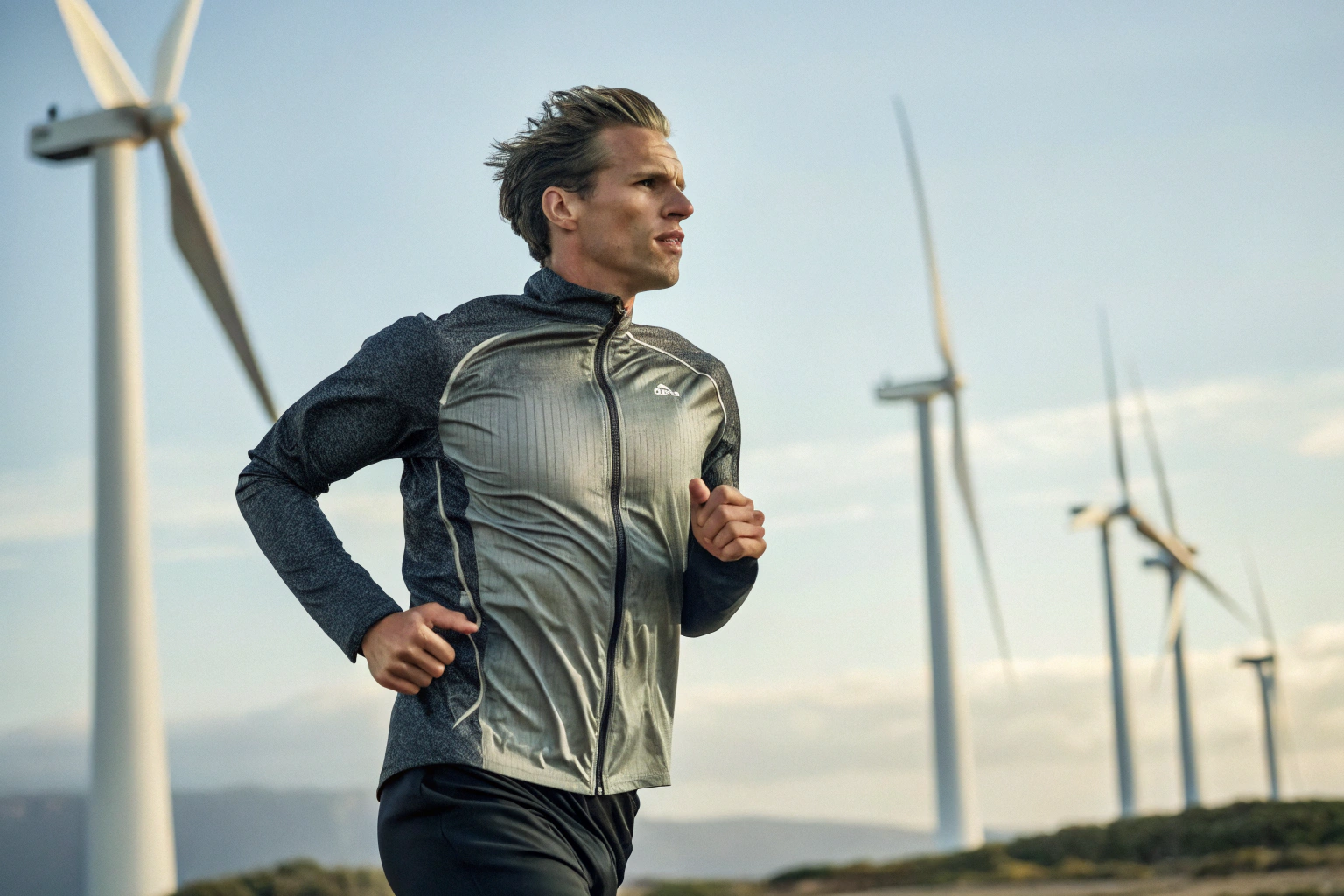
I remember the skepticism in 2017 when I first proposed investing heavily in recycled nylon. A longtime client told me, "My customers say they want sustainable, but they won’t pay more for it." He was half right. They wouldn’t pay more for sustainability alone. But they would pay more for performance with sustainability as a bonus. That distinction changed everything. Today, recycled nylon isn’t just an eco-option—it’s becoming the standard for premium sportswear, and Econyl leads the way.
The future of recycled nylon (Econyl) in sportswear is exceptionally bright, driven by converging trends: brand sustainability commitments, consumer demand for circular economy solutions, performance parity with virgin nylon, and decreasing cost premiums as scale increases. Econyl’s ability to be recycled infinitely without quality loss positions it as a cornerstone of sportswear’s transition to circularity.
Let me share what I’ve learned watching this market evolve. When Econyl first launched, it was a niche product for the most committed eco-brands. Today, it’s specified by major sportswear companies, outdoor brands, and even luxury houses. The technology has matured, the supply chain has developed, and the economics have improved. Understanding where this is going helps you make smart decisions about your product development.
What makes Econyl different from other recycled nylons?
Not all recycled nylon is created equal. Econyl stands apart in several critical ways that matter for sportswear performance. Understanding these differences helps you evaluate options and specify appropriately.
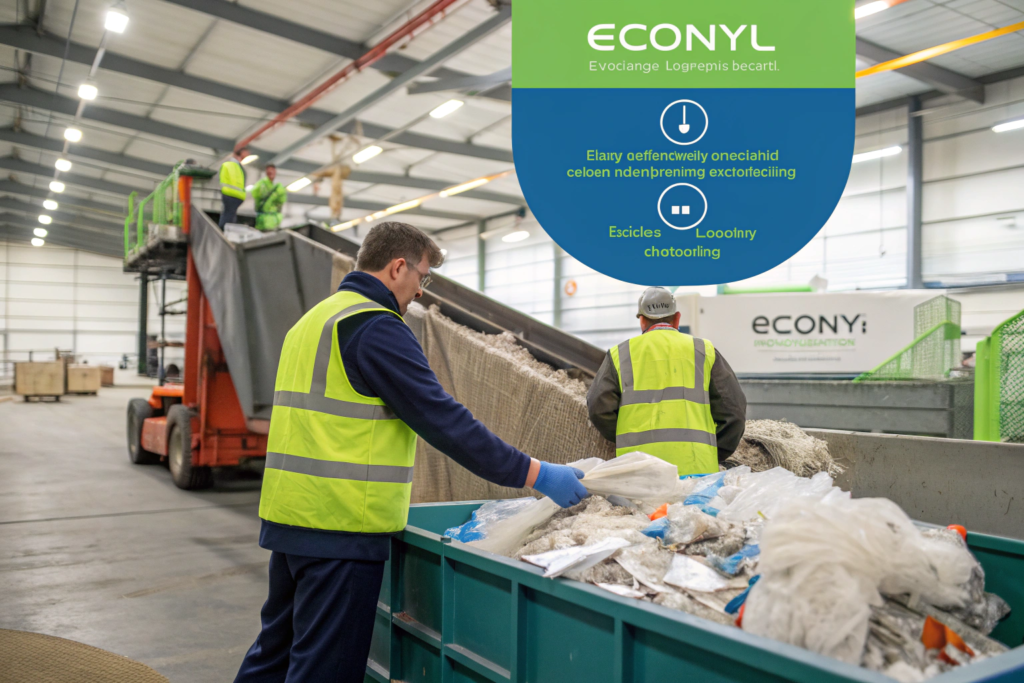
Econyl is manufactured by Aquafil, an Italian company, using a proprietary regeneration system. It starts with waste materials—fishing nets, carpet flooring, industrial plastic, fabric scraps—that are cleaned, depolymerized back to raw material, and repolymerized into new nylon 6 fiber. This chemical recycling process differs from mechanical recycling (melting and re-extruding) which can degrade fiber quality.
How does chemical recycling compare to mechanical recycling?
This is the key technical difference. Mechanical recycling grinds plastic waste, melts it, and re-extrudes it into fiber. Each cycle shortens polymer chains, reducing strength and quality. After a few cycles, mechanically recycled nylon becomes unusable for textiles.
Chemical recycling breaks nylon down to its molecular building blocks (caprolactam), then rebuilds it into virgin-quality polymer. This process can be repeated infinitely without quality loss. Econyl produced today is chemically identical to virgin nylon—same strength, same elasticity, same dye affinity.
For sportswear where performance matters, this distinction is crucial. A mechanically recycled nylon might work for tote bags but fail in high-stress activewear. Econyl performs identically to virgin nylon in tensile strength, abrasion resistance, and durability.
In 2020, a German outdoor brand tested both mechanically recycled and chemically recycled (Econyl) for their climbing harnesses. The mechanically recycled version failed strength tests after accelerated aging. The Econyl chemical vs mechanical recycling comparison Econyl version passed all tests identically to virgin. They standardized on Econyl across their technical line.
What waste streams does Econyl use?
Econyl’s sourcing is part of its story. The program recovers fishing nets from oceans and aquaculture, reducing marine plastic pollution. It reclaims carpet fluff that would otherwise go to landfill. It takes industrial waste from nylon production. This diverse sourcing reduces reliance on any single waste stream and builds circularity.
The fishing net recovery program is particularly visible. Aquafil partners with organizations like Healthy Seas to recover nets that would otherwise trap marine life. These nets become raw material for sportswear, creating a compelling brand story.
For a US swimwear brand, this story matters enormously. Their customers love that Econyl waste sourcing and ocean plastic recovery their suits are made from recovered fishing nets. The brand features this in marketing, and customers pay premium prices knowing their purchase supports ocean health.
How does Econyl performance compare to virgin nylon in sportswear?
This is the question that matters most for technical applications. If recycled nylon performed worse, its adoption would be limited to casual wear where sustainability matters more than performance. But Econyl matches virgin nylon across every metric that matters for sportswear.
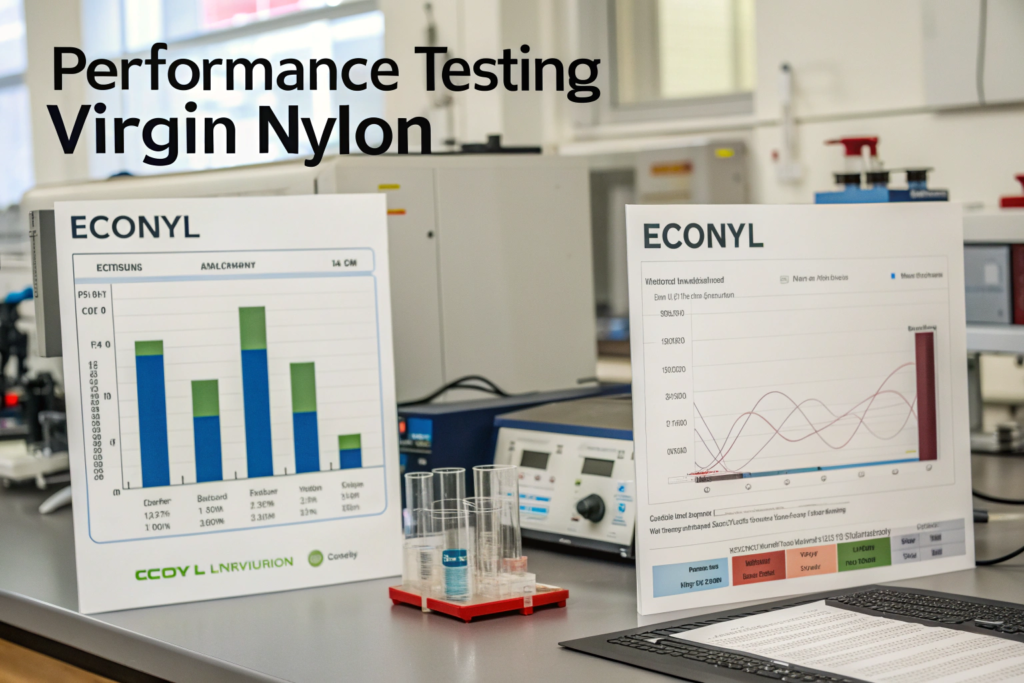
Independent testing confirms Econyl meets or exceeds virgin nylon specifications. Tensile strength, tear strength, abrasion resistance, elasticity, and dye fastness are equivalent. The polymer is identical—there’s no theoretical reason for difference. In practice, some users even report more consistent quality because Aquafil’s process controls are exceptional.
What about moisture management and breathability?
Nylon’s moisture management comes from fiber cross-section and fabric construction, not polymer source. Econyl can be extruded in the same shapes as virgin nylon—round, trilobal, hexachannel—creating identical wicking and drying properties. A Econyl fabric can be engineered for any moisture performance requirement.
The same applies to breathability. Fabric construction determines air permeability, not whether the nylon is recycled. A Econyl mesh performs identically to virgin nylon mesh with the same specifications.
For a Swedish activewear brand in 2021, we developed running tights using Econyl with engineered moisture channels. Lab testing showed identical wicking rates to their virgin nylon control. Field testing with athletes showed no performance difference. The Econyl performance testing for sportswear applications tights launched with "same performance, better planet" positioning and sold out within weeks.
Does Econyl hold color as well as virgin nylon?
Dye affinity depends on polymer chemistry, which is identical between Econyl and virgin nylon. Econyl accepts the same dyes at the same temperatures with the same color yield. Color fastness to washing, light, and perspiration tests identically.
This consistency matters for brands with exacting color standards. A color developed in virgin nylon should match in Econyl. We maintain color standards across both sources and can match perfectly.
For a Japanese luxury activewear brand, color consistency is non-negotiable. Their signature black must be identical across all products regardless of fiber source. We Econyl dyeing and color fastness properties developed dye recipes that produce identical results in Econyl and virgin nylon, and we test every batch to ensure match. Their customers can’t tell which products use recycled fiber—they just know the quality is consistent.
What are the cost implications of switching to Econyl?
Cost has been the barrier to broader adoption. Econyl has traditionally carried a premium over virgin nylon, though that gap is narrowing. Understanding current economics helps you make informed decisions.
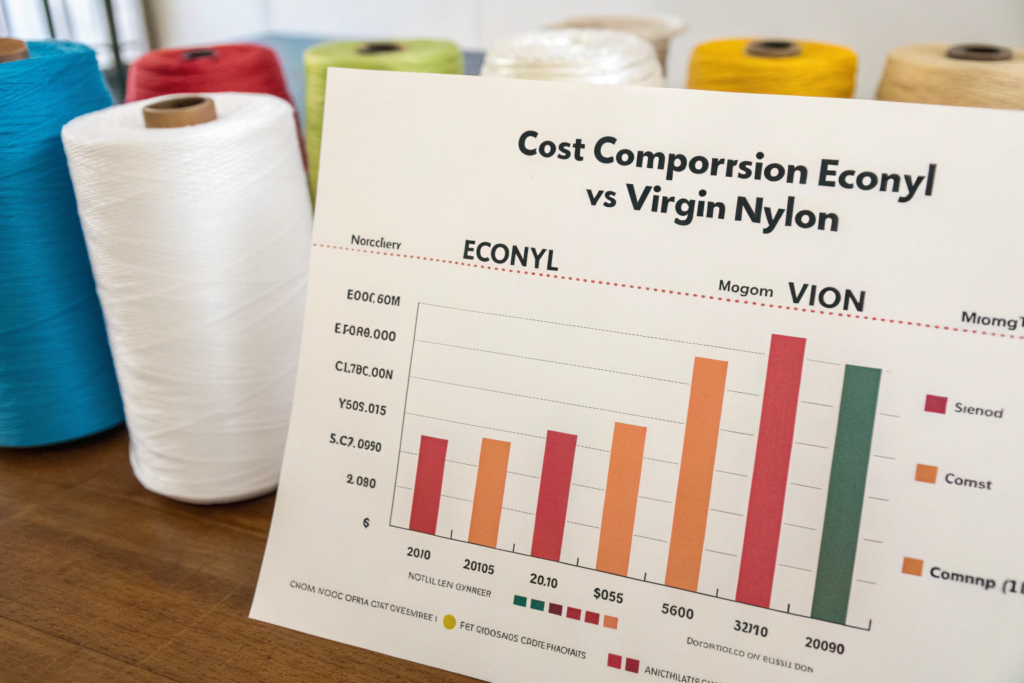
Today, Econyl typically costs 20-40% more than equivalent virgin nylon, depending on volume and specifications. This premium reflects the more complex supply chain and lower production scale. As demand grows and scale increases, the premium is slowly declining.
How do you justify the cost premium to customers?
The justification depends on your market positioning. For premium brands with sustainability commitments, the cost is absorbed as part of responsible business. For mass-market brands, the premium may need to be shared with consumers who value sustainability.
Some brands absorb the cost entirely, using Econyl as a point of differentiation without raising prices. Others pass through部分 of the cost, positioning Econyl products as premium options within their range. Both approaches work when supported by authentic storytelling.
The key is communicating value beyond the fiber. Econyl isn’t just recycled—it’s ocean-cleaning, landfill-reducing, circular-economy-enabling. That story justifies premium pricing for many consumers.
In 2022, a California-based activewear brand launched an "Ocean Collection" using Econyl at a 15% price premium. They marketed the Econyl cost premium and consumer value proposition ocean cleanup story heavily, and the collection sold out faster than any in their history. Their customers weren’t buying fabric—they were buying ocean health with performance as a bonus.
Will costs continue to decrease?
Yes, for several reasons. Scale is increasing as more major brands commit to recycled content. Aquafil and other producers are expanding capacity. Collection and sorting infrastructure for waste materials is improving. And technology continues to advance.
Some analysts project recycled nylon reaching price parity with virgin within 5-10 years, though this depends on oil prices (virgin nylon is petroleum-based) and regulatory pressure. Carbon pricing or virgin material taxes would accelerate parity.
For brands planning long-term, the trend is clear. Econyl and similar recycled nylons will become increasingly cost-competitive. Early adopters gain experience and credibility while premiums are still manageable.
A Dutch sportswear brand we work with committed to 50% recycled content across all products by 2025. They’re Econyl future cost trends and projections locking in prices now to secure supply and budgeting for gradual premium reduction. Their long-term planning recognizes that waiting for full parity means missing sustainability milestones.
How are major brands adopting recycled nylon?
The adoption landscape has shifted dramatically in the past five years. What was once niche experimentation is now mainstream strategy for leading sportswear companies. Understanding this trend helps you position your own products.
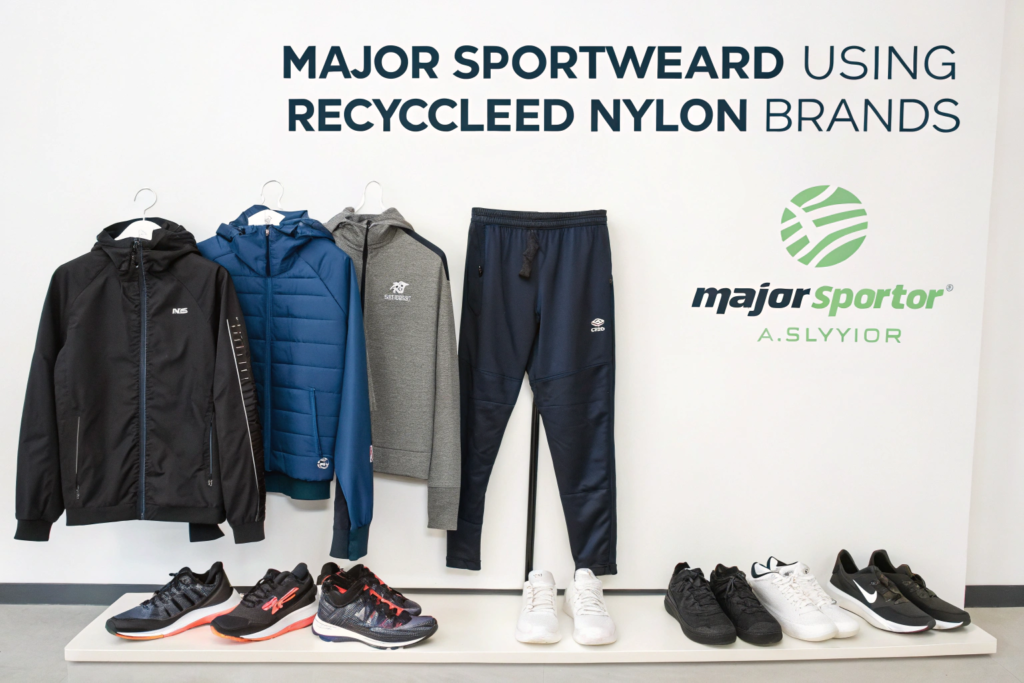
Patagonia was an early adopter, using recycled nylon in their Baggies shorts and other products since the 1990s. Adidas has committed to using only recycled polyester by 2024 and is expanding recycled nylon use. Speedo uses Econyl in their PowerFLEX ECO line. Prada launched the Re-Nylon collection in 2019, replacing all virgin nylon with Econyl.
What’s driving brand commitments?
Multiple factors converge. Consumer awareness of plastic pollution has grown dramatically. Microplastic shedding from synthetic textiles is under increasing scrutiny. Regulatory pressure in Europe is mounting. And brand sustainability commitments require measurable progress.
The circular economy concept resonates strongly. Virgin nylon is linear—make, use, dispose. Econyl enables circularity—use, recycle, remake. Brands increasingly see circularity as essential to long-term viability.
For a Canadian outdoor brand, the driver was their younger customers. Surveys showed 18-30 year olds actively seeking sustainable options and willing to pay more. The major brand adoption of recycled nylon in sportswear brand now specifies Econyl for all new product development, and their customer feedback confirms the strategy works.
What about smaller brands—can they access Econyl?
Yes, and increasingly easily. While Econyl was once reserved for large minimums, availability has expanded. At Shanghai Fumao, we stock Econyl fabrics in various constructions specifically to serve smaller brands who can’t meet producer minimums.
A startup can order 500 meters of Econyl fabric from our stock, same as virgin nylon. Custom developments using Econyl require higher minimums but are still accessible for growing brands. The key is working with mills that have established Econyl supply relationships.
For a Berlin-based sustainable swimwear startup in 2023, we provided Econyl fabric in quantities as low as 200 meters per color for their debut collection. They small brand access to Econyl recycled nylon launched with full sustainability credentials despite limited capital, and their success has funded expansion into custom developments.
What innovations are coming in recycled nylon technology?
The future isn’t just more of the same. Recycled nylon technology continues to evolve, opening new possibilities for sportswear applications. Understanding emerging innovations helps you plan ahead.
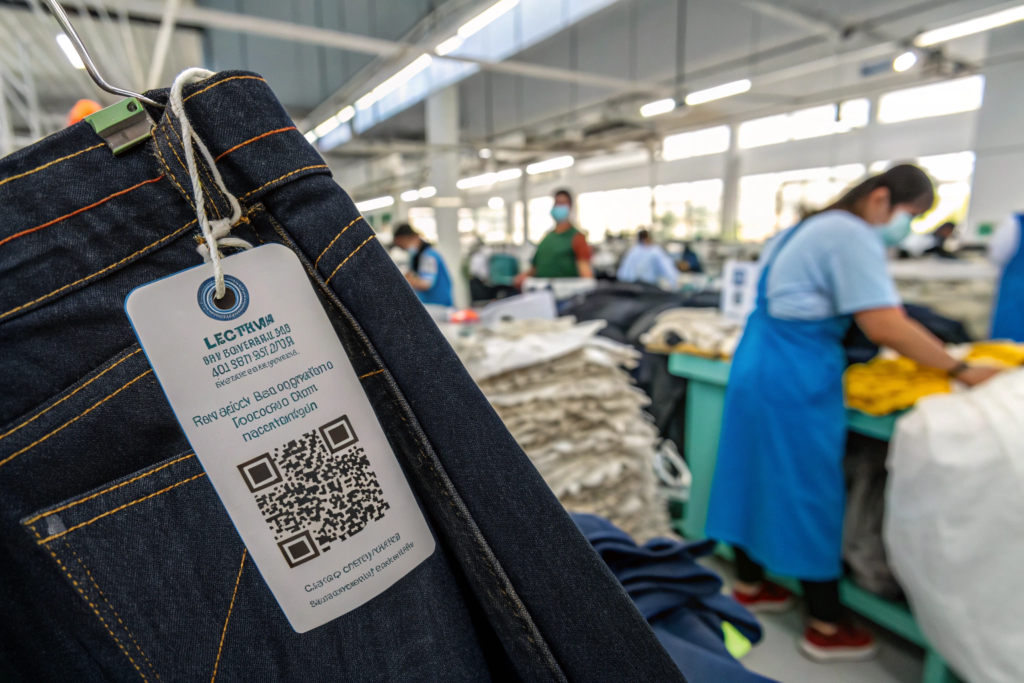
One frontier is improved traceability. Blockchain and digital product passports will soon allow consumers to trace their garment’s nylon back to specific waste sources—which fishing net, which carpet, which factory scrap. This transparency builds trust and enables circularity at end of life.
Can Econyl be recycled again after garment use?
Yes, and this is the ultimate goal. A garment made from Econyl can, in theory, be collected, depolymerized, and remade into new nylon indefinitely. The infrastructure for this doesn’t exist at scale yet, but it’s developing.
Brands are experimenting with take-back programs. Customers return worn garments, which are recycled into new products. Patagonia has done this for years. Adidas is expanding programs. As collection infrastructure grows, true circularity becomes possible.
The challenge isn’t technical—it’s logistical. Collecting, sorting, and transporting millions of garments requires systems that don’t yet exist. But momentum is building, driven by regulation and brand commitment.
For a UK-based activewear brand, we’re developing closed-loop recycling for Econyl sportswear fabrics specifically designed for easier future recycling—mono-material constructions, removable components, and digital IDs with recycling instructions. They’re preparing for the circular economy rather than waiting for it to arrive.
What about bio-based nylon alternatives?
Bio-based nylons (made from renewable resources rather than petroleum) are emerging alongside recycled options. Castor oil-based nylons like Rilsan from Arkema offer renewable sourcing but aren’t recyclable in the same way. Some brands are exploring combinations—bio-based content with recycling capability.
The ideal future may combine both: renewable feedstocks and infinite recyclability. Research continues on bio-based nylon that can be chemically recycled like Econyl. Commercial products are likely within 5-10 years.
For a Scandinavian brand focused on maximum sustainability, we’re monitoring bio-based and recycled nylon innovations both tracks—using Econyl now while planning for next-generation materials. Their sustainability roadmap extends to 2030, anticipating technology evolution.
Conclusion
The future of recycled nylon in sportswear is extraordinarily bright. Econyl has demonstrated that recycled fibers can match virgin performance while delivering compelling sustainability benefits. Major brands are committing at scale. Costs are gradually decreasing. Infrastructure for collection and recycling is developing. And consumers increasingly expect circular solutions.
At Shanghai Fumao, we’ve invested heavily in recycled nylon capabilities. We stock Econyl fabrics across multiple constructions. Our R&D team develops custom Econyl fabrics for brands with specific performance requirements. Our lab verifies quality and performance against virgin benchmarks. And we help clients navigate the transition from virgin to recycled without compromising their products.
If you’re considering incorporating recycled nylon into your sportswear, reach out to our Business Director, Elaine. She can discuss your specific applications, recommend appropriate Econyl options, provide samples for testing, and help you understand the cost and minimum implications. Whether you’re launching a sustainable collection or transitioning your entire line, we have the expertise and capacity to support you. Contact Elaine at [elaine@fumaoclothing.com]() to start a conversation about the future of your sportswear.