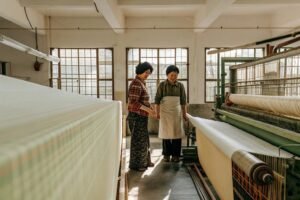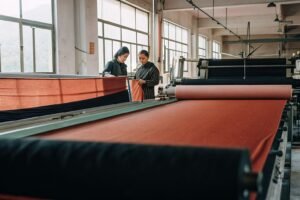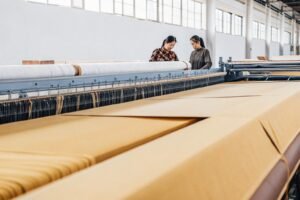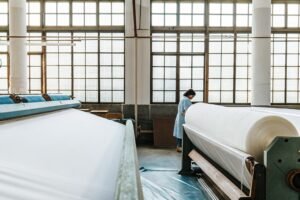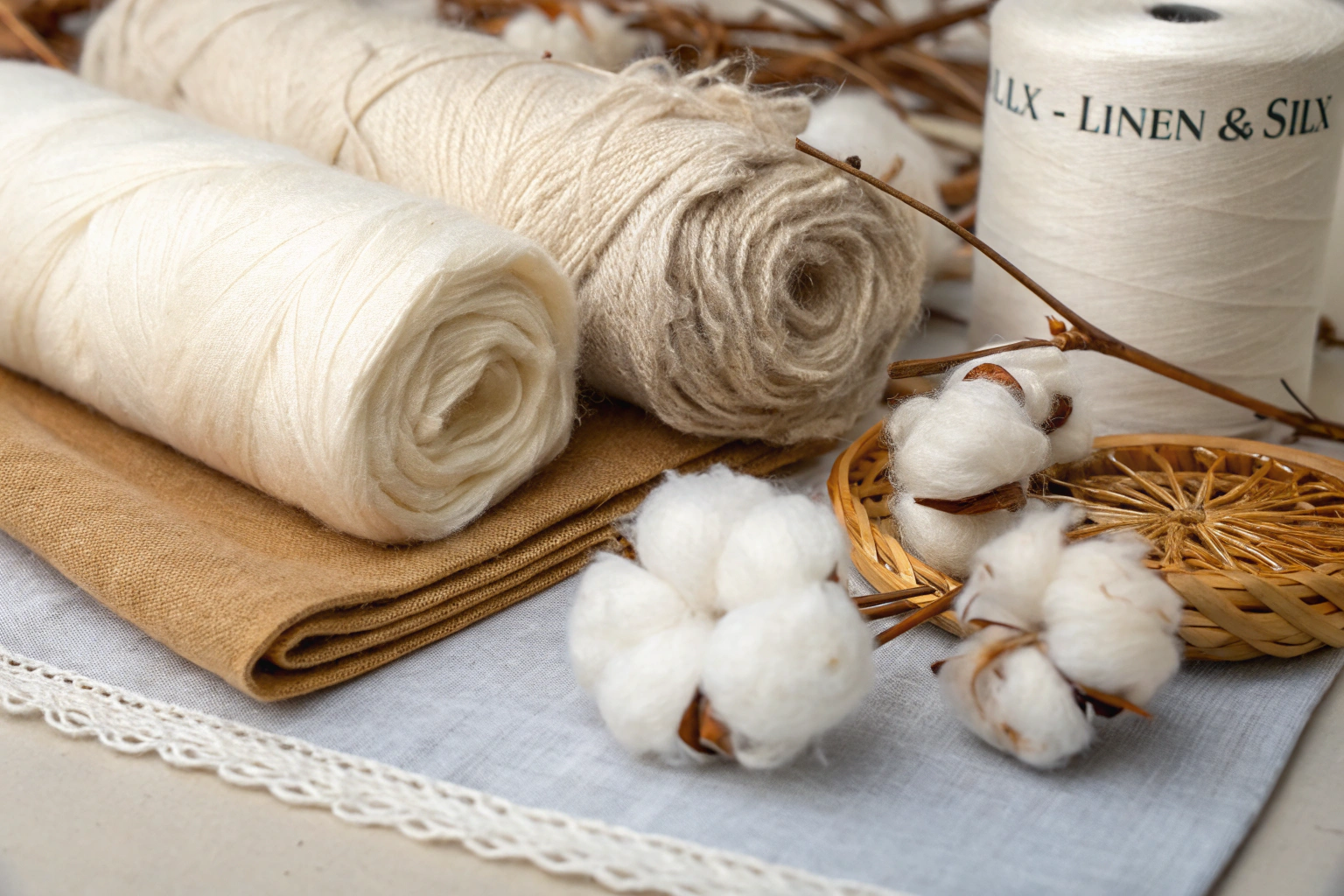
You know, after two decades in this business, I still get a thrill from running a bolt of raw silk through my hands. There’s something fundamentally honest about natural fibers. They’re not invented in a lab; they’re grown, sheared, or spun from the world around us. But here’s the practical truth every designer and product manager needs to know: not all naturals are created equal. I learned this lesson early. In 2015, a client from Italy ordered what they thought was "luxury linen" for a summer collection. What they received was a coarse, scratchy fabric that draped like cardboard. The issue? They’d specified "linen," but didn’t know to ask for Belgian flax with a high wet-spun yarn count. We had to eat the cost and reweave the entire order with the right fiber. That mistake taught us that knowing your fibers isn’t academic—it’s financial.
The most common natural fibers are Cotton, Linen (Flax), Wool, and Silk. Each possesses a unique fingerprint of properties: Cotton is the breathable, versatile workhorse; Linen is the strong, crisp champion of coolness; Wool is the resilient, temperature-regulating insulator; and Silk is the luxurious, strong-but-delicate filament of elegance. Choosing the right one isn’t about preference; it’s about aligning these inherent properties with your product’s function, feel, and lifecycle.
Let’s move beyond the textbook definitions. I want to give you the mill-floor knowledge—the unspoken strengths, the hidden weaknesses, and the processing secrets that turn a raw fiber into a sublime fabric. This is the guide we give our own designers at Shanghai Fumao when they’re engineering a new collection. We’ll dissect each fiber like a mechanic tears down an engine.
Cotton: The Universal Workhorse
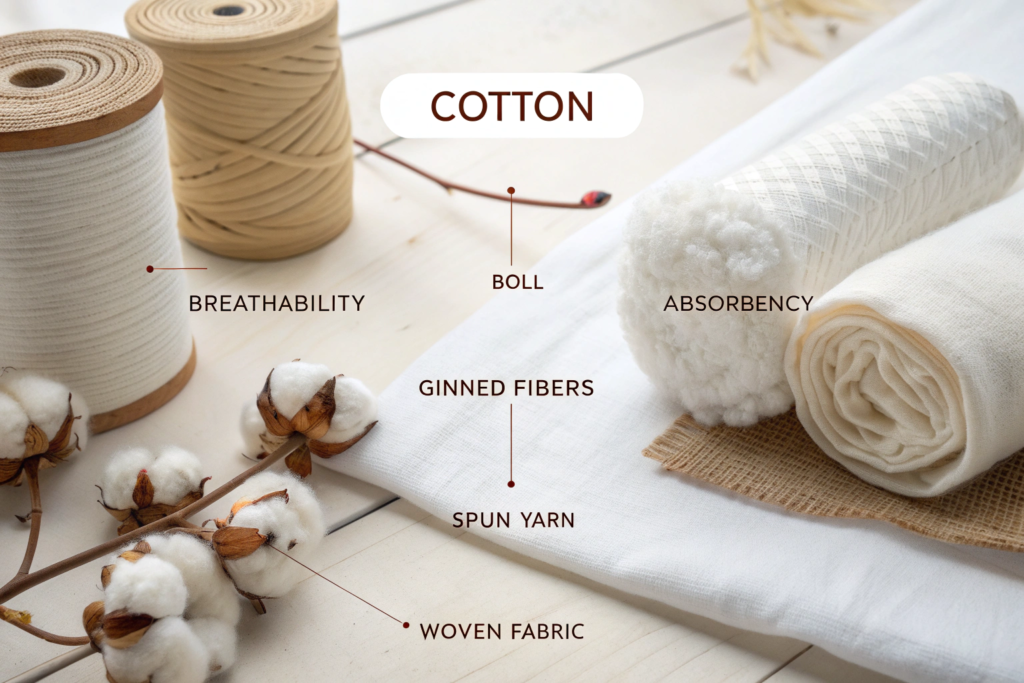
If the textile world had a democracy, cotton would win every election. It’s everywhere. But calling all cotton "the same" is like calling all soil "dirt." The quality, feel, and performance vary wildly based on the plant species, where it’s grown, and how it’s spun. At its core, cotton is a seed fiber—soft, absorbent, and relatively strong.
Cotton’s magic lies in its hollowness. Each fiber is like a tiny, twisted drinking straw. This structure gives it incredible moisture absorption (it can hold up to 27 times its weight in water) and allows it to breathe. But that same hollow structure makes it weaker when wet and prone to shrinking.
What Truly Defines "Quality" in Cotton?
Not all white fluff is equal. Here’s what separates premium from basic:
- Staple Length: This is the most critical factor. Longer staples (fibers) spin into smoother, stronger, and more lustrous yarns.
- Short-Staple (Upland): < 1 1/8 inch. Most common, affordable. Can be slightly fuzzy and less durable.
- Long-Staple (Pima, Egyptian, Supima®): > 1 3/8 inch. Smoother, stronger, more lustrous, and resistant to pilling. This is what goes into high-end shirts and bedding.
- Processing: Ring-Spun vs. Open-End: This is about how the fibers are twisted into yarn. Ring-spun yarns are tighter, stronger, and have a softer, more tactile hand. They’re more expensive. Open-end yarns are faster/cheaper to produce but can be rougher and weaker. For a premium t-shirt, you always want ring-spun cotton.
- Finishes: The base fiber is just the start. A mercerized cotton has been treated with caustic soda, which swells the fibers, increasing their strength, luster, and affinity for dye. A combed cotton has the shorter fibers removed before spinning, resulting in an even smoother, stronger yarn.
For a deep dive into the global standards and grading systems for cotton fiber length and quality, resources from the International Cotton Advisory Committee (ICAC) are authoritative.
What Are Cotton’s Real-World Pros and Cons?
Let’s be brutally honest.
Pros:
- Breathability & Comfort: Unbeatable for hot weather and sensitive skin.
- Dyeability: Takes dyes beautifully and vibrantly, especially reactive dyes.
- Strength & Durability: Good dry strength makes it durable for daily wear (denim, canvas).
- Easy Care: Machine washable and can be sterilized with high heat.
Cons:
- Wet Weakness: Loses up to 20% of its strength when wet. This is why wet cotton garments tear more easily.
- Slow Drying: All that absorbency means it holds moisture.
- Wrinkling: Low elasticity means it wrinkles easily.
- Shrinkage: Can shrink significantly if not pre-shrunk (sanforized).
A client making hotel bathrobes learned about wet weakness the hard way. Their pure cotton robes tore at the seams during industrial laundering. We solved it by recommending a long-staple Pima cotton with a tighter weave and polyester core-spun stitching thread, which increased the garment’s lifespan by 300%.
Linen: The King of Cool
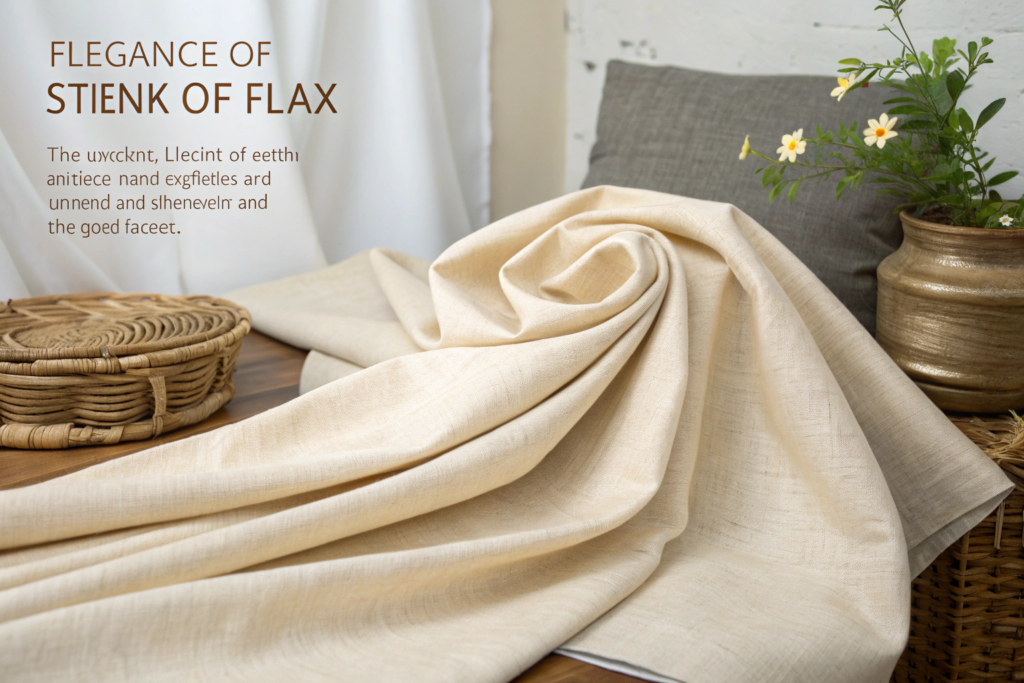
Linen, made from the stalk of the flax plant, is the aristocrat of summer fabrics. It’s not just a fiber; it’s a statement of relaxed sophistication. But it’s misunderstood. People think "wrinkly" and "stiff." Done right, linen is a revelation—crisp, breathable, and with a beautiful, lived-in drape.
Linen fibers are long, smooth, and polygonal in cross-section. This structure allows excellent heat conduction and wicks moisture away faster than almost any other fiber. It’s literally cool to the touch.
Why Does Linen Wrinkle (And Is That a Bad Thing)?
The wrinkle debate. Linen wrinkles because its fibers have very low elasticity. They don’t spring back. This isn’t a flaw; it’s a characteristic. The "crumple" is part of its aesthetic charm. However, you can mitigate it:
- Blending: A 55% Linen, 45% Cotton blend wrinkles less while retaining most of linen’s coolness and texture.
- Weave: A tight plain weave wrinkles less than a loose one.
- Finish: Modern wrinkle-resistant resin finishes can be applied, though they can slightly alter the hand feel. The purists will avoid this.
The key is to educate the consumer. Marketing it as "easy, breezy, and meant to look lived-in" reframes the wrinkle from a defect to a feature.
What Makes "Good" Linen?
Origin and processing matter immensely.
- European Flax (Belgian, French): This is the gold standard. Grown in the ideal climate, it produces long, fine, and strong fibers with a consistent color.
- Processing: Wet-Spinning vs. Dry-Spunning: Wet-spun linen yarns are smoother, stronger, and more lustrous. The fibers are spun in a water bath, which helps bind them. This is what you find in high-end linens. Dry-spun yarns are hairier and have a more rustic, nubby texture.
- Weight: Linen is sold by weight (oz/yd² or GSM). A lightweight linen (150 GSM) is perfect for blouses; a heavy one (350 GSM) makes stunning structured jackets and home decor.
For practical insights on working with linen in garment construction, including pre-washing and pressing techniques, independent sewing blogs and forums like PatternReview are treasure troves of hands-on experience.
Wool: The Intelligent Insulator
Wool is a miracle of natural engineering. It’s not just for winter sweaters. From lightweight merino suiting to rugged tweed, wool’s complexity is its superpower. It’s a protein fiber from sheep (and other animals like cashmere goats), with a scaly surface and a crimped, elastic core.
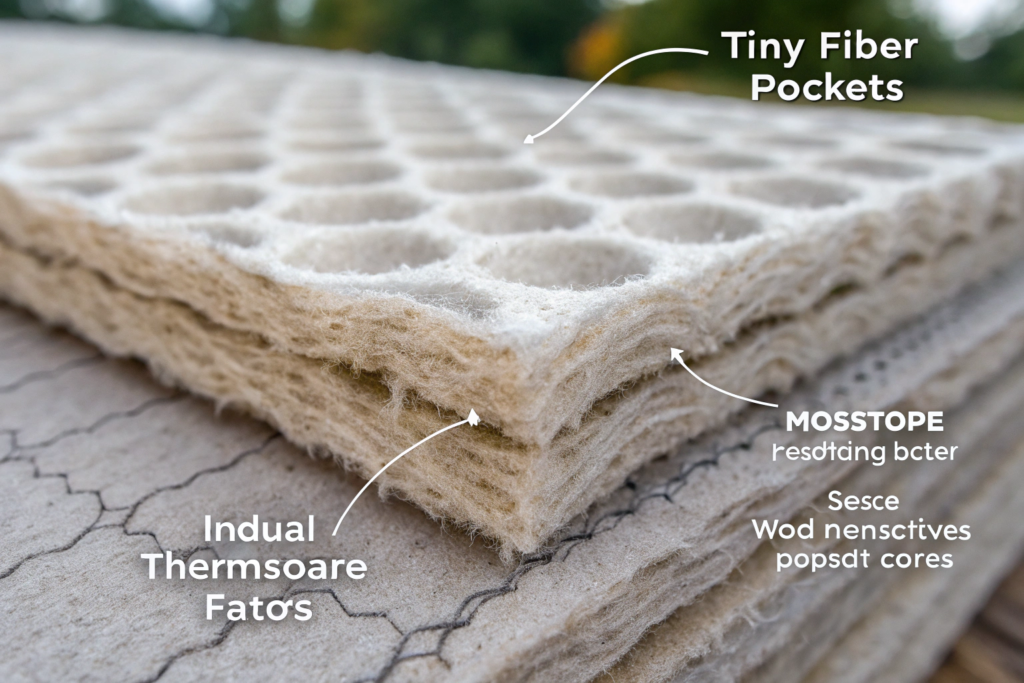
This structure creates tiny air pockets that trap heat, making it insulating. The scales allow fibers to felt together under heat and moisture (a pro for some applications, a con for careless washing). Crucially, wool can absorb moisture vapor (not liquid sweat) into its core, releasing it outside, making it thermoregulating.
How Do You Decode the World of Wools?
| "Wool" is a universe. Here’s a quick taxonomy: | Type | Source | Key Properties | Best For |
|---|---|---|---|---|
| Merino | Merino Sheep | Extremely fine, soft, non-itchy. Excellent moisture-wicking. | Premium base layers, fine suiting, activewear, socks. | |
| Lambswool | First shearing of a lamb | Very soft, fine, and elastic. | Luxury knitwear, soft blankets. | |
| Shetland | Shetland Sheep | Medium weight, slightly hairy, rustic texture. Breathable. | Classic tweeds, cozy sweaters. | |
| Cashmere | Cashmere Goat | Incredibly soft, light, and warm. Luxuriously fine. | High-end scarves, sweaters, lightweight coats. |
Worsted vs. Woolen Spun: This is critical. Worsted yarns are made from long, parallel fibers, combed to align them. The result is a smooth, strong, dense yarn used in fine suits and dress trousers. Woolen yarns use shorter fibers in a random alignment, creating a loftier, fuzzier, warmer yarn used in tweeds and cozy sweaters.
What Are Wool’s Hidden Talents and Challenges?
Talents:
- Natural Flame Resistance: It chars instead of melting or igniting easily.
- Odor Resistance: The fiber structure repels bacteria that cause odor.
- Wrinkle Recovery: Its natural elasticity helps it bounce back from wrinkles.
- Biodegradable: It returns to the earth.
Challenges:
- Felting & Shrinkage: The #1 killer of wool sweaters. Caused by agitation, heat, and moisture. Requires gentle, cold hand washing or dry cleaning.
- Moth Vulnerability: Protein-based, so moths love it. Requires proper storage.
- Price & Perception: Can be expensive and perceived as "hot" or "itchy" (less so with modern merino).
We worked with an outdoor brand to develop a merino wool-Tencel™ blend for hiking socks. The merino managed moisture and odor, while the Tencel™ added strength and sped up drying time, creating a performance product that outperformed synthetics for multi-day treks.
Silk: The Filament of Luxury
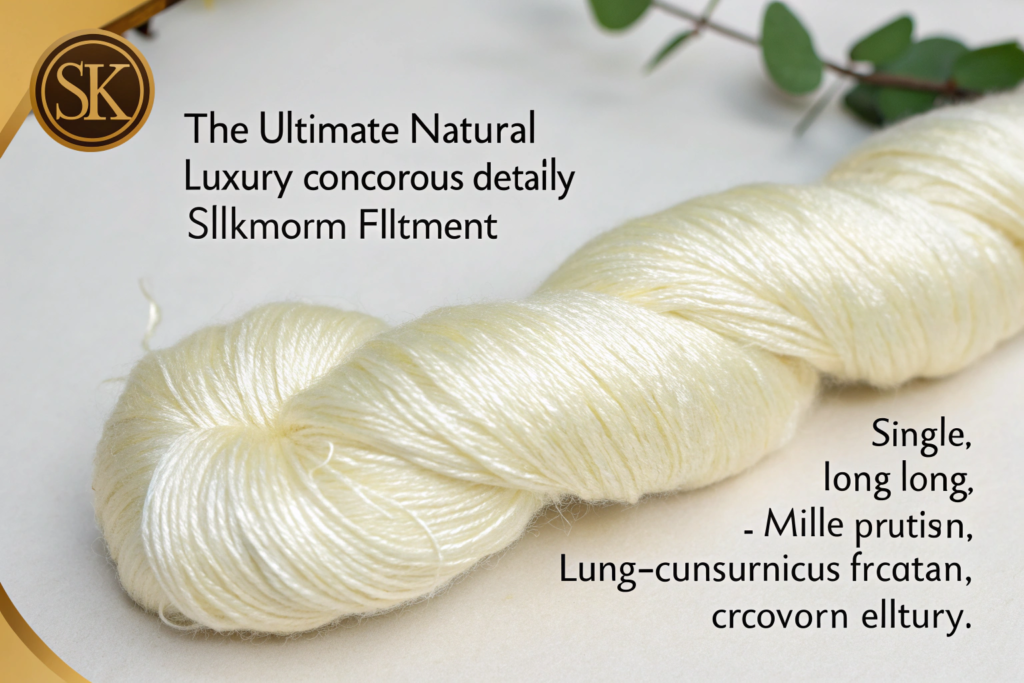
Silk is the ultimate natural luxury. It’s a continuous protein filament spun by the silkworm to form its cocoon. This single, long filament (sometimes over a mile long!) is what gives silk its unparalleled smoothness, strength, and luminous sheen.
Silk is deceptively strong—gram for gram, it’s stronger than steel wire. But it’s also delicate, sensitive to sunlight, and requires careful handling. It’s the diva of the fiber world: breathtaking but high-maintenance.
What Are the Different Types of Silk Fabrics?
The way the filament is processed creates vastly different fabrics:
- Mulberry Silk: The most common and highest quality. Cultivated under controlled conditions, producing uniform, white filaments. Over 90% of the world’s silk is mulberry.
- Tussah (Wild) Silk: Made from wild silkworms. The filaments are shorter, browner, and coarser, resulting in a fabric with a slubby texture and a more matte, rustic look (e.g., Dupioni silk).
- Charmeuse: A satin weave using silk. Glossy on the face, matte on the back. Drapes beautifully.
- Crepe de Chine: A lightweight fabric with a slightly pebbled texture from highly twisted yarns. Drapes well and resists wrinkles.
- Habotai (China Silk): A plain, lightweight, and inexpensive silk, often used for linings.
How Do You Work With Silk Practically?
Respect its nature.
- Care: Almost always dry clean only. Water can spot it, and agitation can damage the delicate fibers.
- Sunlight: Degrades and weakens silk over time. Never store it in direct sunlight.
- Strength: Its strength is significantly reduced when wet. Handle wet silk garments with extreme care.
- Modern Blends: To make silk more practical, we blend it. Silk-cashmere for ultimate softness, silk-wool for added structure and warmth, or silk-cotton for a more casual, washable feel.
A common pitfall is using silk for upholstery without understanding its sun sensitivity. We advised a luxury hotel against using pure silk for sun-drenched lobby curtains, proposing a silk-linen blend with UV-protective lining instead, which preserved the look while ensuring longevity.
Conclusion
Understanding natural fibers is the first and most critical step in creating a product with integrity. Each fiber—Cotton, Linen, Wool, Silk—brings a unique set of gifts and limitations to the table. The art of product development lies not in forcing a fiber to be something it’s not, but in selecting the one whose inherent properties perfectly align with your design intent, use case, and care expectations.
The most successful brands don’t just buy fabric; they understand its soul. They know that choosing a long-staple, ring-spun cotton over a standard one can transform a t-shirt from a commodity to a cult item. They know that specifying wet-spun Belgian linen ensures a garment that feels as refined as it looks.
If you’re looking to harness the authentic beauty and performance of natural fibers for your next collection, partner with a supplier who speaks their language. At Shanghai Fumao, our expertise goes beyond sourcing—we understand the processing, blending, and finishing that unlock the full potential of every natural fiber. Contact our Business Director, Elaine, to discuss your project and request samples from our curated natural fiber library. Email Elaine at elaine@fumaoclothing.com.