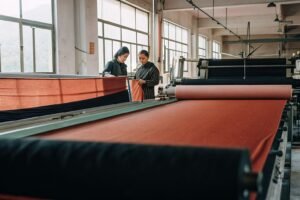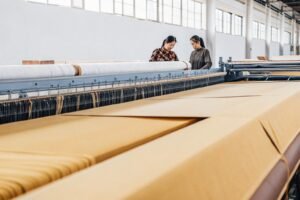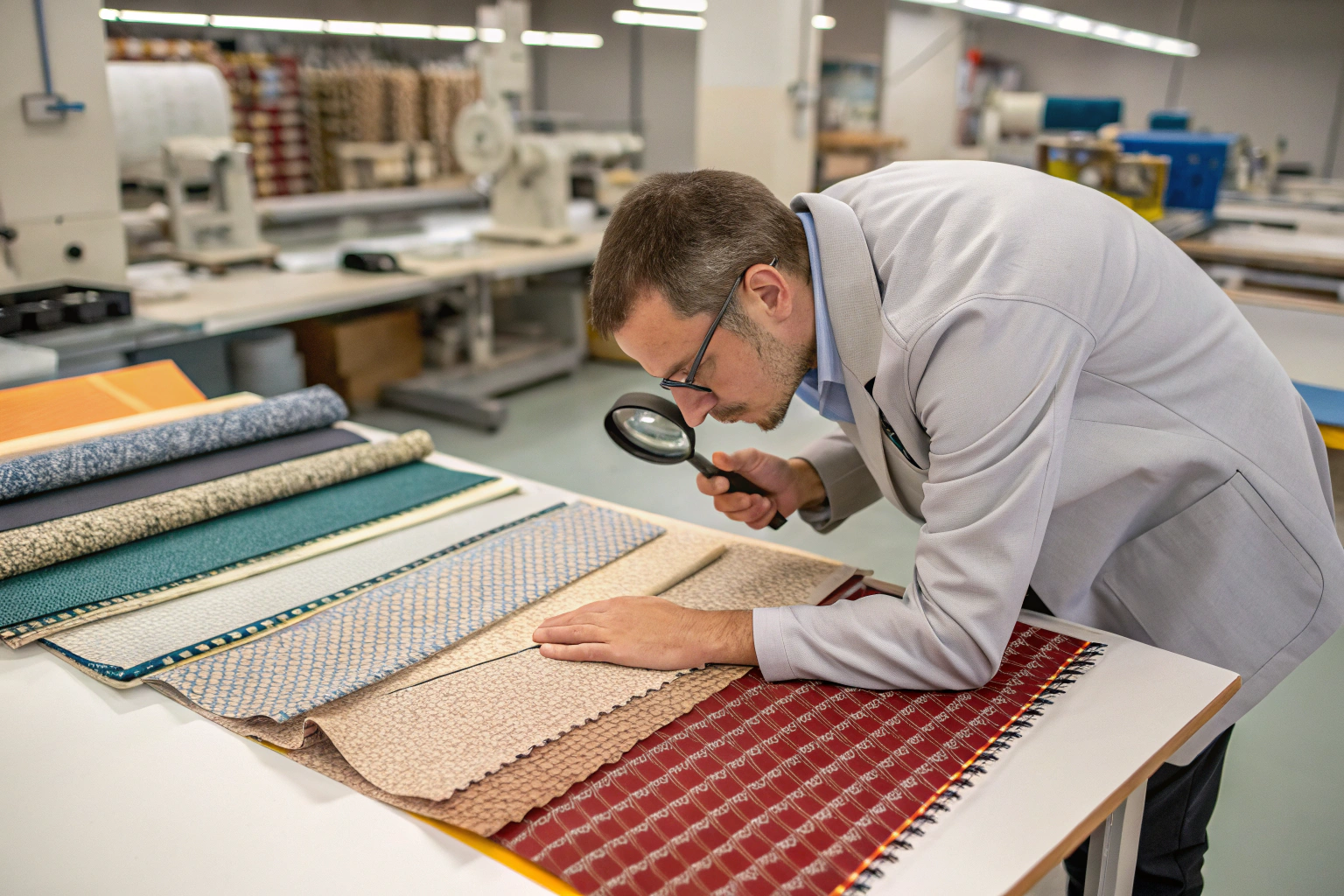
I’ve sat across from hundreds of designers and product managers, and the moment when they pull out their mood board is always electric. The colors, the shapes, the feeling—it’s all there. Then comes the hard question: "So, what fabric should this be made from?" That’s where the magic either happens or fizzles out. I remember a startup in 2022 that had designed a beautiful, minimalist sofa. They wanted it in a soft, peach-colored bouclé wool. It looked stunning in the render. But they hadn’t considered that it was for a family with young kids and a dog. The first spill would have been a disaster, and the delicate loops would have been torn apart in weeks. We worked together to switch to a solution-dyed acrylic bouclé that mimicked the look perfectly but was machine-washable and incredibly durable. The product sold out. That’s the power of choosing wisely, not just beautifully.
Choosing the right fabric is an engineering problem disguised as a creative one. It’s about finding the precise intersection where your product’s functional requirements (durability, care, performance) meet its aesthetic vision (look, feel, drape). The perfect fabric isn’t just the one that looks right in a swatch book; it’s the one that performs right in the real world and makes your customer love the product more every time they use it.
Let’s get tactical. I’m going to walk you through the framework we use at Shanghai Fumao when we co-develop products with brands. We’ll break down how to audit your product’s life, decode fabric specifications, and make those critical trade-off decisions without compromising your vision. This is the process that turns a good idea into a great, and more importantly, successful, product.
How to Define Your Product’s Non-Negotiable Functional Needs?
Before you fall in love with a fabric’s hand or print, you must become ruthlessly pragmatic about what the fabric needs to do. This is your foundation. Miss this, and even the most beautiful fabric will lead to product failure and returns.
Think of this as a job description for your fabric. You’re hiring it for a specific role. You need to write down exactly what the job entails—the tough parts, the daily grind, the special skills required. This checklist prevents emotional decisions from overriding practical ones.
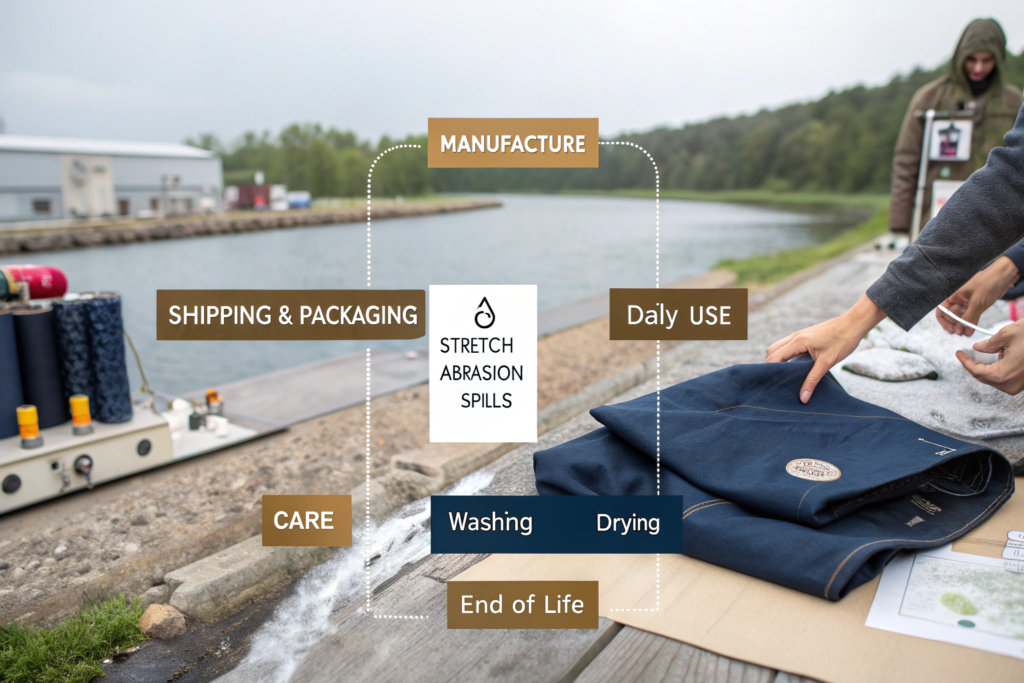
What Will Your Product Endure? (The Stress Test)
List every physical and environmental challenge.
- Abrasion: Will it rub against something? (Think: sofa arms, chair seats, backpack straps, knee areas of pants). This demands fabrics with a high Martindale rub test rating (e.g., over 30,000 cycles for heavy-duty upholstery).
- Tension & Stretch: Does it need to be form-fitting or accommodate movement? (Activewear, swimwear, fitted slipcovers). Here, spandex content and fabric recovery are king. A fabric that stretches out and doesn’t bounce back is a recipe for a saggy product.
- Exposure: Will it face sunlight (UV fading), moisture (water resistance/mildew), or heat? For outdoor cushions, you need solution-dyed acrylic or polyester with UV inhibitors. For kitchen towels, high-grammage linen or cotton for absorbency.
- Care & Maintenance: Is machine washing non-negotiable? Does it need to be dry-cleaned only? This is a major consumer pain point. In 2023, we developed a wrinkle-resistant, machine-washable silk-like fabric from Tencel™ and polyester for a travelwear brand. It looked like luxury, cared like athleisure—a huge selling point.
To dive deeper into specific performance standards for technical textiles, resources like the ASTM International or ISO websites list the exact test methods (e.g., for tear strength, water column) that define these functional claims.
Who is Using It and How? (The User Profile)
The human element is critical.
- Demographic: Is it for children? Then safety (non-toxic dyes, flame retardancy where required) and durability are paramount.
- Sensitivity: Is it for loungewear or bedding for sensitive skin? Then natural, breathable fibers like organic cotton, bamboo, or Tencel™ with a soft enzyme wash finish are ideal.
- Psychological Need: Does the product need to feel "cozy," "professional," "athletic," or "luxurious"? This bridges into aesthetics but starts with fiber choice. "Cozy" often means brushed back fabrics (French terry, microfleece). "Professional" means crisp, structured wovens like poplin or twill.
Understanding the full scope of sustainable textile certifications and what they mean for the end-user (e.g., GOTS for organic, GRS for recycled content) is also part of modern functional needs, as detailed on platforms like Eco-Age.
How to Translate Aesthetic Vision into Fabric Specifications?
Now we bring the soul into the machine. Your aesthetic vision—the mood, the look, the emotion—must be translated into the cold, hard language of fabric specs: fiber, weave, weight, finish. This is the art of technical translation.
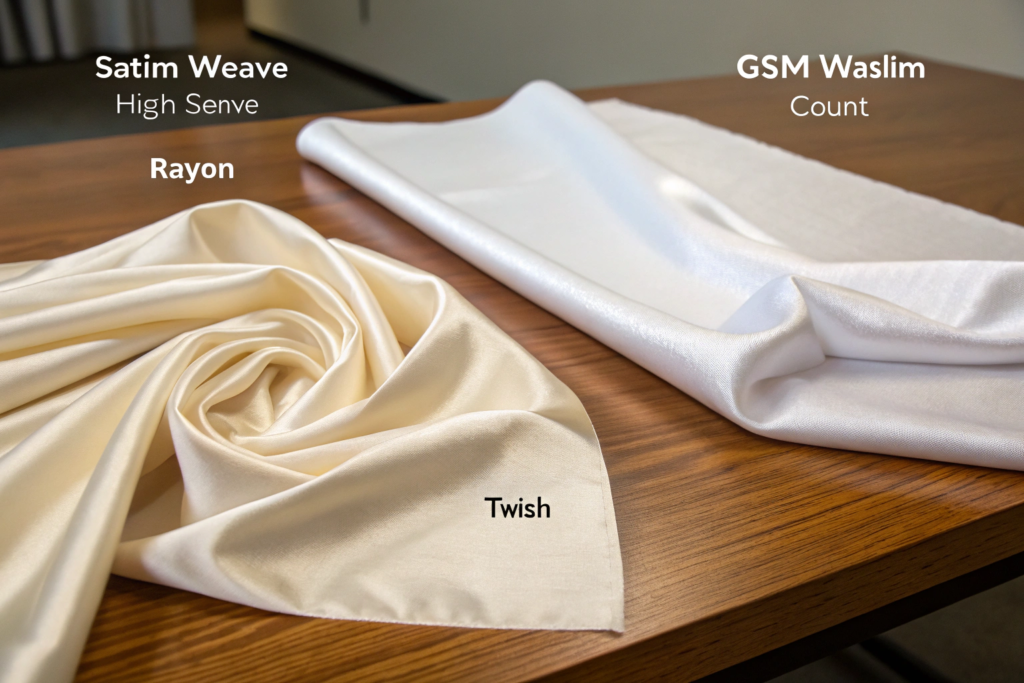
You know you want it to "flow like water" or "stand structured like architecture." My job is to tell you that "flow like water" likely means a satin weave with a high filament count in rayon or polyester, around GSM 80-120. "Structured like architecture" points to a tight plain or twill weave in cotton or linen, at GSM 200+.
How Do You Capture "Hand Feel" and Drape?
These are the most subjective yet crucial aesthetic qualities.
- Hand Feel: This is the tactile sensation. Is it soft, crisp, dry, silky, or pebbled? This is controlled by:
- Fiber: Merino wool is soft; linen is dry and crisp.
- Yarn: Ring-spun cotton is softer and stronger than open-end. A filament polyester is smoother than a spun one.
- Finish: Brushing creates softness; calendaring creates a smooth, silky hand; sandwashing creates a worn-in, soft feel.
- Drape: How does the fabric fall? Does it cling or swing? Drape is a function of weight and flexibility. A lightweight, plain weave (chiffon) has fluid drape. A heavy, stiff weave (canvas) has minimal drape. We use a simple cantilever test in our lab: draping a fabric strip over a ledge and measuring how far it bends. For a drapey dress, we look for a high bend measurement.
A practical resource for designers is fabric sourcing glossaries from major design schools, which often break down the relationship between weave structure and final garment drape.
How to Get Color and Pattern Right?
Color and pattern are the first things a customer sees.
- Color Depth & Type: A rich, deep black is different on cotton vs. polyester. For the deepest blacks, polyester with disperse dyes is unbeatable. For earthy, nuanced naturals, cotton or linen with reactive dyes is better. The choice of dye method (piece-dyed vs. yarn-dyed) also affects color vibrancy and character. Yarn-dyed fabrics (like denim or chambray) have a more muted, dimensional color.
- Pattern Method: Is your pattern a tiny, repeating check or a large, photorealistic floral? This decides the printing or weaving technique.
- Woven/knitted-in patterns (jacquard, dobby, intarsia) are part of the structure—durable and often more premium.
- Printed patterns offer unlimited design freedom. Digital printing is for complex, multi-color designs at lower volumes. Rotary screen printing is for cost-effective, high-volume repeats.
(Here’s a tip from our printing floor: if you want a vintage, faded look, don’t just print a faded color. Use a garment dye process on the finished piece—it gives a more authentic, irregular character that consumers love.)
What Are the Critical Trade-Offs and How to Balance Them?
You will almost never find a fabric that scores 10/10 on every functional and aesthetic wish list item. Design is the art of intelligent compromise. Knowing what you can and cannot bend on is the mark of an experienced product developer.
The classic tensions are: Durability vs. Softness, Natural Feel vs. Easy Care, Cost vs. Performance, and Weight vs. Drape. Let’s map these out.
How to Navigate Common Fabric Dilemmas?
Let’s put these trade-offs in a decision matrix.
| Dilemma | Option A | Option B | Compromise/Solution |
|---|---|---|---|
| Need Durability & Softness | Heavy-duty canvas (Durable, but stiff) | Fine cotton voile (Soft, but delicate) | Choose a blend: A cotton-polyester canvas with a softener finish. Or use a brushed back on a sturdy fabric. |
| Want Natural Fibers & Easy Care | 100% Linen (Natural, but wrinkles badly) | 100% Polyester (Easy care, but synthetic feel) | Choose a blend & finish: A 55% Linen, 45% Tencel™ blend with a wrinkle-resistant resin finish. |
| Budget is Tight but Quality is Key | Cheap, unstable jersey (Costs less, fails quickly) | Premium, stable ponte (Costs more, lasts) | Strategic downgrade: Use the premium fabric only in high-stress areas (like seat of pants) and a simpler fabric elsewhere. Or, work with the mill to develop a cost-engineered version with slightly lower GSM but same construction. |
| Need Structure without Weight | Heavy wool coating (Structured, but hot/heavy) | Lightweight cotton (Light, but flimsy) | Choose technology: A bonded fabric (two light layers fused together) or a fabric with a crisp, resin-based finish can add structure without weight. |
For a real-world case, a client making premium pet beds wanted a fabric that was luxuriously soft, completely waterproof, and breathable. Individually, these exist. Together? Nearly impossible. We engineered a solution: a top layer of plush, microfiber polyester (for softness) laminate-bonded to a breathable waterproof membrane. It wasn’t the cheapest option, but it solved the core problem and justified a high price point.
A community like r/Textiles on Reddit, while varied, can offer raw, unfiltered discussions on the practical realities and compromises of different fabric choices from industry professionals and hobbyists.
Why is Prototyping and Testing Non-Negotiable?
Your chosen fabric must survive the journey from your vision to the factory floor to the customer’s home.
- Sewability Test: Does it pucker, stretch, or fray under the needle? We run samples through our industrial machines to adjust thread tension and needle type.
- Wash & Wear Test: Make a prototype and abuse it. Wash it 10, 20, 50 times. Sit on it, stretch it, spill coffee on it. A European homeware brand we work with has a "family test" where they give prototypes to employees with young children and pets for a month. The feedback is brutal but invaluable.
- Color & Finish Durability: After all this abuse, does it fade, pill, or change hand feel? Our CNAS lab provides the quantitative data, but real-life testing provides the qualitative truth.
How to Collaborate Effectively with Your Fabric Supplier?
You are not in this alone. Your fabric supplier should be your most valuable technical consultant. A good supplier doesn’t just sell you what’s in stock; they help you build what’s in your head.
The relationship should be a dialogue, not an order form. Come with your problems, not just your prescriptions. Say, "I need a fabric for summer dresses that feels cool, doesn’t cling, and hides wrinkles in a suitcase," not just "I want linen."

What Information Should You Provide Upfront?
To get the best help, give a comprehensive brief:
- Product Tech Pack: Include sketches, intended use, and target price point.
- Functional Checklist: From the first section of this article.
- Aesthetic References: Physical swatches, photos, or even words describing the desired hand and drape.
- Target Volumes & Timeline: This dramatically affects which mills and processes are viable.
When a US-based direct-to-consumer brand approached us with exactly this kind of brief for a new line of performance chinos, we didn’t just offer a fabric from our stock. Our R&D team developed a custom stretch cotton-nylon-spandex twill with a DWR (durable water repellent) finish and a soft, broken-in hand. It became their best-selling product line for two years running.
How Can a Supplier’s Expertise Add Value?
A deep supplier like Shanghai Fumao brings three key things:
- Mill Connections & Sourcing Power: We know which specialized mill can produce a biodegradable PLA fleece or a temperature-regulating phase-change material fabric.
- Vertical Integration Control: With our own weaving, dyeing, printing, and finishing partners, we control each step. This means we can guarantee consistency, make quick adjustments, and ensure the final fabric meets the original spec. For a complex embroidered jacquard fabric, controlling the base cloth weave and the embroidery in-house is a huge advantage.
- Problem-Solving Engine: When something goes wrong, we can diagnose it at the fiber, yarn, dye, or finish level. When a client’s recycled polyester was pilling excessively, we traced it to the recycled yarn staple length and worked with the yarn spinner to adjust their blend ratio, solving the issue at its source.
Conclusion
Choosing the right fabric is a deliberate, disciplined, and collaborative journey. It’s a process of aligning your product’s soul (aesthetics) with its body (function) through the precise language of fiber, weave, weight, and finish. There is no single "best" fabric, only the best fabric for your specific product, user, and context. Success lies in asking the right questions upfront, embracing necessary trade-offs with strategy, and treating your fabric supplier as a co-pilot, not just a vendor.
The most impactful products in the market are born from this deep synergy between design and material science. They look irresistible and work impeccably, building brand loyalty one satisfying use at a time.
If you’re ready to move beyond guesswork and want a partner with the technical depth, vertical capabilities, and collaborative spirit to engineer the perfect fabric for your next product, let’s connect. At Shanghai Fumao, we don’t just supply fabric; we partner in product creation, from the first sketch to the final, flawless roll. Contact our Business Director, Elaine, to start a conversation. Share your vision and your challenges with us. Email Elaine at elaine@fumaoclothing.com.