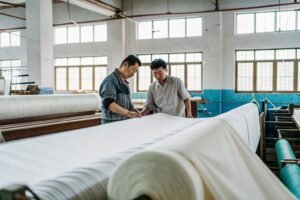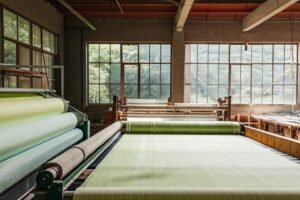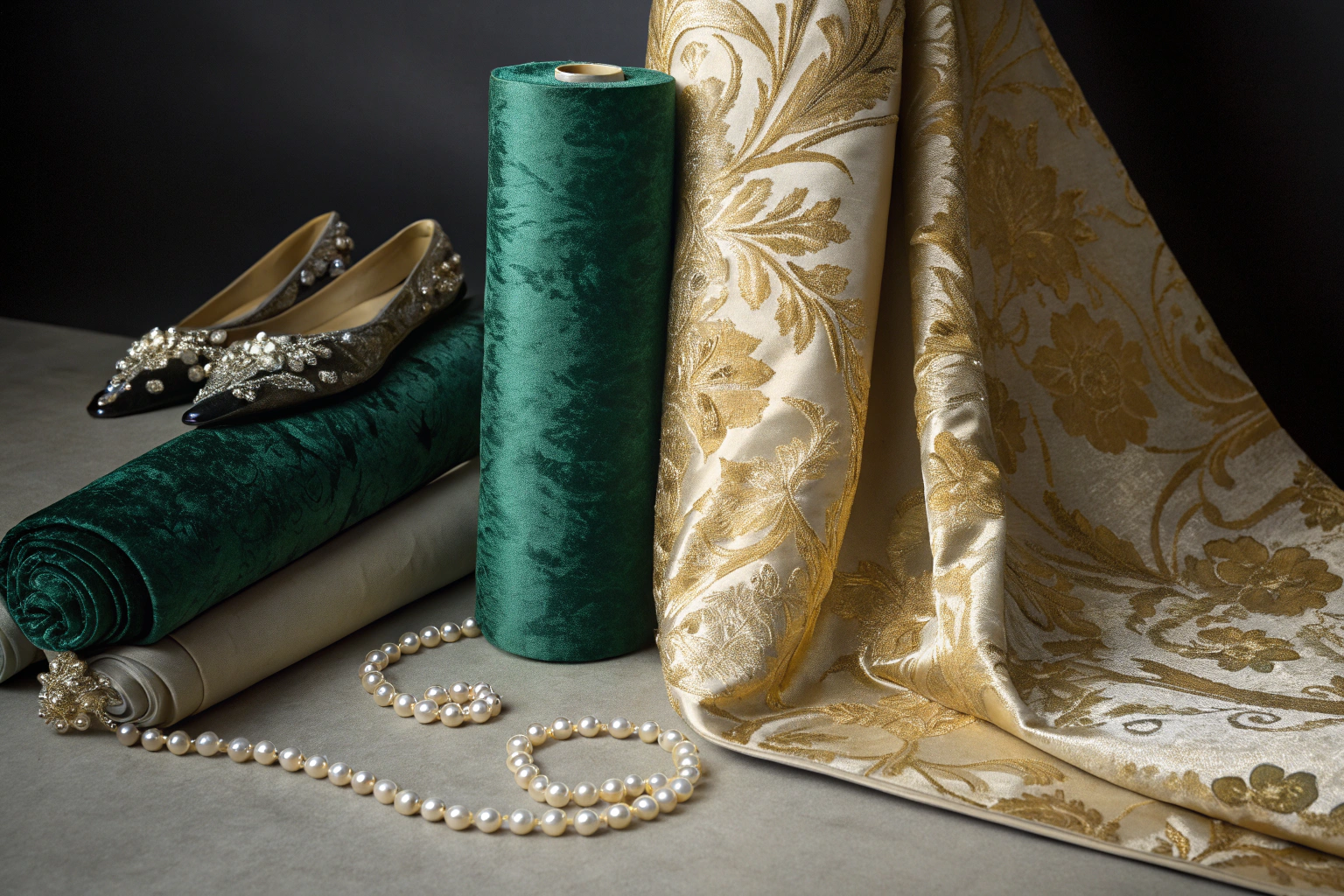
That moment when a client tries on an evening gown and the fabric catches the light just right—it’s pure magic. But behind that magic is a sourcing process that can feel like navigating a labyrinth. Velvet that loses its pile after one wear, jacquard with misaligned patterns, or a price that makes your margin vanish. Sourcing these luxury fabrics isn’t like buying basic cotton; it’s a technical art where every detail matters. One wrong choice can turn a show-stopper into a customer return.
The secret to sourcing exceptional velvet and jacquard lies in understanding their complex construction and learning to identify true quality beyond the surface sheen. For velvet, the key is in the pile—its density, height, and composition—and the backing that gives it structure. For jacquard, it’s the intricacy of the weave and the precision of the patterning loom. Success means partnering with suppliers who control these specialized weaving processes and can offer guidance on fiber blends, finishes, and application-specific recommendations.
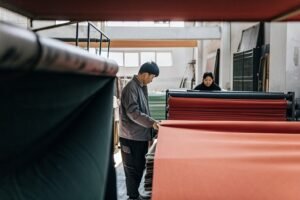
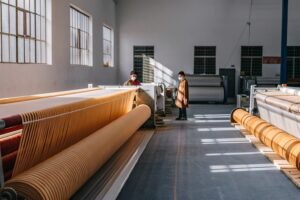
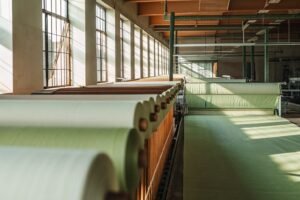
At Shanghai Fumao, embedded in Keqiao’s textile ecosystem, we work with specialized mills that have been weaving these luxurious fabrics for decades. We’ve seen designers triumph and stumble over the same details. This guide will equip you with the practical, insider knowledge to specify, evaluate, and source velvet and jacquard fabrics that look stunning on the hanger and perform flawlessly on the body. Let’s dive into the world of woven luxury.
What Defines True Quality in Velvet Fabrics?
When you run your hand over velvet, you’re feeling its soul. But that lush hand can be deceptive. True quality in velvet is a combination of structural integrity and aesthetic perfection. It’s not just about being soft now; it’s about staying lush, vibrant, and intact after wear, cleaning, and time. The benchmark separates cost-effective party wear from heirloom-quality couture.
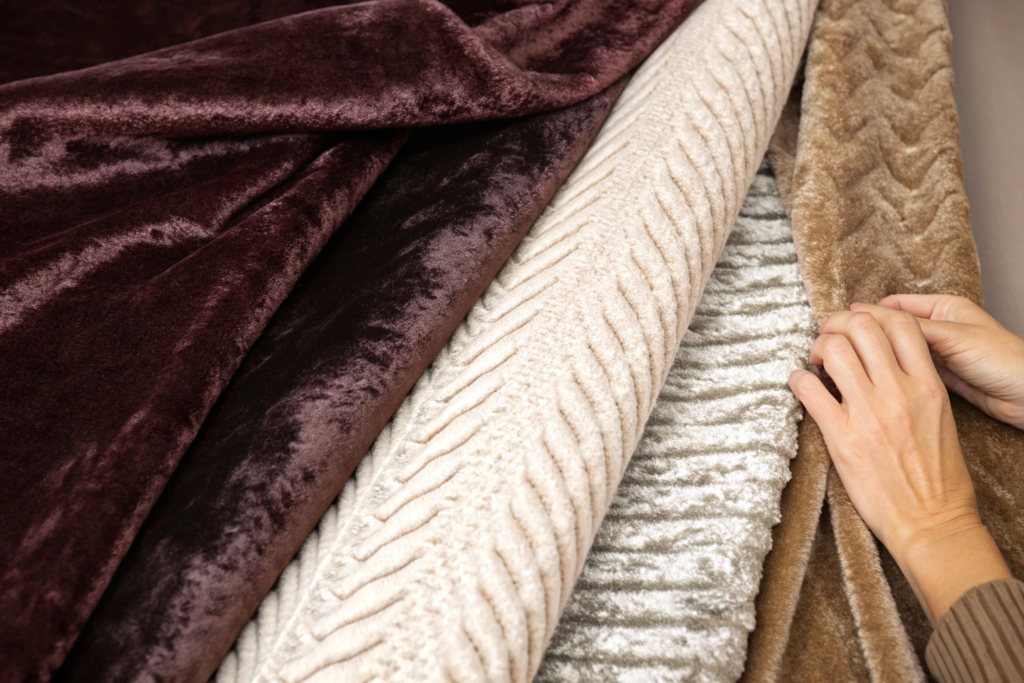
Quality starts with the pile. This is the dense, soft surface of cut fibers. High-quality velvet has a dense, even pile with a high number of tufts per square inch. When you push your hand against the nap, it should spring back immediately without leaving a permanent mark (called "crushing"). The backing, often a plain or twill weave, must be strong and stable to securely anchor each tuft. Finally, the finish—whether it’s left plain, crushed, embossed, or panne—must be consistent and enhance the fabric’s character without weakening it.
How Does Pile Composition (Silk, Polyester, Cotton) Affect Performance?
The fiber that makes up the pile dictates everything: luster, hand, durability, and cost.
- Silk Velvet: The gold standard. It has an unmatched, deep, luminous sheen and a fluid, heavy drape. It’s incredibly luxurious but delicate—prone to water spots and requires dry cleaning. Used for high-end couture and special occasion wear. Blends (e.g., silk-rayon) offer a compromise on cost and care.
- Polyester Velvet: The most common for modern evening wear. It’s durable, colorfast, crush-resistant, and often machine-washable. Modern micro-fiber polyesters can achieve a remarkably soft hand and good luster. It’s the practical choice for garments that need to be worn multiple times. The key is the denier of the polyester fiber—finer denier creates a softer, more luxurious feel.
- Cotton Velvet (Velveteen): Has a matte finish, a softer sheen, and is more breathable. It’s less formal than silk or polyester velvet but offers excellent durability for day-to-evening pieces. It can be heavier and may wrinkle more.
We guided a UK-based boutique brand through a velvet crisis in late 2023. They had sourced a cheap polyester velvet for a holiday dress line, but the pile flattened irreversibly after sitting in packaging. We switched them to a high-density, woven-back polyester velvet with a moisture-wicking finish. The pile recovery was superb, and the added finish prevented static cling—a common issue with synthetics. For luxury applications, understanding the grading system for silk velvet is essential.
What’s the Difference Between Crushed, Panne, and Devoré Velvet?
These are finishing techniques that transform the velvet’s appearance.
- Crushed Velvet: The pile is mechanically twisted and pressed in different directions, creating a patterned, shimmering effect that changes with the light. It’s a great way to add visual interest and hide minor pile imperfections.
- Panne Velvet: The pile is flattened in one direction under high pressure, creating a high-sheen, sleek surface. It has a very smooth, almost wet-look appearance but is less plush.
- Devoré (or Burn-Out) Velvet: A chemical paste is printed onto a velvet made of two fibers (e.g., polyester pile on a rayon ground). Where the paste is applied, the rayon ground dissolves, leaving sheer areas with polyester pile patterns. It creates a dramatic, lace-like effect. The quality lies in the precision of the print and the cleanliness of the burn-out.
For a prominent client’s Fall/Winter collection, we developed a custom crushed velvet with a bi-stretch base for a fitted gown. The challenge was ensuring the crushing process didn’t weaken the stretch properties. Our partnered mill adjusted the heat and pressure settings specifically for the elastic substrate—a detail a general supplier might miss. (Here’s an insider tip: always ask for a wash test on crushed or panne velvet—poor finishing can wash right out.)
How is Jacquard Fabric Woven, and What Should You Look For?
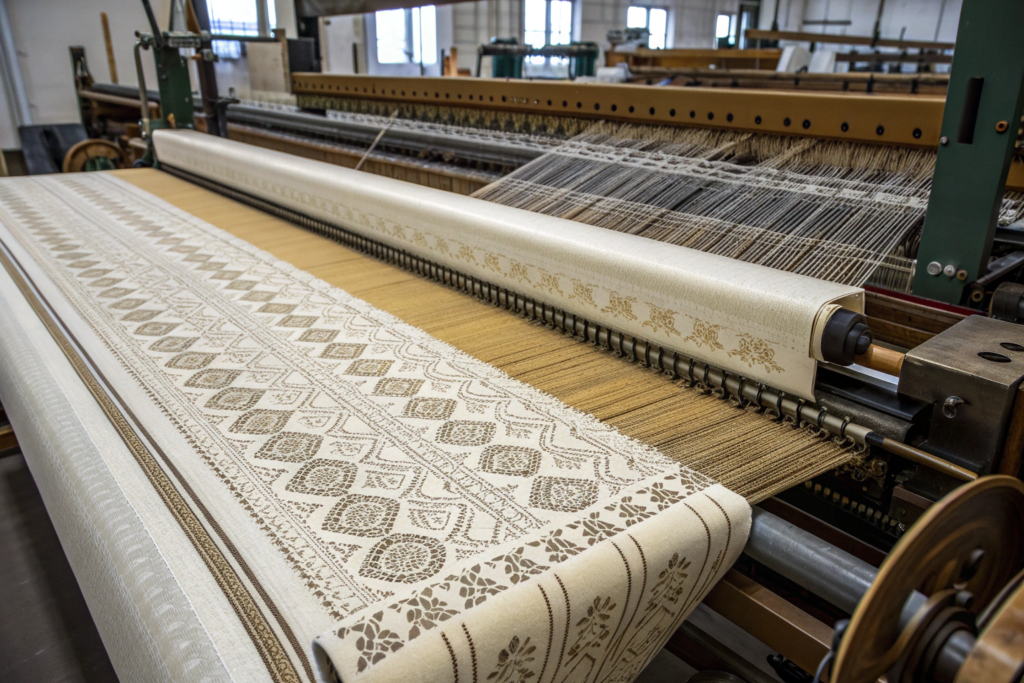
Jacquard is the king of narrative fabrics. Unlike printed patterns, its designs are woven in, creating a textured, often reversible, and inherently luxurious cloth. The magic happens on a jacquard loom, which uses a series of punched cards or electronic commands to individually control thousands of warp threads, allowing for complex, large-scale patterns like damasks, brocades, and tapestries.
When evaluating jacquard, you must look beyond the beautiful pattern. Quality is in the clarity of the design (no blurred edges), the stability of the ground (the fabric shouldn’t distort or bias), and the richness of the texture. A good jacquard has a substantial hand and a pattern that feels integrated, not slapped on. The choice of yarns—matte vs. shiny, thick vs. thin—creates the visual contrast that makes the pattern pop.
Why is the Ground Fabric as Important as the Pattern?
The pattern is the star, but the ground weave is the stage. It must be stable and durable enough to support the often-denser jacquard areas without puckering. Common ground weaves include:
- Plain Weave: Provides a stable, flat base for detailed patterns.
- Satin Weave: Creates a lustrous ground that contrasts beautifully with matte jacquard patterns, adding to the luxury feel (this is classic in damask).
- Twill Weave: Offers a softer drape and is used for heavier jacquards like brocades.
A weak ground will cause the fabric to pull around the jacquard motifs, leading to poor drape and potential seam distortion. We once received a client’s complaint that their jacquard skirt was twisting on the body. The issue wasn’t the cutting; it was an unbalanced plain weave ground that had a latent twist (torque) from the weaving process. Our QC now includes a bias distortion test for all jacquards. Learning about jacquard weave structure and stability can prevent such headaches.
How Do You Assess the Complexity and Repeat of a Jacquard Design?
This is where you gauge the fabric’s sophistication and cost.
- Design Complexity: Measured by the number of warp threads controlled independently. A simple geometric may need a 600-hook loom, while a detailed floral portrait could require 10,000+ hooks. More hooks mean higher cost but greater design capability.
- Pattern Repeat: The vertical and horizontal distance before the design repeats. A large, non-repeating or "free-field" pattern is the pinnacle of jacquard weaving and is extremely costly, as it requires massive digital files and can lead to more waste in garment cutting. For most evening wear, a balanced, manageable repeat (e.g., 24" x 24") is practical.
When a US designer wanted a custom jacquard with their unique Art Deco-inspired motif, our first step was to analyze the design file. We recommended simplifying some line details to make it weavable on a more standard 5000-hook loom without losing the visual impact, saving them over 30% on loom surcharges. Resources like specialist forums for textile designers can help in preparing artwork for weaving.
What are the Best Fiber Blends for Drape, Sheen, and Durability?
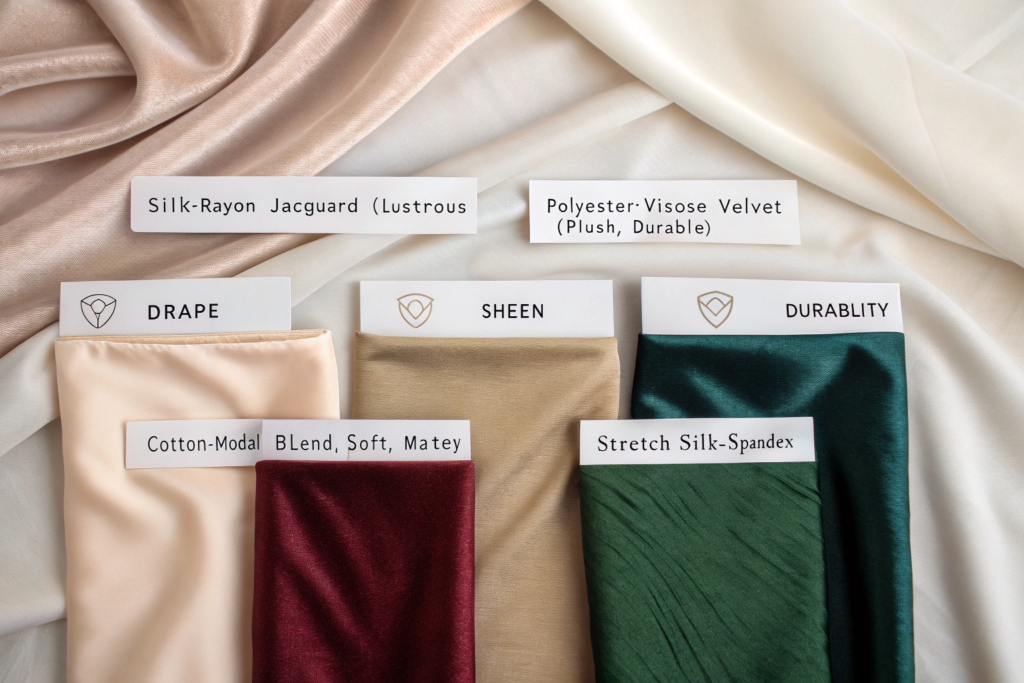
Evening wear fabrics must perform a triple act: they must drape like a dream, shine under the lights, and survive the evening without snagging or wrinkling. Rarely does a single natural fiber achieve all three perfectly, which is why blends are the secret weapon of luxury fabric sourcing.
The goal is to combine the best properties of multiple fibers. You might pair the luminous drape of silk with the strength and affordability of polyester, or the rich matte texture of cotton with the stretch and recovery of elastane for a modern fit. The art is in the percentage—a 5% shift in blend can change the hand and performance dramatically.
Which Blends Create the Most Luxurious Drape for Gowns?
For flowing gowns and skirts, drape is paramount. This is governed by the fiber’s weight, flexibility, and the fabric’s construction.
- Silk-Viscose/Rayon Blends: This is a powerhouse combination. Silk provides incomparable smoothness and sheen, while viscose adds weight, fluidity, and makes the fabric more affordable. A 70% Viscose / 30% Silk jacquard can offer 90% of the drape of pure silk at a fraction of the cost. (This is our most requested blend for statement evening wear).
- Polyester-Microfiber Blends: Don’t underestimate modern polyesters. Fine micro-denier polyester filaments can be woven into fabrics with a beautiful, fluid drape and a soft, peach-skin hand. They offer excellent color vibrancy and wrinkle resistance.
- Stretch Blends (e.g., Polyester-Spandex Velvet): Adding 3-5% elastane to the ground weave of a velvet or jacquard creates "comfort stretch." This allows for closer, more body-conscious silhouettes without compromising the luxurious look, a trend dominating modern red-carpet fashion.
A client from Dubai needed a fabric for a bespoke abaya that was both modestly voluminous and moved gracefully. We proposed a custom jacquard in a silk-modal blend. The modal (a type of rayon) added exceptional moisture absorption and a heavier, flowing drape than viscose alone, perfect for their climate and requirement.
How to Balance Cost with Quality in Synthetic-Natural Blends?
Pure silk is glorious but expensive and delicate. 100% polyester is durable and cheap but can look cheap. The sweet spot is a strategic blend.
- The "Face Fiber" Trick: Use the luxurious fiber (silk, cotton) for the part that matters most. In velvet, that’s the pile. A cotton-back polyester-pile velvet gives you the durable, shiny pile you want with a breathable, natural back for comfort.
- The "Performance Enhancer" Blend: Use a small amount of synthetic to boost a natural fiber’s weakness. A 92% Silk, 8% Nylon blend for jacquard dramatically increases the fabric’s abrasion and tear resistance without significantly altering the silk’s hand or luster.
- The "Affordable Luxury" Blend: Rayon (Viscose) blended with Acetate or Polyester can mimic the drape and sheen of silk very effectively for mid-market brands. The key is the quality of the rayon yarn.
We helped an Australian eveningwear brand pivot from pure silk to blends. Their $2000 gowns were stunning but had a 15% return rate due to water spotting and seam slippage. By moving to a 75% Silk, 25% Polyester blend for their core jacquard, they reduced returns to under 5%, lowered fabric cost by 40%, and customers couldn’t tell the difference in look or feel. Researching innovations in luxury fiber blending keeps you ahead of such solutions.
How to Navigate Sampling and MOQs for Custom Luxury Fabrics?
This is where dreams meet reality. You want a custom crushed velvet in a specific jewel tone with a stretch base, or a jacquard with your exclusive design. The sampling process and Minimum Order Quantities (MOQs) for such fabrics are a world apart from ordering stock fabrics. Understanding this process is critical to managing your budget, timeline, and expectations.
Custom development is an investment. You’re paying for the mill’s time to set up looms, create new dye recipes, and engineer finishes. A professional supplier will guide you through a staged sampling process to mitigate risk and cost. Expect to pay for each sample stage, and understand that MOQs for custom wovens are typically measured in hundreds of meters per colorway, not tens.
What is a Realistic Sampling Process for Custom Velvet/Jacquard?
A transparent supplier will break it down clearly:
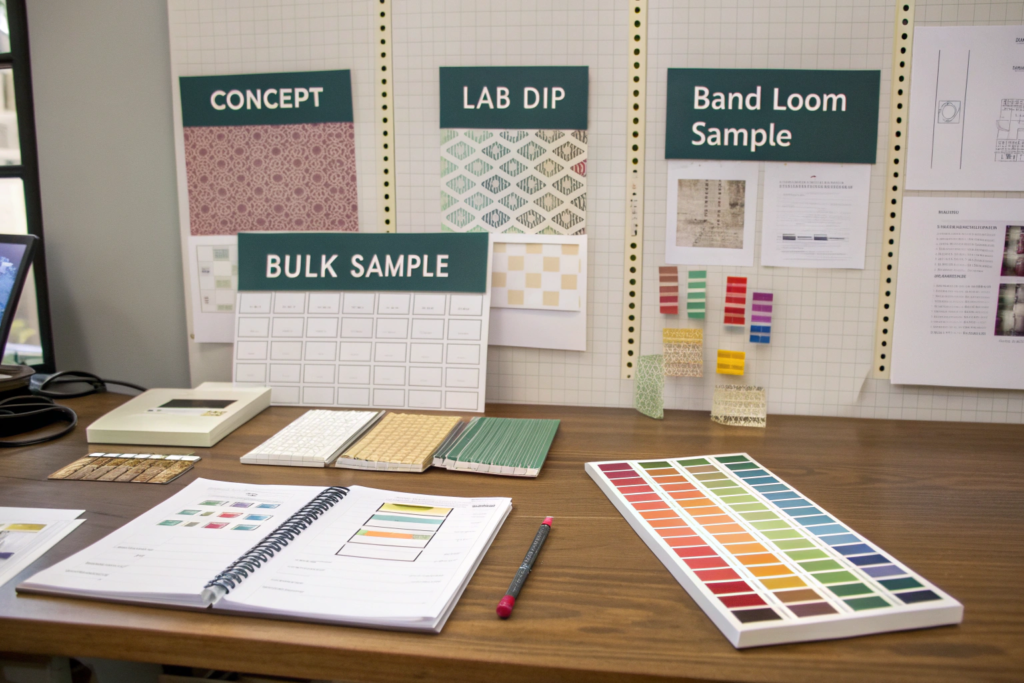
- Lab Dip / Color Match Sample: This is first. You provide a Pantone or physical standard. The mill dyes small yarn skeins or fabric swatches to match it. There may be 2-3 rounds of correction. Approval here locks the color formula.
- Hand Loom Sample (For Jacquard): A small, narrow piece (often 30cm x 50cm) woven on a sample loom to check the pattern, scale, and texture before committing to the massive bulk loom setup. This is non-negotiable for custom jacquard.
- Bulk/Production Sample: Once the lab dip and hand loom are approved, the mill will set up the production loom and run a small quantity (e.g., 50-100 meters). You receive a 1-meter cut from this run. This sample confirms everything: color on the actual fabric, full pattern, hand, weight, and finish. This is your final "go/no-go" checkpoint before the full MOQ is produced.
For a custom burnout velvet last season, we managed this process for a French brand. The lab dip took two rounds. The bulk sample revealed the burnout effect was slightly too sharp, making the fabric prone to tearing at the pattern edges. We adjusted the chemical concentration and provided a second bulk sample, which was perfect. This extra step prevented a 2000-meter disaster.
How to Negotiate MOQs and Manage Inventory Risk?
MOQs exist because of the high setup cost. A typical custom woven velvet or jacquard MOQ can be 300-500 meters per color/design. Here’s how to strategize:
- Consolidate Color Palettes: Work within the mill’s standard color palette if possible, as "stock color" MOQs are much lower.
- Explore "Stock Custom" Programs: Some mills, like our partners, offer a range of exclusive base designs that can be customized with your color at a lower MOQ (e.g., 100m).
- Order Un-dyed (Grey) Goods: For jacquards with a versatile pattern, you can order the full MOQ in grey fabric and then piece-dye it later in smaller batches as needed. This requires careful inventory planning.
- Be Clear on Re-order Lead Times: Once the loom is set up, re-orders are faster and sometimes have lower MOQs. Factor this into your initial quantity decision.
The most important thing is partnership. At Shanghai Fumao, we often act as a buffer for our smaller designer clients. We might aggregate several clients’ needs for a similar base fabric to meet the mill’s MOQ, then customize finishes or colors separately. This is the advantage of working with a trading company with deep mill relationships. Reading guides on managing fashion production MOQs can provide broader business context.
Conclusion
Sourcing velvet and jacquard for evening wear is a journey into the deep craft of textiles. It demands an eye for detail that goes beyond aesthetics to understand pile density, weave stability, fiber synergy, and the realities of custom production. The most successful designers are those who partner with suppliers who are not just vendors, but translators and guides—entities that can interpret a creative vision into precise technical specifications and then execute them with consistency.
Remember, the fabric is the foundation of the garment’s emotion. A well-sourced velvet or jacquard doesn’t just clothe the body; it creates an experience of luxury, confidence, and drama. It’s an investment that pays dividends in customer delight and brand reputation.
If you’re ready to elevate your evening wear collection with fabrics that are as meticulously crafted as your designs, we invite you to collaborate with us. At Shanghai Fumao, we bridge the gap between your creative vision and the specialized mills of Keqiao. Let us handle the complexities of sourcing, development, and quality assurance, so you can focus on design. Contact our Business Director Elaine at elaine@fumaoclothing.com to begin developing the luxurious fabrics your next line deserves.