I've been in this industry long enough to remember when the question of blazer fabrics was simple. Worsted wool for formal, tweed for country, maybe a nice linen for summer. But every few years, someone asks me if we can make a structured blazer from knit fabric. They love the comfort of knits and want to translate that to tailoring. And every time, after explaining why it won't work, I end up showing them what makes woven fabrics irreplaceable for this most essential garment.
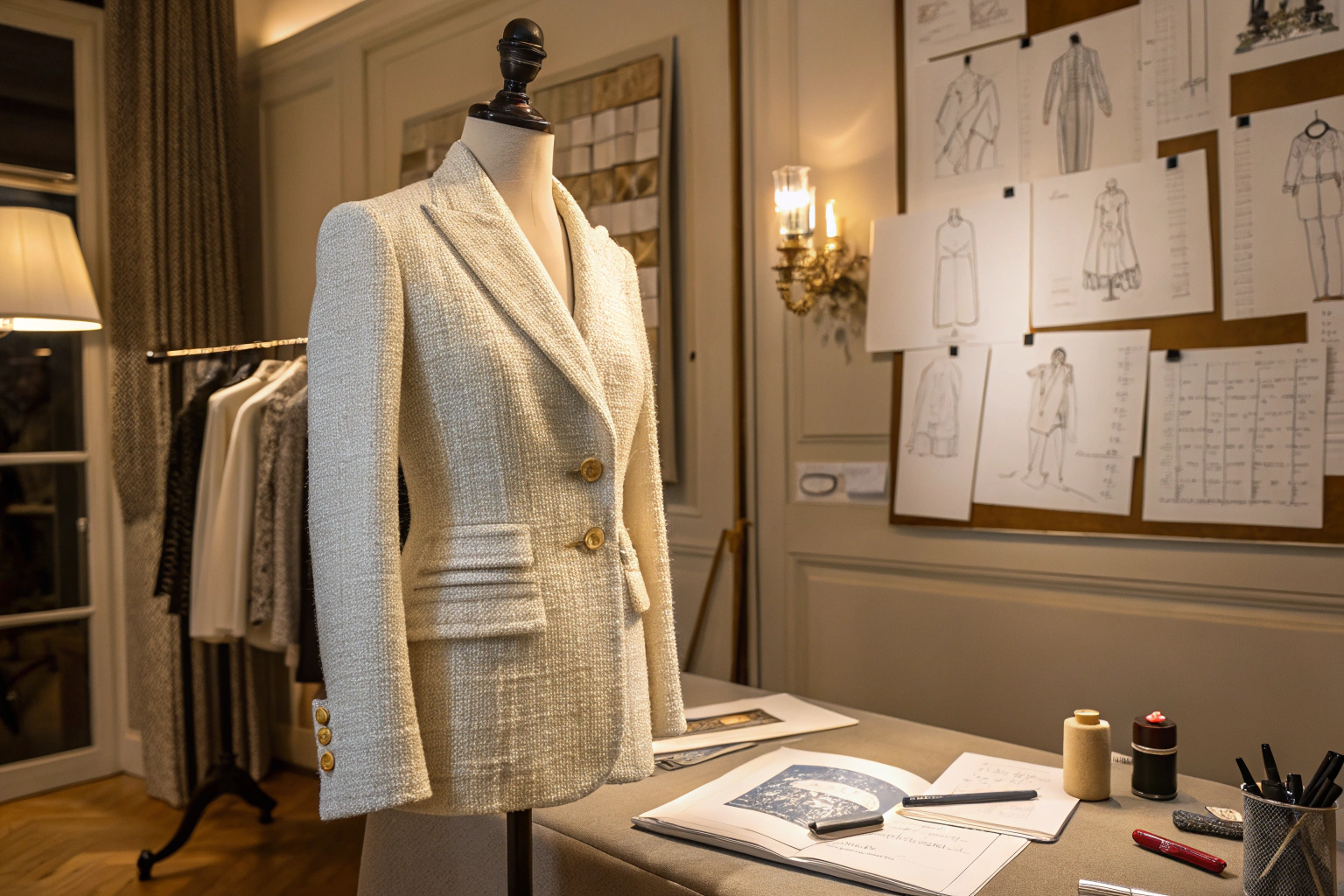
Here's the straightforward answer: woven fabrics are ideal for structured blazers because they provide the architectural foundation that tailoring requires. The interlaced construction creates dimensional stability, holds pressing and shaping, accepts interfacing and canvassing, and maintains silhouette through hours of wear. A blazer isn't just clothing—it's engineering, and woven fabric is the essential material that makes that engineering possible.
Let me walk you through exactly why woven fabrics dominate the blazer category, what specific constructions work best for different styles, and how 2026 trends are influencing the choices designers are making. Whether you're creating classic business wear or modern relaxed tailoring, understanding these principles will help you select the right fabric.
What Structural Properties Make Wovens Essential for Tailoring?
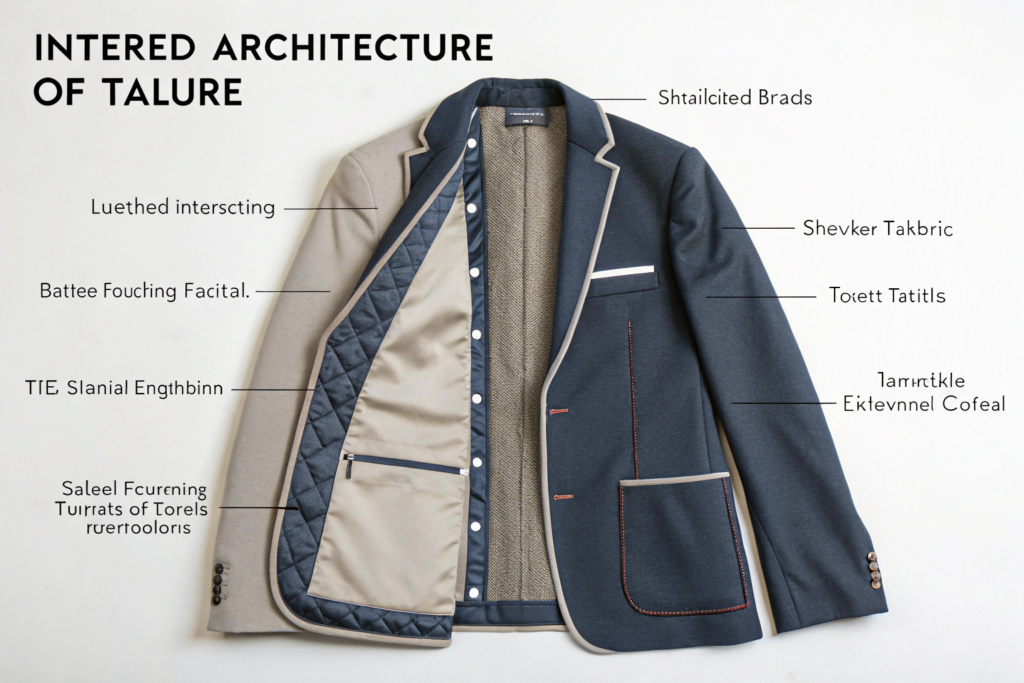
The magic of a well-made blazer happens beneath the surface. The visible fabric is just the beginning—what makes it hold its shape is the interaction between that fabric and the internal structure.
Woven fabrics provide dimensional stability that knits simply cannot match. The interlaced warp and weft yarns create a grid that resists stretching and distortion. When a tailor applies interfacing to a woven, the two materials work together—the interfacing provides shape, the woven provides stability. With a knit, the fabric's natural give fights against the interfacing's structure, creating tension and eventual distortion.
Pressing and shaping are fundamental to tailoring. A blazer's lapels, collar, and chest are shaped through precise application of heat and steam. Woven fabrics accept and hold these shapes because the yarns are locked in place by the weave. Knits, with their looped construction, relax back toward their original shape, losing the crisp edges that define good tailoring.
Canvassing—the internal structure that gives a blazer its chest shape—requires a stable foundation. The canvas is hand-stitched or fused to the outer fabric, and that bond must hold for the garment's life. Woven fabrics provide the grip and stability that keep canvas in place. Knits would allow the canvas to shift and pucker.
A Neapolitan tailor once showed me the difference by holding up a woven and a knit, then applying the same pressing technique. The woven held a sharp crease; the knit relaxed within seconds. "This is why we use woven," he said. "The fabric must remember what we teach it."
How Do Different Weave Structures Affect Blazer Performance?
Not all wovens are created equal. The specific weave dramatically affects how the fabric performs in tailoring.
Twill weaves dominate the blazer category for good reason. The diagonal rib structure provides excellent durability, hides wrinkles, and drapes beautifully. A 2x2 twill (like in classic serge) offers balanced performance. A herringbone twill adds visual interest while maintaining structural integrity. For most blazer applications, twill is the default choice.
Plain weaves (like broadcloth or poplin) can work for lightweight blazers but lack the body of twill. They're more prone to wrinkling and don't hold shape as well. For unconstructed or soft blazers, plain weaves can work; for structured tailoring, they're usually too flimsy.
Satin weaves appear in evening wear and luxury blazers. The long floats create luster and smoothness but reduce durability. A satin blazer is for special occasions, not daily wear. The structure is there, but it's more delicate.
Basket weaves and hopsack offer texture with stability. The open construction breathes well (good for summer) while maintaining enough structure for light tailoring. A hopsack blazer is a classic warm-weather option.
The weave density matters as much as the pattern. A tightly woven fabric (high thread count) provides more structure and durability. A loosely woven fabric drapes more softly but may not hold shape as well. Tailors select density based on the desired silhouette.
A German brand that supplies fabric to luxury tailors offers the same wool in three weave densities: tight for structured business wear, medium for versatile use, and loose for soft, casual blazers. The same fiber, completely different performance.
What Role Does Yarn Selection Play in Blazer Fabrics?
Yarn choice is as important as weave. The fibers and how they're spun determine the fabric's hand, durability, and behavior.
Worsted yarns are the classic choice for formal blazers. The fibers are combed to lie parallel before spinning, creating smooth, strong yarns that produce crisp, durable fabric. Worsted wool blazers hold a crease beautifully and resist pilling. They're the standard for business wear.
Woolen yarns create softer, fuzzier fabrics like tweed and flannel. The fibers are less aligned, creating air pockets that add warmth and softness. Woolen blazers have a more casual, textured appearance and softer hand. They sacrifice some crispness for character.
Two-ply yarns are essential for quality blazers. When two yarns are twisted together, the resulting fabric is stronger, more stable, and more durable than single-ply. A two-ply blazer fabric will resist bagging at elbows and seat, maintain its appearance longer, and justify its higher price.
High-twist yarns add resilience and wrinkle resistance. The tighter twist creates yarns that want to return to their original position, helping the fabric resist creasing. For travel blazers or high-performance tailoring, high-twist wools (like those used in "crisp" tropical weights) are ideal.
Fiber blends expand possibilities. Wool-polyester blends add durability and wrinkle resistance. Wool-silk blends add luster and luxury. Wool-cashmere blends add softness and warmth. Each blend shifts the fabric's performance and appropriate use.
A Japanese mill we work with spins a proprietary high-twist worsted yarn that's incredibly resilient. Blazers made from this fabric can be packed in a suitcase, hung up, and look fresh within hours. It's become a favorite for travelwear brands.
What Woven Fabrics Work Best for Different Blazer Styles?
The perfect blazer fabric depends entirely on the intended use. Here's what works for different categories.
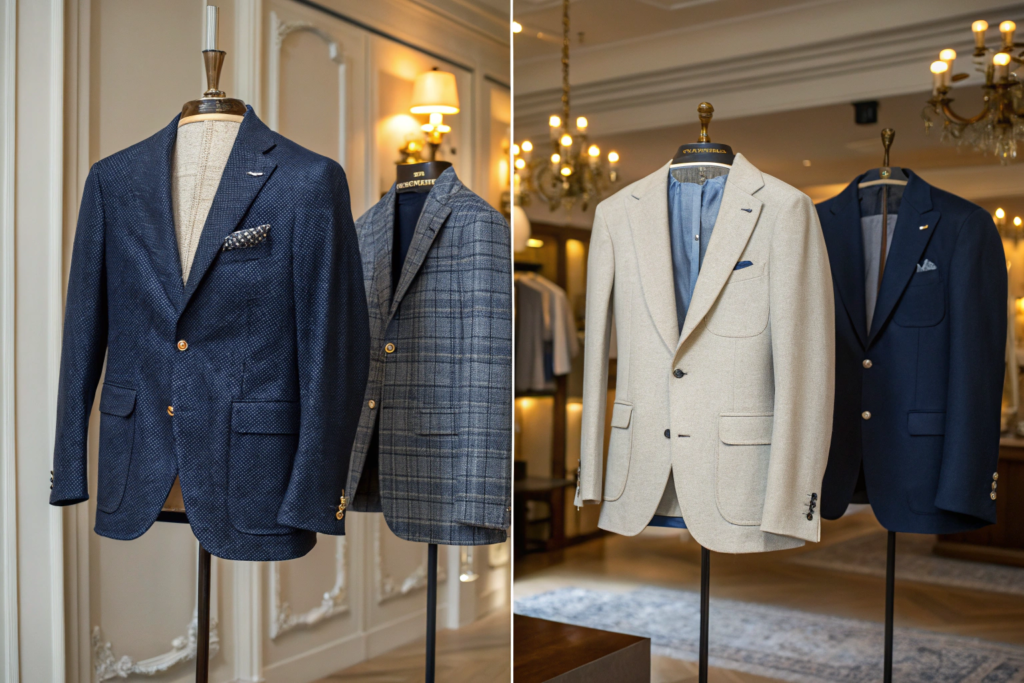
For classic business blazers (worn with matching trousers, in corporate environments), fine worsted wool is the standard. A 220-260 gram weight (7-9 oz) works year-round in temperate climates. Navy, charcoal, and medium gray dominate. Twill weave is most common, with subtle herringbone or birdseye patterns adding interest without distraction. These fabrics must hold a crease, resist wrinkling, and wear well through long days.
For sport coats and blazers worn as separates, the options expand dramatically. Tweed in its many variations (Harris, Donegal, herringbone) offers texture, warmth, and casual sophistication. Flannel provides softness and a slightly relaxed appearance. Cashmere blends add luxury. These fabrics can be heavier (300-400 grams) and more textured, celebrating rather than hiding their character.
For evening wear and formal occasions, luxurious fabrics take center stage. Barathea (a fine twill) is the classic for dinner jackets. Velvet adds drama and texture. Satin-faced fabrics create luster and elegance. These are special-occasion fabrics, chosen for appearance over durability.
For summer blazers, lightweight fabrics keep their cool. Fresco (a porous, high-twist wool) breathes exceptionally well while maintaining structure. Linen offers natural texture and breathability but wrinkles characteristically. Cotton twill or gabardine provides a crisp alternative. These fabrics typically weigh 180-220 grams (6-8 oz).
A Milanese brand offers blazers in six distinct fabric categories, from formal business to casual weekend. Each has a dedicated customer who knows exactly what they want. The common thread: all are woven.
Why Is Worsted Wool the Gold Standard for Business Blazers?
Worsted wool has dominated business tailoring for over a century, and for good reason.
Durability is exceptional. The combed, parallel fibers create yarns that resist abrasion and maintain strength. A good worsted wool blazer can be worn weekly for years and still look professional. The fabric doesn't bag at elbows or seat, doesn't pill excessively, and holds its color.
Crease retention means the garment stays crisp. The pressed-in creases on sleeves, the shape of the lapels, the structure of the collar—all hold because the fabric accepts and remembers heat shaping. A worsted blazer that's been properly pressed will look fresh all day.
Wrinkle resistance, while not perfect, is good. The smooth surface and balanced construction mean that minor wrinkles hang out overnight. A worsted blazer can be worn multiple days between pressings with only a proper hanging to refresh it.
Breathability keeps the wearer comfortable. Wool naturally regulates temperature and moisture, making worsted suitable for year-round wear in climate-controlled environments. The fabric breathes, preventing the clamminess of synthetics.
The appearance is appropriately formal. The smooth, even surface of worsted wool reads as serious and professional. It's the fabric equivalent of a well-chosen words—understated, confident, correct.
A London tailor told me: "A man in a worsted wool blazer looks like he means business. The fabric itself commands respect." That's why it remains the standard.
How Do Summer Blazer Fabrics Maintain Structure in Light Weights?
Summer blazers present a challenge: they must be lightweight enough for warm weather but structured enough to look like blazers. The solution lies in clever fabric engineering.
High-twist wools (like those used in Fresco) achieve structure through yarn engineering, not weight. The tightly twisted yarns are naturally resilient, creating fabric that springs back into shape even when very lightweight (180-200 grams). The open weave allows air circulation while the twisted yarns maintain integrity.
Linen blends add structure through blending. Pure linen can be too floppy for tailored blazers. But linen blended with wool (say, 50/50) gains wool's resilience while retaining linen's breathability and texture. The wool provides the structure; the linen provides the coolness.
Cotton can work for unstructured summer blazers. A tightly woven cotton twill or gabardine has enough body for light tailoring, especially when combined with a canvas chest piece. Cotton blazers are inherently more casual but can be appropriate for summer events.
The internal construction adapts too. Summer blazers often use lighter canvasing, fewer layers, and more breathable materials. The outer fabric works with this lighter structure to create a garment that's comfortable in heat but still reads as a blazer.
A Neapolitan brand is famous for their "unconstructed" summer blazers. The woven fabric is lightweight but carefully chosen for its natural body. Minimal internal structure lets the fabric drape and breathe while the weave provides enough shape to read as tailoring. It's a masterclass in letting the fabric do the work.
What 2026 Trends Are Influencing Blazer Fabric Selection?
Blazer trends for 2026 reflect broader shifts in how men dress and what they value. The fabric choices reflect these changes.
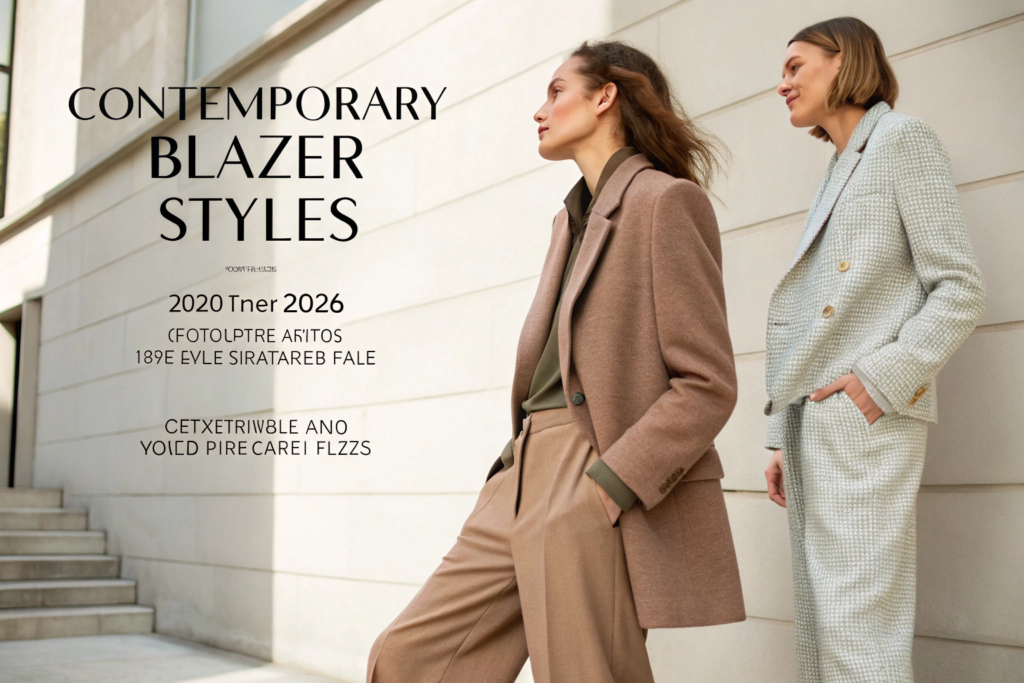
Relaxed tailoring continues to grow. The stiff, heavily structured blazer of previous decades is giving way to softer silhouettes. This doesn't mean knits—it means lighter canvases, less interlining, and fabrics with natural drape. Worsted wools in lighter weights, soft flannels, and fluid wool-cashmere blends are replacing rigid constructions. The blazer remains structured, but the structure comes more from the fabric and less from internal armor.
Texture is replacing pattern as a source of visual interest. Instead of bold patterns, designers are choosing fabrics with dimensional texture—hopsack, basket weave, herringbone, donegal with its colored neps. These textures add richness without shouting. They reward close attention while remaining appropriate for professional settings.
Earth tones are gaining ground on traditional blues and grays. Terracotta, sage, warm brown, and olive are appearing in blazer collections. These colors feel fresh and modern while remaining versatile. They work with the textured fabrics that define the season.
Sustainability is influencing fiber choice. Recycled wool, responsibly sourced new wool, and wool from regenerative farms are increasingly specified. The sustainability story matters to consumers, and blazers—as long-term investments—are particularly suited to responsible sourcing.
Versatility is prized. The 2026 blazer needs to work with jeans on Friday and trousers on Monday. Fabrics that bridge contexts—not too formal, not too casual—are winning. Mid-weight worsteds in versatile colors, textured fabrics that read as elevated casual, and blends that travel well all fit this trend.
A New York buyer told me: "The blazer isn't going away, but it's changing. Men want the polish without the stiffness. The right fabric delivers that."
How Is Sustainability Affecting Blazer Fabric Choices?
Sustainability in blazer fabrics has moved from niche to mainstream.
Wool's natural advantages are being rediscovered. Wool is renewable, biodegradable, and durable—a garment that lasts years is inherently more sustainable than one that doesn't. Brands are emphasizing these natural benefits rather than treating wool as a commodity.
Certified responsible wool is growing. ZQ, RWS (Responsible Wool Standard), and other certifications verify that wool comes from farms meeting animal welfare and land management standards. For premium blazers, these certifications are becoming expected.
Recycled wool is appearing in more collections. Post-industrial wool waste (from cutting room floors) and post-consumer wool garments are being recycled into new fabrics. The quality has improved dramatically—recycled wool no longer means scratchy and coarse. For casual blazers, recycled wool offers sustainability without compromise.
Blends with recycled synthetics add performance. A wool-recycled polyester blend can offer the best of both: wool's natural benefits plus polyester's durability and easy care. The recycled content adds sustainability credentials.
Traceability is becoming a selling point. Some brands now offer QR codes that show where the wool was grown, how it was processed, and the journey to finished blazer. This transparency builds trust and justifies premium pricing.
A Dutch brand's blazer collection features RWS-certified wool, recycled polyester in blends, and full traceability documentation. Their customers pay premium prices willingly, knowing exactly what they're buying.
What Colors and Patterns Are Trending for 2026 Blazers?
Color trends for blazers are moving in interesting directions.
Earth tones lead the way. Warm browns, terracotta, sage green, and olive are appearing alongside traditional navy and gray. These colors feel modern and grounded, connecting to broader cultural shifts toward authenticity and nature. A sage green wool blazer in a textured weave is one of the most requested items we're seeing.
Navy remains essential but evolves. Classic navy is joined by "midnight" (almost black) and "ink" (with green undertones). These subtle variations offer distinction without departing from navy's versatility.
Gray expands beyond charcoal and medium. Warm grays with brown undertones, cool grays with blue undertones, and "greige" (gray-beige) offer variety. Donegal-style grays with colored neps add texture.
Patterns are subtle. Windowpane in quiet colors, chalk stripes in tone-on-tone, glen plaid in understated combinations. The pattern is there for those who look closely, not shouting for attention.
Texture provides the interest that color alone once did. A plain navy blazer in a hopsack weave reads as more interesting than a plain navy in smooth finish. The texture catches light and adds dimension without adding pattern.
A Japanese brand's best-selling blazer for 2026 is a sage green hopsack wool. No pattern, just texture and color. It's selling out because it feels fresh without being trendy.
How Do Woven Blazer Fabrics Compare to Knit Alternatives?
Every few years, someone tries to make a "knit blazer" work. The idea is appealing—blazer style with knit comfort. But the results consistently fall short, and understanding why clarifies what wovens do best.
Structure is the fundamental difference. A woven blazer holds its shape because the fabric itself is stable. The lapels lie flat, the collar stands properly, the shoulders maintain their line. A knit blazer, even with internal reinforcement, will eventually relax. The lapels curl, the collar softens, the shoulders round. The fabric's inherent give fights against the tailoring.
Pressing and shaping are impossible with knits. The crisp edge of a lapel, the roll of a collar, the shape of a sleeve head—all achieved through precise pressing that knits won't hold. A knit blazer looks like a sweater trying to be a blazer, because that's exactly what it is.
Durability differs dramatically. Woven blazers wear evenly, with the fabric surface gradually developing a subtle patina. Knit blazers in high-friction areas (elbows, under arms) will pill and stretch. The elbows bag, the seat stretches, the whole garment loses shape.
Comfort is where knits have an advantage, but woven technology has narrowed the gap. Modern woven blazers in soft, lightweight fabrics with appropriate construction are far more comfortable than their predecessors. They move with the body more, breathe better, and feel less restrictive.
A client who tried knit blazers for two seasons returned to woven. "They were comfortable for about three wears," he said. "Then they looked like I'd slept in them for a month." The comfort didn't justify the appearance.
What About "Stretch Wovens" for Blazers?
Stretch wovens offer a compromise between traditional woven stability and knit comfort.
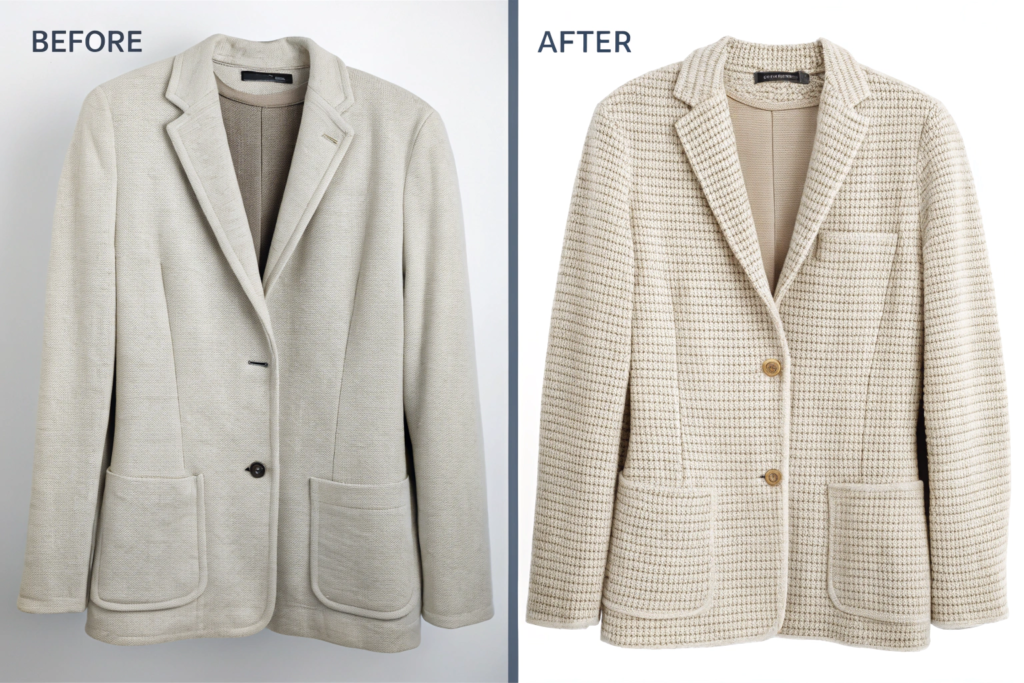
These fabrics use spandex-core yarns in either the warp or weft (or both) to add a small amount of give—typically 5-15% stretch. This added flexibility makes the blazer more comfortable during movement without sacrificing the woven structure that makes tailoring possible.
The key is balance. Too much spandex (over 5-8%) and the fabric starts to behave like a knit, losing its ability to hold shape. Too little and you don't notice the difference. The sweet spot for blazers is typically 2-4% spandex—enough for comfort, not enough to compromise tailoring.
Stretch wovens are particularly popular for travel blazers and garments for active lifestyles. The added give accommodates movement during long flights, commutes, and active days. When the wearer sits, the fabric gives slightly; when they stand, it recovers.
The limitation is that stretch wovens still can't match the full range of motion that knits provide. They're a compromise, not a solution. For most blazer applications, the traditional woven approach with careful fit remains superior.
A German brand's bestselling blazer uses a 98% wool, 2% spandex woven. The spandex is barely noticeable in the hand but makes a real difference in comfort during all-day wear. It's become their signature.
Can Knits Ever Work for Blazer-Style Garments?
Knits can work for blazer-inspired garments—just not for actual blazers.
A "knit jacket" or "cardigan with tailoring details" can be a perfectly good garment. It just isn't a blazer. The difference matters: a blazer has structure that comes from fabric and construction working together. A knit jacket has softness that comes from the fabric itself.
For casual settings, a fine-gauge knit in a blazer-like shape can work well. Think of it as an elevated cardigan—comfortable, soft, and appropriate for relaxed environments. But it won't replace a blazer for occasions that require actual tailoring.
Some designers are creating hybrid garments with knit bodies and woven details—woven lapels, woven pocket flaps, woven trim. These can be interesting, but they highlight rather than hide the limitations of knits for tailoring.
A Scandinavian brand offers a "knit blazer" that's really a heavy cardigan with a notched collar. It's a lovely garment, comfortable and stylish. But it's not a blazer, and they don't pretend it is. That honesty serves them well.
Conclusion
Woven fabrics are ideal for structured blazers because they provide what tailoring requires: stability, shape retention, pressability, and durability. The interlaced construction creates a foundation that internal structure can build upon, resulting in garments that look professional, wear well, and last for years.
The specific fabric choice depends on the blazer's intended use. For business wear, fine worsted wool in twill weaves remains the standard. For casual sport coats, textured fabrics like tweed, flannel, and hopsack offer character and versatility. For summer, lightweight wools, linen blends, and cottons keep their cool. For evening, luxurious satins and barathea provide appropriate elegance.
Trends for 2026 point toward relaxed tailoring, textured fabrics, earth tones, and sustainable sourcing. The blazer isn't disappearing—it's evolving. But at its core, it remains a woven garment because only wovens can deliver what a blazer promises.
At Shanghai Fumao, we supply woven fabrics to blazer makers around the world. Our worsted wools come from premium mills with RWS certification. Our blends incorporate recycled fibers and sustainable materials. Our range includes everything from classic navy twill to contemporary textured hopsack in earth tones.
We understand that a blazer is an investment—for the maker and for the wearer. The fabric must justify that investment through performance, durability, and lasting beauty. That's what we deliver.
Whether you're creating a traditional business collection, a contemporary casual line, or something entirely new, we have the woven fabrics that will make your blazers exceptional.
Contact our Business Director, Elaine, today to discuss your blazer fabric needs. She and her team will guide you through our woven options, provide samples for evaluation, and ensure your blazers meet the highest standards of quality and style. Email her directly at: elaine@fumaoclothing.com. Let's create blazers that stand the test of time.