I've watched too many promising brands fail because they misunderstood this fundamental truth: top quality isn't just about how fabric looks or feels—it's about what it doesn't contain. A garment can be made from the most luxurious Egyptian cotton, stitched with perfect seam allowances, and finished impeccably, but if it fails a chemical safety test at customs or in a retail lab, it becomes worthless inventory overnight. In today's market, quality and safety are inseparable. You cannot have one without the other.
This is where OEKO-TEX® certification shifts from being a "nice-to-have" marketing badge to the non-negotiable foundation of modern quality manufacturing. It's the technical backbone that ensures your beautiful garment won't harm the wearer, damage your brand's reputation, or destroy your profit margins with recalls. For manufacturers and brands committed to true quality, it's the most objective, globally recognized system to verify that every component in your supply chain meets stringent human-ecological safety standards.
Let me be blunt: if you're investing in high-grade sewing equipment, skilled pattern makers, and premium trims but skipping on chemical compliance verification, you're building a beautiful house on sand. The first regulatory wave will wash it away. True quality manufacturing is about managing all risks—not just the visible ones. OEKO-TEX provides the critical framework to manage the invisible chemical risks that are often the most damaging.
How Does OEKO-TEX Define "Safety" in a Way That Impacts Quality?
When we talk about "safety" in textiles, we're not just talking about avoiding acute poisoning. We're talking about chronic, long-term human-ecological safety—the kind that builds consumer trust over decades. OEKO-TEX's definition is comprehensive and proactive, going far beyond basic legal requirements.
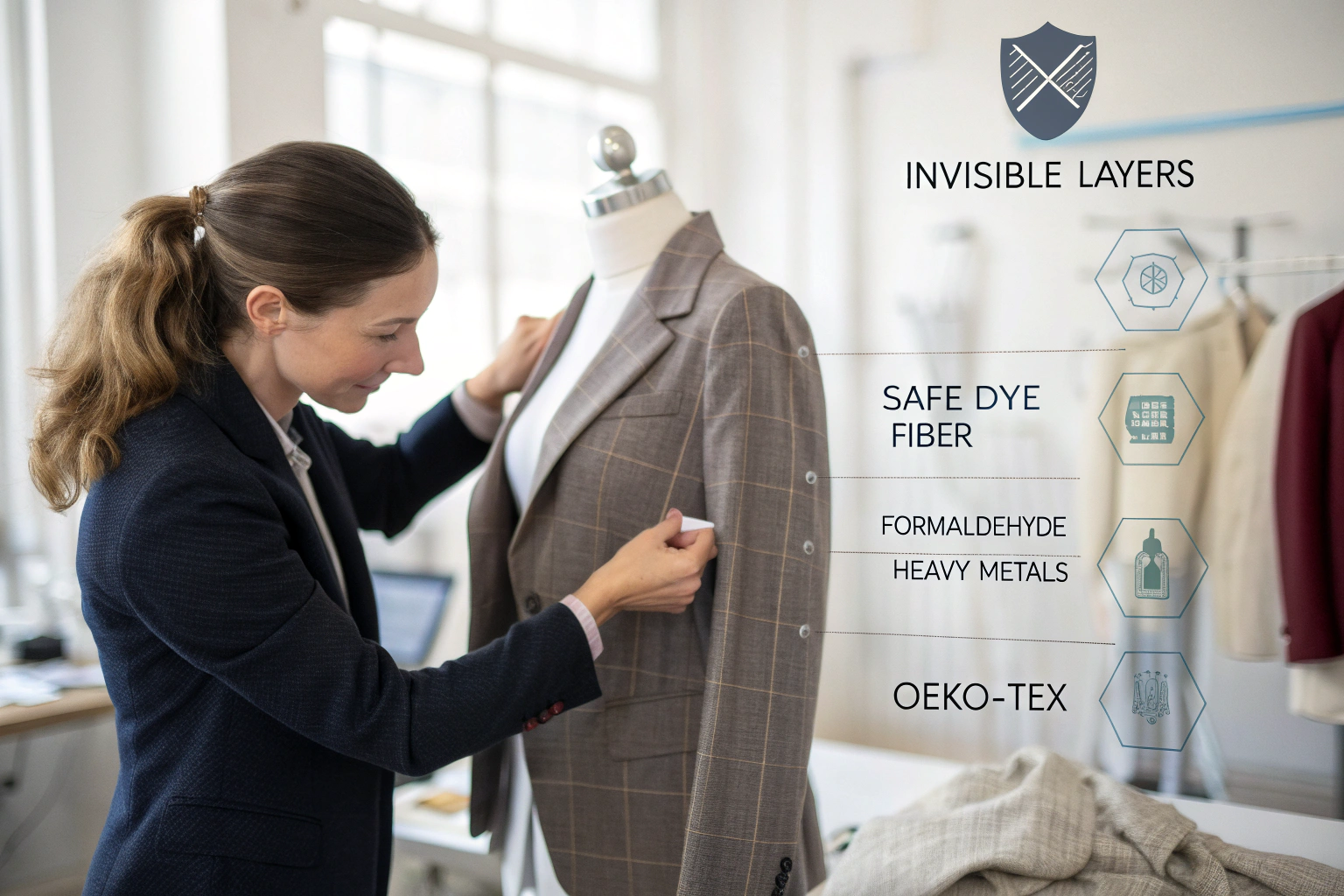
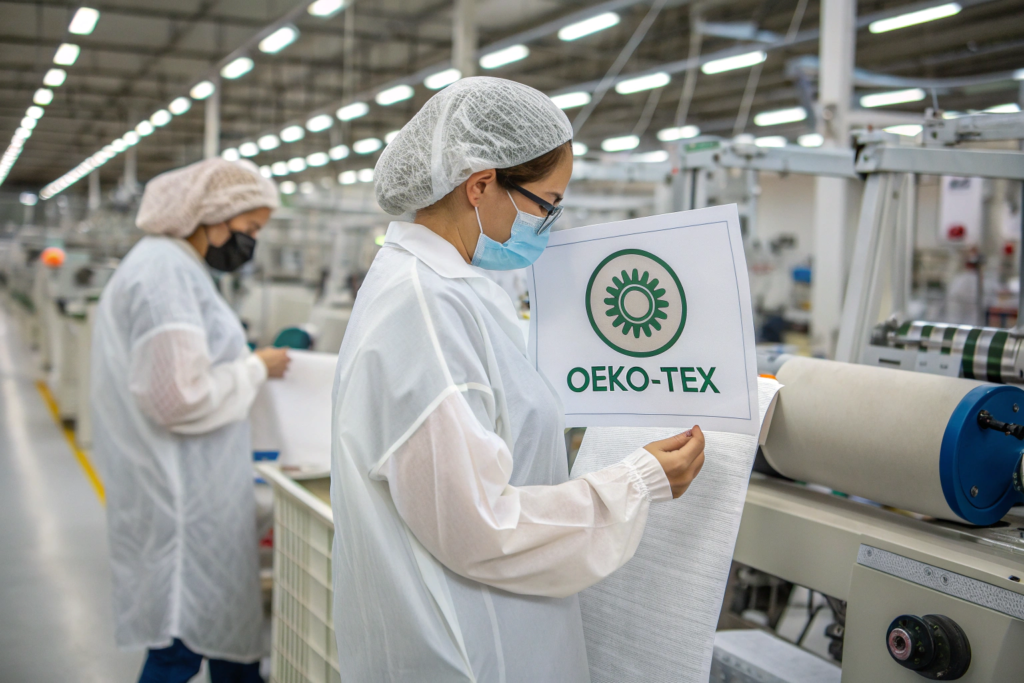
The STANDARD 100 standard tests for over 100 individual regulated and unregulated harmful substance groups. This includes the obvious ones like illegal azo dyes or formaldehyde, but also substances that are still legally allowed in some regions but are scientifically questionable, such as certain heavy metals, pesticides, allergenic dye stuffs, and volatile compounds. For a quality-focused manufacturer, this means your product is not just compliant today but is future-proofed against tomorrow's regulations. It's a quality mindset that says, "We adhere to the strictest global standard, not just the minimum local requirement." For example, a European brand we work with sources organic cotton baby clothing with OEKO-TEX Class I certification. This isn't just marketing. The Class I standard has the world's strictest limits for substances like salivary fastness (because babies chew on fabric), ensuring the product's safety aligns with its most vulnerable use case—a core tenet of true quality.
What is "Human-Ecological" Safety and Why Should Your Factory Care?
This term is key. It means the product is safe for both the human wearing it and the ecology it interacts with (through washing, degradation, etc.). For a manufacturer, this impacts your entire process. To achieve this certification, you must source compliant dyes and chemicals, manage wastewater responsibly (as certain banned substances would appear in effluent), and ensure worker safety in handling materials. This creates a virtuous cycle of quality:
- You source better, cleaner raw materials.
- Your factory environment becomes safer and cleaner.
- Your final product is safer and of higher inherent quality.
- Your brand clients face lower compliance risk.
It transforms safety from a final inspection checkpoint into a embedded production philosophy. At Shanghai Fumao, this is why we partner only with dye houses that have proper effluent treatment plants and use pre-approved chemical lists. It’s not just for the certificate; it results in more consistent dyeing, fewer fabric defects, and a better-handling material for the cutting room.
How Do the Strict Limits Prevent Latent Defects and Returns?
A "latent defect" is a fault that isn't visible at inspection but appears later. Chemical issues are the kings of latent defects. Consider pH imbalance. A fabric with a pH far from the skin-neutral range (4.0-7.5) can cause skin irritation. A customer won't see this when they buy the garment, but after wearing it, they get a rash. The garment is returned, your brand gets a negative review, and the root cause is a manufacturing process flaw that skipped proper rinsing and pH testing.
OEKO-TEX mandates pH testing within a strict range. By enforcing this, you eliminate an entire category of customer returns and complaints. The same goes for colorfastness to saliva and sweat (for apparel). Poor fastness isn't just a fading issue; dyes can migrate onto skin, causing stains and potential allergies. OEKO-TEX tests for this rigorously. Investing in this certification means you're investing in customer satisfaction and reduced post-sale quality costs, which is the hallmark of a sophisticated manufacturer. Resources like the American Association of Textile Chemists and Colorists (AATCC) test methods provide the technical backbone for these standards, which OEKO-TEX incorporates.
Why is OEKO-TEX a Production Control Tool, Not Just a Marketing Stamp?
This is the paradigm shift most factories miss. They see certification as a cost to win orders. Smart manufacturers see it as a powerful internal production control system that reduces waste, improves consistency, and streamlines client approvals.
Implementing OEKO-TEX compliance forces discipline. It requires you to:
- Document Everything: Maintain a precise list of all dyes, chemicals, and auxiliaries used, with their safety data sheets (SDS).
- Establish Approved Supplier Lists: Source materials only from vetted suppliers who can provide compliance documentation for their products.
- Implement Batch Control: Track fabric from the dye lot through to the finished garment, enabling precise traceability if any issue arises.
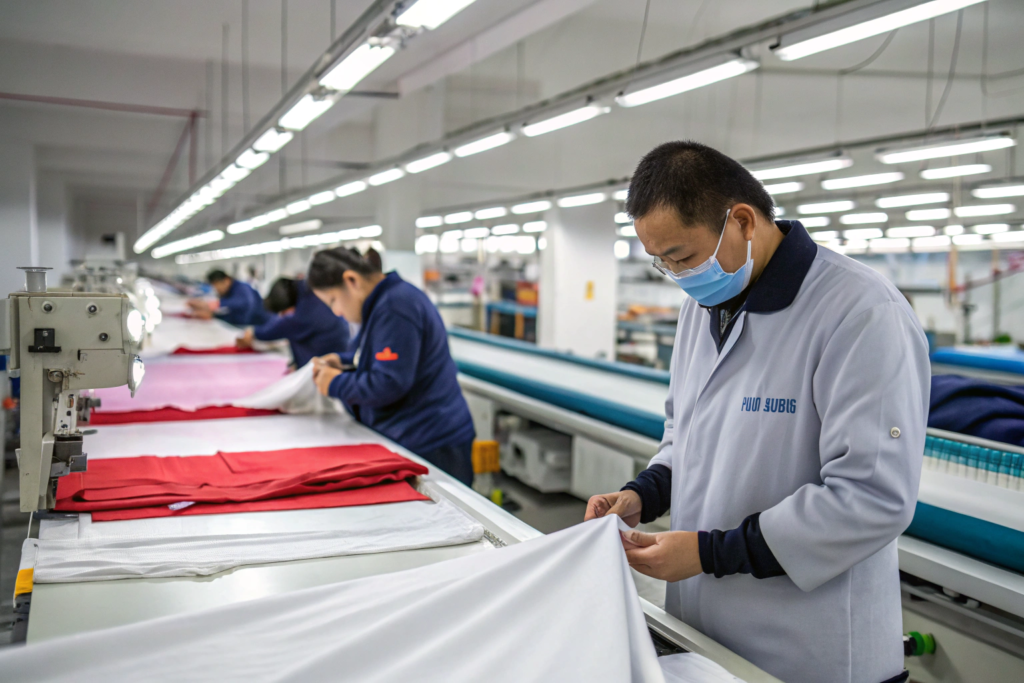
This structured approach catches quality deviations early. For instance, if a new batch of fabric arrives and our in-house CNAS lab's pre-check shows a pH of 9.5 (outside the OEKO-TEX range), we reject it before it goes into production. This prevents the massive cost of making 10,000 garments with defective fabric. In this way, the OEKO-TEX framework acts as a quality control gateway, saving far more money than the certification costs. A sportswear client from Canada found this out the hard way before partnering with us. Their previous factory didn't control chemical inputs, resulting in a batch of yoga pants that smelled strongly of amines. The entire shipment was rejected at port. The loss was over $80,000. With our system, that failure would have been impossible.
How Does it Streamline Communication with Brand QC Teams?
For quality brands, the OEKO-TEX certificate is a universal language. Instead of lengthy, technical back-and-forth about your dye formulas or finishing processes, you can present the certificate. It's an independent, third-party verification that your product meets a globally recognized safety benchmark. This dramatically speeds up the pre-production approval process. Brand QC managers are under immense pressure; a valid OEKO-TEX certificate often allows them to fast-track fabric approval, trusting the institute's authority over time-consuming in-house testing. It builds instant credibility and positions your factory as a low-risk, professional partner.
Can it Reduce In-Process Rejection and Improve Yield?
Absolutely. Inconsistent or substandard dyes and chemicals are a major cause of fabric defects like color shading (variation across the width or length of the fabric) and poor crocking (color rub-off). OEKO-TEX compliant chemicals are typically from more reputable suppliers with higher purity and consistency. While they may cost slightly more per kilo, their reliable performance leads to:
- Fewer dyeing batches rejected for off-shade or patchiness.
- Less fabric wasted due to staining or finishing defects.
- Higher first-pass yield in the cutting and sewing rooms because the fabric behaves consistently.
This directly improves your factory's Overall Equipment Effectiveness (OEE) and profit margins. The certification isn't an expense line; it's an investment in production efficiency. Industry forums like The Ethical Fashion Initiative's manufacturer resources often highlight this link between responsible chemistry and operational excellence.
How Does Certification Mitigate the Biggest Risks in Global Supply Chains?
The modern apparel supply chain is a web of interconnected risks: regulatory, financial, reputational, and logistical. OEKO-TEX certification is one of the most effective tools to systematically mitigate these risks at their source.
Regulatory Risk: Laws change. A substance legal in your manufacturing country today may be banned in your primary sales market tomorrow. REACH in Europe, CPSIA in the USA, and other regulations are constantly evolving. OEKO-TEX updates its test criteria annually based on the latest global scientific and regulatory developments. By certifying to this standard, you automatically align with the strictest international requirements, creating a regulatory buffer zone for your products. This prevents your shipment from being held, destroyed, or fined at the destination port—a catastrophic financial and timeline blow.
Financial Risk: As mentioned, the cost of a failed test or recall is astronomical. Certification is a form of insurance with a very clear premium (the test cost) and a defined payout (market access and risk avoidance). For a brand, the cost of certifying a fabric might be $1,000. The cost of a rejected container shipment can exceed $50,000. The math is unequivocal.

What is the "Passport Effect" for Shipping and Customs?
An OEKO-TEX certificate is a recognized document by customs authorities and retail compliance officers worldwide. It doesn't guarantee no inspections, but it significantly reduces the likelihood of your shipment being flagged for lengthy, destructive chemical testing. Think of it as a "Green Lane" passport for your goods. It provides customs officials with immediate, trusted evidence of due diligence. This smooths logistics, prevents costly delays, and ensures your product hits the store shelf on schedule. In a world where on-time delivery is a key competitive advantage, this is a critical quality parameter.
How Does it Protect Against Reputational Catastrophe in the Social Media Age?
A single viral post from a consumer claiming your "luxury" brand gave them a skin rash can cause irreparable damage. In the age of social media, reputational risk is immediate and global. OEKO-TEX certification provides a powerful, tangible defense. You can publicly point to the independent, scientific verification of your product's safety. It transforms a "he said, she said" scenario into a fact-based response. This protective shield for your brand's reputation is perhaps the most valuable, yet intangible, benefit of all. It's why understanding crisis management for consumer product brands is incomplete without considering product safety verification.
What's the Tangible ROI for a Manufacturer Investing in OEKO-TEX?
Let's move from theory to hard numbers. The Return on Investment (ROI) for integrating OEKO-TEX isn't just about avoiding disasters; it's about capturing more business, operating more efficiently, and commanding better prices.
1. Business Acquisition & Client Tier: Factories with robust OEKO-TEX capabilities attract a different caliber of client. We're talking about mid-to-high-end brands, retailers with strict corporate social responsibility (CSR) policies, and companies targeting the European, Japanese, or North American markets. These clients offer larger, more stable orders and are often less ruthlessly price-sensitive because they value security and quality. At Shanghai Fumao, our ability to provide full-package OEKO-TEX certified garments was the key that unlocked partnerships with several Scandinavian brands, who are known for their stringent standards. This shifted our client portfolio significantly upmarket.
2. Operational Efficiency: As detailed earlier, the discipline of compliance reduces material variation and waste. Let's quantify a hypothetical example for a sewing factory:
- Without control: Fabric shrinkage variation leads to 5% mis-cut panels and size setting issues.
- With OEKO-TEX/controlled processes: Fabric is pre-tested and from consistent dye lots, reducing cutting waste to 2%.
- Savings: On a 10,000-piece order using $5/m fabric, that's a saving of 3% of fabric cost = $1,500 saved directly on materials, plus labor saved from re-work.
3. Price Premium & Margin Protection: You can legitimately charge a premium for certified manufacturing. More importantly, you protect your margin from being eroded by claims, returns, and chargebacks from clients whose own sales are damaged by quality failures. Your factory becomes a valued partner, not a cost center to be squeezed.
How Does it Future-Proof Your Manufacturing Business?
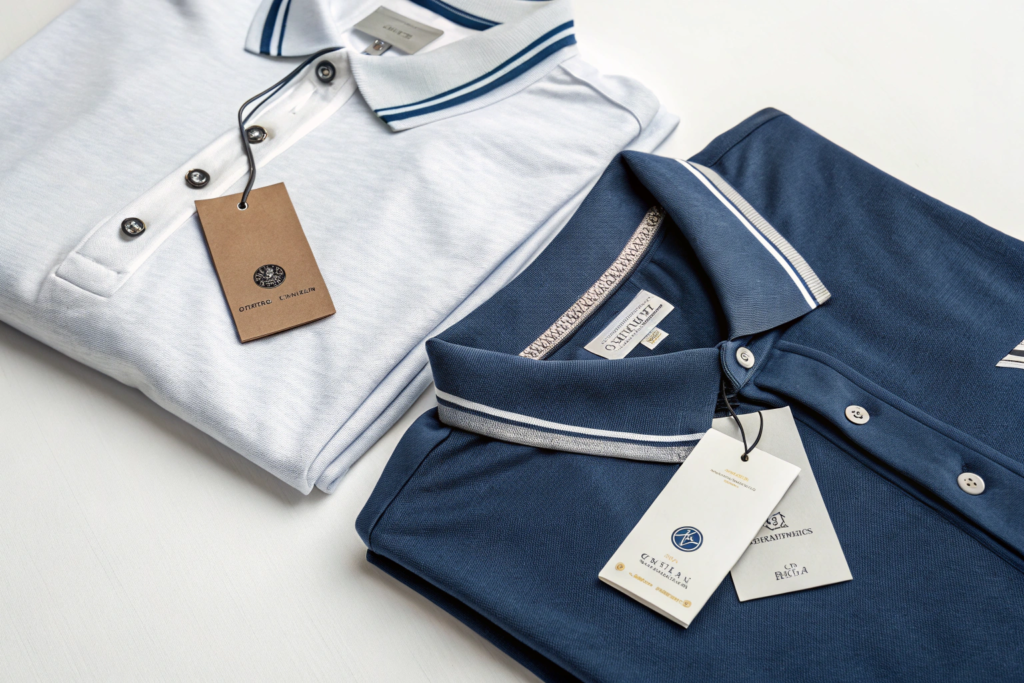
Sustainability and transparency are not trends; they are the future of the industry. OEKO-TEX MADE IN GREEN, which adds requirements for sustainable production processes and transparency, is a direct pathway to this future. By building your systems around OEKO-TEX STANDARD 100 today, you are laying the groundwork to easily upgrade to MADE IN GREEN tomorrow. This positions your factory as a forward-thinking leader, ready to meet the next generation of brand and consumer demands. It's an investment in long-term relevance.
Can Small-to-Medium Factories Afford This System?
Yes, through partnership. Not every factory needs its own $100,000 testing lab. The smart approach is to partner with a vertically integrated fabric supplier like Shanghai Fumao that already has the certification infrastructure, CNAS lab for pre-testing, and compliant supply chain in place. You leverage their investment. You then focus your quality control on ensuring the certified fabric is made into garments correctly, and that all other components (thread, trim) are also compliant. This splits the cost and expertise effectively, making top-tier quality manufacturing accessible.
Conclusion
Top-quality clothing manufacturing in the 21st century is a multi-dimensional challenge. It requires aesthetic excellence, technical precision, and an unwavering commitment to safety and responsibility. OEKO-TEX certification is the critical framework that validates and enforces this commitment. It is the objective standard that separates true quality from superficial appearance.
It transforms safety from a vague promise into a controlled, verifiable manufacturing outcome. It turns risk management into a competitive advantage. And it aligns your factory's operations with the values of the world's most desirable brands and consumers.
If your goal is to build a manufacturing business that lasts, that commands respect and premium prices, then integrating OEKO-TEX is not an option—it's an essential pillar of your quality system. It's the smartest investment you can make in your factory's future.
Ready to transform your quality manufacturing with a partner that has built this system from the ground up? At Shanghai Fumao, we provide more than just certified fabrics; we provide a pathway to truly premium, low-risk garment production. Contact our Business Director, Elaine, to discuss how we can integrate our certified supply chain with your manufacturing expertise. Let's build quality that you can see, feel, and trust. Reach her at elaine@fumaoclothing.com.