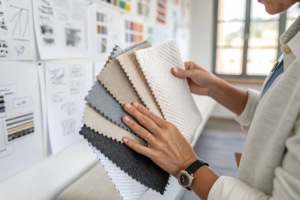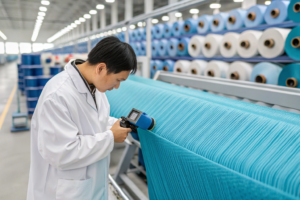
I was on a video call with a client from Portland two years ago. She was showing me her new collection—shirts, dresses, and trousers made from a fabric she described as “soft like silk but breathable like cotton.” She held up the swatch. I recognized it immediately. Tencel woven. She told me she couldn’t keep it in stock. Every time she dropped a new style, it sold out within days. Her customers were asking for more.
That conversation stuck with me. Tencel had been around for years, but suddenly it was everywhere. I started tracking orders. In 2022, Tencel woven made up about 5% of our exports to North America. By 2024, it was over 20%. The growth was faster than anything I’d seen in 20 years in this industry.
I’ve been weaving Tencel fabrics in Keqiao for over a decade. I’ve watched it go from a niche sustainable fiber to a mainstream choice for North American brands. Let me walk you through why this is happening, what makes Tencel different, and how to use it in your collections.
What Makes Tencel Different from Other Woven Fabrics?
When I talk to North American buyers about Tencel, they usually know it’s sustainable. But they don’t always understand what makes it different from cotton, linen, or viscose. The difference starts with how it’s made.
How Is Tencel Made and Why Does That Matter?
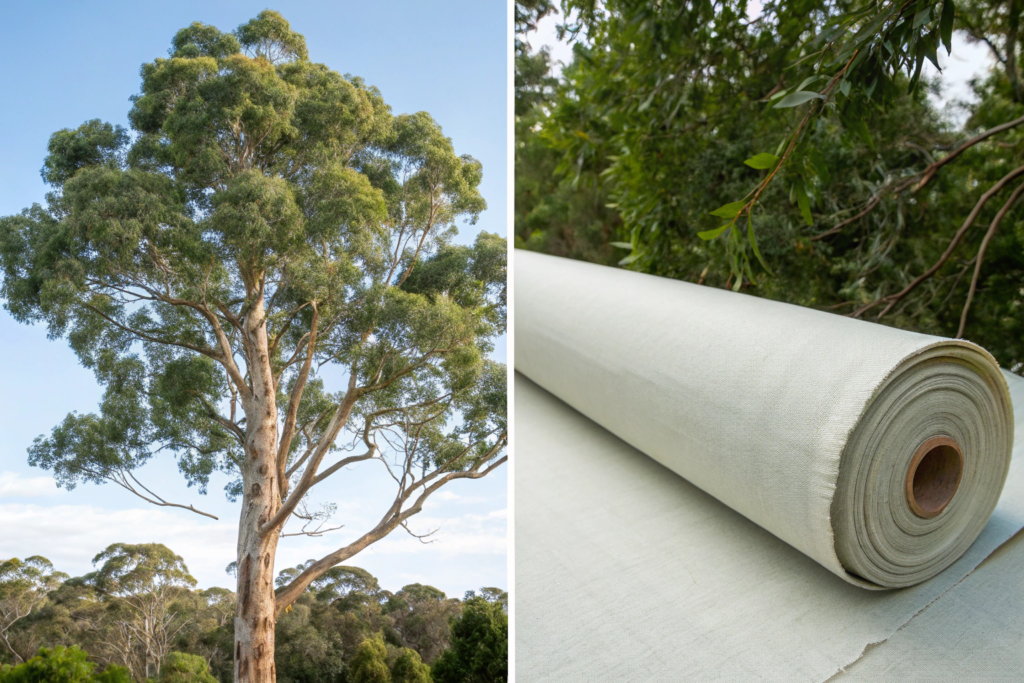
Tencel is a brand name for lyocell. It’s made from wood pulp—usually eucalyptus, beech, or spruce. The pulp is dissolved in a closed-loop process. Almost all the solvents are recovered and reused. That’s the key difference from viscose, which uses chemicals that aren’t fully recovered.
I remember explaining this to a client from Toronto in 2023. She had been using cotton for her shirt line. She wanted to move to something more sustainable but didn’t want to compromise on quality. I sent her Tencel samples. She washed them, wore them, tested them. She came back and said, “This feels better than cotton. And I can market the closed-loop process.”
The closed-loop process matters to North American consumers. They’re educated about sustainability. They know the difference between greenwashing and real environmental credentials. Tencel has those credentials. Lenzing, the manufacturer, publishes detailed environmental data. Brands can use that in their marketing.
If you’re sourcing Tencel, ask your supplier for the Lenzing certification. Genuine Tencel comes with a certificate of authenticity. We provide this for every Tencel order.
For a deeper look at the production process, there’s a resource on how Tencel lyocell is made and why it’s considered sustainable . It’s from the manufacturer and covers the environmental impact.
What Are the Performance Properties of Tencel Woven?
This is what converts buyers. Tencel isn’t just sustainable. It performs better than many natural fibers in key areas.
Breathability. Tencel fibers are smooth and round. They wick moisture away from the skin. I’ve tested Tencel poplin against cotton poplin of the same weight. The Tencel consistently scores higher on air permeability. It breathes better.
Hand feel. Tencel is soft. Not just soft like cotton—soft like silk. The fibers are smooth, so they don’t have the roughness of cotton or linen. A client from New York told me her customers described her Tencel shirts as “feeling like butter.”
Drape. Tencel has a natural drape that cotton can’t match. It flows. It doesn’t stand stiff. That’s why it’s popular for dresses, blouses, and anything that needs to move with the body.
Durability. Despite the softness, Tencel is strong. It’s stronger than cotton when wet. That matters for garments that get washed frequently. We test tensile strength on all our Tencel wovens. It consistently exceeds cotton benchmarks.
In 2024, we produced a run of Tencel twill for a Canadian brand’s trouser line. The client wanted a fabric that was comfortable like a knit but looked structured like a woven. The Tencel twill gave them the drape they needed without the stiffness of cotton twill. They sold 5,000 pairs in the first month.
If you’re considering Tencel, ask for samples in different weights. A lightweight Tencel poplin (120 GSM) works for shirts. A mid-weight Tencel twill (200 GSM) works for trousers. A heavyweight Tencel canvas (300 GSM) works for jackets.
Why Is North America Leading the Shift to Tencel?
I’ve been exporting to North America for 20 years. I’ve seen trends come and go. The shift to Tencel is different. It’s driven by real changes in consumer behavior and brand strategy.
What Consumer Trends Are Driving Demand?
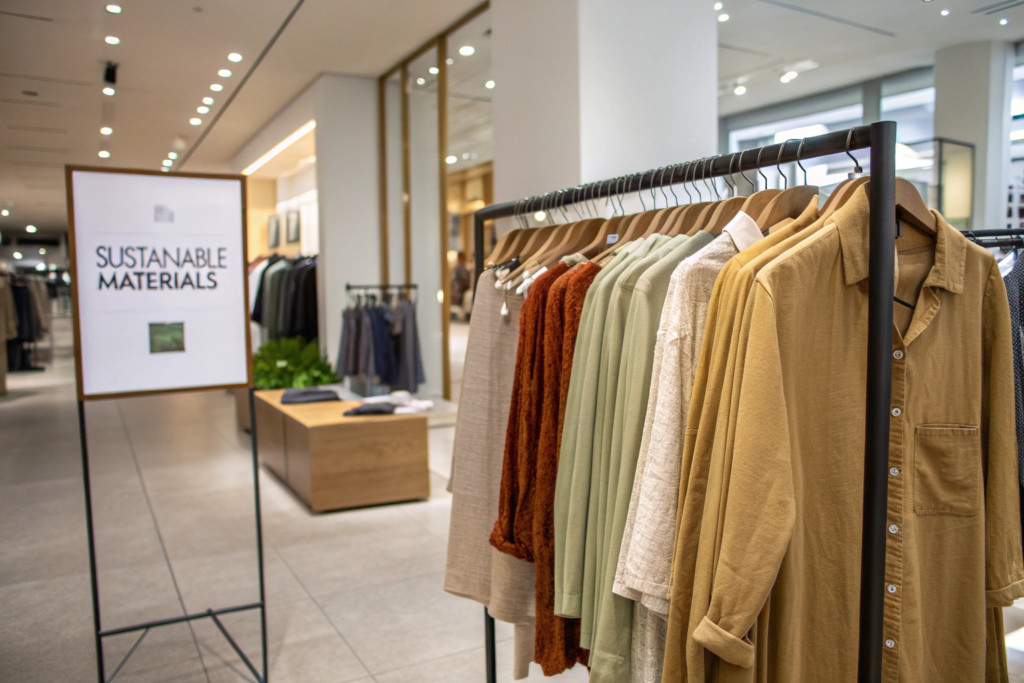
North American consumers are asking for sustainability. But they’re not willing to sacrifice quality. Tencel delivers both.
The shift away from synthetics. Polyester is facing scrutiny. Consumers know it sheds microplastics. They want natural fibers. But cotton has its own environmental issues—water use, pesticides. Tencel offers an alternative that feels premium.
The rise of “quiet luxury.” Tencel has a subtle sheen and a soft hand that fits the quiet luxury aesthetic. It looks expensive without being flashy. A client from Los Angeles told me her Tencel shirts compete with silk at a fraction of the price.
Comfort dressing. Post-pandemic, consumers prioritize comfort. Tencel woven fabrics are soft and breathable. They feel comfortable against the skin. They drape well. They’re easy to wear.
In 2023, a client from Austin, Texas built his entire brand around Tencel. He told me, “My customers are young professionals who want to look put together but feel like they’re wearing sweatpants. Tencel gives them that.” His brand grew 200% in 18 months.
How Are Brands Marketing Tencel?
The marketing story is clear. Tencel comes with built-in credibility. Lenzing provides co-branding opportunities. Brands can use the Tencel logo and tell the sustainability story.
Closed-loop production. This is the headline. Consumers understand that the process recovers solvents. It’s a simple, powerful message.
Biodegradability. Tencel is biodegradable. At the end of its life, it returns to the earth. That’s a strong selling point for environmentally conscious consumers.
Fiber tracing. Lenzing provides fiber tracing technology. Brands can show customers exactly where the fiber came from. That transparency builds trust.
I worked with a US brand in 2024 that used Tencel for their first sustainable collection. They put the Lenzing logo on every hangtag. They explained the closed-loop process on their website. The collection sold 40% faster than their conventional line. The sustainability story worked.
If you’re planning to use Tencel, ask about co-branding opportunities. Lenzing offers marketing support for brands that use their fibers. It’s worth exploring.
For a guide to marketing Tencel, there’s a resource on how brands are communicating Tencel’s sustainability story . It includes case studies and marketing materials.
What Are the Best Applications for Tencel Woven?
Tencel is versatile. I’ve seen it used in everything from casual shirts to formal dresses. But some applications work better than others. Let me share what I’ve learned from working with North American brands.
Why Is Tencel Perfect for Shirts and Blouses?
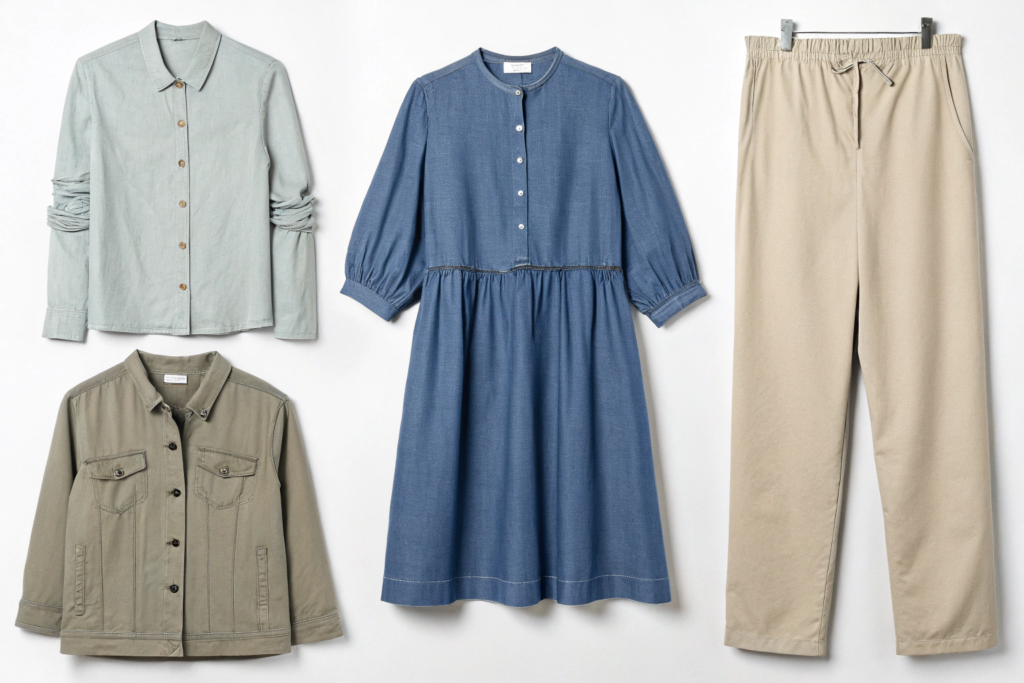
This is the biggest category for Tencel woven in North America. Shirts and blouses made from Tencel have a premium feel at a mid-range price point.
The drape. Tencel shirts don’t look stiff. They move with the body. They create a flattering silhouette.
The breathability. A Tencel shirt works in summer and winter. It regulates temperature better than cotton.
The color. Tencel takes dye beautifully. Colors are vibrant. The sheen of the fiber makes colors look richer.
In 2023, we produced a run of Tencel poplin for a New York brand’s shirt line. They used 130 GSM fabric in 12 colors. The shirts were priced at $89—above standard cotton but below silk. They sold out in six weeks. The client told me the margin was better than their cotton shirts because customers perceived higher value.
If you’re making shirts, consider Tencel blended with cotton or linen. A 70/30 Tencel-cotton blend gives you the best of both: the softness and drape of Tencel with the structure of cotton. We produce these blends frequently for North American clients.
How Is Tencel Used in Dresses and Trousers?
Dresses and trousers are the fastest-growing Tencel categories. The fabric’s drape and softness make it ideal for flowing silhouettes.
Dresses. A Tencel dress has movement. It’s not stiff like cotton. It’s not clingy like polyester. It drapes elegantly. We produce Tencel in various weights for dresses—lightweight poplin for summer dresses, mid-weight twill for shirt dresses.
Trousers. This is where Tencel shines. Tencel trousers have the structure of woven but the comfort of a knit. They don’t bag out at the knees. They don’t wrinkle as much as cotton. They’re comfortable for all-day wear.
In 2024, a client from Vancouver launched a line of Tencel trousers. They used a 220 GSM twill with a mechanical stretch finish. The trousers looked tailored but felt like sweats. The client told me they sold 3,000 pairs in the first month and had a waiting list.
If you’re making trousers, ask about adding spandex. A 2-3% spandex content gives Tencel trousers the stretch and recovery that customers love. It doesn’t compromise the drape.
What About Outerwear and Home Textiles?
Tencel is moving beyond apparel. I’m seeing more orders for Tencel outerwear and home textiles.
Light jackets. A Tencel canvas or twill makes a great spring or fall jacket. It’s lighter than cotton canvas but has enough structure for a jacket.
Home textiles. Tencel sheets and duvets are gaining popularity. They’re soft, breathable, and have a natural sheen. The same properties that make Tencel great for shirts make it great for bedding.
In 2023, we produced a run of Tencel canvas for a US brand’s lightweight jacket line. The fabric was 280 GSM—heavy enough for structure but light enough for layering. The jackets sold well in California and Texas, where winters are mild.
If you’re considering Tencel for outerwear, test the weight. Tencel is strong, but it doesn’t have the abrasion resistance of cotton or nylon. For a jacket that will see heavy use, consider a blend with cotton or a small percentage of polyester for durability.
What Should You Know About Sourcing and Care?
Sourcing Tencel is straightforward. But there are things you need to know to get the best results. I’ve learned these through years of production.
How Do You Source Genuine Tencel?
This is critical. Tencel is a trademarked fiber from Lenzing. Not all lyocell is Tencel. If you want the brand recognition and the certified sustainability story, you need genuine Tencel.
Ask for the Lenzing certificate. We provide this with every Tencel order. It proves the fiber came from Lenzing.
Ask for fiber traceability. Lenzing provides a tracing system. You can track the fiber from the mill to your fabric. This is valuable for marketing.
Be prepared for slightly higher cost. Tencel costs more than standard cotton or polyester. It’s comparable to high-quality organic cotton. The premium is worth it for the performance and the sustainability story.
In 2024, a client from the US told me she found a supplier offering “Tencel” at a price that seemed too low. I explained that genuine Tencel has a floor price because the raw material costs are fixed. She asked the supplier for the Lenzing certificate. They couldn’t provide it. She avoided a counterfeit.
If you’re sourcing Tencel, ask for certification upfront. A legitimate supplier will provide it without hesitation.
How Should Tencel Fabrics Be Cared For?
Tencel is durable, but it needs proper care. I’ve seen customers complain about Tencel garments because they washed them incorrectly.
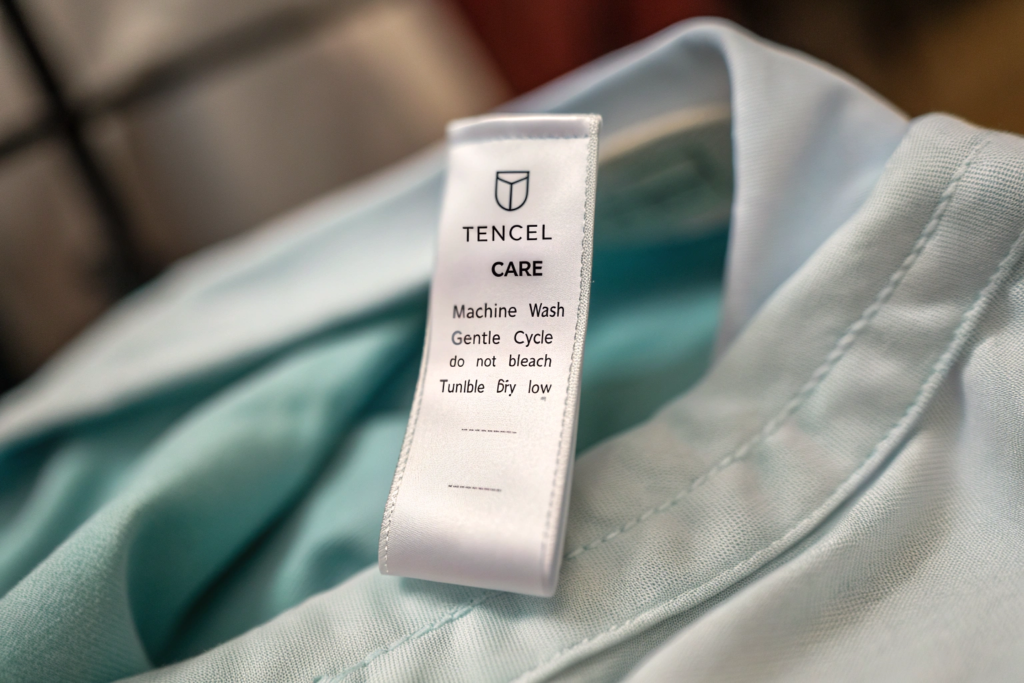
Wash cold. Hot water can weaken Tencel fibers over time. We recommend machine wash cold, gentle cycle.
Avoid bleach. Chlorine bleach damages Tencel. Use oxygen-based bleach if needed.
Tumble dry low. High heat can cause shrinkage and weaken the fabric. Low heat or air drying is best.
Iron when slightly damp. Tencel wrinkles less than cotton, but it may need ironing. Iron when the fabric is slightly damp for best results.
In 2023, a client from the UK had returns because customers were washing Tencel shirts in hot water and drying on high heat. The shirts shrank and lost softness. We added detailed care instructions to the hangtags. Returns dropped by 80%.
If you’re selling Tencel garments, include clear care instructions. It protects your customers and your brand.
Conclusion
Tencel woven fabric is gaining popularity in North America because it delivers what consumers want: sustainability without compromise. It’s soft like silk, breathable like cotton, and durable enough for everyday wear. It drapes beautifully. It takes color vibrantly. It comes with a sustainability story that resonates with educated consumers.
At Shanghai Fumao , we’ve been weaving Tencel for over a decade. We source genuine Lenzing fibers. We provide full certification. We test every batch for shrinkage, colorfastness, and tensile strength. We’ve produced Tencel poplin for shirts, Tencel twill for trousers, Tencel canvas for jackets. We know how this fiber behaves, and we know how to make it perform.
I’ve watched North American brands discover Tencel and build their collections around it. I’ve seen the excitement when a client realizes they can have a fabric that’s sustainable, comfortable, and beautiful. That’s what Tencel delivers.
If you’re considering Tencel for your collection, let’s talk. My business director, Elaine, handles all our Tencel inquiries. She knows the weights, the weaves, the blends, and the certification process. She can help you choose the right Tencel fabric for your application and make sure you get the documentation you need for your marketing.
Contact Elaine directly: elaine@fumaoclothing.com
Tell her you’re interested in Tencel. Let her show you why North American brands are making the switch.