You've done the research. You know that using more sustainable materials like BCI cotton is the right move for your brand's future. You've even sourced a few rolls of BCI fabric. But then the reality hits: the fabric arrives at your cut-and-sew factory, and it gets mixed in with everything else. The special story you wanted to tell gets lost in the hustle of production. The impact you hoped to claim feels diluted, because you can't prove how that certified material moved through the final, most critical stage. Sound familiar?
The missing link is often not the material itself, but the manufacturing partner you choose. Partnering with a BCI-certified clothing manufacturer transforms your sustainable sourcing from a hopeful intention into a verifiable, end-to-end claim. It ensures that the integrity of your responsible material choice is preserved, tracked, and professionally executed all the way to the finished garment. This isn't just about adding another logo to a factory wall; it's about integrating a system of accountability directly into your production process, de-risking your sustainability claims and unlocking tangible business advantages.
Think of it this way: sourcing BCI fabric is like buying high-quality, traceable ingredients. Partnering with a BCI-certified manufacturer is like choosing a renowned chef who knows exactly how to handle those ingredients, document their journey, and present the final dish with a credible story. The difference is in the execution, the proof, and the peace of mind. Let's explore the concrete reasons why this partnership is a strategic upgrade.
Guaranteed Chain of Custody & Claim Integrity
This is the paramount reason. The core value of BCI lies in its system of tracking demand for better cotton through the supply chain via Better Cotton Claim Units (BCCUs). When you use a BCI-certified manufacturer, they are licensed to purchase and apply these BCCUs directly against the garments they produce for you.
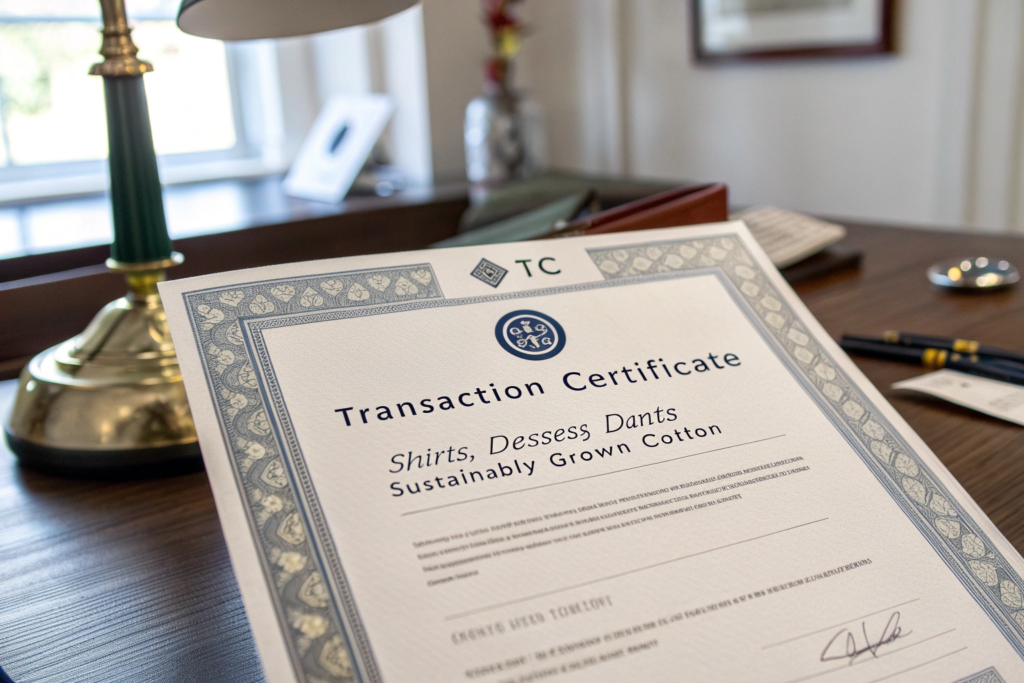
This creates a clean, auditable paper trail. The manufacturer generates a Transaction Certificate (TC) that links your specific order of shirts, dresses, or pants to a volume of sustainably grown cotton. This document is your legal and marketing defense. It’s the proof you show to retailers, certifiers, or conscientious consumers who ask, “How do you know?” Without a certified partner, you are left with a fabric certificate and a hope that nothing gets mixed or misallocated during cutting and sewing—a significant risk.
How Does This Simplify Your Documentation and Audit Process?
Imagine the nightmare of an audit. An auditor asks to see proof of your BCI claims. If you sourced fabric from one place and had it made elsewhere, you must collect and reconcile documents from multiple suppliers: the fabric mill’s BCI evidence, invoices, and then the garment factory’s cut-make-trim (CMT) records. It’s fragmented.
A BCI-certified manufacturer consolidates this. They are responsible for the entire chain of custody for the production they manage. You receive one clear, comprehensive TC for your finished goods order. This simplification saves you countless administrative hours and dramatically reduces the risk of non-compliance due to documentation gaps. It’s a turnkey solution for traceability.
Does This Protect Against Accidental "Greenwashing"?
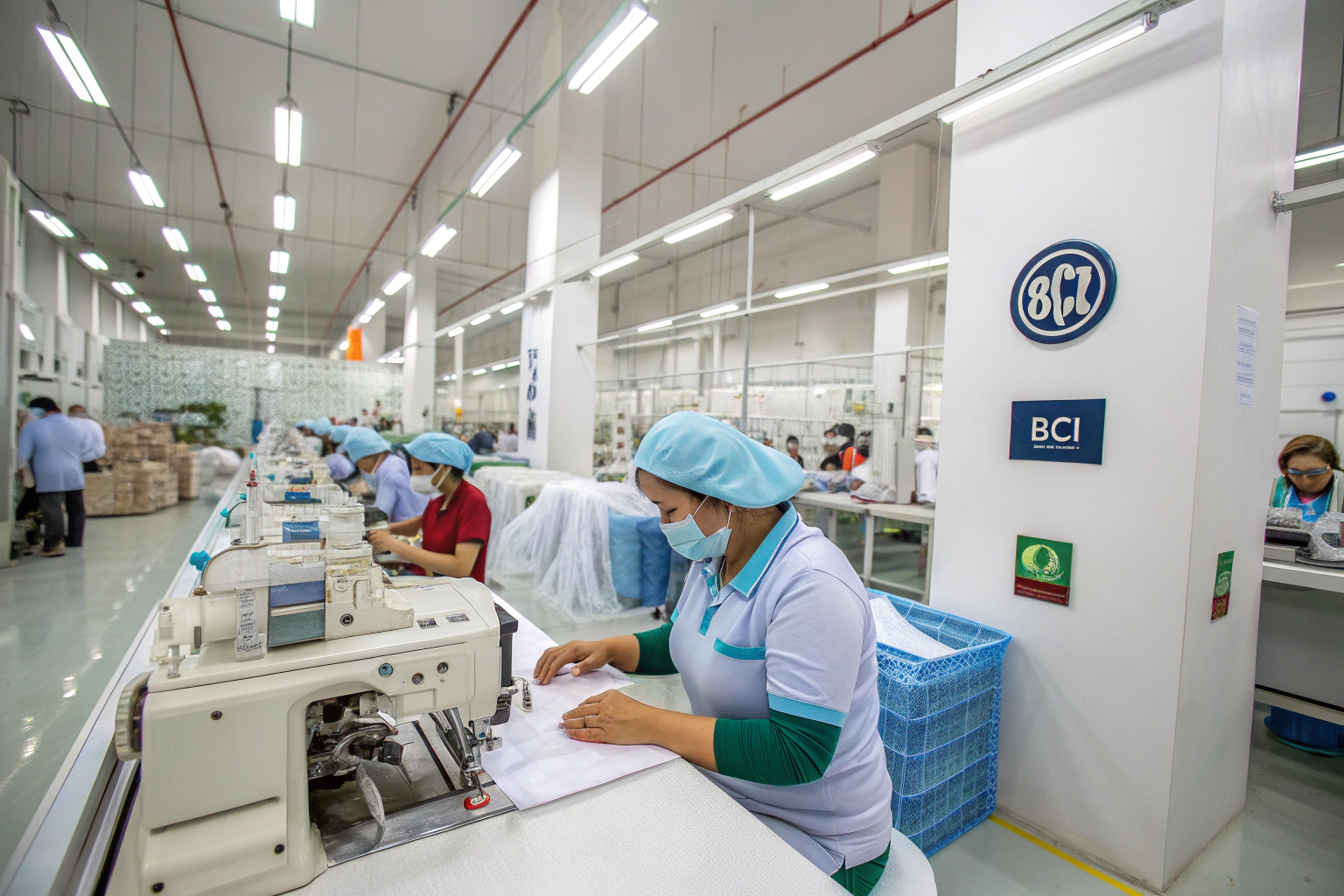
Absolutely. Greenwashing isn't always intentional; sometimes it's a result of poor supply chain control. A factory might unintentionally mix your BCI fabric panels with conventional ones, or use non-compliant threads and trims. A BCI-certified facility has systems in place (like segregated storage areas and material tracking logs) to prevent this. Their certification requires them to manage these risks, protecting your brand from making false claims accidentally. Partnering with them is a form of risk insurance for your brand reputation.
Access to Expertise and Efficiency Gains
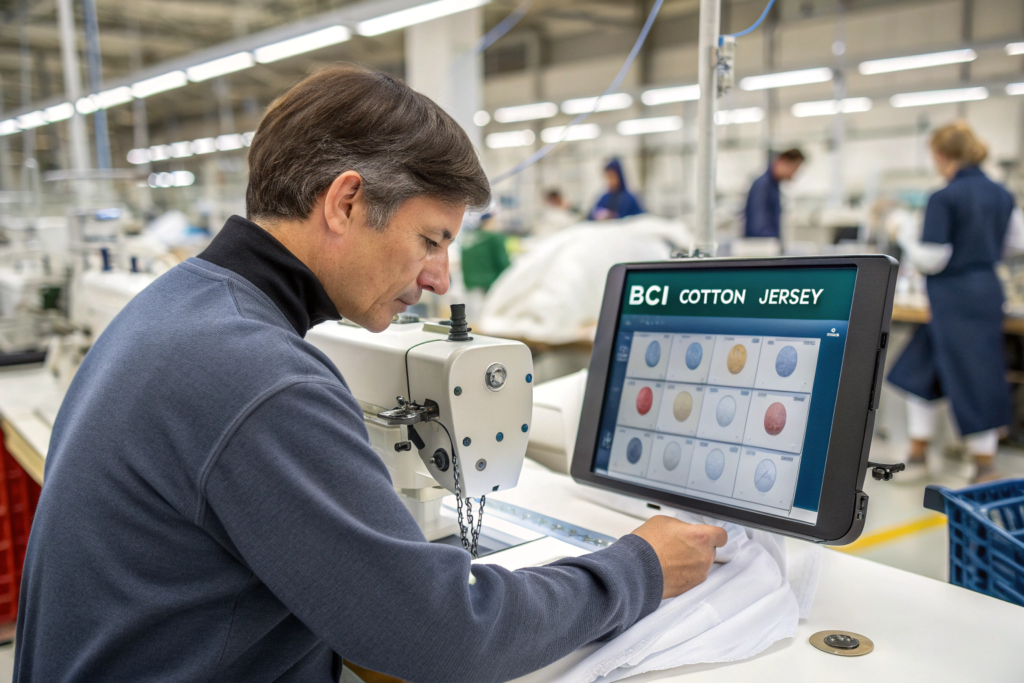
A BCI-certified manufacturer doesn't just have a certificate; they have trained personnel who understand the principles and practicalities of sustainable production. This expertise translates into tangible efficiencies for your order.
They understand the characteristics of BCI and other sustainable materials. They know, for instance, that certain organic or BCI cotton might behave differently during cutting or sewing compared to heavily processed conventional cotton. Their technicians can adjust machine tensions, needle types, and pressing temperatures proactively, reducing the learning curve and minimizing defects like puckering or shrinkage issues. This expertise leads to a higher first-pass yield and less material waste.
Can This Expertise Speed Up Development and Sampling?
Yes. When developing a new style with sustainable materials, a certified partner can anticipate challenges. For example, in early 2023, we worked with a Canadian activewear brand developing a high-end sweatshirt with BCI cotton and recycled fleece. Our certified production team suggested a specific stitch density and rib cuff composition from the first sample to optimize durability and comfort for those specific materials. This avoided two rounds of sample revisions, cutting 10 days off their development timeline. Their designer commented, “You spoke the language of the material, not just the blueprint.”
How Does Certification Relate to Overall Production Quality?
The discipline required to maintain a BCI certification often correlates with strong general quality management systems. The factory must maintain meticulous records, conduct internal audits, and train staff systematically. This culture of discipline and documentation tends to spill over into all aspects of production, leading to more consistent stitching, better attention to detail, and more reliable adherence to your tech pack specifications. You’re not just getting a sustainable partner; you’re often getting a more professionally managed partner.
Enhanced Brand Story & Market Access
Your manufacturing partner is a silent but powerful part of your brand narrative. When you can state that your products are “Made in a BCI-certified facility,” you add a critical layer of depth and credibility. It shows that your commitment isn’t just skin-deep (or fabric-deep); it’s embedded in the very process of creation.
This is a powerful tool for B2B sales. Major retailers and distributors are increasingly mapping their manufacturing sources, not just their material sources. Having a certified final production point makes you a more attractive vendor for eco-conscious retailers. It answers their next-level due diligence questions before they’re even asked.
How Does This Support Your Marketing and Consumer Communication?
It provides a richer story. You can move beyond “made with better materials” to “responsibly crafted from start to finish.” You can talk about supporting decent work in the factories you use (a core part of BCI’s principles for licensed manufacturers). This holistic narrative is more resilient and appealing to the conscious consumer. It allows for authentic behind-the-scenes content: “See how our partner factory brings our BCI fabric to life with care and precision.”
Does it Future-Proof Against Stricter Regulations?
Regulations like the EU’s Corporate Sustainability Due Diligence Directive (CSDDD) are shifting focus from just what is in a product to how and where it was made. They mandate due diligence on social and environmental impacts throughout the value chain. A BCI-certified manufacturer is already part of a system that collects relevant social and environmental data. Partnering with them provides you with a structured channel to gather the factory-level information you will increasingly need for compliance, saving you from last-minute, costly scrambles.
Strategic Alignment and Long-Term Partnership
Choosing a BCI-certified manufacturer is a signal of shared values. It indicates that you both view sustainability not as a cost, but as an integral part of modern, responsible business. This alignment fosters a more collaborative, strategic relationship.
They are more likely to be proactive in suggesting new sustainable materials (like GRS-certified recycled linings or OEKO-TEX® certified threads) and processes (like laser cutting to reduce waste). They become an innovation partner, not just a service provider. This is how you build a resilient, future-ready supply chain.

What Should You Look For in a BCI-Certified Partner?
Not all certified manufacturers are equal. Due diligence is still key. Ask for:
- Their BCI License Number: Verify it on the BCI website.
- Scope of Certification: Does it cover the specific production processes (cutting, sewing, finishing) you need?
- Previous Experience: Ask for case studies or references from brands similar to you.
- Integrated Services: Do they offer value-added services like sustainable packaging sourcing or carbon footprint calculation? This shows deeper commitment.
At Shanghai Fumao, our affiliated manufacturing partners are selected for this depth of expertise. We ensure they are not only BCI-licensed but are leaders in lean manufacturing and quality, providing a seamless bridge from our certified fabrics to your finished, certified garments.
Conclusion
Partnering with a BCI-certified clothing manufacturer is a strategic decision that moves sustainable sourcing from a hopeful aspiration to a managed, verified, and marketable reality. It secures your chain of custody, protects your brand from risk, unlocks operational efficiencies, and deepens your story for both B2B buyers and end consumers.
In an industry where authenticity is everything, this partnership provides the structural integrity your claims need. It’s an investment in credibility, compliance, and long-term supply chain resilience.
Ready to elevate your production with a partner who guarantees integrity from fabric to finish? Shanghai Fumao connects you with a vetted network of BCI-certified and high-performance manufacturers in Asia. We manage the complexity so you can confidently tell your brand’s full story. Contact our Business Director, Elaine, at elaine@fumaoclothing.com to explore how a certified manufacturing partnership can work for you.