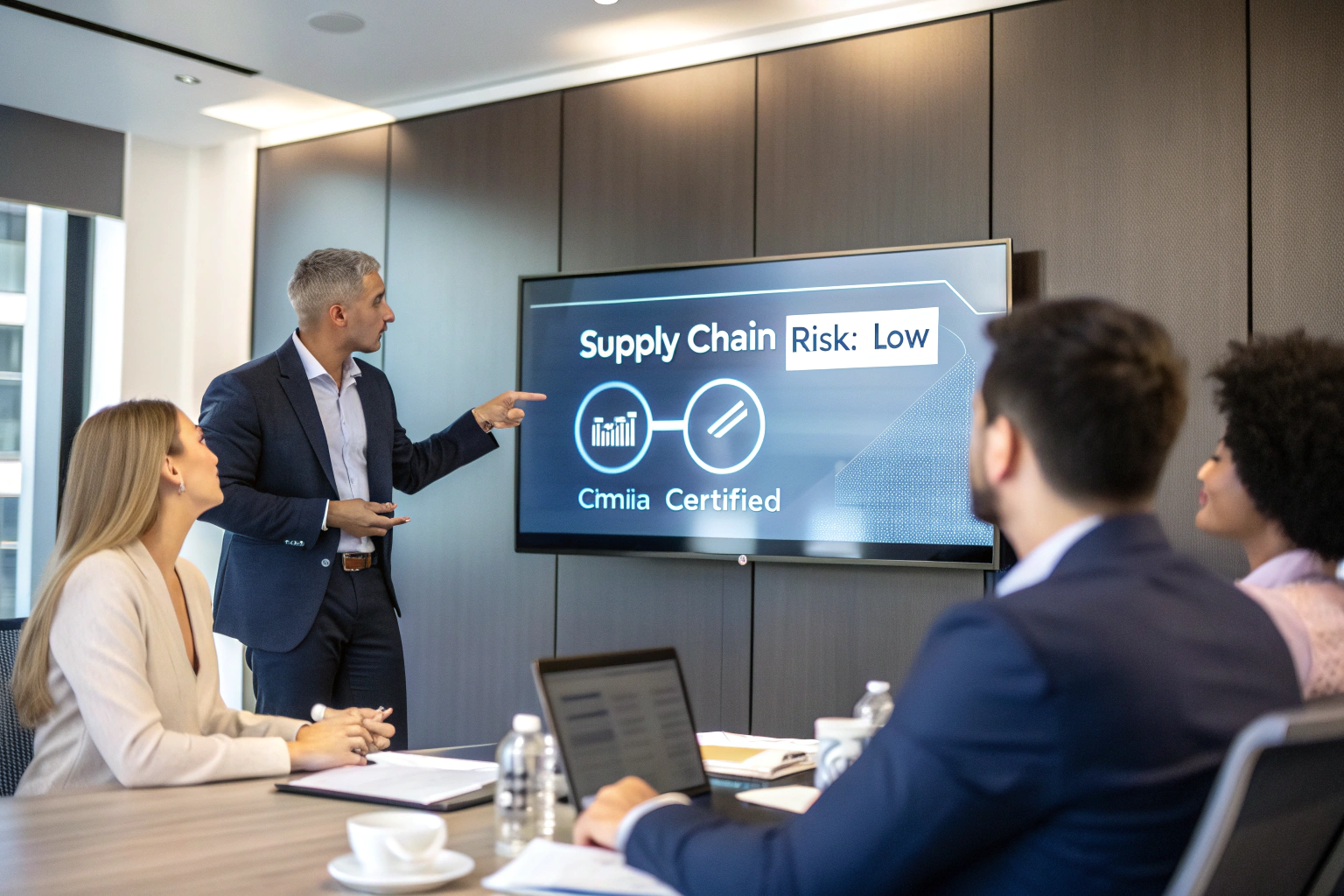
You're a sourcing manager for a major retail brand. Your desk is stacked with supplier profiles—dozens of factories all claiming to be the best. The pressure is on: you need to hit aggressive price points, but one product safety failure could trigger a recall costing millions and a PR nightmare that tanks the stock price. In this high-stakes environment, how do you filter the real partners from the risky promises? For seasoned large buyers, the answer increasingly starts with a specific filter: CMIA certification. It’s not just a “nice-to-have” for them; it’s a fundamental risk mitigation tool and a proxy for supplier maturity. Let me explain, from the factory side, why this certificate carries such weight in the boardrooms of big brands.
Large buyers prefer CMIA certified garment suppliers because the certification dramatically de-risks their supply chain at scale. It transfers the burden of proof for complex product safety compliance from their overwhelmed QC teams to an accredited, third-party-verified system. For a buyer managing hundreds of SKUs across multiple factories, CMIA acts as a scalable, standardized assurance of baseline safety, reduces audit fatigue, and provides crucial legal defensibility. In short, it turns an intangible worry about child safety into a manageable, document-controlled process.
But there’s more to it than just passing a test. The preference for CMIA-certified suppliers reveals a deeper procurement strategy focused on systemic reliability, not just transactional compliance. Let’s dive into the specific, often unspoken, reasons why big buyers won’t seriously consider a supplier without this credential for their children’s wear lines.
CMIA as a Risk Mitigation and Liability Shield
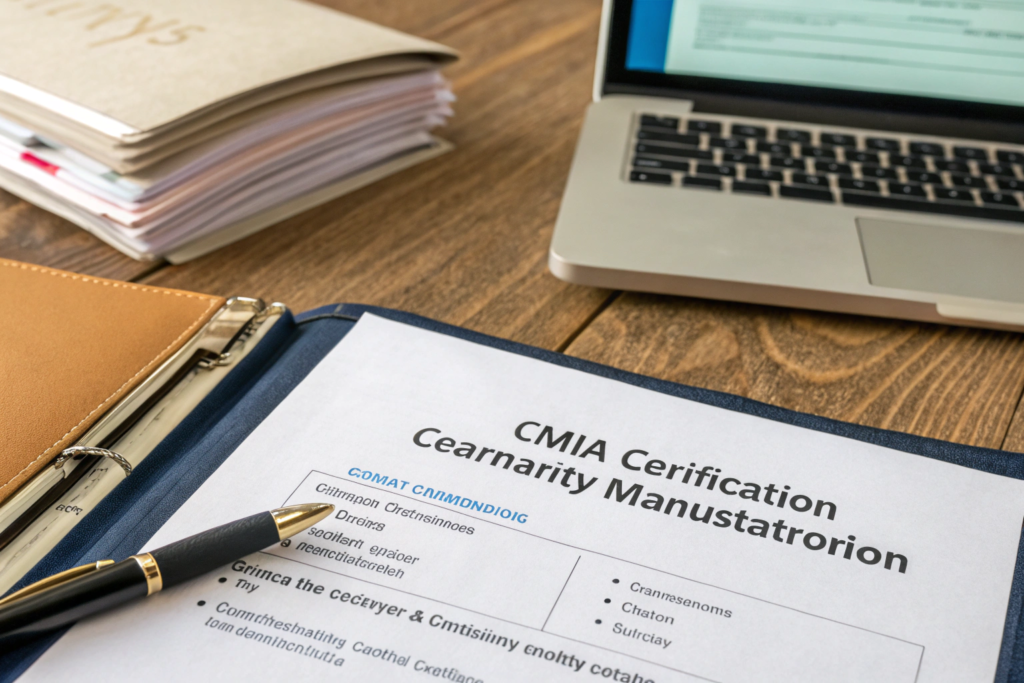
For a large buyer, a single liability lawsuit from a product safety issue can erase the profits from an entire season. Their legal and compliance departments are not focused on minor defects; they are focused on existential threats. CMIA certification is a pre-negotiated line of defense. It provides a clear, industry-recognized standard of due diligence that can be presented in court or to regulators.
Think of it as insurance with evidence. When a buyer sources from a CMIA-certified supplier, they are not just buying garments; they are buying a documented trail of safety compliance. This shifts a significant portion of the legal and financial liability back onto the supplier and the certifying body. The certificate itself becomes a contract of sorts—a promise that the product meets defined safety norms.
How Does CMIA Simplify Compliance at Scale?
Large buyers operate across multiple product categories and regions. They can’t have a specialist who understands every nuance of Chinese, European, and American safety standards for every component. CMIA, especially when aligned with international standards, serves as a consolidated benchmark.
- Standardized Language: Instead of writing lengthy, custom technical specifications for every order, they can simply state: “Must comply with CMIA Standard GB 31701.” This is a clear, unambiguous instruction that any certified supplier already understands.
- Reduced Audit Scope: When auditing a CMIA-certified factory, the buyer’s QA team can focus on system implementation and consistency, rather than having to physically test for every chemical hazard themselves. They check if the system to ensure CMIA compliance is working.
- Supply Chain Transparency: CMIA requires traceability of materials. For a buyer, this means if a problem arises with a specific button or dye, they can quickly isolate affected batches, minimizing the scale and cost of a potential recall.
For example, a major European supermarket chain auditing Shanghai Fumao will spend less time questioning our basic safety controls (they trust the CMIA framework) and more time validating our capacity, social compliance, and environmental practices. This efficient auditing is part of strategic supplier management for large retail organizations.
What is the Financial Impact of This Risk Transfer?
The financial calculus is clear. The cost of a CMIA certificate (borne by the supplier or factored into the price) is infinitesimal compared to the cost of a recall. Consider:
- Recall Costs: Logistics, reverse shipping, destruction, customer compensation, retailer penalties.
- Brand Equity Damage: Lost sales, marketing costs to rebuild trust, potential stock price impact.
- Legal Fees: Defending against lawsuits and regulatory fines.
By mandating CMIA, large buyers are making a small, upfront investment to avoid these catastrophic downstream costs. It’s a cornerstone of calculating total cost of ownership (TCO) in apparel sourcing, where risk cost is a major variable.
CMIA as a Proxy for Supplier Capability and Maturity
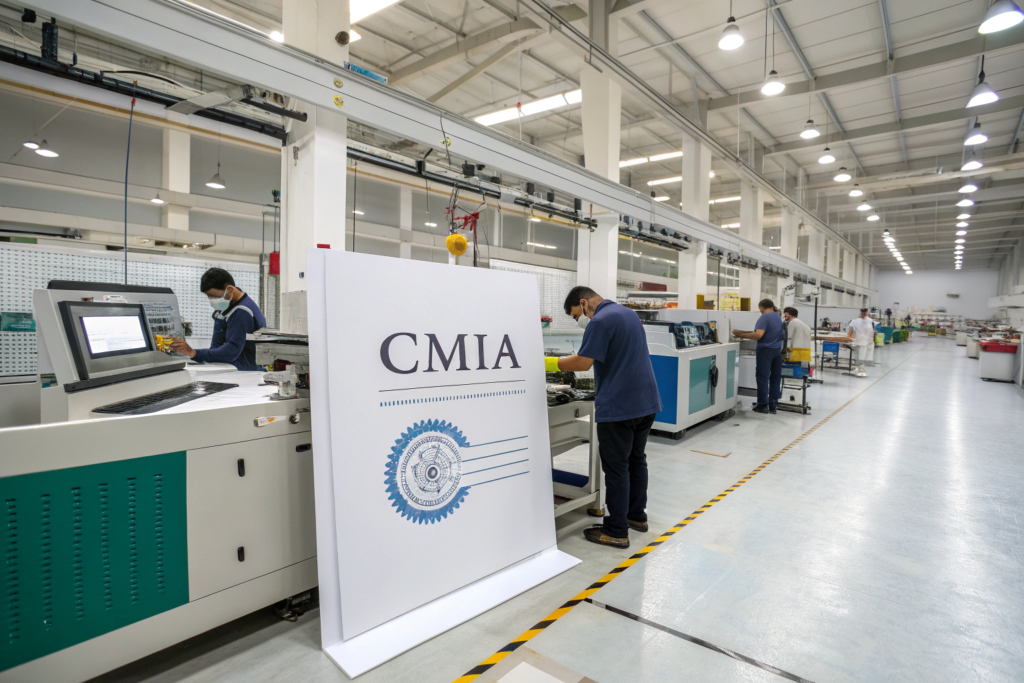
Beyond the literal certificate, large buyers use CMIA as a heuristic—a quick way to gauge a factory’s overall professionalism. Obtaining and maintaining true CMIA certification requires investment, organization, and technical knowledge. A factory that has made this investment is signaling several positive attributes.
What Does CMIA Certification Signal About a Factory?
- Technical Competence: They understand chemical testing, lab protocols, and safety regulations. They likely have dedicated QC staff or partnerships with accredited labs.
- Process Orientation: They have systems for material tracking, batch control, and non-conformance management—key elements that also improve general quality and on-time delivery.
- Financial Stability: Certification has recurring costs (audits, testing). A factory willing to pay this is likely financially healthier and thinking long-term.
- Market Awareness: They are attuned to the requirements of serious, brand-conscious buyers, not just the low-price commodity market.
In our experience at Shanghai Fumao, the process of getting CMIA certified forced us to upgrade our record-keeping digital systems and formalize our relationships with testing labs. This systemic improvement didn’t just help with CMIA; it made our entire operation more transparent and reliable for all clients, which is exactly what large buyers notice. This aligns with the concept of using certifications to benchmark operational maturity in manufacturing.
How Does This Streamline the Supplier Qualification Process?
For a global buyer evaluating hundreds of potential suppliers, the initial screening is immense. “CMIA Certified” is a filter that instantly narrows the field to a more qualified pool. It answers a cluster of questions upfront:
- Can they produce safe children’s products? (Yes, proven.)
- Do they have a documented quality system? (Likely, as it’s required for certification.)
- Are they used to formal compliance procedures? (Yes.)
This allows the buyer’s team to spend their valuable time on deeper, more strategic assessments like capacity planning, innovation capability, and ethical audits, rather than basic safety training. It’s a force multiplier for their sourcing efficiency.
The Competitive and Strategic Advantage for Buyers
In today’s market, safety is not just a compliance issue; it’s a core consumer expectation and a competitive differentiator. Large buyers aren’t just avoiding negatives; they are leveraging their supply chain choices to build positive brand stories and secure market position.
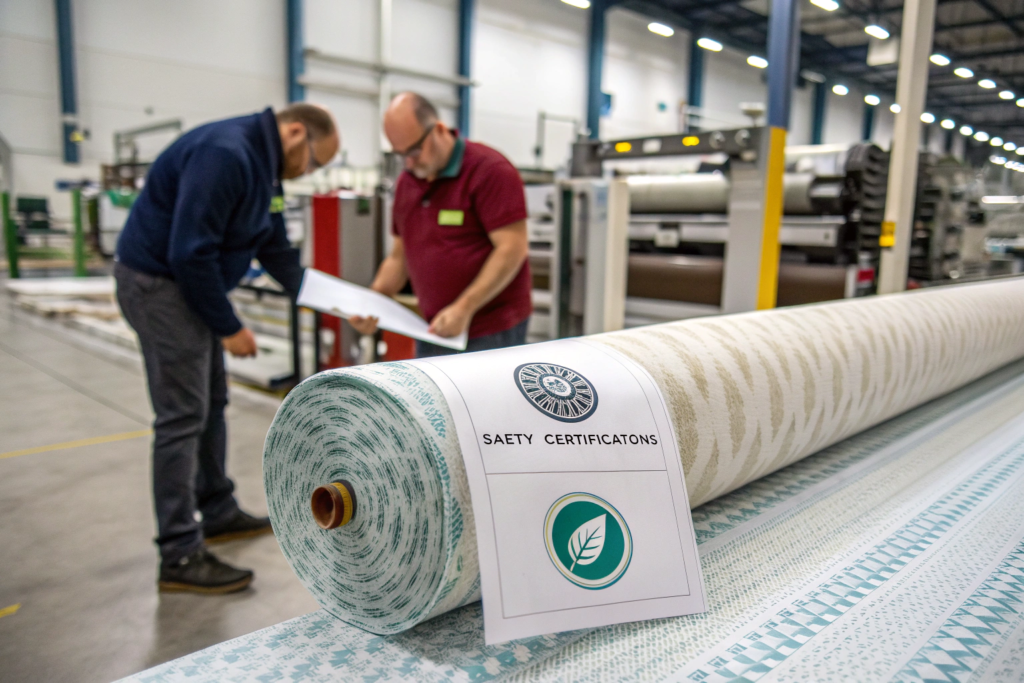
How Does CMIA Support Brand Storytelling and Market Access?
A buyer for a sustainable or premium children’s brand can use CMIA certification as a foundational element of their product story. “Made with CMIA-certified safety” is a powerful claim on tags and in marketing, resonating with safety-conscious parents. It provides a concrete answer to the question, “How do you ensure your products are safe?”
Furthermore, for buyers entering or expanding in regulated markets like China itself or other Asian markets, having CMIA-certified suppliers is often a prerequisite for streamlined customs clearance and shelf placement in major retail channels. It’s a key that unlocks doors. This is part of developing a market entry strategy for regulated apparel sectors.
Why is it Crucial for Maintaining Retailer Relationships?
Large buyers often sell to other giant retailers (e.g., a brand selling to Walmart, Target, or Amazon). These retailers have their own stringent “Standards for Suppliers” manuals. Virtually all require proof of third-party safety certification for children’s products. Having a CMIA-certified supply chain is non-negotiable for maintaining these lucrative sales channels.
A failure to provide appropriate documentation can lead to cancelled orders, fines, and delisting. By building their supply chain with pre-certified suppliers, the buyer ensures seamless compliance with their own customers’ requirements, preserving vital revenue streams. This is a critical aspect of managing compliance for major retail partnerships.
Conclusion
For large buyers, preferring CMIA-certified garment suppliers is a rational, strategic, and financial imperative. It is far more than a checkbox on a supplier audit form. It is a comprehensive risk management strategy, a filter for operational excellence, and a foundation for brand integrity and market growth.
The preference signifies a shift from viewing suppliers as cost centers to viewing them as partners in shared responsibility. It recognizes that true value lies not in the lowest first cost, but in the total cost of ownership—where safety, reliability, and compliance are priceless.
At Shanghai Fumao, we’ve positioned ourselves to be this kind of partner for large buyers. Our commitment to CMIA certification is part of a broader ecosystem of quality, transparency, and reliability that scales to meet the complex demands of global brands. If your procurement strategy is looking for partners who understand this level of responsibility and can deliver the systematic assurance you require, let’s connect. Contact our Business Director, Elaine, to discuss a partnership built on verified safety and scalable trust: elaine@fumaoclothing.com.