Walk into any major retailer today. What do you see? "Sustainable," "Eco-Friendly," "Organic" — these aren’t just buzzwords on hangtags anymore; they’re the new baseline for customer expectation. But in a sea of green claims, what truly moves the needle? For modern apparel brands looking to build longevity and trust, organic cotton verified by standards like OCS (Organic Content Standard) has shifted from a "nice-to-have" niche to a "must-have" strategic essential. It’s no longer just about ethics; it’s about business survival and growth in a transparent, value-driven market.
The modern consumer is a researcher. They have instant access to information about supply chains, environmental impact, and corporate greenwashing. They’re not just buying a t-shirt; they’re buying into a set of values and a promise of integrity. In this landscape, conventional cotton—with its well-documented high water usage, pesticide reliance, and social concerns—represents a growing reputational and commercial risk. Organic cotton, especially when backed by traceable certification, provides the antidote: a tangible, defensible foundation for a brand built to last.
But "essential" is a strong word. Let’s break it down. Why is this specific material transition so critical now? It’s because organic cotton, done right, directly addresses the four pillars of modern brand success: Consumer Trust, Supply Chain Resilience, Regulatory Compliance, and Brand Differentiation. For a brand that wants to be relevant in five years, ignoring this shift isn’t an option. Let me explain how this essential fiber weaves into the very fabric of a future-proof business.
Building Unshakeable Consumer Trust in an Age of Skepticism
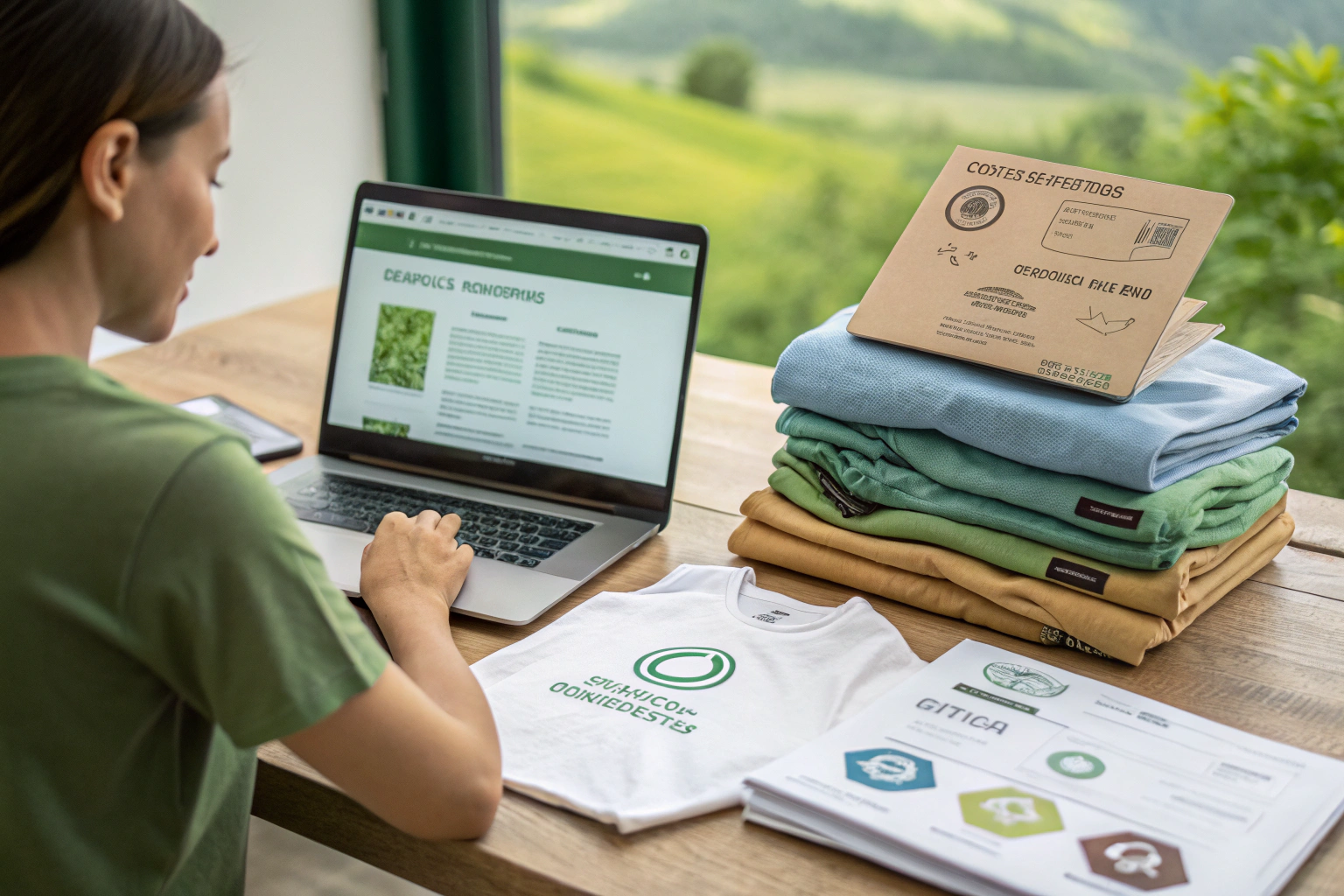
Trust is the ultimate currency for modern brands. You can’t market your way into it; you have to prove it. Organic cotton, particularly with third-party certification like OCS, is one of the most straightforward ways to build that proof. It transforms an intangible value ("we care about the planet") into a tangible, verifiable product attribute.
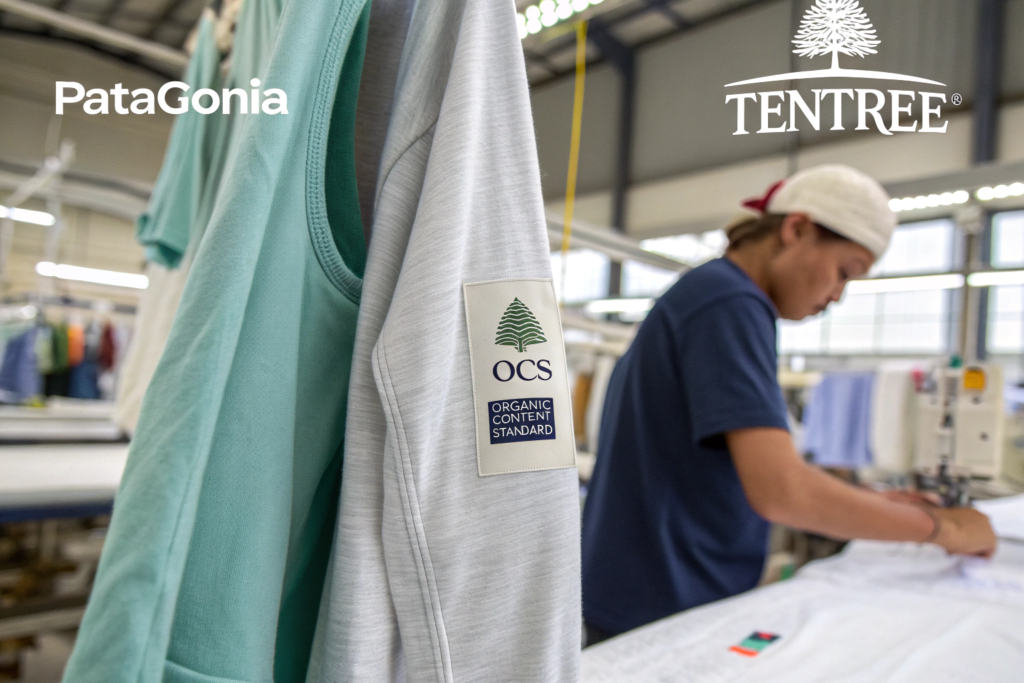
The Power of Verifiable Transparency: When you say "organic cotton," a savvy customer’s first thought is: "How do I know?" An OCS certification provides the answer. It offers a chain-of-custody paper trail that can, if you choose to share it, take the customer from the garment in their hand back to the certified field. This level of transparency is a powerful trust signal. It says, "We are so confident in our claims that we open our books to third-party auditors." Brands like Patagonia and tentree have built cult-like loyalty on this foundation of radical transparency. For emerging brands, starting with this verified material is like building your house on rock instead of sand.
Meeting the "Conscious Consumer" Where They Are: This demographic is growing exponentially. They are willing to pay a premium—often 10-30%—for products that align with their values. For them, organic cotton isn’t a luxury; it’s a minimum viable standard for responsible consumption. It addresses direct concerns about pesticide residues on skin, the health of farming communities, and water conservation. By making organic cotton essential to your collection, you’re not just selling clothing; you’re providing a solution to your customer’s ethical dilemma. A 2023 survey by a major retail analyst showed that 73% of millennials actively seek out brands with verifiable sustainability credentials—organic cotton is the most recognized and understood entry point.
How Does This Trust Translate to Sales?
Trust reduces friction in the purchasing decision. It shortens the sales cycle by eliminating doubt. For your e-commerce site, it decreases cart abandonment. For your wholesale buyers, it provides a ready-made, compelling story for their sales staff. At Shanghai Fumao, we see this directly with our brand partners. One DTC brand that switched its core line to OCS-certified cotton reported a 22% decrease in customer service inquiries about material sourcing and a 15% increase in average order value for items tagged with the certification story. The trust was monetizable.
Future-Proofing Your Supply Chain Against Disruption
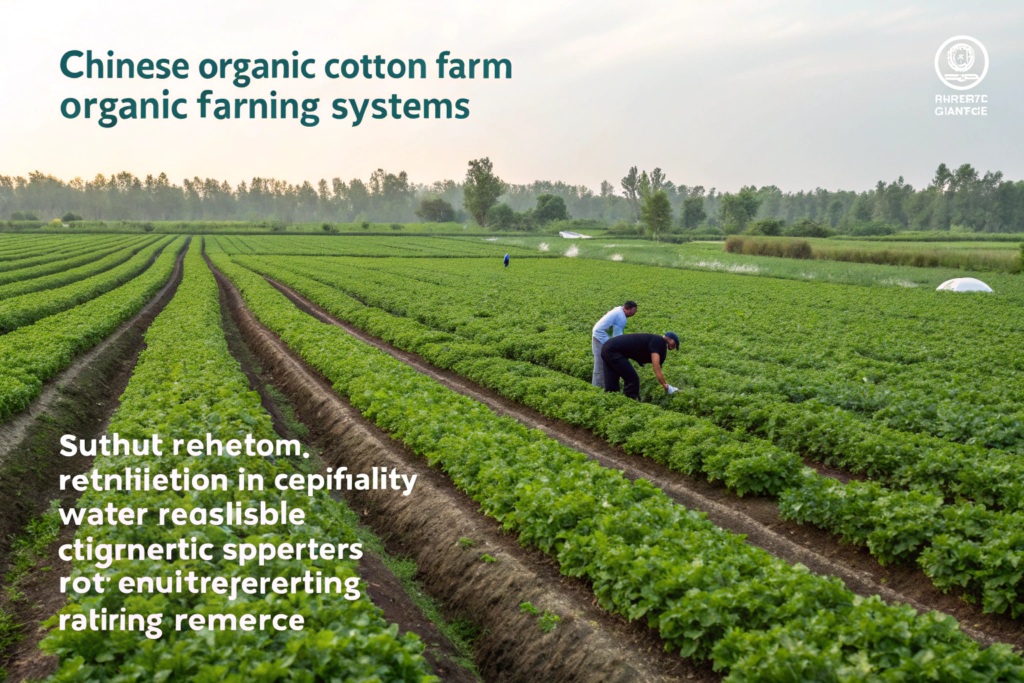
Organic Cotton as Risk Mitigation: Organic farming systems are, by design, more resilient. They promote healthier soil that retains water better, making crops less vulnerable to drought. They eliminate dependency on synthetic pesticides and fertilizers, whose costs and availability can swing wildly. By sourcing organic cotton, you’re investing in a more stable and regenerative agricultural system for your raw materials. This is long-term thinking that secures your pipeline.
Anticipating and Beating Regulation: Governments are moving fast. The European Union’s EU Strategy for Sustainable and Circular Textiles and impending Green Claims Directive are set to impose heavy fines on unsubstantiated environmental claims. The U.S. FTC is tightening its "Green Guides." Organic certification (OCS, GOTS) is a pre-approved, globally recognized method of substantiating your "organic" claim. Brands that have already integrated certified organic cotton into their supply chain will sail through these regulatory hurdles, while others will face costly audits, reformulations, and potential market exclusion. Starting now isn’t early; it’s on time.
The Retailer Mandate: Your wholesale survival depends on it. Major retailers from Target to Nordstrom are setting ambitious sustainable material goals for their private labels and are increasingly requiring brand partners to meet specific sustainability criteria. Having OCS-certified organic cotton products in your line isn’t just a sales opportunity; it’s becoming a prerequisite to getting on the shelf. It’s your ticket to accessing larger, more stable sales channels.
A Case Study in Resilience
Consider a mid-sized brand that sourced conventional cotton from a region hit by a severe drought. Their costs spiked 40%, and delivery was delayed by months. A competitor who had diversified part of their line to organic cotton from a different, more resilient region was able to maintain stable pricing and on-time delivery, capturing market share. This isn’t a hypothetical; it’s the new reality of climate-impacted sourcing.
Cutting Through the Noise with Authentic Differentiation
The apparel market is saturated. "Fast fashion" is being challenged by "conscious fashion." Your point of difference can no longer be just a new color or a slight cut variation. It must be foundational. Organic cotton provides that foundational story.
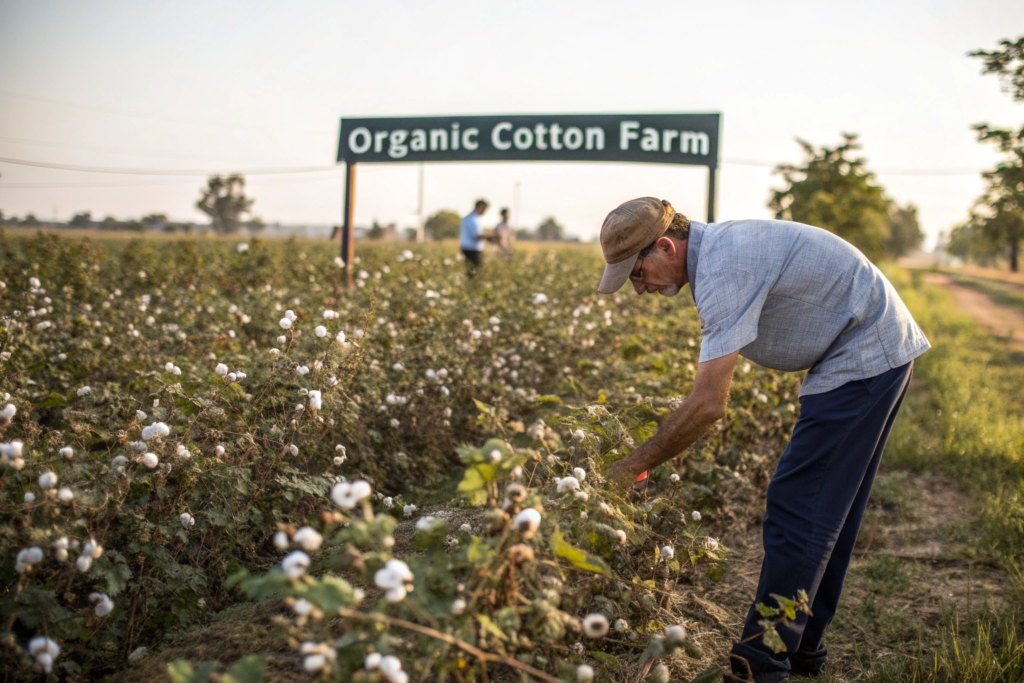
From Commodity to Narrative: Conventional cotton is a commodity. Organic cotton, especially with a traceable origin story, is a narrative. You can talk about the farmers, the water saved, the soil health improved. This narrative fuels authentic marketing content—it’s not invented; it’s reported. It gives depth to your brand that competitors using generic materials cannot easily replicate. At Fumao, we help brands access this narrative by providing not just the certified fabric, but also the background on farming cooperatives and mill partners, turning a material spec into a chapter of the brand’s story.
Aligning with the "Quiet Luxury" and "Buy Less, Buy Better" Trends: Modern luxury is increasingly defined by quality, durability, and integrity, not just logos. Organic cotton fabrics, often with a superior, natural handfeel and associated with higher construction quality, perfectly align with this trend. Similarly, the movement towards buying fewer, higher-quality items favors durable, timeless pieces made from responsible materials. By making organic cotton essential, you position your brand at the intersection of these powerful market shifts.

How Does This Play Out in Brand Positioning?
Let’s compare two hypothetical women’s wear brands launching a basic white tee:
- Brand A (Conventional): "Soft Everyday Tee." Key message: comfort, fit, price.
- Brand B (OCS Organic): "The Essential Tee. 100% Traceable Organic Cotton." Key message: purity, transparency, water savings, support for organic farming.
Brand B immediately operates in a less crowded, higher-value space. It appeals to the conscious consumer, the gift-giver looking for meaning, and the retailer curating a sustainable edit. The material is the differentiation.
Operationalizing the Essential: Making the Shift Practical
Understanding why organic cotton is essential is one thing. Implementing it is another. The perceived barriers—cost, complexity, supply—are real but manageable with the right partner.
Navigating the Cost Equation: Yes, organic cotton fabric has a premium, typically 20-40%. However, this is not just a cost; it’s an investment in the value pillars discussed above. The key is to optimize elsewhere:
- Simplify Designs: Reduce complex trims and constructions to offset material cost.
- Adopt a Tiered Strategy: Not every item needs to be organic from Day 1. Start with your hero basics or best-selling category.
- Communicate Value: Educate your customer on why the price reflects true cost. Transparency justifies the premium.
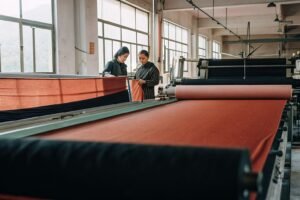
Solving the Supply Chain Complexity: This is where a partner like Shanghai Fumao becomes critical. The complexity of managing OCS certification across multiple vendors is the single biggest operational hurdle. We eliminate that by providing a vertically integrated solution. We manage the certified yarn sourcing, weaving, and dyeing, delivering you finished OCS fabric with all documentation consolidated. We turn a multi-vendor puzzle into a single, reliable pipeline. For a growing brand, this service is as valuable as the fabric itself—it makes the "essential" transition operationally possible.
Starting Smart: The Capsule Collection Approach. You don’t need to convert 100% of your line overnight. Launch an "Organic Essentials" capsule. Use it to test the market, refine your messaging, and build your internal expertise. The data and feedback from this capsule will guide your broader transition and prove the concept before you fully commit.
The Fumao Blueprint for Integration
For our clients, we provide a clear path:
- Fabric Selection: Choose from our curated library of OCS-certified base fabrics (jersey, poplin, terry) with achievable MOQs.
- Documentation Handoff: We provide the full OCS TC and test report pack, ready for your compliance files.
- Storytelling Support: We supply background information on the fiber’s journey for your marketing team.
- Scalable Growth: As your demand grows, we scale with you, offering access to more specialized OCS fabrics and finishes.
This blueprint has helped dozens of brands make organic cotton not just an idea, but an integrated, profitable part of their business.
Conclusion
Organic cotton is essential for modern apparel brands because it directly solves the core challenges of operating in today’s market: earning consumer trust in a skeptical world, building a supply chain resilient to climate and regulatory shocks, and achieving meaningful differentiation in a crowded field. It is the most credible and scalable entry point into the sustainable apparel economy.
The transition is no longer a question of "if" but "how." The brands that will lead the next decade are those that recognize this essential shift and partner with suppliers who can make the journey efficient, credible, and commercially sound. They will move from making claims to providing proof, from following trends to setting standards.
At Shanghai Fumao, we believe in this essential future. Our entire operation is built to empower brands to make this shift seamlessly. We provide the verified materials, the transparent systems, and the partnership needed to make organic cotton a foundational, rather than a peripheral, part of your brand’s identity. Ready to build your essential collection? Contact our Business Director, Elaine, to begin the conversation. Email: elaine@fumaoclothing.com.