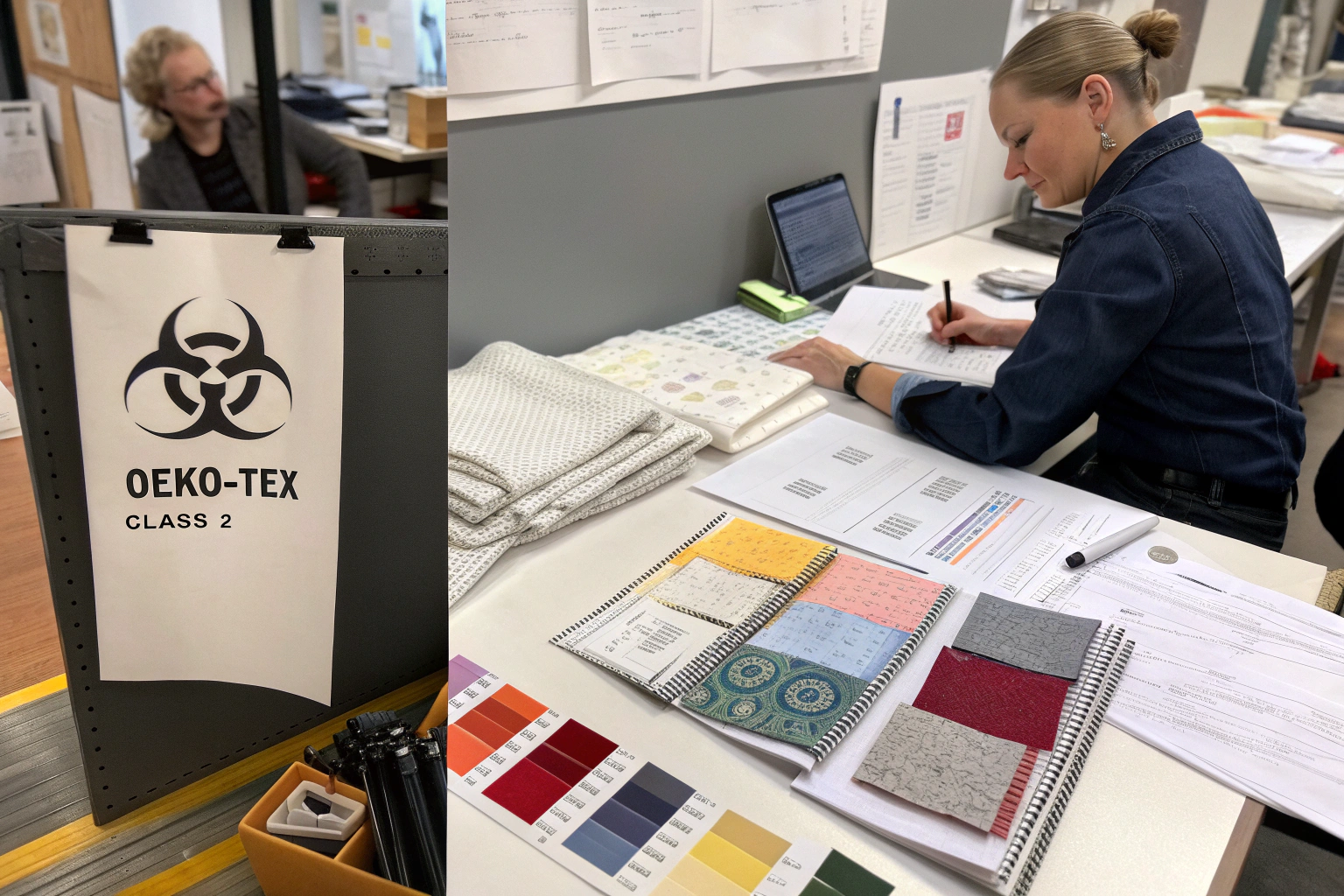
You're investing time and money into custom clothing manufacturing—designing unique styles, selecting perfect fabrics, building your brand. But what if the very thing that makes your product special (custom dyes, specific finishes, unique blends) also makes it a chemical hazard? In the rush to create, many brands overlook a silent deal-breaker: skin safety. OEKO-TEX Class 2 isn't just another certification to list on your tag; it's the essential quality control framework that ensures your custom creation is safe to wear, protects your brand from liability, and meets the baseline expectation of today's informed consumer. Without it, you're not just manufacturing clothes; you're manufacturing risk.
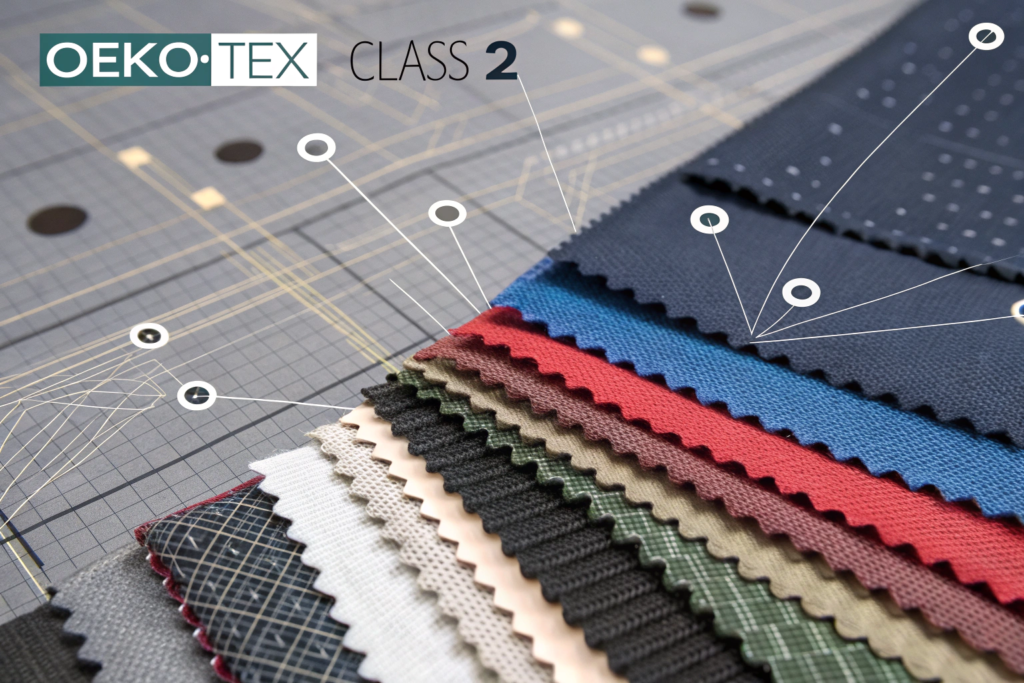
OEKO-TEX Class 2 is essential because custom manufacturing inherently introduces variables and risks that standard, off-the-shelf fabrics don't have. It's the definitive, third-party verification that all the special components you've chosen—your custom-dyed Italian wool, your moisture-wicking finish, your branded prints—have been tested against the strictest global standards for prolonged skin contact and are free from harmful levels of over 100 regulated substances. For custom manufacturing, Class 2 acts as your independent safety officer, ensuring your unique vision doesn't compromise on the non-negotiable aspect of product safety. It transforms "custom" from just a style descriptor to a mark of accountable craftsmanship.
At Shanghai Fumao, we've seen the pivotal role Class 2 plays. In 2023, a direct-to-consumer athleisure brand from California came to us with a problem. Their first custom-run of leggings—made with a custom-milled biodegradable fabric—caused skin irritation for a small but vocal group of customers. They had skipped Class 2 testing to save costs and time. The backlash was immediate: returns, negative reviews, and a damaged reputation. We helped them re-engineer the fabric, selecting OEKO-TEX-compliant dyes and a skin-neutral pH finishing process. The revised product, now proudly bearing the Class 2 label, became their bestseller and restored trust. This isn't an isolated case; it's the new rule. Let's break down why.
How Does Class 2 Mitigate Risks in Custom Material Sourcing?
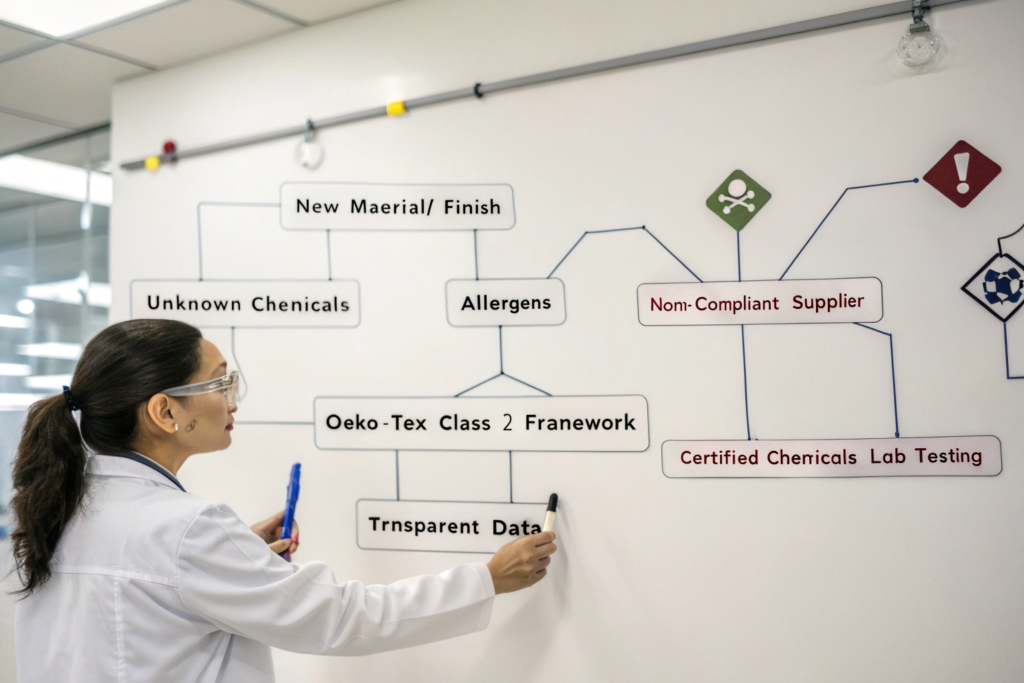
Custom manufacturing starts with sourcing unique materials. This often means working with smaller mills, trying innovative blends (like recycled cashmere with Tencel™), or applying special finishes. These are all risk hotspots. Standard fabrics have established supply chains; custom materials are an adventure. Class 2 provides the map and the safety net.
The certification process forces a disciplined, chemical-aware approach to sourcing. It requires full disclosure of every substance used. For instance, if you want a fabric with an antimicrobial finish for your custom yoga line, the finish must be from an OEKO-TEX ECO-Passport certified chemical portfolio. This eliminates the temptation for suppliers to use cheaper, non-compliant biocides that could cause allergies. At Shanghai Fumao, our R&D team starts every custom project with the OEKO-TEX Standard 100 restricted substance list (RSL) in hand. When a client wanted a custom UV-protective linen for resort wear, we didn't just source any UV absorber. We sourced one with an existing ECO-Passport, then tested the treated fabric in-house for any residual harmful substances before bulk production. This proactive compliance is baked into our agile R&D process.
What Hidden Dangers Does Class 2 Uncover in Custom Dyes and Finishes?
The beauty of custom clothing often lies in its colors and hand-feel. But custom dyes and softeners are the number one source of chemical non-compliance. A stunning, deep black might require heavy metal complexes. A buttery-soft hand-feel might come from illegal phthalate-based softeners. Class 2 testing is designed to find these.
It doesn't just test for "known" bad substances; it uses sensitive methods to detect unexpected contaminants. For example, in 2022, we developed a custom-dyed organic cotton velour for a European loungewear brand. The dyehouse was reputable, but our pre-testing for Class 2 revealed trace amounts of an allergenic disperse dye—a dye typically used on polyester, not cotton. The culprit was cross-contamination in the dyeing machine. Without the specific, stringent testing mandated by Class 2, this would have gone unnoticed, potentially causing skin reactions. We cleaned the machinery and re-ran the batch. This level of scrutiny is why understanding common chemical hazards in textile dyeing and finishing is critical. Resources from independent testing consortiums like The ZDHC Foundation's Gateway provide deep insights into these complex supply chain issues.
Can Class 2 Certification Streamline Your Supplier Vetting Process?
Absolutely. It serves as a powerful filter. When you mandate OEKO-TEX Class 2 compliance for your custom project, you immediately separate capable suppliers from risky ones. A factory that can reliably deliver Class 2 certified custom goods typically has:
- Established Chemical Management: They work with certified chemical suppliers.
- Technical Expertise: They understand how process variables (temperature, pH, time) affect chemical residues.
- Quality Infrastructure: They have, or partner with, proper testing facilities.
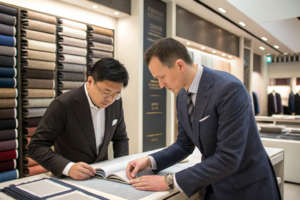
Asking "Can you guarantee OEKO-TEX Class 2 certification for this custom development?" is a more effective question than weeks of factory audits. At Shanghai Fumao, this is our baseline. We invite potential clients to visit our CNAS lab virtually and review our chemical supplier approval records. This transparent vetting process works in reverse too—it gives you, the brand, unparalleled confidence. For entrepreneurs, learning how to technically evaluate a clothing manufacturer is key. Platforms like Maker's Row often discuss these due diligence frameworks.
Why Is Class 2 a Strategic Marketing Asset, Not Just a Cost?
Viewing Class 2 as a mere compliance cost is a missed opportunity. For custom clothing, which already commands a premium, Class 2 is the verified story that justifies that premium. It answers the customer's unspoken question: "This is unique, but is it safe for me to wear all day?"
In marketing, specificity wins. "OEKO-TEX Certified" is good. "OEKO-TEX Class 2 Certified for skin safety" is powerful. It shows you've gone the extra mile specifically for your customer's well-being. It's a tangible differentiator in crowded markets like athleisure, underwear, and premium basics. A 2023 case study with a New York-based custom shirt maker showed this. After adding Class 2 certification to their Egyptian cotton dress shirts, they incorporated the claim into their product pages and packaging. Within two quarters, they saw a 12% increase in average order value and a significant drop in return reasons related to "skin comfort." The certification provided a logical reason for customers to choose their $250 shirt over a similar-looking $150 one.
How Does It Build Brand Trust and Customer Loyalty?
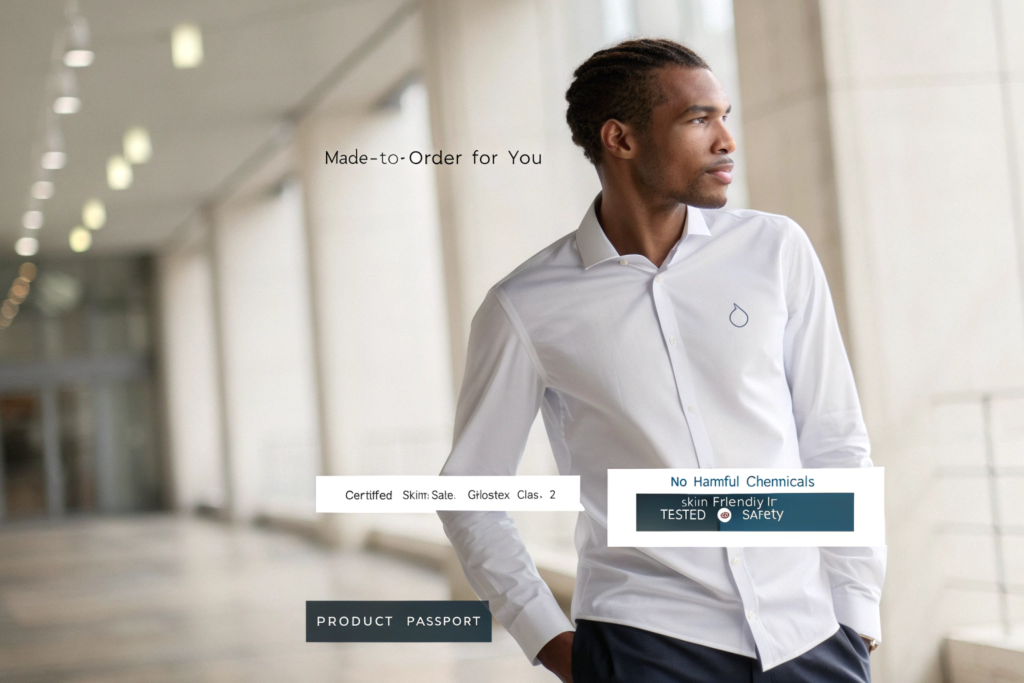
Trust is the currency of modern commerce. Class 2 certification is a trust signal that is globally recognized and independently verified. It outsources credibility. When a customer sees that label, they know your product's safety has been confirmed by a rigorous, impartial system. This builds loyalty because it reduces perceived risk in their purchase decision.
For custom brands, where the relationship with the customer is direct and personal, this trust is everything. It transforms a transaction into a partnership in well-being. Sharing the "why" behind the certification—through blog posts or social media content about your commitment to safe materials—deepens this connection. At Shanghai Fumao, we help our partners tell this story by providing clear, marketing-ready explanations of what Class 2 means. We've seen brands use this to foster communities of advocates who value transparency as much as style.
Does Class 2 Certification Future-Proof Your Brand Against Regulations?
Yes, decisively. Global regulations on chemical safety in textiles (like EU REACH, US CPSIA, California Prop 65) are constantly expanding. OEKO-TEX Class 2 is often stricter than the current legal requirements of many countries. By adhering to it now, you are building a product that is likely to comply with future, stricter laws.
This is a strategic shield. It minimizes the risk of your custom product being banned or recalled due to a regulatory change. For brands looking to sell internationally from day one, Class 2 simplifies market entry. It's a pre-emptive compliance strategy. Engaging with updates on global textile regulation trends is wise for any brand owner. Following industry news on sites like Ecotextile News can keep you ahead of the curve.
What Is the Practical Process for Certifying a Custom Product?
The process is collaborative and systematic, not mystical. Here’s how it works with a qualified partner like Shanghai Fumao:
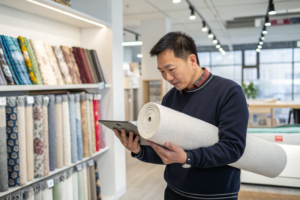
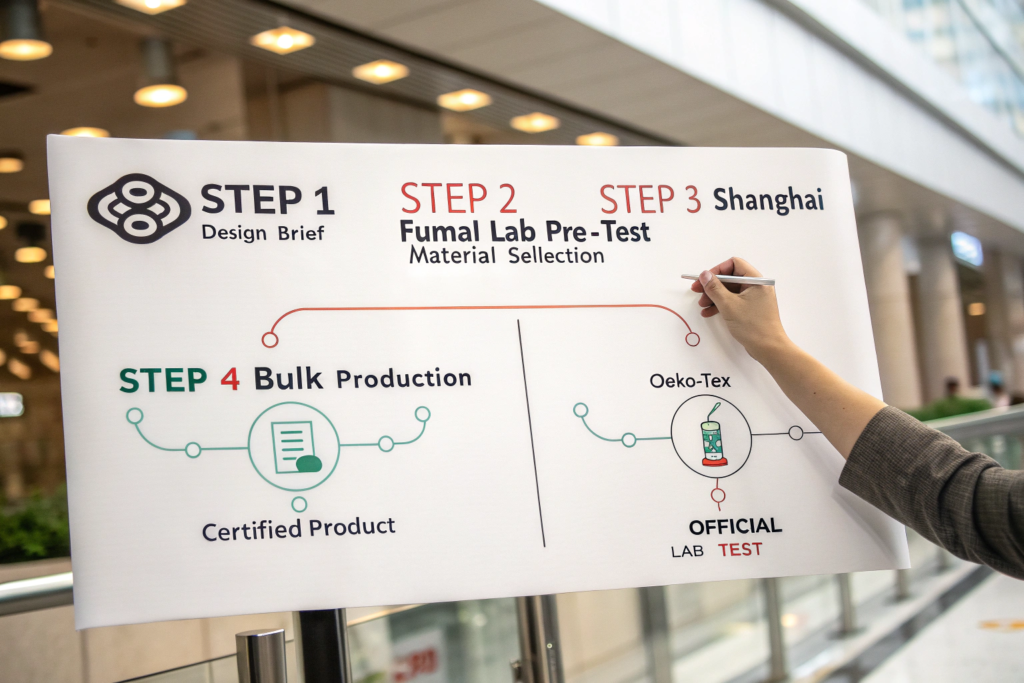
- Intent Declaration & Material Review: You declare the product's intended use (e.g., "women's tops with direct skin contact"). We review all selected components (fabric, thread, buttons, interlining, prints) against our compliant material database.
- Development with Compliance in Mind: Our R&D creates the custom fabric, selecting only from OEKO-TEX-approved chemical libraries. We produce lab dip samples.
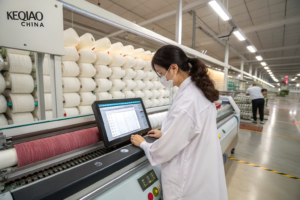
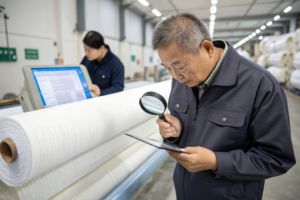
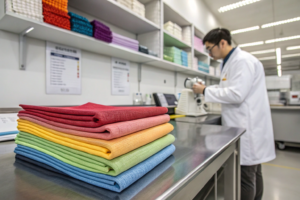
- Pre-Testing (The Critical Step): We test the lab dip and all components in our CNAS lab against the full Class 2 criteria. This identifies and fixes any issues at the sample stage.
- Bulk Production of Approved Recipe: Once the sample passes pre-testing, the exact "recipe" (dyes, chemicals, process parameters) is locked for bulk production.
- Official Certification Submission: We submit samples from the first bulk production batch to an OEKO-TEX accredited institute (like Hohenstein or TESTEX). Because of pre-testing, this has a near-100% pass rate.
- Certificate Issuance & Digital Linking: The certificate is issued for that specific product and batch. We link it to your fabric's digital ID in our traceability system.
This process adds time, but it is managed time. For a fully custom fabric, from development to certified bulk, budget 8-10 weeks with a partner like us. Trying to shortcut it risks 16+ weeks of delays from failures.
Who Bears the Responsibility and Cost for Certification?
In a true partnership, responsibility is shared, but the operational and financial burden is best borne by the manufacturer. Here’s the breakdown:
- Brand Responsibility: To clearly communicate the certification requirement upfront and provide accurate information on all product components.
- Manufacturer Responsibility: To execute the compliant development, pre-testing, production, and submission process. To cover the cost of the official certification for the agreed-upon quantity (this is often included in a premium FOB price).
- Shared Responsibility: To communicate openly throughout the process.
At Shanghai Fumao, we include the certification cost for the initial minimum order quantity (MOQ) in our project quote. This aligns our incentives—we succeed only when you get a certified, saleable product. We are financially motivated to get it right the first time. This is a fundamentally different model from factories that charge testing as a separate, costly line item after production.
How Does Batch-Specific Certification Protect Your Custom Order?
This is crucial. The certificate is not for your "design"; it's for a specific production batch using specific materials. If you re-order the same custom fabric six months later, it must be certified again. This ensures that any changes in dye lots or auxiliary supplies don't compromise safety.
Our system manages this seamlessly. Each production batch gets a unique ID. The certificate is digitally linked to that ID. When you re-order, we run our internal pre-tests again to confirm consistency before proceeding with the official certification for the new batch. This continuous verification is the core of a reliable guarantee. For brands, understanding the importance of batch testing in garment manufacturing is non-negotiable for quality assurance.
Can You Achieve Class 2 with Complex Custom Fabrics (E.g., Technical or Blended)?
Not only can you, but you must for technical and blended fabrics. The complexity of these materials makes Class 2 even more essential. Performance fabrics (with moisture-wicking, temperature regulation, or elasticity) and innovative blends (like wool-silk-recycled polyester) rely on complex chemistry. Class 2 is the tool to ensure this complexity doesn't create toxicity.
The challenge is greater, but the process is the same: deconstruct, verify, and test. For a custom 3-layer waterproof breathable laminate for high-end outerwear, we test each layer separately (outer fabric, membrane, inner lining) and then the composite. For a custom antibacterial silver-fiber blended fabric, we test for silver ion release rates to ensure they are effective yet within safe skin contact limits. Our experience is key here. In 2024, we developed a custom compostable PLA and hemp blend for a sustainable activewear brand. Achieving Class 2 required finding a biodegradable softener that wouldn't break down into harmful byproducts during the test's sweat simulation. Our R&D team tested 7 different formulations before succeeding.
What Are the Common Pitfalls and How to Avoid Them?
Pitfall 1: Underestimating Trims and Accessories. A custom fabric can pass, but the non-compliant dye on your custom woven label or the plasticizer in your branded zipper can fail the entire garment. Solution: Provide ALL components to your manufacturer for pre-testing, or mandate they source all trims from compliant suppliers.
Pitfall 2: Last-Minute Design Changes. Switching a lining fabric or print technique after pre-testing invalidates the results. Solution: Freeze your Bill of Materials (BOM) before the pre-testing stage. Any change requires a new round of pre-tests.
Pitfall 3: Choosing a Manufacturer Without In-House Lab Support. Relying solely on external labs for custom work creates a costly, slow feedback loop. Solution: Partner with a manufacturer like Shanghai Fumao that has integrated lab capabilities. It's the difference between having a doctor on-site versus sending out for lab results and hoping for the best.
Conclusion
OEKO-TEX Class 2 is not an accessory to custom clothing manufacturing; it is the foundation. It is the essential discipline that ensures your creative ambition results in a product that is safe, trustworthy, and market-ready. It mitigates the hidden risks of custom sourcing, transforms a cost center into a marketing powerhouse, and builds a resilient, regulation-ready brand.
In the world of custom, where control is everything, Class 2 gives you control over the most important aspect you can't see: chemical safety. Partnering with a manufacturer like Shanghai Fumao, who treats this not as a service but as a core capability, is the smartest decision you can make. We provide the framework, the expertise, and the verification, so you can focus on what you do best—creating amazing clothes that your customers can wear with absolute confidence.
Ready to make Class 2 the cornerstone of your next custom collection? Let's build it safely, from the ground up. Contact our Business Director, Elaine, to start a conversation about your project and our certified development process. Email: elaine@fumaoclothing.com.