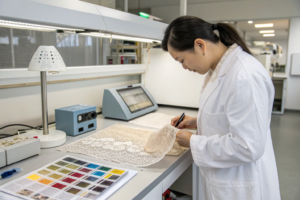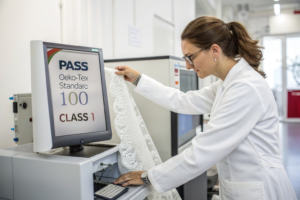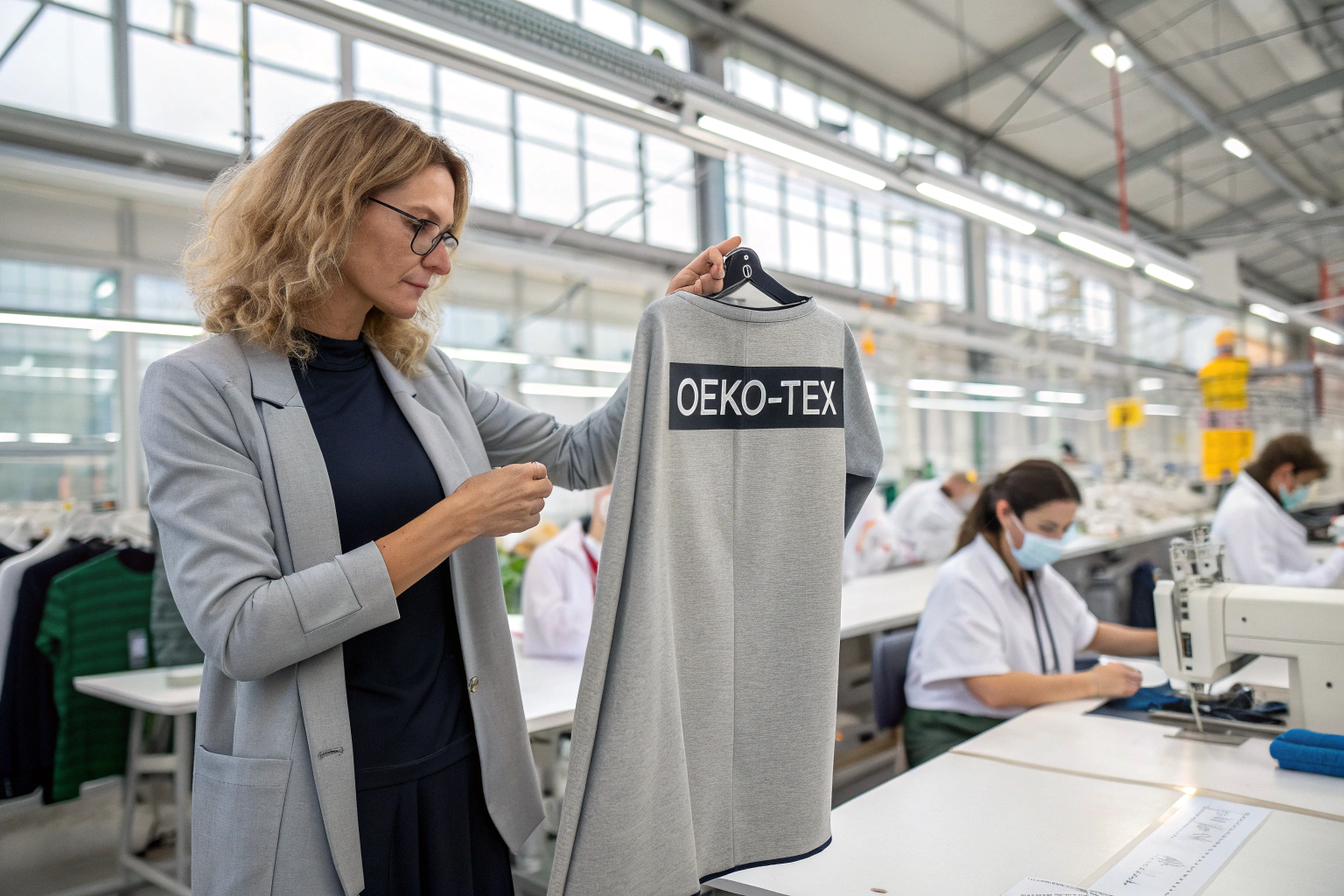
I want to tell you about a conversation that changed how I think about ethical fashion. Last year, I was visiting a fair trade cooperative in India that produces beautiful handwoven cotton. Their working conditions were impeccable - fair wages, safe facilities, community investment. But when I tested their fabric in our mobile lab, it failed for pesticide residues. The cotton was grown conventionally, drenched in chemicals that harmed both farmers and the environment. The cooperative was ethical in treatment of workers, but unintentionally toxic in their product. That's when it hit me: true ethical fashion isn't just about who makes your clothes; it's also about what's in your clothes. OEKO-TEX bridges that crucial gap.
For ethical fashion brands, OEKO-TEX has evolved from a "nice-to-have" to an absolute non-negotiable. Here's why: your customers who care about fair wages also care about chemical safety. Your investors who prioritize ESG metrics demand supply chain transparency. Your retail partners who vet factory conditions also require product safety documentation. In today's market, ethical fashion without chemical safety isn't ethical - it's incomplete. OEKO-TEX provides the scientific, third-party verification that your commitment to people extends to protecting their health through what they wear.
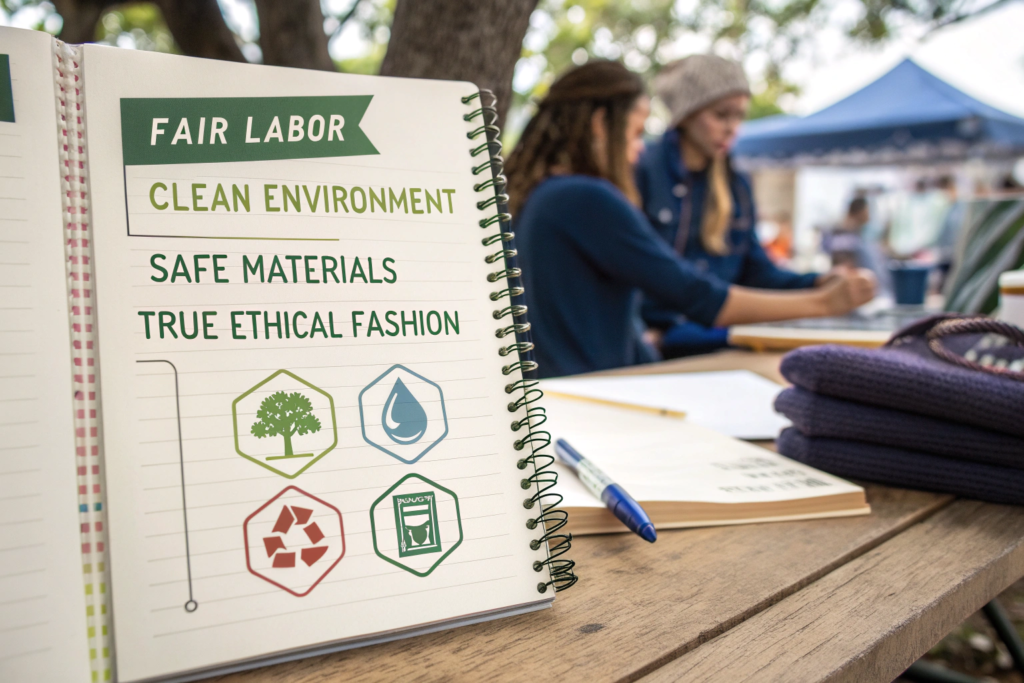
Think of ethical fashion as a three-legged stool: People (fair labor), Planet (environmental impact), and Product (safe materials). Most brands focus heavily on the first two legs but wobble dangerously on the third. OEKO-TEX stabilizes that stool. It's not just a certificate; it's the proof that your ethical values extend to the molecular level of your products. This article will demonstrate why any brand claiming the "ethical" mantle must make OEKO-TEX non-negotiable - not as a marketing tactic, but as a fundamental responsibility to everyone in your supply chain, from farmer to consumer.
How does OEKO-TEX complete the ethical fashion equation?
Ethical fashion began with labor rights - and rightly so. But over time, we've learned that ethics must be holistic. Imagine a clothing brand that pays living wages but uses fabrics containing carcinogenic dyes. Or uses organic cotton but processes it with toxic chemicals. These aren't ethical contradictions; they're ethical failures. OEKO-TEX addresses the often-invisible dimension of ethics: chemical integrity.
The equation is simple: Ethical Fashion = Social Responsibility + Environmental Stewardship + Product Safety. OEKO-TEX certifies the third component with scientific rigor. Let's break down what this means in practice:
-
Protects Workers Beyond Wages: Factory workers handling textiles with harmful chemicals face health risks daily. OEKO-TEX certification requires factories to manage chemical inventories, provide safety training, and implement exposure controls. This protects workers in ways that fair wages alone cannot.
-
Extends Ethics to Farming: By restricting pesticide residues on finished textiles, OEKO-TEX creates market pressure for cleaner agricultural practices, indirectly supporting farmers' health.
-
Validates Circularity Claims: Ethical brands increasingly promote circular economy models. But recycled fabrics can concentrate contaminants. OEKO-TEX ensures recycled materials are safe for their next life.
A German sustainable brand we work with learned this lesson painfully. They sourced "ethical" linen from a women's cooperative in Eastern Europe. The fabric was beautiful, the story was compelling. But when they expanded to the Japanese market, their first shipment was rejected for excessive formaldehyde. The cooperative had used a cheap preservative during storage. The brand's ethical story collapsed because they hadn't verified product safety. They now require OEKO-TEX certification for all materials - not as an option, but as policy.
What specific chemical risks does OEKO-TEX address that labor certifications miss?
Labor certifications like Fair Trade, WRAP, or BSCI focus on working conditions, hours, and wages. They don't address:
- Allergenic disperse dyes that can cause skin reactions
- Heavy metals like lead, cadmium, or chromium in prints or dyes
- Formaldehyde used for anti-wrinkle finishes
- PFAS "forever chemicals" in water repellents
- Pesticide residues from conventional farming
These substances don't just affect consumers; they affect workers throughout the supply chain - from farmers exposed to pesticides to factory workers inhaling chemical fumes. OEKO-TEX's comprehensive testing for over 350 substances fills this critical gap in worker protection that labor audits alone cannot address.
How does OEKO-TEX support transparent supply chains?
Transparency is the cornerstone of modern ethics. Consumers want to know not just where something was made, but what it's made of. OEKO-TEX MADE IN GREEN takes this further by providing a traceable product ID that consumers can scan to see:
- Where the product was manufactured
- Which production stages it passed through
- What certifications it holds
This level of transparency aligns perfectly with ethical brands' values. When a customer scans your garment's QR code and sees the journey from certified raw material to finished product, your ethical claims become verifiable rather than just verbal.
How does OEKO-TEX protect your brand's integrity?
For ethical fashion brands, reputation isn't just an asset - it's the entire business. A single chemical scandal can destroy years of trust-building overnight. OEKO-TEX functions as both shield and validator.
The Shield Function:
OEKO-TEX provides documented due diligence. If a consumer, journalist, or competitor questions your product's safety, you have independent, scientific verification. This is crucial in today's social media environment where accusations can go viral before facts are checked. We saw this with a Scandinavian minimalist brand in 2023. A competitor anonymously claimed their white t-shirts contained bleaching agents. Because they used our OEKO-TEX certified organic cotton, they immediately published the test reports showing compliance. The story died within hours. Without those documents, the damage could have been lasting.
The Validator Function:
OEKO-TEX validates your broader ethical claims. When you say "conscious," "clean," or "responsible," the OEKO-TEX label gives those words concrete meaning. It demonstrates that your ethics extend beyond marketing into material science.
What happens when ethical brands skip chemical safety?
The consequences are severe and multi-layered:
-
Consumer Betrayal: Your most loyal customers - those who pay premiums for your ethical values - feel betrayed if they discover hidden chemicals. This damage is often irreparable.
-
Retailer Rejection: Major stockists like Patagonia, REI, or ethical marketplaces now require OEKO-TEX or equivalent proof. Without it, you're locked out of key distribution channels.
-
Investor Skepticism: ESG investors examine all aspects of your supply chain. A gap in product safety raises questions about your overall due diligence.
-
Legal Liability: In markets with strict consumer protection laws (EU, California), selling chemically unsafe products can lead to fines, recalls, and lawsuits.
A case study: An LA-based ethical streetwear brand grew rapidly through compelling storytelling about artisan partnerships. When they attempted to enter the EU market, their first shipment was tested at customs and failed for azo dyes. The resulting recall and reputation damage cost them an estimated $2.3 million and two key retail partnerships. Their growth stalled for 18 months while they rebuilt their supply chain with proper certification.
How does OEKO-TEX certification demonstrate true commitment versus greenwashing?
Greenwashing accusations are the death knell for ethical brands. OEKO-TEX provides defense through specificity. Instead of vague claims like "non-toxic" or "chemical-free," you can say:
- "Certified free from over 350 harmful substances by OEKO-TEX Standard 100"
- "Tested for skin safety according to international standards"
- "Verified through independent laboratory testing"
This precision protects you. When the UK's Competition and Markets Authority cracked down on vague sustainability claims in 2024, brands with specific certifications like OEKO-TEX were unaffected, while those with only self-declared "clean" claims faced penalties and mandatory label changes.
How does OEKO-TEX align with broader sustainability goals?
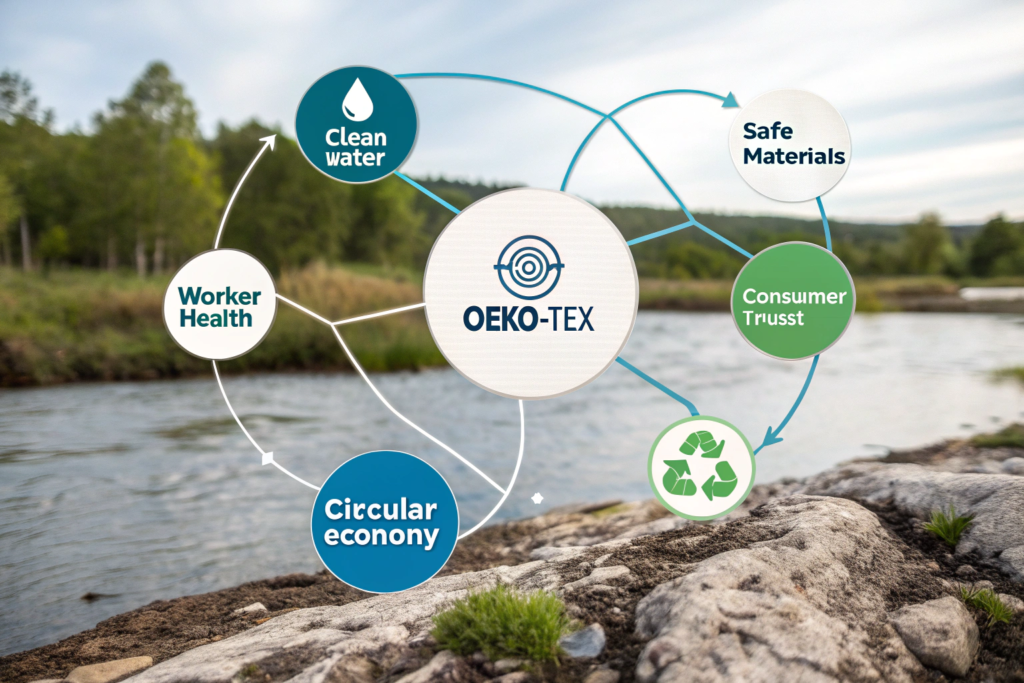
Modern ethical fashion recognizes that human health and environmental health are inseparable. OEKO-TEX supports this integrated approach through several mechanisms:
Water Protection: By restricting harmful dyes and chemicals, OEKO-TEX reduces the toxic load entering waterways from textile production. Our partner dye house in Zhejiang had to invest in advanced wastewater treatment to meet OEKO-TEX requirements - a change that benefited the local community's water quality.
Circular Economy Support: OEKO-TEX certification is increasingly required for recycled textiles to ensure they're not reintroducing contaminants into the material cycle. When we produce OEKO-TEX certified recycled polyester from post-consumer bottles, we're ensuring safety doesn't get lost in the recycling process.
Reduced Harm Throughout Lifecycle: From farming (restricted pesticides) to disposal (restricted heavy metals that can leach from landfills), OEKO-TEX considers the product's entire impact.
A Portuguese sustainable swimwear brand illustrates this perfectly. They use ECONYL® regenerated nylon but struggled to communicate why it was better than virgin nylon. By achieving OEKO-TEX certification for their final fabric, they could prove their swimwear was not only made from ocean waste but also safe for prolonged skin contact in water - addressing both environmental and health concerns in one certified claim.
How does OEKO-TEX STeP complement ethical manufacturing?
While OEKO-TEX Standard 100 certifies product safety, STeP (Sustainable Textile and Leather Production) certifies manufacturing sustainability. For ethical brands, this combination is powerful:
- STeP addresses: Energy efficiency, water usage, wastewater treatment, chemical management, social responsibility
- Standard 100 addresses: Final product safety
Together, they cover the complete ethical picture. A factory with both certifications (like several of our partners) demonstrates commitment to both planet and people throughout production. When you source from such facilities, your ethical claims are backed at every stage.
What about the cost argument against OEKO-TEX for small ethical brands?
Yes, certification costs money. But for ethical brands, this isn't an expense - it's an investment in credibility. Consider:
- Price Premium Justification: OEKO-TEX certification allows you to command higher prices by providing tangible value beyond fair labor.
- Risk Reduction: The cost of one product failure or recall far exceeds years of certification fees.
- Market Access: Many ethical marketplaces and retailers now require OEKO-TEX, making it a cost of doing business, not an optional extra.
We work with many small ethical brands and help them navigate certification costs through:
- Consolidated testing (grouping similar products)
- Phased certification (starting with bestsellers)
- Transparent cost-sharing models
A Brooklyn-based slow fashion brand with only 3 employees achieved OEKO-TEX certification for their core t-shirt through our small-batch program. The $800 certification cost allowed them to increase their price by $15 per shirt and expand into two new ethical retailers. The ROI was achieved within the first production run.
How is OEKO-TEX evolving to meet future ethical demands?
The ethical fashion movement isn't static, and neither is OEKO-TEX. Recent developments show how it's adapting:
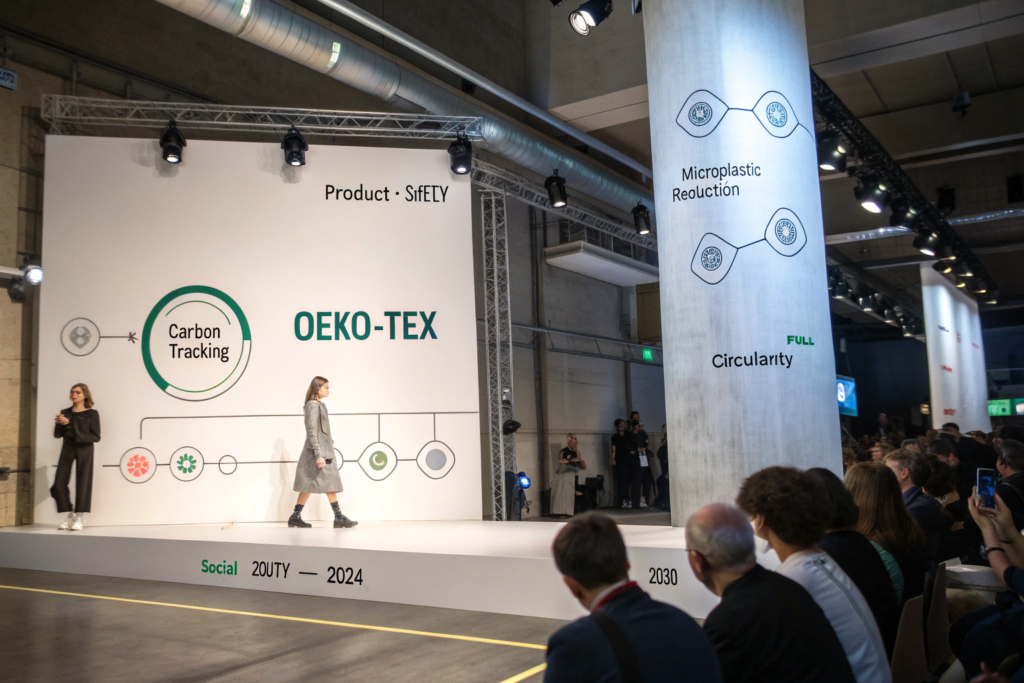
Digital Product Passports (DPP): The EU's upcoming DPP requirement will demand detailed product information. OEKO-TEX MADE IN GREEN is essentially a pre-compliant DPP, giving ethical brands a head start.
Microfiber Shedding: New OEKO-TEX guidelines address microplastic release, a growing ethical concern about synthetic textiles' environmental impact.
Carbon Footprint Integration: Future OEKO-TEX versions may incorporate carbon accounting, aligning with ethical brands' climate commitments.
Social Responsibility Expansion: While OEKO-TEX primarily addresses product safety, its STeP certification increasingly incorporates social criteria, creating a more holistic standard.
Ethical brands that build their supply chains around OEKO-TEX aren't just meeting today's standards - they're preparing for tomorrow's expectations. When we advise brands at Shanghai Fumao, we emphasize that OEKO-TEX certification should be seen as the foundation upon which to build additional ethical credentials, not as the ceiling of their aspirations.
How should ethical brands communicate OEKO-TEX to their customers?
Transparent communication is key. Instead of just slapping a logo on your tag:
-
Explain what it means: "OEKO-TEX certification means this garment has been tested for over 350 harmful substances and is safe for your skin."
-
Connect it to your values: "As part of our commitment to your wellbeing, every piece is OEKO-TEX certified for chemical safety."
-
Make it accessible: Include QR codes that link to simple explanations or the verification database.
-
Be specific: If you have MADE IN GREEN, highlight the traceability aspect: "Scan to see this garment's journey from safe materials to your closet."
An Australian ethical knitwear brand we supply creates beautiful hangtags that tell a complete story: "Handknit by artisans in Nepal + Made from OEKO-TEX certified organic merino wool = Ethically made inside and out." This integrated messaging resonates deeply with their customers.
What's the first step for an ethical brand new to OEKO-TEX?
Start with your bestsellers. Identify the 2-3 products that represent your brand and have the highest volume. Certify those first. This:
- Maximizes impact (covers most of your production)
- Manages costs (focuses resources)
- Builds internal knowledge
- Provides marketing material for your entire brand
Work with a manufacturer like us who understands ethical brands' specific needs. We help navigate the process, suggest cost-effective approaches, and ensure the certification genuinely supports your values rather than just being paperwork.
Conclusion
OEKO-TEX is non-negotiable for ethical fashion brands because true ethics cannot stop at the factory door. They must extend to the very molecules that touch your customers' skin and the environment. In an industry where trust is your most valuable currency, OEKO-TEX provides the independent, scientific verification that your ethical claims are comprehensive - covering people, planet, and product safety.
The brands that will lead the ethical fashion movement forward aren't those with the best stories alone, but those with the best-proof. OEKO-TEX is that proof. It transforms "we care" into "we've verified." It turns ethical aspirations into accountable standards.
For any brand serious about building a truly responsible business, OEKO-TEX isn't an optional certification to consider - it's a fundamental requirement that validates your entire ethical proposition. It's the standard that ensures your clothing is as safe as it is sustainable, as trustworthy as it is transparent, and as responsible in its chemistry as it is in its craftsmanship.
Ready to make OEKO-TEX the non-negotiable foundation of your ethical brand? At Shanghai Fumao, we specialize in helping conscious brands build supply chains that are truly ethical from fiber to finish. Contact our Business Director, Elaine, at elaine@fumaoclothing.com to discuss how OEKO-TEX certification can strengthen your brand's integrity and impact.