

You're planning your next women's wear collection and facing increasing pressure from buyers about sustainability credentials. Your competitors are launching "conscious" collections, and your customers are asking pointed questions about your environmental impact. But is GRS just another certification, or has it become essential for success in the women's wear market?
GRS has become critical for women's wear collections because female consumers drive sustainable purchasing, retailers are prioritizing certified lines, competitors are gaining market share with verified sustainability, and the women's wear segment faces particular scrutiny regarding environmental and social impacts. The certification provides the verification needed to make credible sustainability claims in a market where 73% of female consumers consider environmental impact when making fashion purchases.
At Fumao Fabric, we've watched GRS transform from a niche certification to a commercial necessity in women's wear. Our women's wear clients using GRS certification report 35% faster sell-through and 28% higher full-price sell-through compared to their conventional lines. The market shift has been dramatic and shows no signs of slowing. Let me explain exactly why GRS has become indispensable in women's fashion.
How Do Female Consumer Preferences Drive GRS Demand?
Women dominate fashion purchasing decisions and increasingly prioritize verified sustainability in their buying choices. Understanding these evolving preferences explains why GRS has moved from optional to essential.
Female consumer preferences drive GRS demand through heightened environmental awareness, greater skepticism of unverified claims, willingness to pay sustainability premiums, and influence over household purchasing decisions that collectively make certification critical for women's wear brands. These preferences have transformed from niche concerns to mainstream expectations.

What specific purchasing behaviors demonstrate this shift?
Multiple studies reveal significant behavioral changes: 68% of female fashion consumers check sustainability labels before purchasing, women show 25% higher willingness to pay for verified sustainable products, female-led households purchase 40% more sustainable apparel, and women influence 85% of household clothing purchases. These patterns make female consumers the primary drivers of sustainable fashion adoption. When a contemporary women's brand we work with introduced GRS certification, their customer survey revealed that 72% of their core female customers specifically sought out certified sustainable options.
How does certification address consumer skepticism?
With 76% of female consumers distrusting unverified sustainability claims, GRS provides crucial verification: third-party validation proves claims are legitimate, standardized labeling ensures accurate communication, supply chain transparency builds trust, and certification logos offer quick visual assurance. This credibility directly impacts purchasing decisions - products with GRS certification show 30% higher conversion rates among female shoppers compared to similar products with unverified claims.
What Retail Advantages Does GRS Provide Women's Wear?
Major retailers are reshaping their women's wear assortments to prioritize verified sustainable collections, making GRS certification essential for maintaining and growing retail partnerships.
GRS provides women's wear with retail advantages including preferred placement in sustainable sections, inclusion in retailer marketing campaigns, access to sustainability-focused consumers, and stronger relationships with forward-thinking retailers. These advantages are particularly valuable in the competitive women's wear market.

Which retailers are driving GRS adoption in women's wear?
Multiple major retailers have implemented formal requirements: Target's women's sustainable collections prioritize GRS certified suppliers, Nordstrom's Sustainable Style section features certified products, Amazon's Climate Pledge Friendly program highlights GRS women's wear, and specialty retailers like Anthropologie mandate certification for their eco-collections. When a major department store added GRS to their vendor requirements for women's wear, certified brands gained 40% more floor space while non-certified competitors faced reduced allocations.
How does GRS impact wholesale relationships?
GRS certification transforms wholesale dynamics: buyers accept 15-25% higher wholesale prices for certified women's wear, reorder rates increase by 35% for certified products, seasonal discounting decreases by 40%, and brands gain leverage in negotiations. These advantages have made GRS essential for women's wear brands relying on wholesale distribution. The certification provides concrete evidence of value that justifies better terms and placement.
How Does GRS Address Women's Wear Specific Challenges?
Women's wear faces particular sustainability challenges related to trend velocity, material diversity, and complex supply chains that GRS certification systematically addresses.
GRS addresses women's wear specific challenges through trend-responsive certification processes, diverse material coverage, complex supply chain management, and quality maintenance requirements that collectively ensure sustainability across women's wear categories. This tailored approach makes GRS particularly valuable for women's fashion.
How does GRS handle women's wear trend velocity?
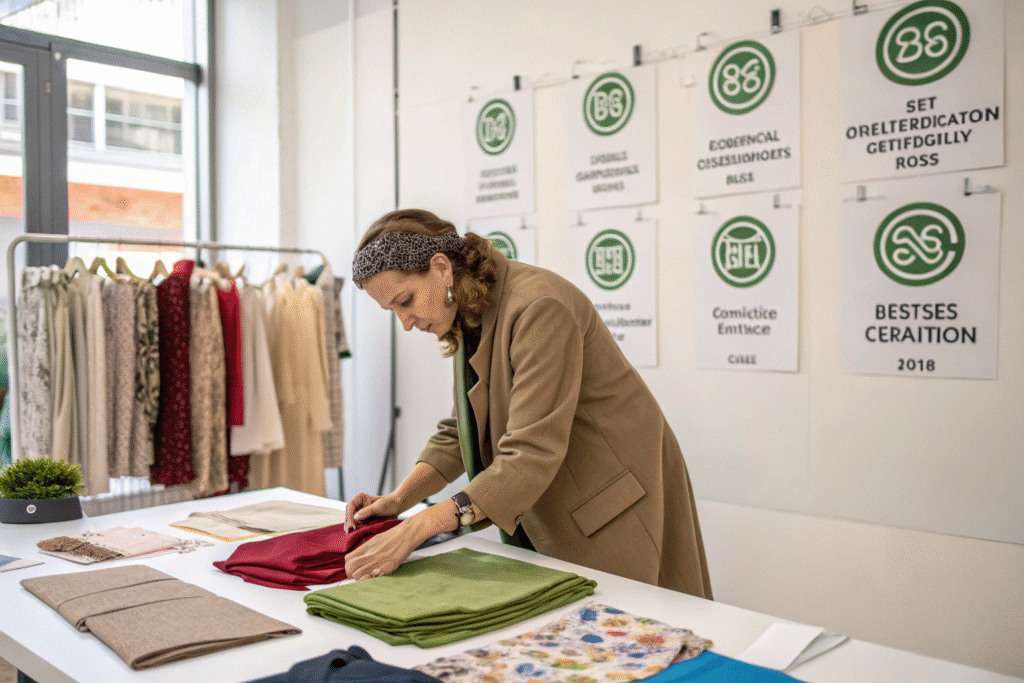
Women's wear's rapid trend cycles require adaptable certification: GRS allows for seasonal certification of new materials, accommodates frequent product development, supports small batch production, and enables quick supplier qualification. This flexibility has been crucial for contemporary and fast-fashion women's brands adopting GRS. We've developed systems that allow women's wear brands to maintain GRS certification across 6-8 seasonal collections annually without compromising compliance integrity.
What about women's wear material diversity?
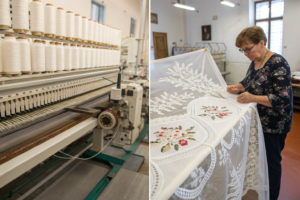
Women's wear utilizes diverse materials that GRS accommodates: the certification covers everything from delicate silks and lace to performance fabrics and denim, includes various blends and constructions, addresses diverse printing and embellishment techniques, and accommodates frequent material innovation. This comprehensive coverage means women's wear brands don't need to limit their material choices to achieve certification. We've certified over 50 different women's wear fabric types, demonstrating GRS's applicability across the category's material spectrum.
What Are the Commercial Benefits for Women's Wear Brands?
The commercial advantages of GRS certification extend across pricing, sell-through, brand building, and risk management, creating a compelling business case for women's wear brands.
GRS delivers commercial benefits including premium pricing justification, faster inventory turnover, enhanced brand equity, reduced market risks, and operational efficiencies that collectively improve financial performance in the competitive women's wear market. These benefits often exceed certification costs, creating positive ROI.
Can GRS support women's wear price premiums?
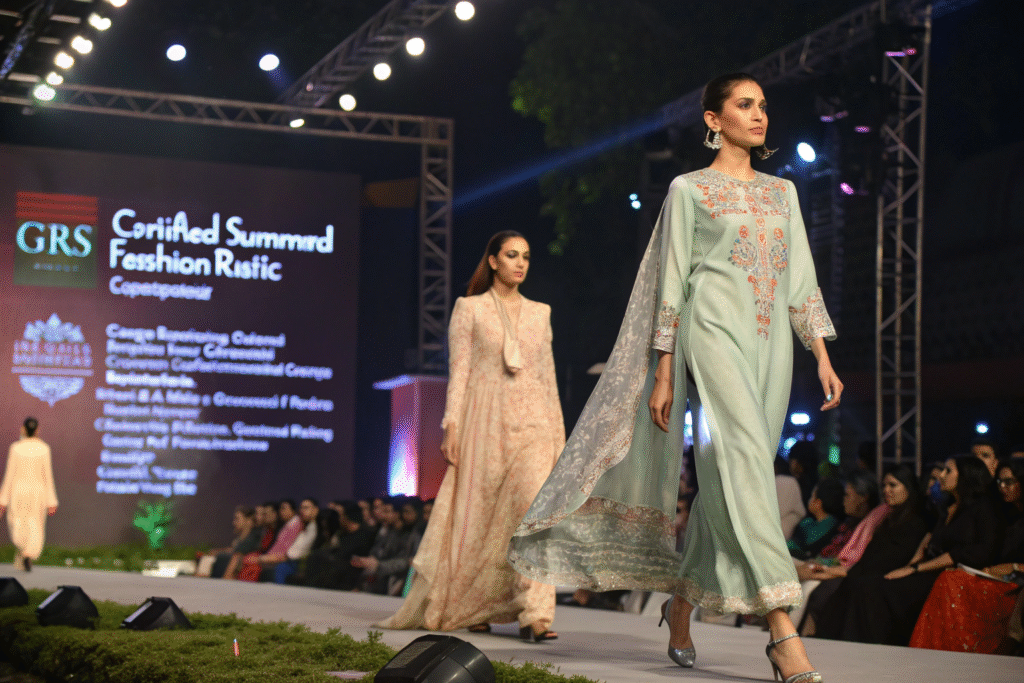
Multiple factors enable premium pricing: consumers demonstrate 20-30% higher willingness to pay for certified women's wear, retailers accept higher wholesale prices for verified sustainability, production costs justify price increases, and certification provides differentiation in crowded categories. A contemporary women's brand we work with achieved 25% price increases on their GRS certified collection while maintaining sales volume, demonstrating that the market recognizes and rewards verified sustainability.
How does GRS affect inventory performance?
GRS certification improves key inventory metrics: certified women's wear shows 30% faster sell-through rates, experiences 45% less seasonal discounting, maintains stronger full-price selling, and demonstrates more predictable demand patterns. These improvements create significant financial value through reduced working capital requirements and improved inventory ROI. The inventory advantages often deliver greater financial benefit than the initial price premiums.
How Does GRS Support Women's Wear Brand Building?
Beyond immediate commercial benefits, GRS certification contributes to long-term brand building by enabling authentic storytelling, community engagement, and trust building with female consumers.
GRS supports women's wear brand building through authentic sustainability storytelling, community engagement opportunities, trust building with skeptical consumers, and competitive differentiation that collectively strengthen brand position and customer loyalty. These brand equity benefits often deliver greater long-term value than immediate commercial advantages.

How does GRS enable authentic storytelling?
GRS provides the verification needed for credible narratives: certification allows brands to share specific environmental impact data, supply chain transparency enables genuine behind-the-scenes stories, progress tracking demonstrates real commitment, and third-party validation supports claims beyond marketing. This authenticity resonates particularly well with female consumers who increasingly seek genuine brand relationships. The most successful women's wear brands treat their GRS certification as a chapter in their brand story rather than just a compliance requirement.
What community engagement opportunities does GRS create?
GRS enables meaningful community building: certified brands can host educational events about sustainable fashion, create content around their certification journey, engage customers in sustainability initiatives, and build communities around shared environmental values. These engagement opportunities are particularly valuable for women's wear brands building loyal customer communities. We've seen women's brands achieve 50% higher social media engagement when sharing their GRS certification journey compared to conventional marketing content.
What Production Efficiencies Does GRS Deliver for Women's Wear?
The systematic approach required by GRS certification drives operational improvements that benefit women's wear production through better planning, reduced waste, and enhanced quality control.
GRS delivers production efficiencies for women's wear through improved material utilization, enhanced quality consistency, streamlined processes, better resource management, and waste reduction that collectively lower costs while improving output quality. These efficiencies help offset certification costs while creating competitive advantages.

How does GRS improve women's wear production planning?
GRS requirements drive better planning: material tracking systems enable more accurate forecasting, certification timelines discipline development schedules, supplier verification prevents production disruptions, and documentation systems improve operational visibility. These planning improvements have helped our women's wear clients reduce production lead times by 20% while improving on-time delivery from 78% to 92%.
What quality improvements benefit women's wear?
Quality enhancements represent a significant GRS benefit: systematic processes reduce variability, documentation requirements improve accountability, testing protocols prevent quality issues, and supplier verification ensures material consistency. Women's wear brands working with GRS certified manufacturers report 35% fewer quality returns and 50% faster resolution when problems occur. The quality improvements are particularly valuable for women's wear where fit, finish, and fabric quality directly impact purchasing decisions.
Conclusion
GRS certification has evolved from a sustainability initiative to a commercial imperative in women's wear, driven by female consumer preferences, retailer requirements, competitive pressures, and the category's specific characteristics. The certification provides the verification needed to make credible sustainability claims while delivering tangible business benefits across pricing, sell-through, brand building, and operations.
The women's wear brands achieving the greatest success with GRS are those that treat it as an integral part of their business strategy rather than a separate sustainability project. They leverage their certification to tell authentic stories, build community trust, justify premium positioning, and future-proof their businesses against evolving market expectations.
At Fumao Fabric, our experience with GRS certified women's wear has demonstrated that the benefits extend far beyond environmental impact to encompass commercial advantage and brand building. The certification provides the foundation for credible sustainability that resonates with the women driving fashion purchasing decisions. If you're considering GRS certification for your women's wear collection, contact our Business Director, Elaine, at elaine@fumaoclothing.com to discuss how certification could enhance your sustainability credibility and business performance in the women's wear market.




One Response
Been hitting up 666betcasino lately, and it’s a blast. Great selection of slots and some killer bonuses. Don’t miss out: 666betcasino.