Sustainability is no longer optional in fashion. Brands and consumers alike want cleaner, softer, and greener fabrics. Bamboo viscose is becoming the top choice in this eco evolution.
Bamboo viscose is dominating sustainable fashion due to its soft texture, rapid renewability, lower water use, and biodegradable properties. It offers a more eco-conscious alternative to traditional textiles while delivering high comfort and versatility for modern garments.
Here's why brands around the world—including our clients—are moving fast toward bamboo-based solutions.
What Makes Bamboo Viscose Eco-Friendly?
Bamboo grows fast. It needs no pesticides. But what makes its fiber truly eco-friendly?
Bamboo viscose is considered eco-friendly because it’s made from rapidly renewable bamboo, requires less water than cotton, and can be processed using closed-loop systems that reduce chemical waste.
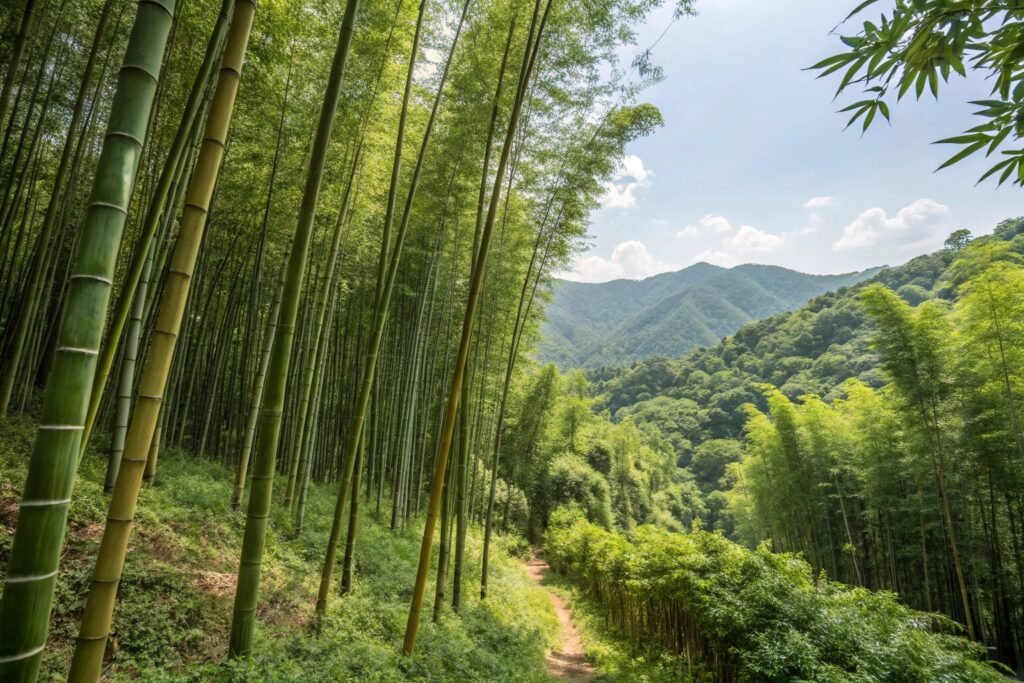
How does bamboo farming contribute to sustainability?
- Bamboo can grow up to 1 meter per day
- No need for chemical fertilizers or pesticides
- Absorbs 5x more CO₂ than similar crops
- Regenerates naturally after harvesting
Our factory partners use FSC-certified bamboo sources, ensuring the origin is traceable and managed responsibly. In the dyeing process, we adopt low-impact reactive dyes that preserve the fabric’s biodegradability.
What about the viscose process?
Yes, traditional viscose uses chemicals. But modern closed-loop methods—like those we apply in our bamboo program—capture and reuse solvents, reducing environmental discharge by 95%.
That’s how we meet EU REACH and OEKO-TEX® standards for bamboo viscose exports to Europe and North America.
Bamboo Viscose vs. Cotton: Which is More Sustainable?
Cotton has long been the default eco fiber. But is it still the best?
Compared to cotton, bamboo viscose often uses less water, requires fewer chemicals, and yields more fabric per acre. It’s softer, more breathable, and biodegrades faster—making it a strong sustainable contender.
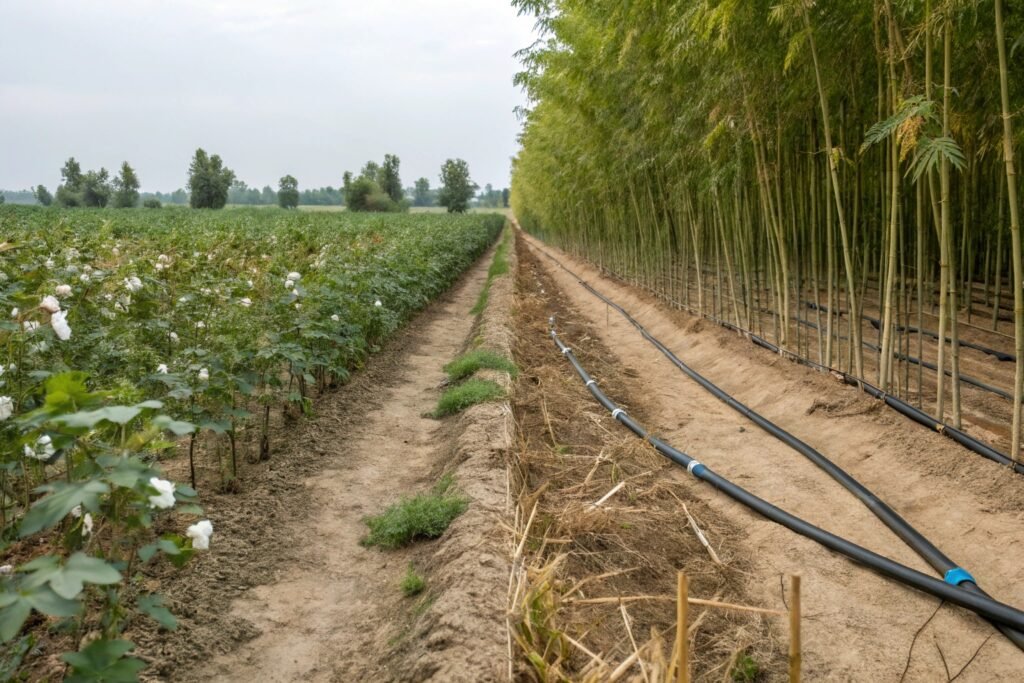
Key sustainability comparison:
| Feature | Bamboo Viscose | Conventional Cotton |
|---|---|---|
| Water Use | Very Low | Very High (esp. in India) |
| Land Efficiency | High yield per acre | Lower yield |
| Chemical Input | None in farming | High pesticide use |
| Biodegradability | Yes | Yes |
| Processing Emissions | Moderate (closed-loop) | High from bleaching |
We work with clients transitioning from organic cotton to bamboo blends. A Scandinavian sleepwear brand recently switched to bamboo for its breathability and softness—and gained 20% more online customer retention in one season.
What about long-term impact?
Cotton fields often lead to soil degradation. Bamboo fields do not. And unlike genetically modified cotton seeds, bamboo grows naturally and regenerates without needing replanting.
That’s a game-changer for sustainable land use.
Benefits of Using Bamboo Fabric in Clothing
So what makes bamboo garments special? Beyond the green appeal, the comfort factor is real.
Bamboo fabric in clothing provides benefits like natural softness, moisture-wicking, odor resistance, and UV protection. It’s ideal for loungewear, underwear, sportswear, and children’s clothing.
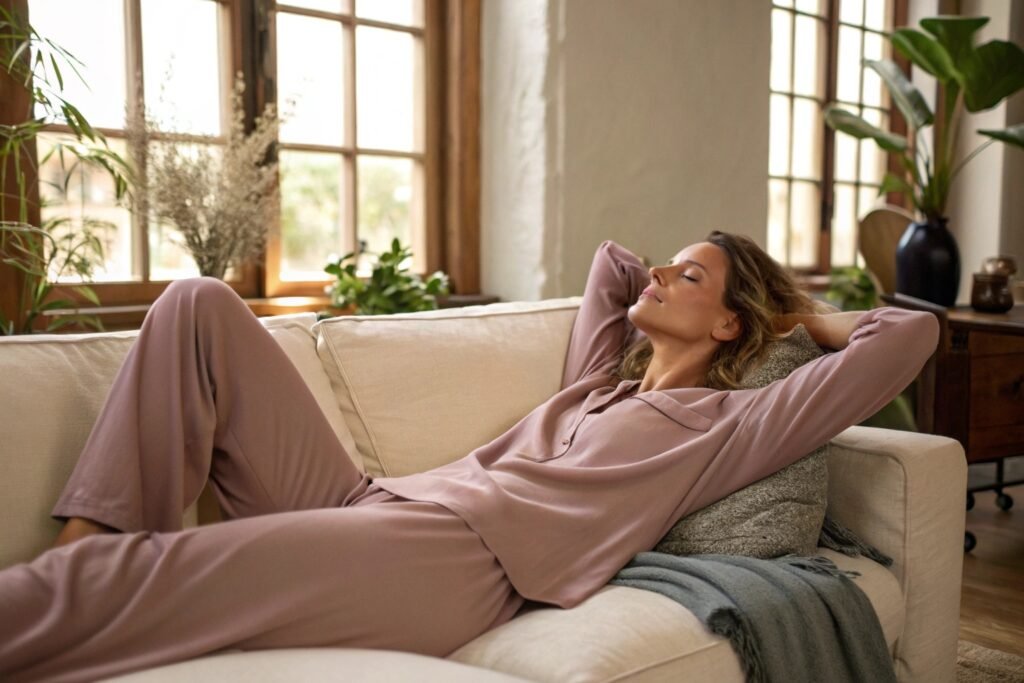
What are its major garment benefits?
- Incredible softness: Comparable to silk
- Temperature-regulating: Keeps cool in heat, warm in cold
- Antibacterial properties: Naturally resists odor-causing bacteria
- Hypoallergenic: Great for sensitive skin or babywear
- UV blocking: Offers SPF 15–20 protection
We supply several bamboo-based knits and woven fabrics to global clients. Our most popular SKU is a 180gsm bamboo cotton jersey, perfect for breathable t-shirts and leggings.
What applications work best?
| Garment Type | Fabric Weight Recommendation | Finish |
|---|---|---|
| Babywear | 150–180 gsm | Soft enzyme wash |
| Activewear | 180–220 gsm | Anti-odor coating |
| Sleepwear | 160–180 gsm | Reactive dyed |
| Underwear | 150–170 gsm | OEKO-TEX certified |
One of our American clients—a boutique yoga brand—uses bamboo viscose in 80% of their tops. Their feedback? “Once our customers wear bamboo, they never go back.”
Why Fashion Brands Are Switching to Bamboo Viscose?
Cost has always been a factor. But as sustainability becomes a brand value, priorities are shifting fast.
Fashion brands are switching to bamboo viscose for its strong alignment with eco values, comfort-driven performance, and marketing appeal. It signals commitment to sustainability and differentiates products in crowded markets.
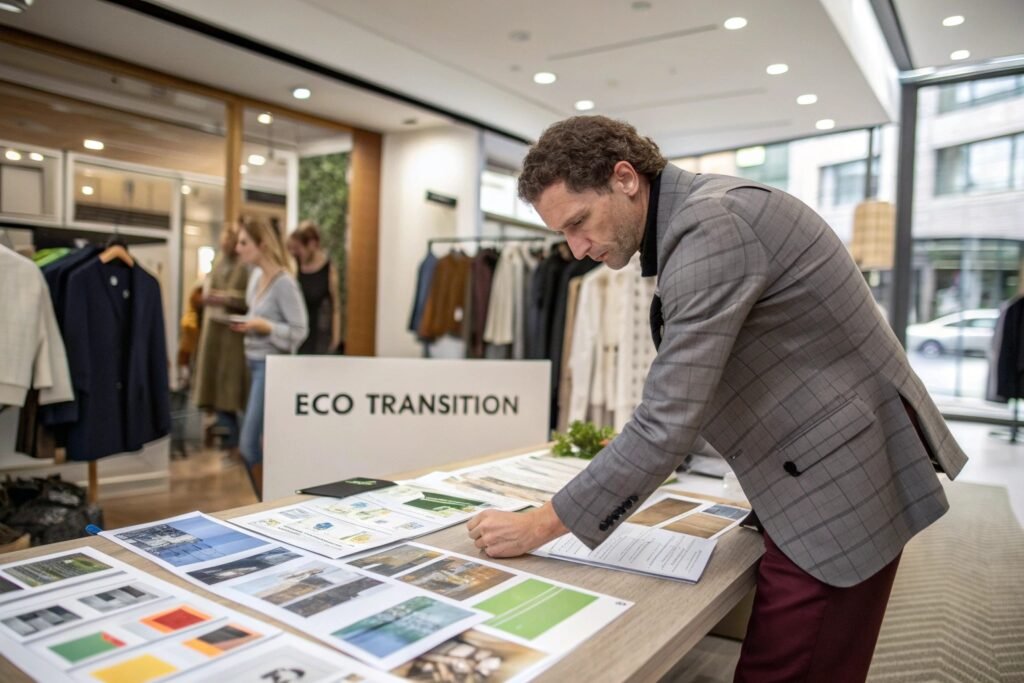
Why are brands making the move now?
- Global consumers demand transparency and eco-fabrics
- Bamboo aligns with organic, vegan, and low-impact brand messaging
- Lower MOQ digital printing options for bamboo fabrics
- Works well with both minimalist and luxury branding
At Fumao, we’ve scaled bamboo production 4x in the past two years. We now offer digital print, reactive dyed, brushed, and ribbed bamboo viscose in over 100 styles.
What are common product lines for bamboo?
- Luxury basics (tees, tanks, cardigans)
- Maternity and babywear
- Sleep and loungewear sets
- Summer dresses and scarves
- Yoga and wellness fashion
Our Japanese client just switched their spa robe line to 100% bamboo twill. Their hotel partners now market it as “zero-irritation and biodegradable”—a perfect mix for eco-conscious tourism.
Conclusion
Bamboo viscose isn’t just a trend—it’s a future-forward fiber reshaping sustainable fashion. As suppliers, we support this shift by offering certified, low-MOQ, fast-shipping bamboo fabrics. When comfort meets conscience, bamboo wins.