I still remember the phone call from a German buyer in early 2023. He had just received a rejection letter from his retail partner because his "organic cotton" collection couldn't be verified. The certificates he got from his previous supplier were photocopies with blurred stamps. He lost a €200,000 order. That’s when I realized: for many buyers, GOTS certification isn't just a nice-to-have. It’s a non-negotiable entry ticket to the European and North American markets.
Over my 20 years in Keqiao, I’ve watched the demand for certified organic textiles explode. But here’s the problem: many suppliers will claim they have "organic" fabrics, but they can’t trace it from the farm to the finished roll. Without the Global Organic Textile Standard (GOTS), your "sustainable" collection is just a marketing claim waiting to be challenged. And in today’s market, one failed audit can destroy your brand’s reputation.
The truth is, GOTS certification does more than validate your organic content. It transforms how you manage your entire supply chain—from reducing chemical risks to ensuring ethical labor practices. Let me walk you through why this matters, based on real orders we’ve processed and the mistakes I’ve seen others make.
What Does GOTS Certification Actually Verify in Fabric Production?
You might think GOTS is just about the cotton being organic. It’s much more than that. When a buyer asks me for GOTS certification, they’re asking for a complete audit of my entire process. I learned this the hard way back in 2018 when a UK client asked me to supply GOTS-certified linen. I had the organic linen yarn, but my dyeing partner wasn’t certified. The client had to walk away. That’s when I realized: GOTS covers the whole chain.
What’s the Difference Between Organic Content and GOTS Certification?
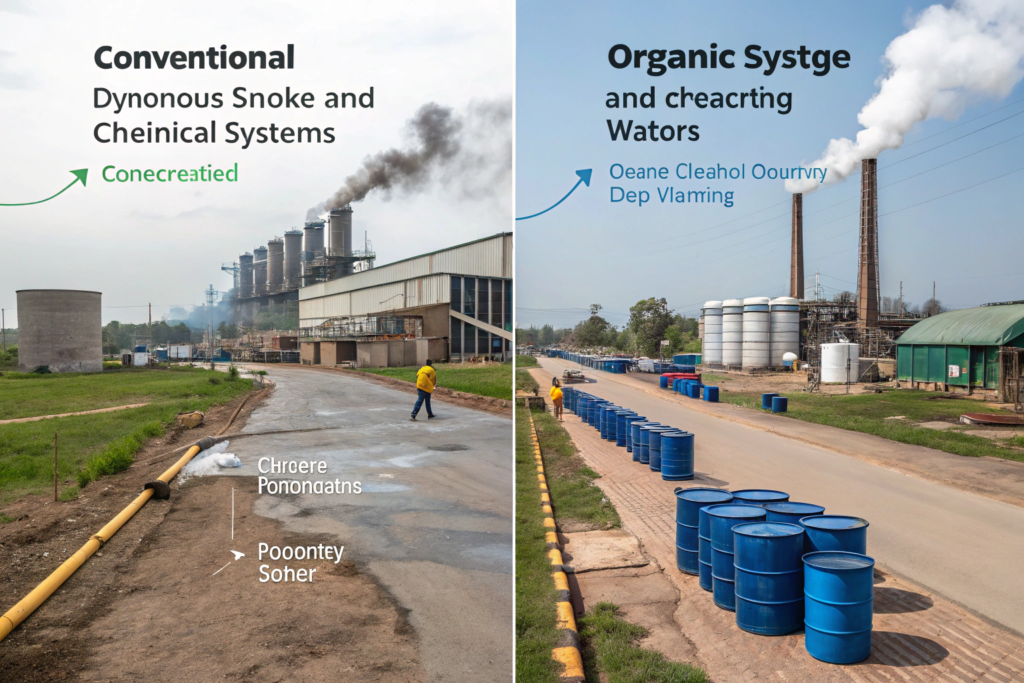
Let me break this down simply. "Organic content" means the fiber—cotton, linen, or wool—was grown without synthetic pesticides or GMOs. But GOTS certification adds two critical layers. First, it requires that at least 70% of the fibers are organic. Second—and this is where many suppliers stumble—it requires that every step of processing meets strict environmental and social criteria.
In 2022, we had a US-based outdoor brand approach us. They wanted a GOTS-certified organic cotton canvas for their backpacks. They already had a source for organic yarn in India. But they didn’t realize that their previous supplier’s finishing mill used heavy metals in the water-repellent coating. That coating disqualified the entire fabric from GOTS status.
We worked with them to find a GOTS-approved finishing partner. We used a fluoro-free water-repellent treatment that met the standard. The fabric passed with flying colors. The lesson? GOTS isn’t just about where the fiber comes from. It’s about everything that happens to it afterward.
If you’re sourcing organic fabrics, you need to understand that a certificate from a raw material supplier is not enough. You need to verify that every partner in the chain—spinners, weavers, dyers, printers, finishers—holds a valid GOTS certificate. The standard uses a "scope certificate" for each facility. If your fabric goes through a non-certified dyehouse, you lose the certification. Period.
How Does GOTS Impact Chemical Management in Dyeing?
This is where GOTS separates the pros from the amateurs. The standard maintains a "positive list" of approved chemicals. If a dye or auxiliary agent isn’t on that list, it’s banned. And let me tell you, this list is strict.
We had a project in 2023 for a Scandinavian children’s wear brand. They wanted a vibrant red organic cotton jersey. Red is one of the hardest colors to get without using heavy metals. Our standard dyeing process used a dye that contained a small amount of a restricted solvent. It was within EU regulations, but it wasn’t GOTS-approved.
We spent two weeks in our lab reformulating the recipe. We switched to a fiber-reactive dye that used a different fixing agent. The new process required a longer wash-off cycle, which added cost and time. But the final fabric passed the GOTS residue tests with zero restricted substances. The client got their bright red, and they got the GOTS certification they needed to sell to their retail partners.
If you’re looking for a GOTS-certified dyehouse in China, you need to ask about their chemical inventory. Most conventional dyehouses will say they can do it, but they won’t tell you about the extra steps. We run all our GOTS production on dedicated machines. We flush the lines thoroughly before starting, and we keep separate chemical storage. It’s a pain, but it’s the only way to guarantee no cross-contamination.
(Here’s something I’ve learned: GOTS audits happen unannounced. A certification body will show up at our factory at 9 AM on a Tuesday and ask to see our chemical purchase records for the last six months. If we can’t produce them, we lose the certificate. That’s why I tell clients: don’t trust a supplier who can’t show you their latest audit report. It’s not just a piece of paper.)
How Does GOTS Certification Protect My Brand from Greenwashing Claims?
I’ve watched the backlash against greenwashing get more aggressive every year. In 2024 alone, I saw three major fashion brands get sued in the US for misleading "sustainable" claims. Their suppliers had promised organic fabrics but couldn’t produce traceable documentation. The brands paid millions in settlements. That kind of risk keeps me up at night.
Can GOTS Provide Traceability from Farm to Finished Garment?
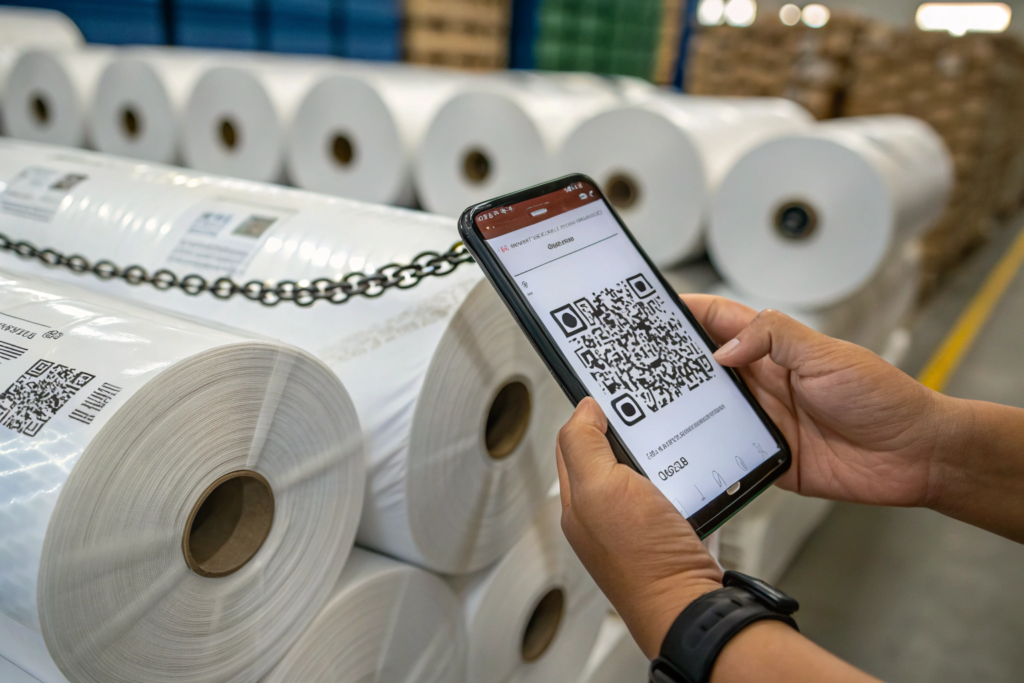
Yes, and this is the part that most suppliers don’t want to talk about. GOTS requires a chain-of-custody system. Every transaction from the ginned cotton bale to the finished fabric roll must be documented with an invoice that shows the certificate number of the previous supplier.
In 2023, we fulfilled a large order for a Japanese trading company. They wanted GOTS-certified organic cotton twill for a uniform program. Their contract required us to provide traceability back to the specific cotton farm in Turkey. We worked with our yarn supplier to get the farm-level documentation. When the fabric was shipped, each roll had a unique tracking number linked to our internal system.
When the Japanese client’s auditor arrived at their factory in Vietnam, they scanned our QR codes and pulled up the entire chain. They saw the farm name, the gin location, the spinning mill, our weaving and dyeing records, and the final inspection report. The audit took two hours instead of two days. The client renewed their contract for another three years.
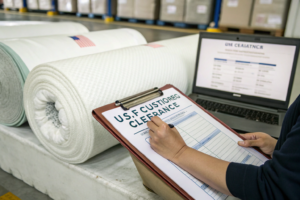
If you’re sourcing GOTS fabrics, ask your supplier if they can provide transaction certificates (TCs) for every step. A TC is a document that proves a specific quantity of GOTS-certified goods moved from one certified operator to another. Without TCs, your chain is broken. And in an audit, a broken chain is the same as no certification.
What Happens If My Fabric Supplier Loses Their Certification?
This is the nightmare scenario. A supplier loses their certificate because they failed an audit, but they keep selling fabric labeled as GOTS. You, the brand, unknowingly use that fabric in your collection. Six months later, a customer challenges your sustainability claim. You go back to your supplier, and they’ve already closed their doors.
I saw this happen to a Dutch startup in 2022. They bought what they thought was GOTS-certified organic denim from a trading company. The trading company had a certificate, but it was expired. The mill they were using had lost its certification six months earlier for water discharge violations. The Dutch brand had to pull their entire denim line off their website. They lost over €50,000 in unsold inventory.
That’s why we maintain our GOTS certification through annual audits and keep it visible on our public profile. I also keep a folder of all our transaction certificates for every GOTS order we ship. If a client ever gets audited, I can email them the TCs within an hour.
When you’re vetting a supplier, ask for their current scope certificate. Check the date. Make sure it covers the specific processes—weaving, dyeing, printing—that they’re doing. A scope certificate that says “trading” only is a red flag. It means they’re not actually processing the fabric themselves, and they’re relying on someone else’s certification. That’s a weak link.
Is GOTS Certification Worth the Extra Cost and Lead Time?
This is the question every buyer asks me eventually. And my answer is always the same: yes, but you need to understand what you’re paying for. A GOTS-certified organic cotton fabric will cost 15% to 25% more than a conventional one. It will also take 5 to 10 days longer to produce. But if you’re selling into markets where consumers demand proof, the cost of not having it is much higher.
What’s the Real Price Difference Between GOTS and Conventional Fabrics?
Let me give you real numbers from a project we completed in early 2024. A US-based activewear brand ordered 15,000 meters of organic cotton jersey. The conventional version of the same fabric, same weight, same finish, would have been $4.20 per meter FOB Shanghai. The GOTS-certified version came out to $5.15 per meter.
Why the gap? First, the organic cotton yarn itself costs about 30% more than conventional cotton. Farmers produce lower yields, and the certification adds administrative costs. Second, the dyeing process for GOTS requires different chemistry. We had to use a low-impact fiber-reactive dye that costs 10% more per kilogram. The water consumption was higher because we had to do extra rinses to remove unfixed dye without using chemical scours.
But here’s what that extra $0.95 per meter bought the client. They got full traceability back to the Turkish cotton farm. They got a guarantee that no toxic chemicals touched their fabric. And most importantly, they got the GOTS transaction certificate that their retail partner—a major US sporting goods chain—required to list the product as “organic.”
If you’re working with a tight budget, I recommend looking at GOTS-certified blended fabrics. A 70% organic cotton and 30% recycled polyester blend often comes in at a lower price point than 100% organic cotton. The polyester reduces the cost, and the blend can improve performance for activewear. We’ve done several of these blends for European clients who needed the certification but couldn’t hit the 100% organic price.
How Much Longer Does GOTS Production Actually Take?
In my experience, GOTS adds 5 to 10 days to a standard production timeline. Here’s where that time goes.
First, yarn sourcing takes longer. We can’t just call our regular cotton supplier. We have to order GOTS-certified yarn from a certified spinner. That often means a lead time of 10 to 15 days just for the yarn to arrive at our weaving mill.
Second, the dyeing process is slower. GOTS restricts many of the accelerants and leveling agents that conventional dyehouses use to speed up the process. We have to run the dye machines at slower speeds and use longer wash-off cycles to ensure the fabric meets the residue limits.
Third, the inspection and documentation add time. Every roll has to be tracked separately. We generate transaction certificates for each shipment. The final inspection includes a check of the certification numbers against the actual goods.
For a rush order in 2023, we delivered a GOTS-certified organic linen order in 28 days. The same order in conventional linen would have taken 20 days. The client had planned for the extra time, so they weren’t stressed. They told me later that the extra week was worth it because they sold through their entire collection in three weeks, and their customers specifically mentioned the certification in their reviews.
If you’re planning a GOTS collection, my advice is simple: add two weeks to your usual timeline. Use that buffer for yarn sourcing and for the extra testing we recommend. We always run an independent third-party test on the final fabric to confirm the GOTS parameters. It’s an extra step, but it’s the best insurance against a failed audit.
How Do I Verify That My Supplier’s GOTS Claim Is Legitimate?
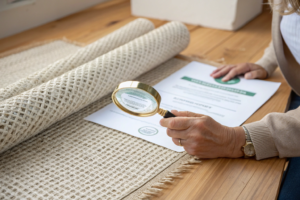
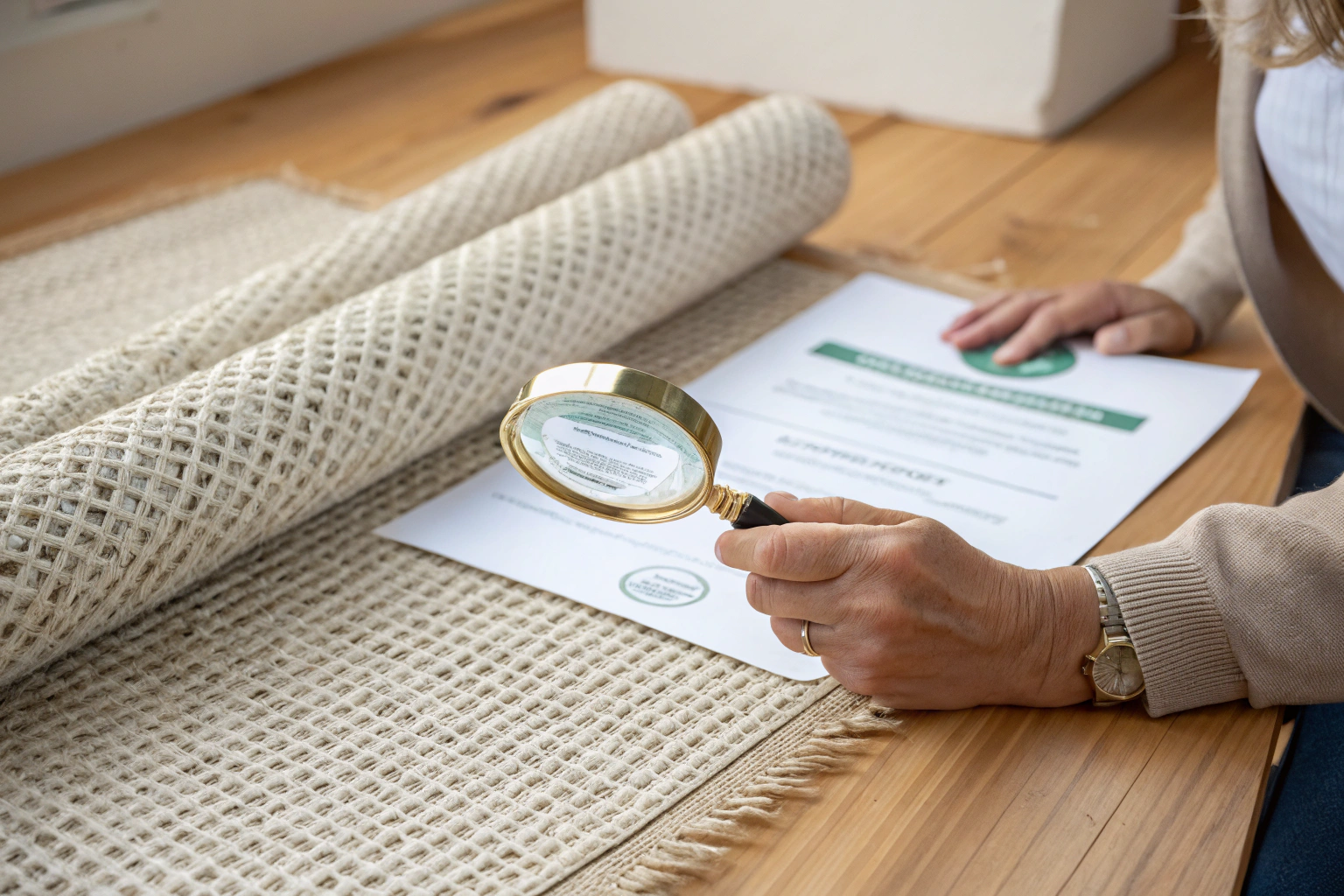
Over the years, I’ve had clients show me certificates that looked official but were completely fake. One client from Australia sent me a GOTS certificate that had a misspelled certification body name. Another had a certificate that listed a factory that had closed three years earlier. If you’re not verifying, you’re gambling.

Where Can I Check a GOTS Certificate Online?
The first thing I tell every buyer: use the GOTS public database. The official GOTS website has a searchable database of all certified facilities. You can search by company name, certificate number, or location.
When a new client asks me for our GOTS information, I send them our scope certificate number and tell them to look it up themselves. It takes two minutes. Our listing shows our weaving, dyeing, and finishing operations in Keqiao. It shows the date of our last audit and our current status.
I had a client from Brazil in 2023 who did this before placing their first order. They told me later that three other suppliers they contacted refused to give them a certificate number. That told them everything they needed to know. They’ve been ordering from us every quarter since.
If you’re working with a supplier who won’t give you their scope certificate number, walk away. It’s not a secret. GOTS certification is public information. If they have it, they should be proud to show it.
What Questions Should I Ask Before Placing a GOTS Order?
I’ve developed a short list of questions that I encourage all my clients to ask. Here’s what I recommend:
First, ask for the last three transaction certificates for similar products. A TC will show the supplier’s name, the buyer’s name, the product description, and the quantity. If a supplier can’t produce recent TCs for a product similar to what you’re ordering, that’s a red flag.
Second, ask about their audit schedule. GOTS does annual audits. Ask when their last audit was and if there were any non-conformities. A good supplier will tell you honestly. We had a minor non-conformity in 2022 about documentation storage. We fixed it within a week and passed the follow-up. I tell clients about it because it shows we’re being audited and we take it seriously.
Third, ask about their chain-of-custody system. How do they separate GOTS materials from conventional materials? We use dedicated racks, dedicated bins, and a separate storage area. Our production floor has clear zones marked with green tape for GOTS materials. If a supplier says “we just keep it all together and label it,” they’re not really managing the system. Cross-contamination will eventually happen.
I remember a client from Canada who asked all these questions. They visited our facility in Keqiao in early 2024. They saw our GOTS storage zone, our chemical storage room, and our documentation system. They placed a $300,000 order on the spot. They told me they’d spent six months looking for a supplier they could trust. When they saw our setup, they knew they’d found it.
Conclusion
GOTS certification is not a marketing gimmick. It’s a comprehensive system that protects your brand, your customers, and the people who make your products. In my 20 years running Shanghai Fumao , I’ve seen the textile industry move from "organic is niche" to "certified organic is expected." The brands that adapt early win. The ones that cut corners get caught.
Our commitment to GOTS goes beyond having a certificate on the wall. It’s embedded in how we operate. Our CNAS-accredited lab tests for restricted substances on every GOTS batch. Our production floor keeps GOTS materials in dedicated zones. Our documentation system generates transaction certificates within 48 hours of shipment. We do this because we know that for our clients, that certification is their license to sell.
If you’re launching a sustainable collection, or if you’re looking to switch from conventional to certified organic fabrics, you need a partner who understands the system from the inside. You need a supplier who won’t just sell you a fabric, but who will walk you through the documentation, the testing, and the verification.
My business director, Elaine, handles all our GOTS inquiries. She knows the certification bodies, the required documentation, and the timeline adjustments that come with certified production. She’s helped brands from Europe to North America navigate their first GOTS orders, and she’s helped established organic brands scale their production.
Contact Elaine directly: elaine@fumaoclothing.com
Tell her about your sustainable collection. Let her show you how GOTS certification can open doors you didn’t even know existed.