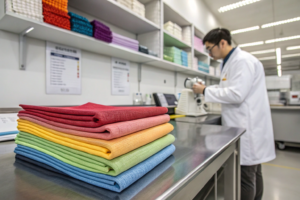
You’re evaluating two quotes: one from a well-known Vietnamese factory, another from us, Fumao in China. The Vietnamese price is 15% lower. The pitch is strong, the samples are good. But as you dig deeper, you hit a wall of vague answers. "Our fabric is from a local mill." "We ensure good quality." "Our workers are treated well." You have no way to verify any of it. Now look at our proposal. It comes with a digital dossier: QR codes linking to batch-specific lab reports, live factory audit scores, real-time production tracking, and a mapped supply chain back to the yarn spinner. The Vietnamese offer is a black box. Ours is a transparent window. In today's market, where brands are held liable for their supply chain's ethics and environmental impact, that transparency isn't just nice to have—it's the fundamental difference between a risky vendor and a true strategic partner.
Our transparency isn't a marketing slogan; it's our operational system. While many Vietnamese competitors excel at low-cost CMT (Cut-Make-Trim) assembly, their transparency often ends at their own factory gate. They are frequently reliant on complex, opaque networks of sub-suppliers for fabric, trims, and components, making full traceability nearly impossible. At Fumao, our vertical integration within the Keqiao textile cluster gives us physical and data-level control from yarn sourcing to finished garment. We don't just claim transparency; we engineer it into every process and product, turning visibility from a challenge into our core competitive advantage. This allows you, the brand, to meet escalating due diligence laws (like the EU's CSDDD), substantiate green claims, and build consumer trust with irrefutable evidence.
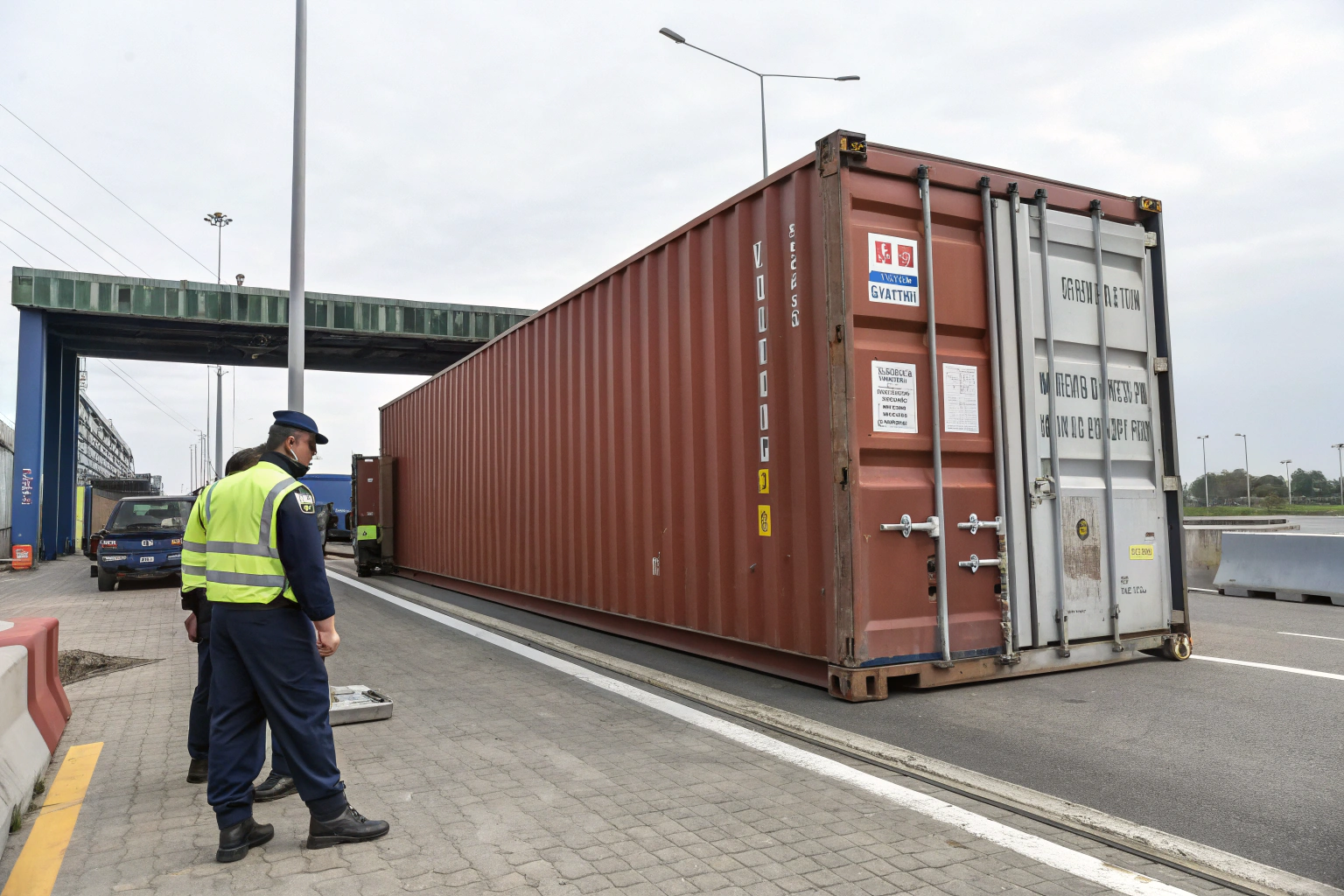
Let me show you the real cost of opaque sourcing: A European brand recently had a shipment detained at EU customs. Their Vietnamese factory had provided an OEKO-TEX® certificate, but customs requested the underlying test reports and mill certificates. The factory couldn't provide them promptly. The container sat for three weeks, accruing demurrage charges and missing the launch window. With Fumao, our digital dossier includes all supporting documents pre-linked. The brand could have provided a single URL to customs, clearing the shipment in hours. This is the tangible value of baked-in transparency—it's not about looking good; it's about eliminating costly, real-world friction.
How Does Vertical Integration Enable Unmatched Traceability?
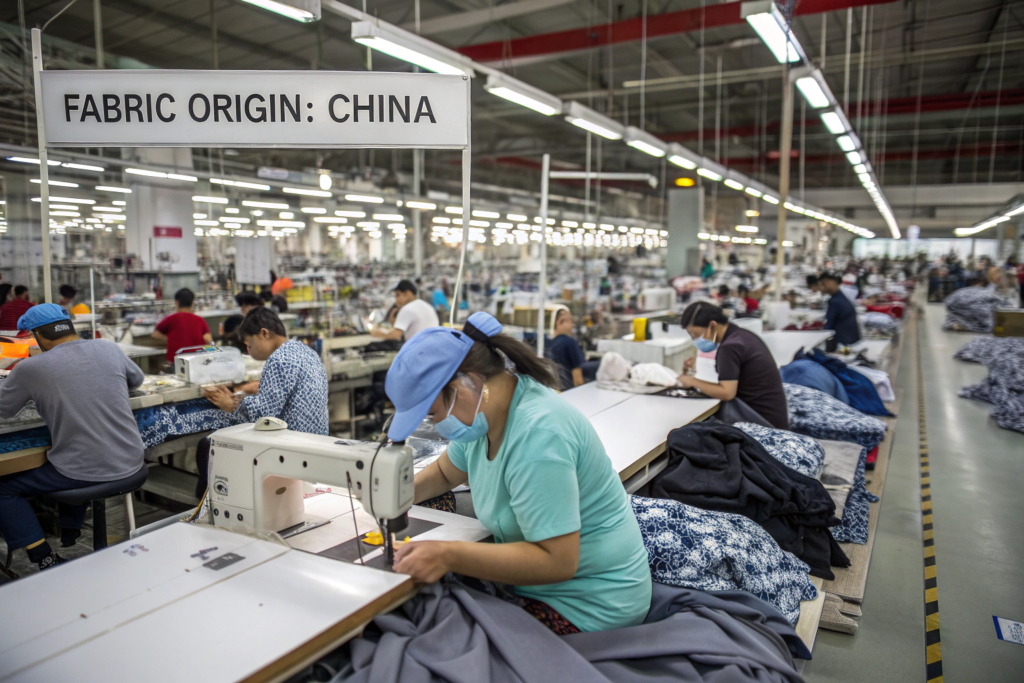
Transparency requires control. You cannot provide accurate data about processes you don't manage. Many Vietnamese apparel factories are skilled assemblers but rely on a fragmented network of external fabric mills, dye houses, and print shops, often across borders (e.g., fabric from China, printing in Cambodia). This creates a "chain of custody black hole." They buy fabric from a trader and have little to no visibility into its origin, chemical inputs, or production conditions. Their transparency report often says: "Fabric Origin: China" — full stop.
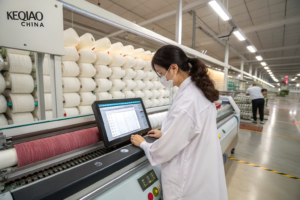
Fumao’s model is different. We are a vertically integrated fabricator and garment manufacturer. Our control starts earlier:
- Weaving/Knitting: In our own or tightly partnered mills in Keqiao.
- Dyeing & Finishing: Through long-term, audited partner facilities where we book capacity and control chemical inventories.
- Garment Manufacturing: In our associated assembly units.
Because we manage this integrated chain, we can track and document every step. We know the lot number of the yarn, the dye formulas used, the water consumption at the dye house, and the energy used in finishing. This allows us to generate a Product Environmental Footprint (PEF) report, not just a generic statement. For a brand, this means you can make a claim like "this dress uses 30% less water in production than the industry average" and have the batch-specific data to prove it.
What Does "Fabric-to-Finished-Garment" Data Look Like?
For a specific style, our transparency portal can show you:
- Yarn Origin: Supplier name, location, and their relevant certifications (e.g., BCI, GOTS).
- Dyeing Process: ZDHC MRSL-conformant chemical list, wastewater treatment plant compliance certificate.
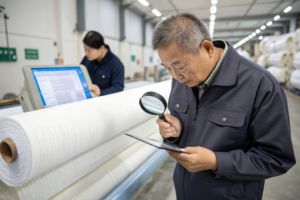
- Fabric Test Data: Batch-specific reports for shrinkage, colorfastness, etc., from our CNAS lab.
- Carbon Footprint Data: Calculated energy use from weaving to finishing.
- Garment Assembly Unit: BSCI audit report, photos of the production line.
This is a complete story. A Vietnamese CMT factory typically provides only the last bullet point—their own factory audit. The rest of the story is unknown, making your brand vulnerable. Resources on the challenges of multi-tier supply chain transparency explain this common opacity in Southeast Asia.
How Does This Integration De-Risk Your Supply Chain?
Opaque chains are fragile. A pollution scandal at an unknown dye house in another country can taint your brand. With our integrated control, we monitor our partners. We have pre-qualified backup options within our cluster. This resilience was tested in 2023 when a key dyeing partner faced a temporary environmental inspection. Because we had the data and relationships, we seamlessly shifted the order to another approved partner with identical chemical standards within 48 hours, with no change in fabric quality or lead time. A brand relying on a Vietnamese assembler would have been completely in the dark and likely faced massive delays.
Why is Our Digital Dossier a Game-Changer for Compliance?
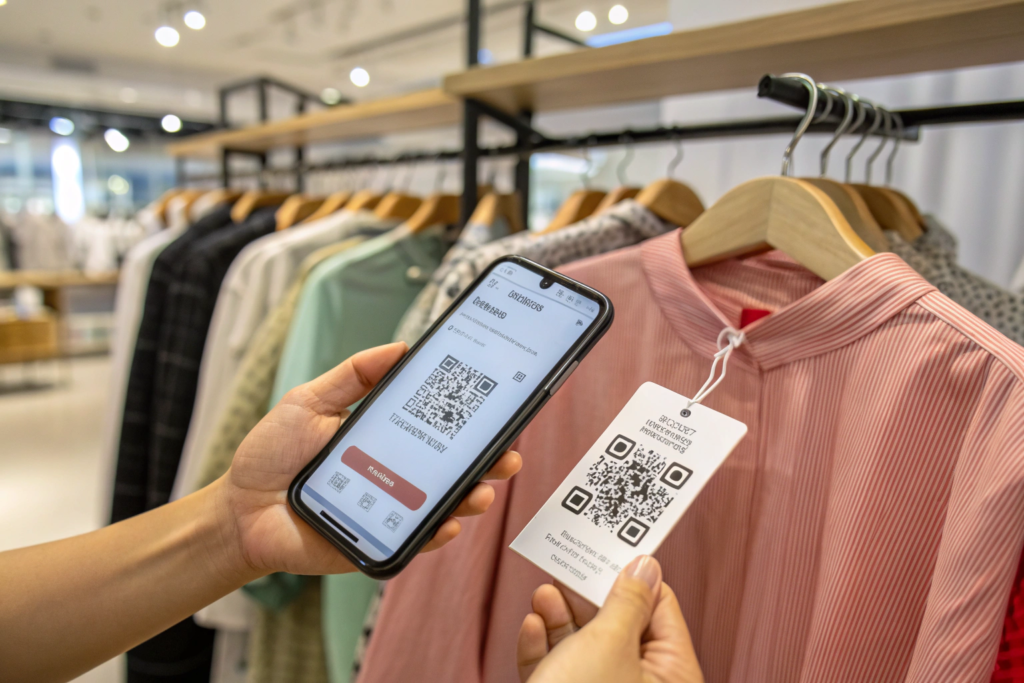
Compliance is shifting from "show a certificate" to "show all the evidence, now." Retailers, regulators, and consumers are demanding proof. A static PDF certificate is no longer enough. Our solution is the Fumao Digital Dossier—a live, permission-based portal for each order. Each garment hangtag or fabric roll has a QR code. Scanning it (with your login) doesn't go to a generic website; it opens the unique dashboard for that batch, showing real-time data and documents.
This system is designed for the EU's Green Claims Directive and Corporate Sustainability Due Diligence Directive (CSDDD). These laws require you to have, and be able to produce, detailed substantiation for environmental and social claims. Our dossier provides that substantiation in a structured, instantly accessible format. For your compliance team, it turns a month-long evidence-gathering exercise into a 5-minute link share.
What Specific Evidence Does the Digital Dossier Provide?
For a given order, the dossier includes:
- Live Certificates: OEKO-TEX®, GOTS, GRS Transaction Certificates, verifiable via direct links to the certifier's database.
- Social Compliance: Current BSCI or SA8000 audit reports for the final assembly factory, plus summary reports for key processing units (spinning, dyeing).
- Environmental Data: LCAs (Life Cycle Assessments) for key fabric types, water/energy consumption metrics for the batch.
- Real-Time Production Tracking: Status updates with timestamps and photos at major milestones (fabric ready, cutting, sewing, packing).
- Full Bill of Materials (BOM) with Source Data: For each component (fabric, thread, button, zipper), the supplier name and their compliance status.
A Scandinavian retailer now requires all suppliers to provide data in this format. Our system is pre-aligned, giving our clients a significant advantage in onboarding. Understanding the data requirements of the EU Digital Product Passport (DPP) shows where the industry is headed—we're already there.
How Does This Beat the "Folder of Scanned PDFs" Model?
The traditional model—emailing a folder of scattered, sometimes outdated PDFs—is inefficient and risky. Documents get lost, versions are confused, and verification is slow. Our centralized, digital dossier is:
- Always Current: Updated in real-time (e.g., when a shipment departs).
- Tamper-Evident: Documents are hosted securely, with audit logs.
- Easily Auditable: An auditor can be given temporary access to review the entire chain for a specific product.
For a brand doing 100 styles a season, this organized system saves hundreds of hours of administrative work and reduces compliance risk to near zero. Case studies on digital supply chain platforms highlight the operational benefits.
How Does Real-Time Production Visibility Reduce Your Operational Stress?
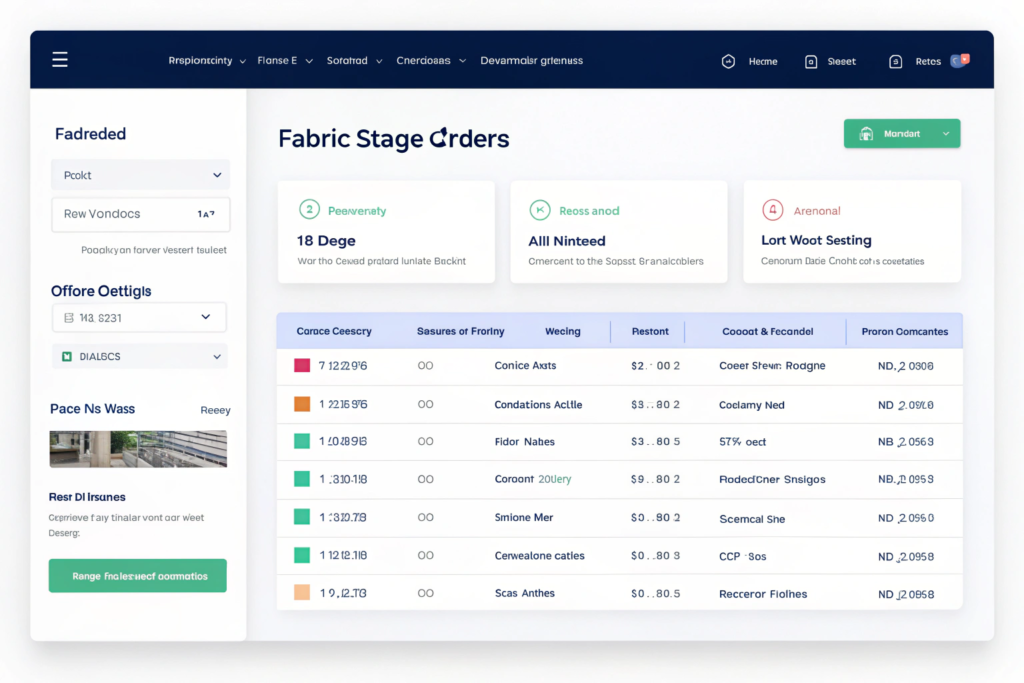
"Where's my order?" This is the most stressful question in sourcing. With an opaque supplier, you're stuck in a cycle of chasing emails for updates, often getting vague or overly optimistic replies. This lack of visibility creates cash flow uncertainty, marketing delays, and inventory nightmares. Our transparency extends to live production tracking. You're not an outsider begging for updates; you're a partner with a direct view into the process.
Through our client portal, you can see the status of your order on a simple dashboard:
- Fabric Stage: Yarn sourced > Weaving/Knitting > Dyeing > Finishing > Lab Tested/Approved.
- Garment Stage: Fabric Received at Factory > Cutting > Sewing > Finishing > QC > Packing > Shipped.
Each stage is updated with a date and, often, a photo or short video (e.g., of fabric on the loom, garments on the sewing line). This isn't surveillance; it's collaborative project management. It allows you to plan your logistics, marketing, and retail allocations with confidence.
What is the Financial Impact of Eliminating "Black Box" Lead Times?
Uncertain lead times force you to carry more safety stock, tying up capital. With real-time visibility, your lead time variance shrinks dramatically. You can operate with leaner inventory. For one of our US e-commerce clients, our production tracking allowed them to reduce their safety stock buffer for best-selling styles from 8 weeks to 3 weeks, freeing up over $200,000 in working capital. This is transparency translating directly to improved ROI. The financial principles of just-in-time inventory rely on this very visibility.
How Does Proactive Issue Resolution Work?
Transparency enables proactive problem-solving. In a traditional setup, a problem (e.g., a fabric flaw) is often hidden until it causes a delay. With our system, when our QC flags a potential shade variation during dyeing, we immediately update the order status to "Under Review" and message you through the portal with photos and proposed solutions (e.g., "We suggest segregating this lot for a different colorway"). You're involved in the decision in real-time, preventing a bigger issue later. This collaborative approach builds trust and ensures the final product meets expectations. Forums for fashion production managers are filled with stories where a lack of this early visibility led to disasters.
Why is Our Chemical & Environmental Data Uniquely Comprehensive?
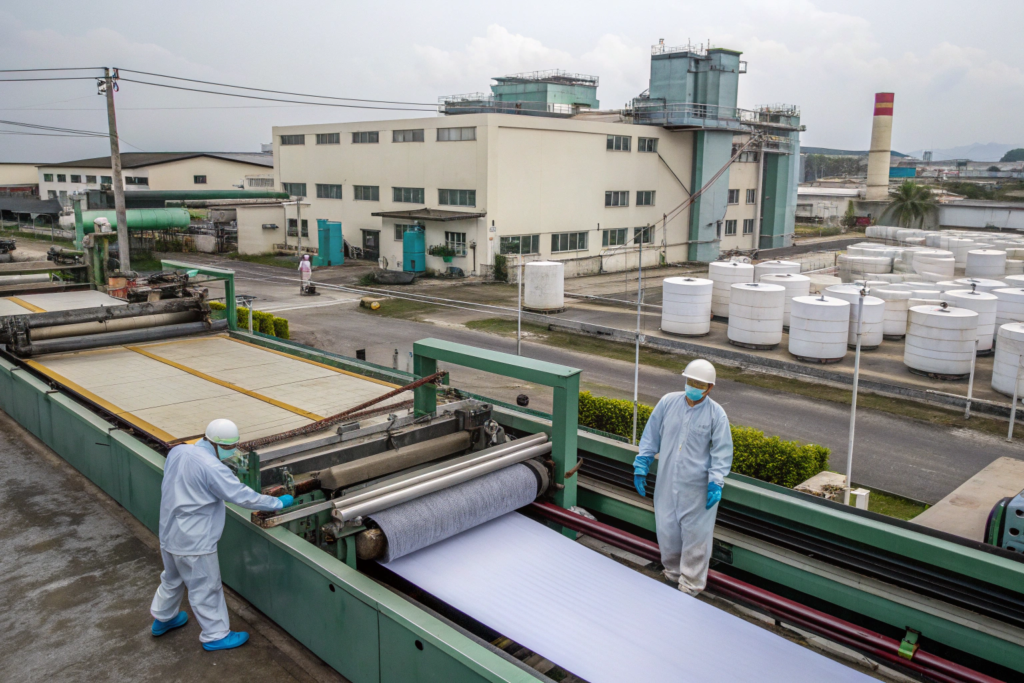
For true eco-conscious brands, "sustainability" is more than a fiber tag. It's about the entire production footprint, especially the "wet processes" (dyeing, printing, finishing) which account for most of the industry's water pollution and chemical use. Here, many Vietnamese factories, even large ones, face a transparency barrier: they often outsource these processes to specialized mills they don't control. They simply cannot provide detailed chemical or environmental data.
Our integration within Keqiao, a cluster with advanced environmental infrastructure due to strict national policies, gives us access to and control over this data. We mandate that all dyeing and finishing partners comply with the ZDHC (Zero Discharge of Hazardous Chemicals) Manufacturing Restricted Substances List (MRSL). We don't just take their word for it; we receive and archive their chemical inventory logs and wastewater treatment test reports. This data flows into our environmental metrics for your product.
What Specific Environmental Metrics Can We Provide?
Beyond a recycled content percentage, we can provide (for applicable fabrics):
- Water Consumption per kg of fabric: From the dyeing and finishing processes.
- Carbon Footprint (CO2e): Calculated for the "cradle-to-gate" phase (from yarn to finished fabric).
- Chemical Inventory: A list of dyes and auxiliaries used, with their ZDHC conformance status.
This allows you to make precise, qualified claims and participate in initiatives like the Science Based Targets network (SBTi). A client recently used our water consumption data to achieve a key criteria in a major retailer's sustainable vendor program, which Vietnamese competitors could not fulfill. Reports on the environmental impact of textile wet processing underscore why this data is critical.
How Does This Prepare You for "Right to Repair" and Circularity Laws?
Future regulations will demand information on fabric composition and chemistry to enable recycling and repair. Our detailed digital dossier, containing the full material breakdown and chemical treatments, is the precursor to a Digital Product Passport (DPP). This future-proofs your products. A garment with a complete "product passport" will have higher residual value and compliance longevity. We are building the data architecture for this now. Analysis of EU's strategy for sustainable and circular textiles points directly to this requirement.
Conclusion
Choosing between a Vietnamese competitor and Fumao isn't just a price comparison; it's a strategic choice between two models: the traditional, often opaque, cost-focused assembler and the modern, transparent, vertically integrated partner. In an era where supply chain liability is shifting to brands, where consumers and regulators demand proof, and where operational resilience is paramount, transparency is the new currency of competitive advantage.
Our comprehensive transparency—through vertical integration, digital dossiers, real-time tracking, and deep environmental data—doesn't just tell a better story. It delivers tangible value: reduced compliance risk, faster time-to-market, improved cash flow, and unshakeable brand credibility. It turns the supply chain from a cost center you fear into a strategic asset you can leverage.
When your brand's reputation depends on what happens in the supply chain, you need a partner who leaves nothing in the dark. Experience the Fumao difference. Request a live demo of our transparency portal and a full documentation package for a sample fabric. Contact our Business Director, Elaine, at elaine@fumaoclothing.com to see everything.