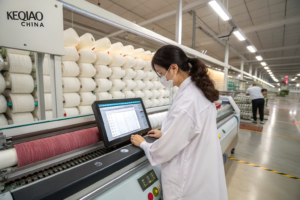
As a mill owner in Keqiao for over 20 years, I've seen trends come and go. But one shift isn't a trend—it's a fundamental change in how men shop. Today's male consumer isn't just buying a shirt; he's buying into values. He reads labels, researches sustainability, and demands quality that lasts. For years, the conversation around fabric safety and certification was dominated by women's and children's wear. But now, our data shows the fastest-growing inquiry segment for OEKO-TEX® fabrics is for premium men's shirting, trousers, and performance wear. So, why does Fumao Clothing, a fabric manufacturer, actively push this certification for our clients' men's wear lines? Because we see it not as a cost, but as the core of modern masculinity in fashion: responsibility, performance, and trust.
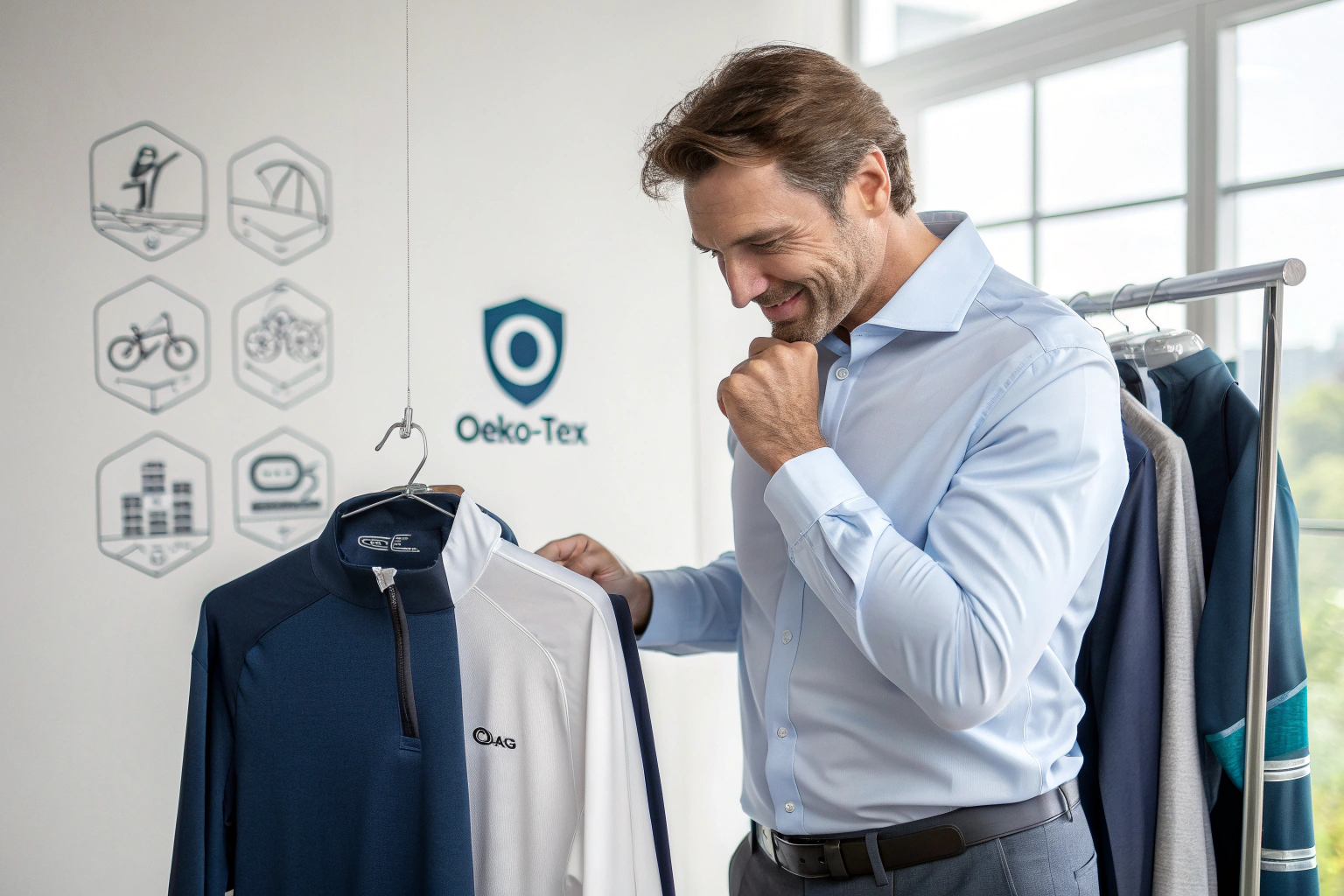
Fumao Clothing invests in OEKO-TEX® for men's wear production because it directly translates into three bottom-line results for our brand partners: reduced commercial risk, enhanced product value, and streamlined market access. For men's apparel, which often emphasizes durability and classic style, using certified safe fabrics means the garment won't fail due to hidden chemical issues (like color bleed or odor), it justifies a higher price point with a tangible story, and it removes barriers to selling in the world's most discerning markets. It's how we help brands build menswear that men believe in.
The "classic" men's wardrobe is being redefined. A dress shirt isn't just formal; it's worn for 12-hour days and needs to be comfortable against the skin. Gym wear isn't just for the gym; it's worn for travel and casual outings. This blurring of lines means every fabric must perform on multiple levels—aesthetics, function, and safety. Let me break down exactly how our investment in this certification creates a tangible advantage for every meter of men's wear fabric we produce.
How Does OEKO-TEX Certification Solve Specific Men's Wear Quality Issues?
Men are notoriously hard on their clothes and have high expectations for longevity. The common failures in men's wear—pilling in sweaters, color fading in dark denim, shrinkage in cotton polos, and stubborn odors in sportswear—often have a root cause in inferior dyeing and finishing chemicals. OEKO-TEX® certification attacks these problems at the source. The standard forbids or severely restricts the use of cheap, harsh chemicals that can weaken fibers, cause dye instability, or leave residues that trap odors. By mandating high-quality, tested dyes and auxiliaries, the certification builds durability into the fabric from the very first bath.
Let me give you a technical example from our production floor. A US client came to us in Q1 2024 with a problem: their bestselling men's chino was getting consistent returns for "color transfer" – the indigo dye was staining customers' car seats and light-colored sofas. The original fabric, sourced elsewhere, used a standard dye process. We re-engineered the fabric for them using an OEKO-TEX® certified dyeing route. This involved using specific, high-fastness dyes and a more controlled fixation process. The result? The color fastness to rubbing (both wet and dry) improved by 1.5 grades on the standard scale. Returns for that issue dropped to zero within two months of launching the new version. The certification process gave us a structured framework to solve a very practical, costly problem. For brands looking to troubleshoot such issues, resources like the Textile Industry Quality Forums discussing colorfastness solutions can offer additional insights.
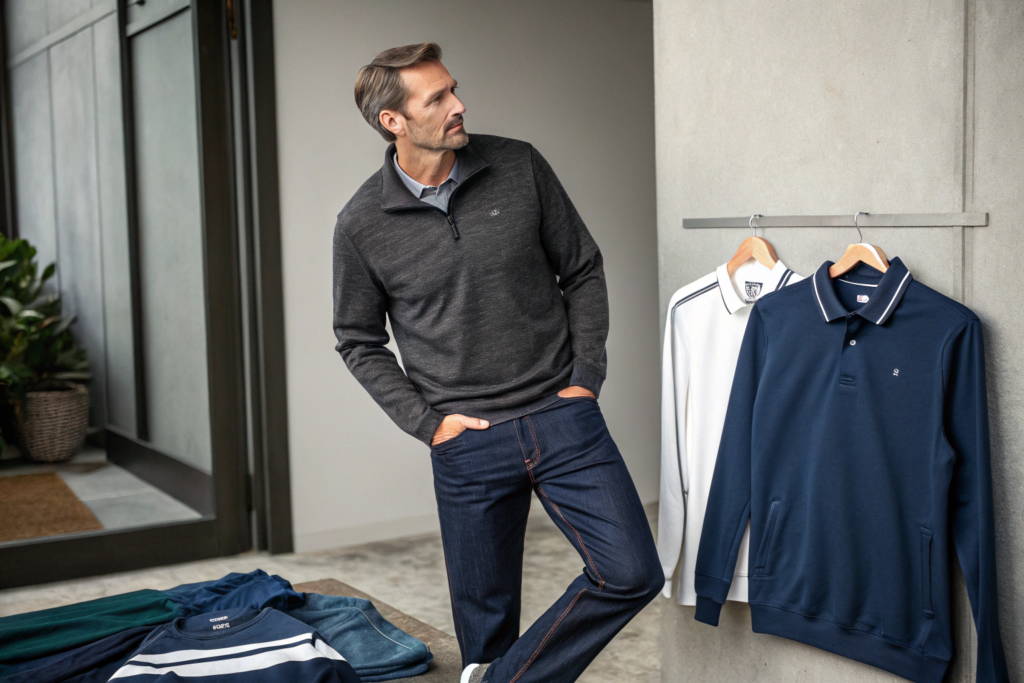
Why is skin-contact safety crucial for high-performance men's activewear?
Modern men's activewear is engineered for intense use—sweating, friction, and repeated washing. When you combine synthetic fibers (like polyester or nylon) with heat and moisture, the risk of harmful substances leaching from the fabric onto the skin increases. These can be catalyst residues from the polymer production or chemicals from dyeing and functional finishes. OEKO-TEX® STANDARD 100, especially for Product Class II (garments worn next to skin), sets strict limits for pH value, formaldehyde, and heavy metals that can cause skin irritation, allergies, or worse.
For us at Shanghai Fumao, this isn't theoretical. Our CNAS lab constantly tests the moisture-wicking polyester we produce for global sportswear brands. We once tested a competitor's "anti-odor" fabric that wasn't certified and found unacceptably high levels of a certain biocide. It was "effective" but not safe. Our approach is different. We develop antibacterial properties using OEKO-TEX® approved technologies, like embedding silver ions or using chitosan-based finishes at the yarn stage. This ensures the function is locked in safely. A brand using our fabric can confidently market "sweat-activated odor control" without fear of liability. Understanding the full landscape of safe chemical management in performance textile production is essential for any serious sportswear brand.
How does certification impact the hand-feel and durability of men's fabrics?
This is where the art meets the science. There's a misconception that certified fabrics feel more "natural" or "basic." That's wrong. The certification governs what chemicals are used, not how skillful the finisher is. Our master finishers in Keqiao use certified softeners, enzyme washes, and brushing techniques to achieve any hand-feel a brand desires—from a crisp, non-iron finish on a cotton poplin shirt to a peach-skin softness on a twill chino.
The key difference is longevity. Cheap, non-certified softeners can wash out after 5-10 launderings, leaving the fabric feeling stiff and abrasive. Our approved softeners have better bonding properties, so the comfortable hand-feel lasts the life of the garment. This directly supports the men's wear value proposition of "buy it for life" or "seasonless style." Durability is quantifiable. We run accelerated wash tests (AATCC standards) on all our certified fabrics and can provide clients with data on pilling resistance, tensile strength retention, and color change after 20, 30, or 50 washes. This data becomes part of the tech pack, a powerful tool for the brand's marketing and quality assurance. For brands building a durable wardrobe, exploring guides on long-lasting fabric finishes for menswear can complement this technical sourcing.
What is the Marketing Power of OEKO-TEX in Men's Fashion?
The men's fashion customer is evolving from a passive buyer to an informed investor. He may not vocalize "OEKO-TEX," but he resonates deeply with the concepts it protects: purity, integrity, and craftsmanship. For a brand, the certification provides a silent salesperson on the hangtag—a third-party validation that cuts through marketing noise. In a market saturated with "premium" and "luxury" claims, this little label speaks a universal language of trust. It tells a story that a modern man wants to be part of: that his choices are smart, safe, and considerate.
We saw this power with a direct-to-consumer brand from the UK focusing on minimalist menswear. In 2023, they rebranded their core line of Oxford shirts and lightweight wool-blend trousers to highlight OEKO-TEX® certification. They didn't just add a label; they built their entire campaign around "The Clean Layer," explaining how certified fabrics meant no skin irritants, no environmental toxins in production, and superior color longevity. Their website traffic to "About Our Materials" increased by 200%, and average order value rose by 15%. The certification gave them a credible, non-price-related reason for customers to choose them over fast fashion alternatives.
How can brands communicate this value without sounding "preachy"?
The trick is to focus on the user benefit, not the technical process. Men respond to outcomes. Here’s the translation:
- Don't say: "Free from harmful substances."
- Do say: "Wear it all day. Our fabrics are certified skin-safe, so you stay comfortable from your first meeting to your last."
- Don't say: "Eco-friendly production."
- Do say: "Built to last, responsibly. This shirt is made with certified materials for less environmental impact and more seasons in your wardrobe."
- Don't say: "Tested for over 100 chemicals."
- Do say: "Guaranteed performance. We test every fabric for colorfastness, shrinkage, and safety, so it looks and feels right, wash after wash."
The narrative should be about confidence and effortless quality. It's not a sacrifice; it's a smarter choice. Brands can leverage visuals—short videos showing the fabric tests, infographics on the certification process—on social media to educate in an engaging way. Research on platforms like Men's Wear Brand Marketing Strategies on LinkedIn often highlights this benefit-driven communication as key for modern audiences.
Does this certification resonate in different men's wear segments (formal, casual, athleisure)?
Absolutely, and the message adapts for each:
- Formal/Business Wear: Here, it's about "investment dressing." A suit or dress shirt is a major purchase. Certification assures precision, purity, and longevity. It aligns with the values of professionalism and attention to detail.
- Casual/Denim: This segment is deeply connected to authenticity and heritage. OEKO-TEX® certification allows a denim brand to talk about "clean denim"—achieving those perfect fades and washes without the environmental and chemical baggage of traditional denim processing. It modernizes the heritage story.
- Athleisure/Performance: This is where the functional benefits shine. Marketing can directly link certification to "non-toxic performance," "safe sweat-wicking," and "hygienic comfort." It answers the athlete's concern for what's against their skin during extreme activity.
For brands in these segments, connecting with a fabric producer like Shanghai Fumao that understands these nuanced narratives is crucial. We don't just supply fabric; we supply the credible story behind it.
How Does Fumao's OEKO-TEX Investment Simplify the Supply Chain for Brands?
Complexity is the enemy of speed and quality. For a brand sourcing men's wear, managing multiple uncertified suppliers for fabric, dyeing, and finishing is a chemical compliance nightmare. One weak link can contaminate an entire order. Fumao's investment flips this model. By building and auditing our own network of certified production partners—from our weaving and dyeing cooperatives to our printing and coating factories—we offer brands a single, accountable, and pre-verified pipeline. When a brand works with us, they are not just buying fabric; they are buying a de-risked supply chain module.
This simplification has a direct impact on speed-to-market. Because our entire process is aligned to the OEKO-TEX® standard from the first step, we avoid the costly and time-consuming "test-fail-adjust" loop that happens when trying to certify a product from a disjointed supply chain. Our internal QC, aligned with the standard, catches issues in real-time. For example, if a batch of fabric comes out of the dyeing vat with a pH level drifting out of the strict OEKO-TEX® range (4.0-7.5 for most articles), we correct it on the spot before it proceeds to finishing. This prevents a potential rejection weeks later at the final certification lab.
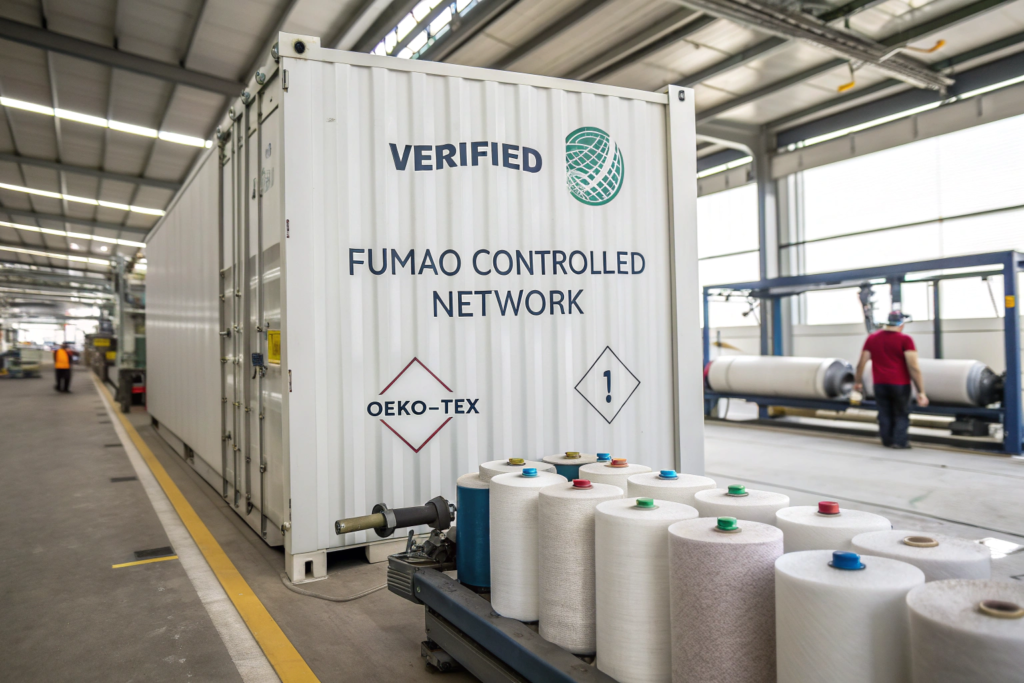
What does "vertical control" mean for consistent quality in bulk orders?
For men's wear, color consistency across thousands of meters of fabric for a uniform line of trousers or shirts is non-negotiable. Vertical control over key processes—or deep partnerships with certified facilities we trust like family—allows us to lock in parameters. Let's take the dyeing of a classic navy twill for suit separates. We control the dye recipe (using certified dyes), the water quality in the dyeing machine, the temperature and time cycles, and the post-dye washing pH. This level of control, all within an OEKO-TEX® certified framework, means the navy we produce in March will be identical to the navy we produce in October, and the lab test reports will prove it.
This consistency protects the brand from the disaster of shipment splits where different production batches don't match. It also allows for smaller, more frequent bulk orders (a growing trend) without sacrificing color uniformity. We provide our clients with batch-specific QR codes linked to the fabric's test data—a level of transparency that builds immense trust. Industry resources discussing bulk production color management techniques underscore the importance of this controlled approach.
How does this partnership structure mitigate sourcing risks for brands?
It mitigates three core risks:
- Compliance Risk: The brand transfers the liability for chemical compliance to our certified ecosystem. Our certificate is their first-line defense.
- Quality Risk: Our integrated QC, trained to the OEKO-TEX® standard, acts as an extension of the brand's own team, ensuring every meter meets a high, consistent bar.
- Logistical Risk: By consolidating multiple production stages under one coordinated management, we prevent delays caused by one uncertified supplier holding up the entire process. We manage the timeline buffer for testing internally.
(Here’s a real case: In Q3 last year, a German menswear brand faced a crisis when their usual fabric supplier failed an unexpected REACH audit. They came to us with an urgent request for 10,000 meters of a certified wool-blend flannel for autumn coats. Because we had the certified wool yarn in stock and our dyeing partner was pre-audited, we turned around bulk fabric in 5 weeks—including full certification—saving their season. That’s the power of a prepared partner.)
What is the Tangible ROI for a Men's Wear Brand Using Certified Fabrics?
The return on investment must be measured beyond the fabric's price per meter. The ROI is calculated in saved costs, increased revenue, and protected brand equity. Let's quantify it:
| Cost Area | Non-Certified Fabric Risk | OEKO-TEX® Certified Fabric Benefit | Tangible ROI |
|---|---|---|---|
| Product Failure | High risk of batch rejection, customer returns for skin irritation or color issues. | Drastically reduced. Certified safety and quality lead to fewer returns and higher customer satisfaction. | Reduction in return rate. A 2% reduction on a $500,000 order saves $10,000 immediately. |
| Compliance & Legal | Potential for fines, customs holds, or costly third-party testing for each market. | Simplifies compliance. One certificate facilitates entry into multiple markets (EU, US, etc.). | Saved testing fees & avoided fines. Can save thousands per season in external lab costs and avoid six-figure fines. |
| Marketing & Brand Value | Generic "quality" claims that don't differentiate. | A unique, trusted story that justifies premium pricing and builds loyal community. | Increased Average Order Value (AOV) & Customer Lifetime Value (LTV). Brands report 10-20% AOV lift when marketing certified materials. |
| Supply Chain Efficiency | Time spent verifying multiple suppliers, managing quality disputes. | Streamlined sourcing with a trusted partner, faster sampling-to-bulk timeline. | Faster time-to-market. Getting a bestseller to market 2-3 weeks faster can capture full-season sales. |
How does this ROI play out over multiple seasons?
The investment compounds. In Season 1, a brand might absorb a 10% fabric cost premium to launch a certified core line (like a polo shirt or chino). The reduced return rate and positive customer feedback provide immediate data. In Season 2, they can expand the certified range, using the proven story in marketing. By Season 3, the certification becomes a brand hallmark, allowing them to command a stable price point even when competitors discount, and attracting stockists who prioritize responsible brands. The initial cost is amortized over years of enhanced reputation and customer loyalty. It's a shift from buying fabric to investing in a brand asset. Case studies on sustainable business model ROI in fashion often highlight this long-term value creation.
Can smaller, direct-to-consumer (DTC) men's brands afford this investment?
This is a critical question. For a DTC brand, every cost is magnified. Our answer is: they can't afford not to consider it, but they must be strategic. We guide our smaller clients at Shanghai Fumao to start with a "Hero Product." Instead of certifying an entire collection, they choose their flagship item—the best-selling t-shirt, the signature jogger—and make it OEKO-TEX® certified. This concentrates the cost impact and allows them to tell a powerful, focused story. The certification becomes the centerpiece of their brand identity, not a line item on every SKU. It's a credible way to punch above their weight and compete with established players. Many successful DTC brands have been built on a single, perfectly executed, responsibly made product. Forums for entrepreneurial fashion brand founders are filled with discussions on this focused, value-driven approach.
Conclusion
Fumao Clothing's investment in OEKO-TEX® for men's wear production isn't charity; it's commercial wisdom. We see the future of men's fashion built on a foundation of undeniable quality and transparent responsibility. The modern man expects more, and the brands that provide it will earn his loyalty for years to come. For us, providing certified fabrics is how we fulfill our promise: to be more than a supplier, but a partner in building brands that last. It reduces risk for our partners, adds tangible value to their products, and simplifies the complex journey from our looms in Keqiao to the global man's wardrobe.
The thread connecting performance, safety, and style is stronger than ever. If you're building a men's wear brand that stands for integrity and aims for longevity, let's talk. We can show you how our certified fabric pipeline becomes your competitive advantage. Contact our Business Director Elaine to explore how we can weave your vision into reality: elaine@fumaoclothing.com.