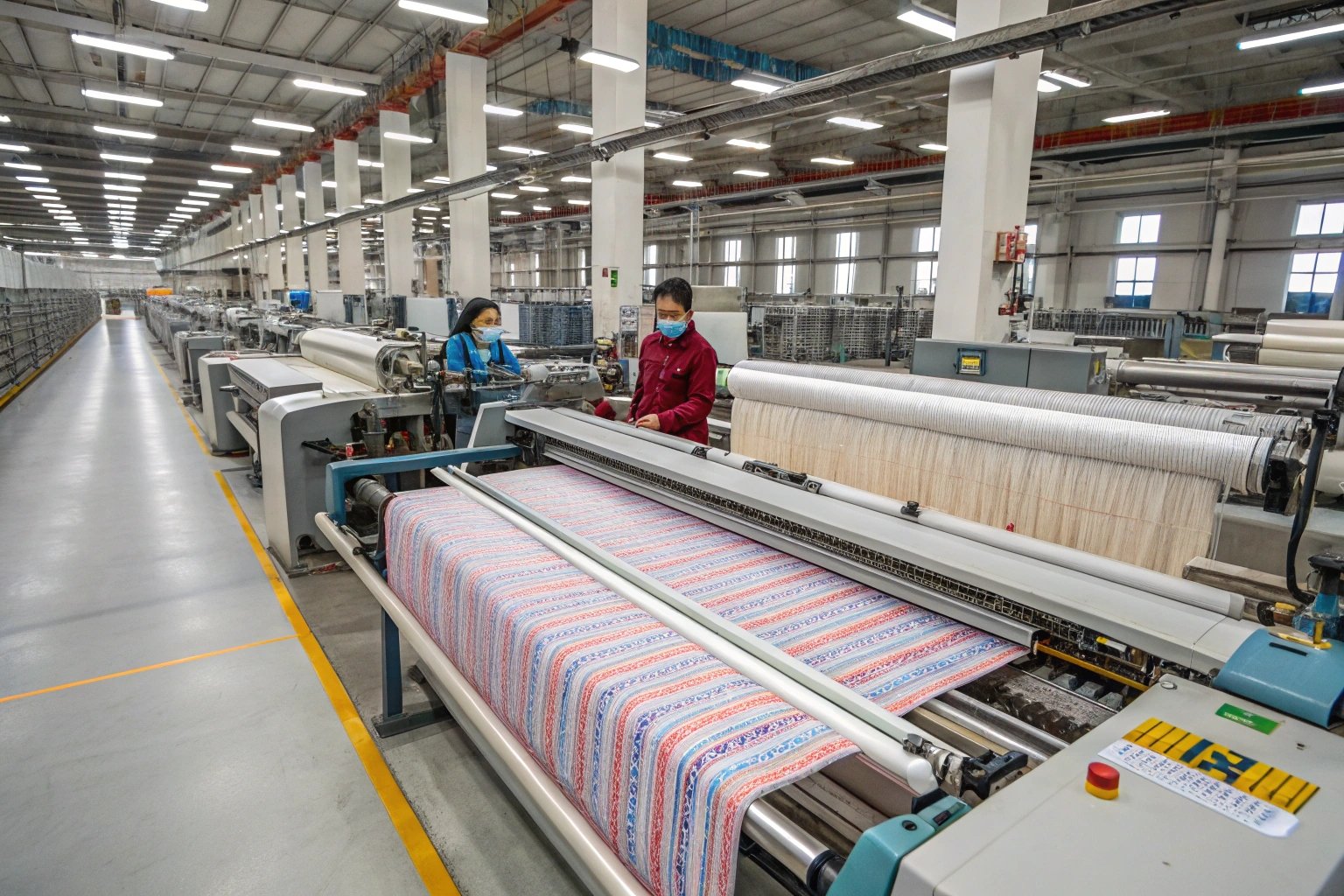
Waiting weeks for fabric delays can derail your entire launch. Imagine missing a shipping window or product drop because your supplier outsources every step. Vertical fabric manufacturers solve this by controlling the full production chain—speeding up lead times and cutting risks.
Vertical fabric manufacturers speed up turnaround times by integrating weaving, dyeing, printing, finishing, inspection, and logistics under one system. This control reduces errors, avoids third-party delays, and ensures fast, reliable delivery—ideal for brands working on tight schedules.
Let’s explore how vertical integration helps fabric buyers move faster and smarter.
What are the benefits of vertical integration in manufacturing?
Delays and miscommunications often happen when too many hands are involved. Imagine having one point of contact for everything from yarn to shipping. What benefits does vertical integration actually bring?
Vertical integration offers control, consistency, and speed. Fabric suppliers like Fumao Fabric who manage the full production process—from raw yarn to final packaging—can avoid delays, ensure quality, and offer competitive lead times with fewer surprises.
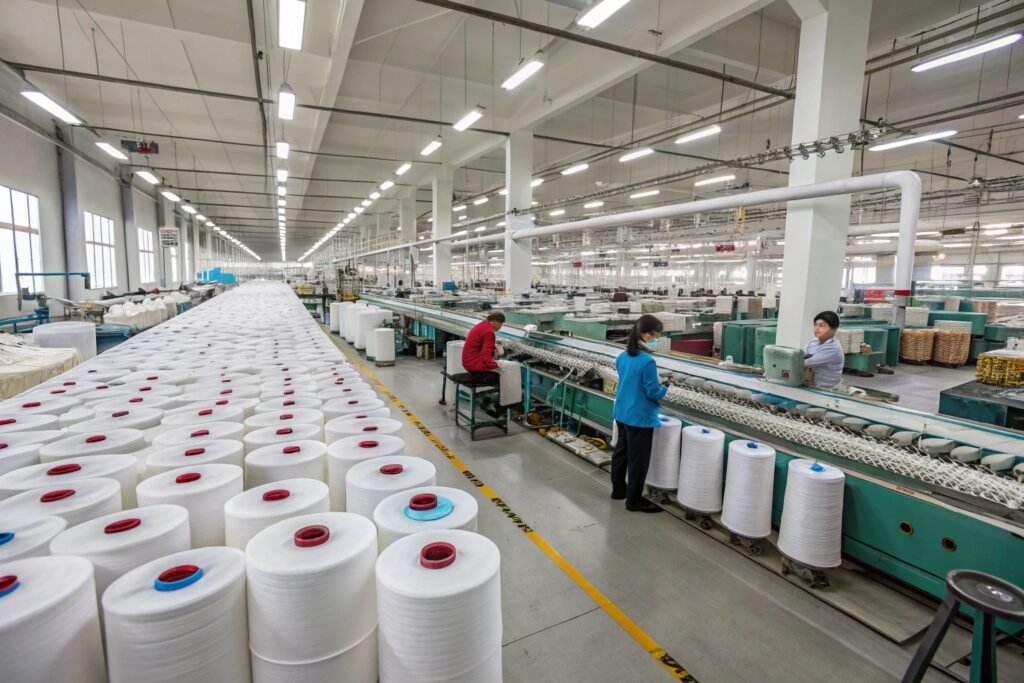
How does vertical integration reduce lead times?
Vertical suppliers manage:
- Yarn sourcing
- Weaving or knitting
- Dyeing and printing
- Coating or finishing
- Packaging and logistics
Because we don’t rely on external vendors for each step, Fumao can deliver bulk orders in as little as 7–10 days for repeat clients.
What about cost and communication?
Having a single team handle the process lowers overhead and avoids the cost of coordination errors. It also gives clients a clear line of communication—reducing back-and-forth emails, delays, or mismatched standards.
Why a manufacturer may choose to use a vertical in house production system?
Some buyers may wonder why manufacturers don’t always outsource parts for flexibility. But imagine operating under strict timelines or export requirements. Why would a factory build everything in-house?
Manufacturers choose vertical systems to control quality, reduce dependency on third parties, and ensure on-time delivery. For export-focused factories like ours, vertical production means we can meet EU and U.S. compliance without delays or certification risks.
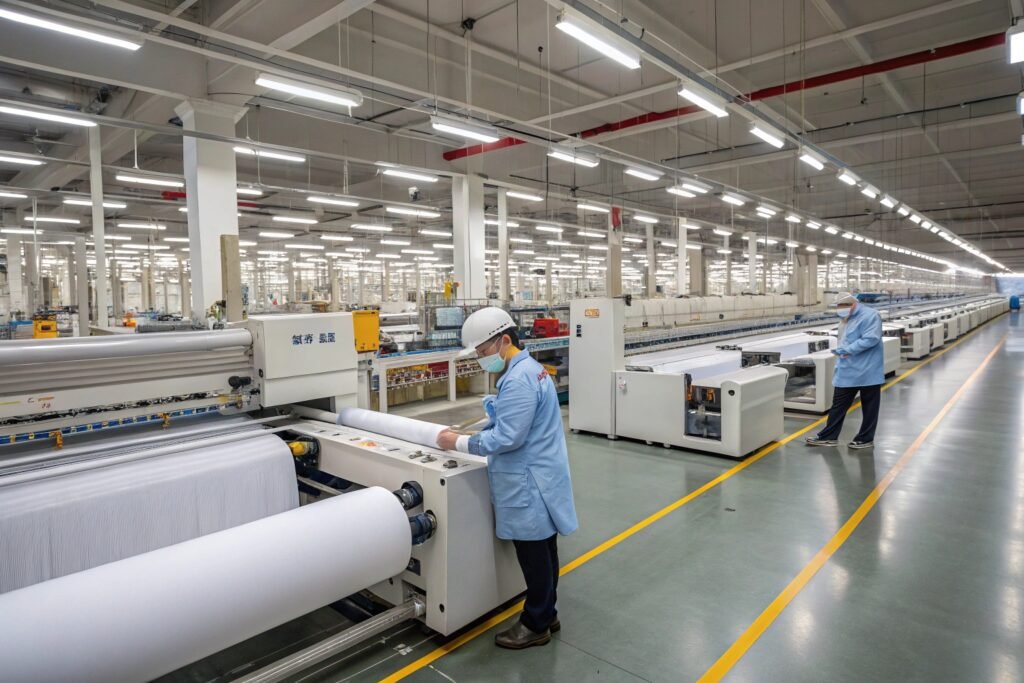
How does in-house production help with compliance?
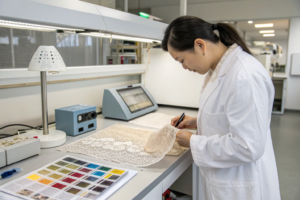
At Fumao Fabric, we integrate CNAS-certified labs and SGS/ITS testing directly into our process. This means:
- Fabric doesn’t leave our system before QC
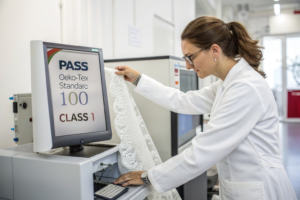
- We can guarantee OEKO-TEX®, GRS, or REACH compliance
- We provide real-time QR-coded inspection records
What’s the impact on small-batch flexibility?
We also accommodate low MOQ orders—thanks to in-house printing and dyeing lines. That flexibility wouldn’t be possible if we were outsourcing to capacity-constrained subcontractors.
Does Zara use vertical integration?
When discussing speed and control in fashion, Zara always comes up. Imagine offering the same responsiveness in your own supply chain. Is Zara vertically integrated?
Yes, Zara (under Inditex) is one of the most vertically integrated fashion brands. They control design, sourcing, production, and logistics in-house or through dedicated partners—allowing them to launch new collections in weeks, not months.
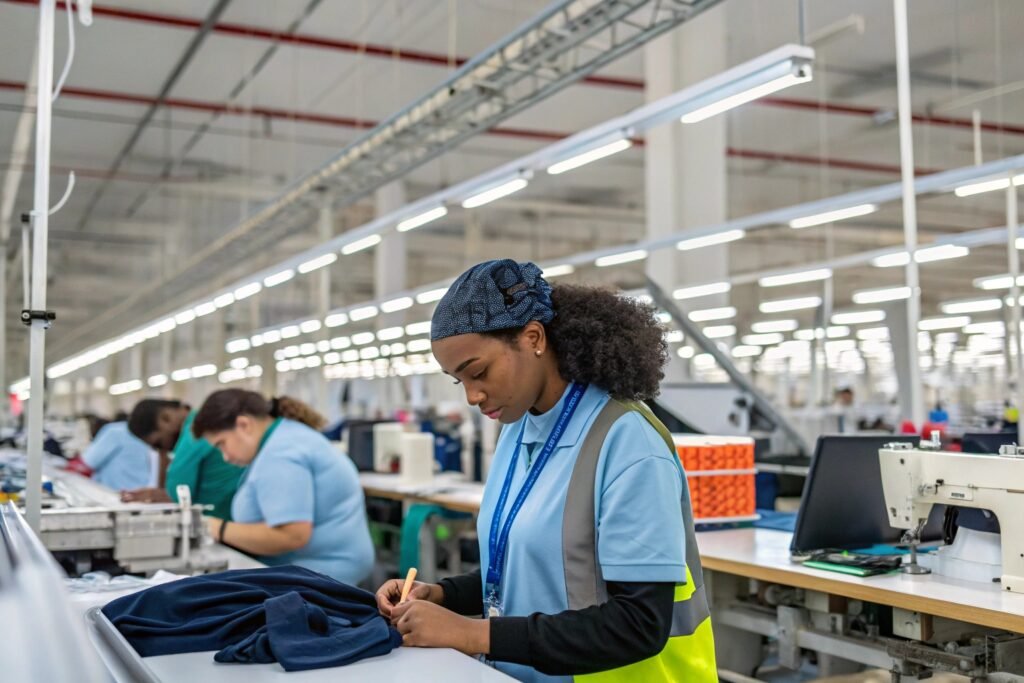
How does Zara use this model in fabric sourcing?
- Zara works with integrated textile mills
- Their design, cutting, and assembly happen in-house or with exclusive partners
- They ship new styles twice a week to stores
Zara’s model inspired many fast-fashion brands to seek vertically integrated suppliers—like us. Fumao has supported clients launching Zara-style rapid-response collections with 48-hour sample development and 7–12 day production cycles.
What lessons can U.S. brands learn?
- Speed is a competitive edge
- Fewer middlemen = fewer mistakes
- Proximity between stages saves money and time
We replicate this system at Fumao by controlling every production layer from yarn to port.
What is vertical integration in the textile industry?
The term sounds technical, but it simply means fewer steps and faster results. Imagine getting samples, revisions, and bulk production from one team. How is vertical integration defined in our field?
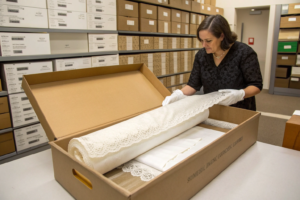
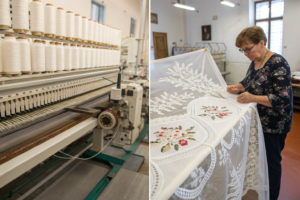
In textiles, vertical integration means a company handles multiple stages of fabric production—from fiber to final shipment—without relying on outside vendors. This includes spinning, weaving, dyeing, finishing, and even export services.
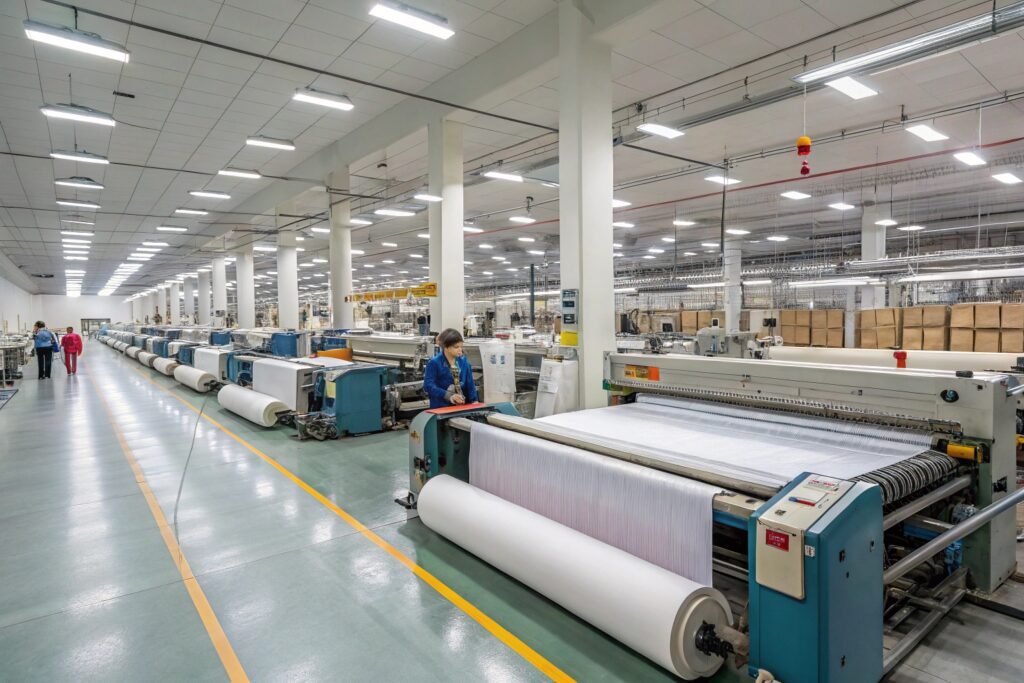
What does Fumao’s vertical setup look like?
| Production Stage | In-House Facility | Partner Facility | Lead Time Benefit |
|---|---|---|---|
| Yarn Sourcing | ✅ | — | Faster raw input |
| Weaving (5 lines) | ✅ | — | 2–4 days faster |
| Dyeing & Coating | ✅ | — | No queue delays |
| Printing (2 factories) | ✅ | — | Daily revisions |
| Inspection | ✅ | — | QC before shipment |
| Packaging | ✅ | — | Branding-ready |
| Global Shipping | ✅ | — | DDP available |
How does this model benefit B2B buyers?
- Speed: Our fastest clients go from sketch to ship in under 2 weeks
- Consistency: We ensure the same hand-feel, GSM, and color across reorders
- Efficiency: You don’t need to coordinate with five factories—we do it for you
Conclusion
Vertical integration isn’t just a buzzword—it’s a real advantage for buyers who need speed, control, and reliability. From yarn to final shipment, Fumao Fabric helps global brands get to market faster with less stress. When your deadlines are non-negotiable, choose a partner who controls the process end to end.