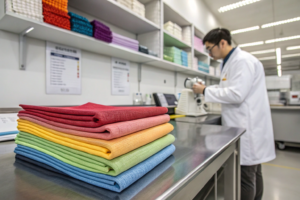
In the new era of human space exploration, textiles are no longer just fabrics for comfort. They are part of a life-support system that protects astronauts from microbes, environmental stress, and mechanical wear. Traditional textiles cannot keep up with the challenges of long-term missions in orbit, on the Moon, or even on Mars. The growing concern about microbial contamination in closed habitats makes the need for self-sterilizing fabrics urgent.
Self-sterilizing photocatalytic textiles offer a solution by actively killing bacteria, viruses, and mold when exposed to light, ensuring a safer and cleaner environment for astronauts. These advanced textiles combine cutting-edge nanotechnology with functional weaving to create surfaces that not only protect but also self-clean, reducing the risk of infection and extending fabric lifespan.
As a fabric manufacturer with deep experience in functional textiles, I have seen how the transition from standard fabrics to intelligent, self-sterilizing materials can change entire industries. In space, where every gram and every system counts, these fabrics can redefine sustainability and safety. Let’s explore why this innovation is becoming a top priority for next-generation space habitats.
How Do Photocatalytic Textiles Work?
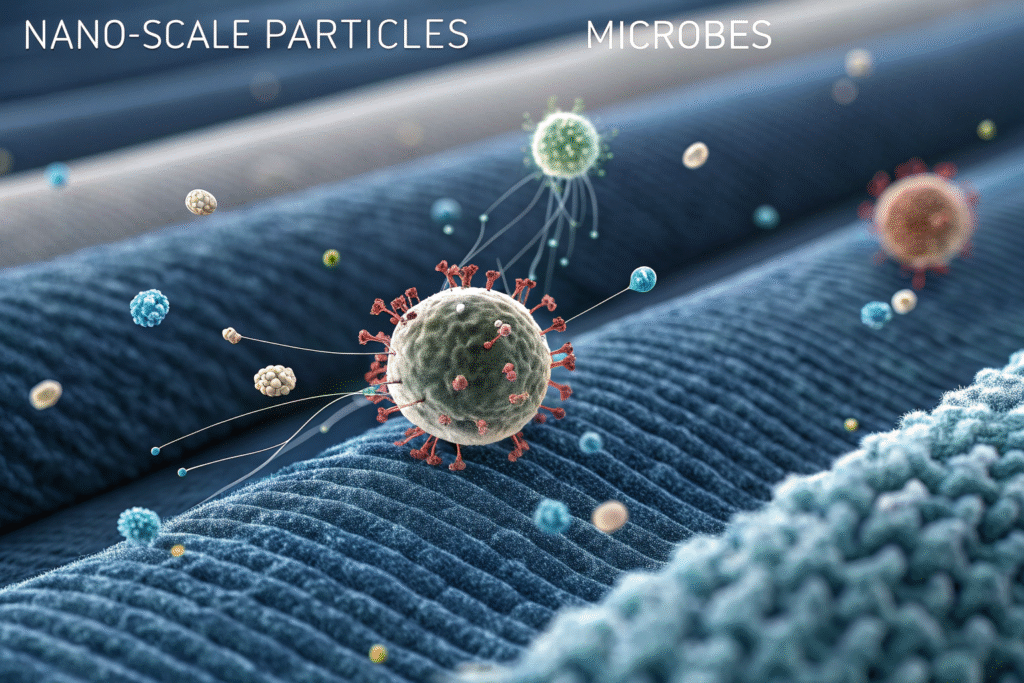
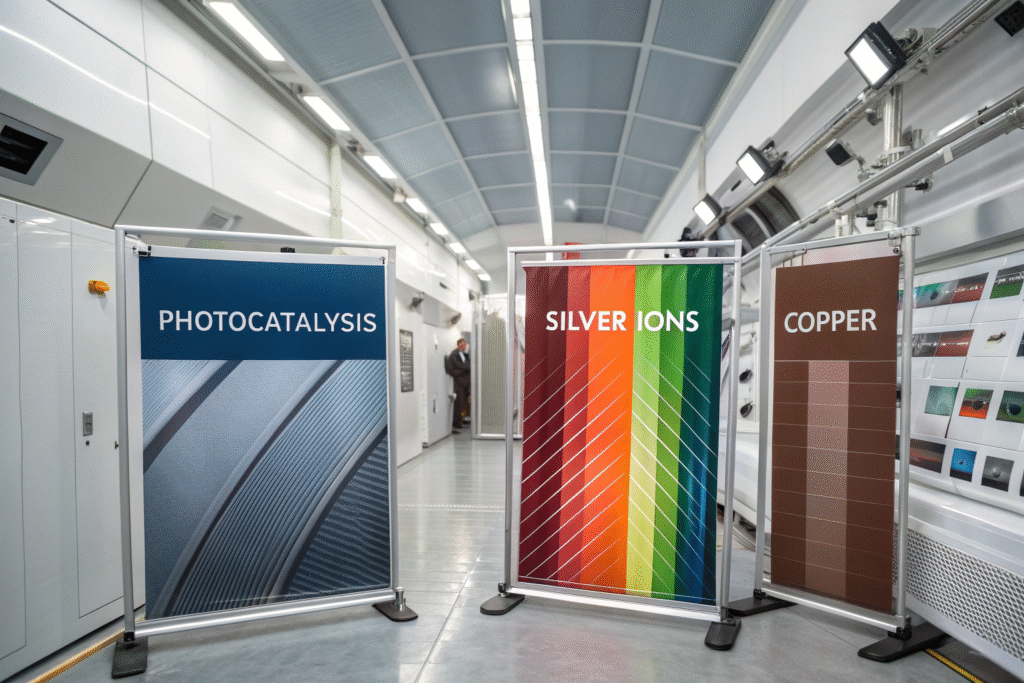
The concept sounds futuristic, but the science is practical. Photocatalytic textiles use nanomaterials such as titanium dioxide (TiO₂) or zinc oxide (ZnO), which react under UV or visible light. When activated, they create reactive oxygen species that destroy microorganisms on contact. Unlike coatings that wash off, photocatalytic finishes can be integrated into fibers, giving long-lasting antimicrobial performance.

What Is the Role of Light Activation?
Light is the key trigger. UV light from artificial sources or sunlight in space habitats energizes the photocatalysts. This constant activation means fabrics can remain sterile with minimal human intervention. NASA’s research on antimicrobial textiles shows that these materials could reduce reliance on chemical cleaning methods. At the same time, companies like Textile World highlight the growing commercial use of photocatalysis in sustainable fashion.
Why Are Nanoparticles Used in Fibers?
Nanoparticles provide a large surface area, which makes reactions with microbes faster and more effective. For space applications, this is essential because habitats have limited resources for laundry or sterilization. According to ScienceDirect, embedded nanostructures maintain performance even after multiple washes, making them durable for long missions.
What Are the Benefits for Space Habitats?
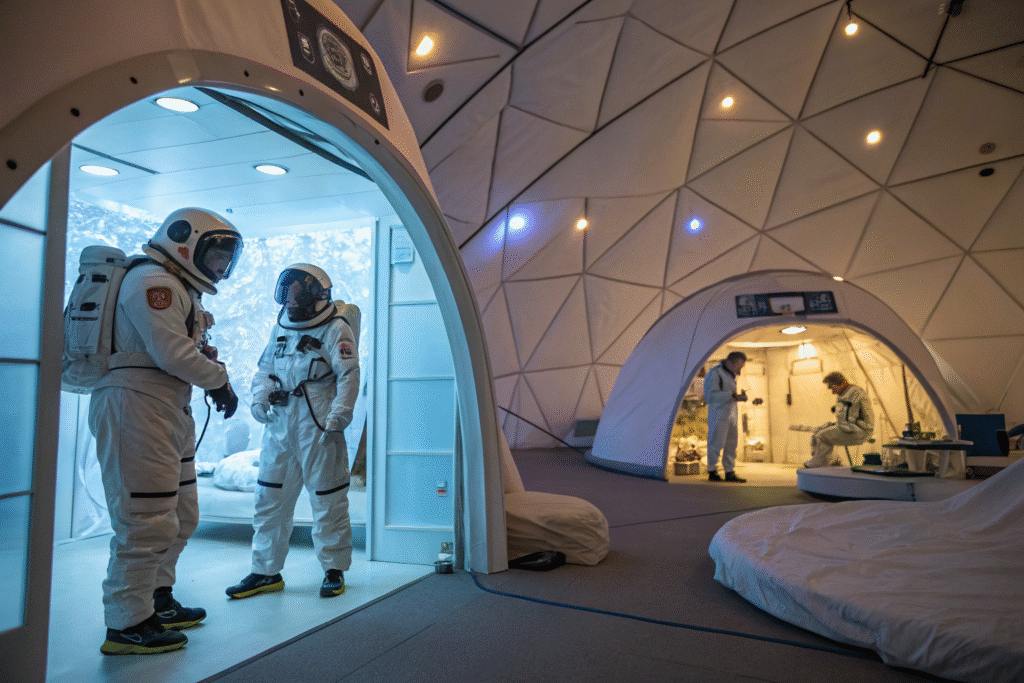
Space habitats are sealed systems where microbes can multiply quickly. Unlike Earth, where fresh air and natural UV exposure help, in space every surface is a potential risk. Photocatalytic textiles directly address this issue.
How Do They Improve Crew Health?
Self-sterilizing textiles reduce the chances of infections, skin irritation, and respiratory issues. WHO guidelines stress that microbial control in confined spaces is critical for human health. For astronauts, even minor infections can disrupt missions. By using antimicrobial fabrics, habitats maintain a cleaner environment, lowering medical risks.
Do They Reduce Maintenance Costs?
Yes, and dramatically. Since fabrics clean themselves under light, there is less need for chemical disinfectants, laundry systems, and frequent replacements. According to Space.com, logistics is one of the biggest costs in space travel. Extending fabric lifespan means fewer resupply missions, directly saving millions of dollars.
What Challenges Do These Textiles Solve?
Textiles in space habitats face multiple challenges: microbial buildup, odor control, and durability under cosmic radiation. Photocatalytic fabrics provide a comprehensive solution.
Can They Control Odors and Mold?
Yes. Photocatalytic action not only kills microbes but also decomposes organic matter, preventing odors and mold growth. EPA reports show that indoor air quality is closely linked to textiles, which often act as reservoirs for contaminants. In a closed system like a spacecraft, odor-free textiles improve comfort and morale.
Do They Withstand Harsh Space Conditions?
Photocatalytic finishes are engineered to resist UV degradation and mechanical wear. Studies from Materials Today show that advanced coatings improve thermal stability and resilience. This ensures fabrics last longer, even in radiation-heavy environments outside Earth’s protection.
Are Self-Sterilizing Textiles the Future of Space Habitats?
The global textile industry is already moving toward smart fabrics for Earth-based applications like hospitals and sportswear. The space industry is simply the frontier where these innovations are most urgently needed.
Will They Influence Earth Applications?
Absolutely. Hospitals, airplanes, and even homes could benefit from fabrics that clean themselves and resist infection. According to MarketsandMarkets, the antimicrobial textile market is projected to grow rapidly, fueled by healthcare and defense needs. Space-driven research often creates breakthroughs that later become everyday products.
How Can They Be Integrated Into Design?
The integration can be seamless. Fabrics for seats, sleeping bags, walls, and uniforms can all be treated with photocatalytic technology. Architectural Digest has reported on design concepts that merge function with style. In space, where design and safety must coexist, these textiles bridge both needs.
Conclusion
Self-sterilizing photocatalytic textiles are more than a technological upgrade; they are a necessity for the future of safe and sustainable space exploration. By using nanotechnology and light, these fabrics actively sterilize themselves, protect astronaut health, reduce costs, and extend durability. They represent how innovation in textiles can redefine survival and comfort in extreme environments.
If you want to explore advanced textile solutions for your own applications, we at Shanghai Fumao are ready to collaborate. Contact our Business Director Elaine at elaine@fumaoclothing.com to discuss how we can help develop custom self-sterilizing fabrics for your projects.