The need for sustainable systems in space exploration, underwater habitats, and future urban environments is urgent. Traditional fabrics protect us from harsh conditions, but they do not sustain life. Buyers, researchers, and industry leaders now face the challenge of finding textiles that go beyond passive use. This pain point delays innovation and limits applications.
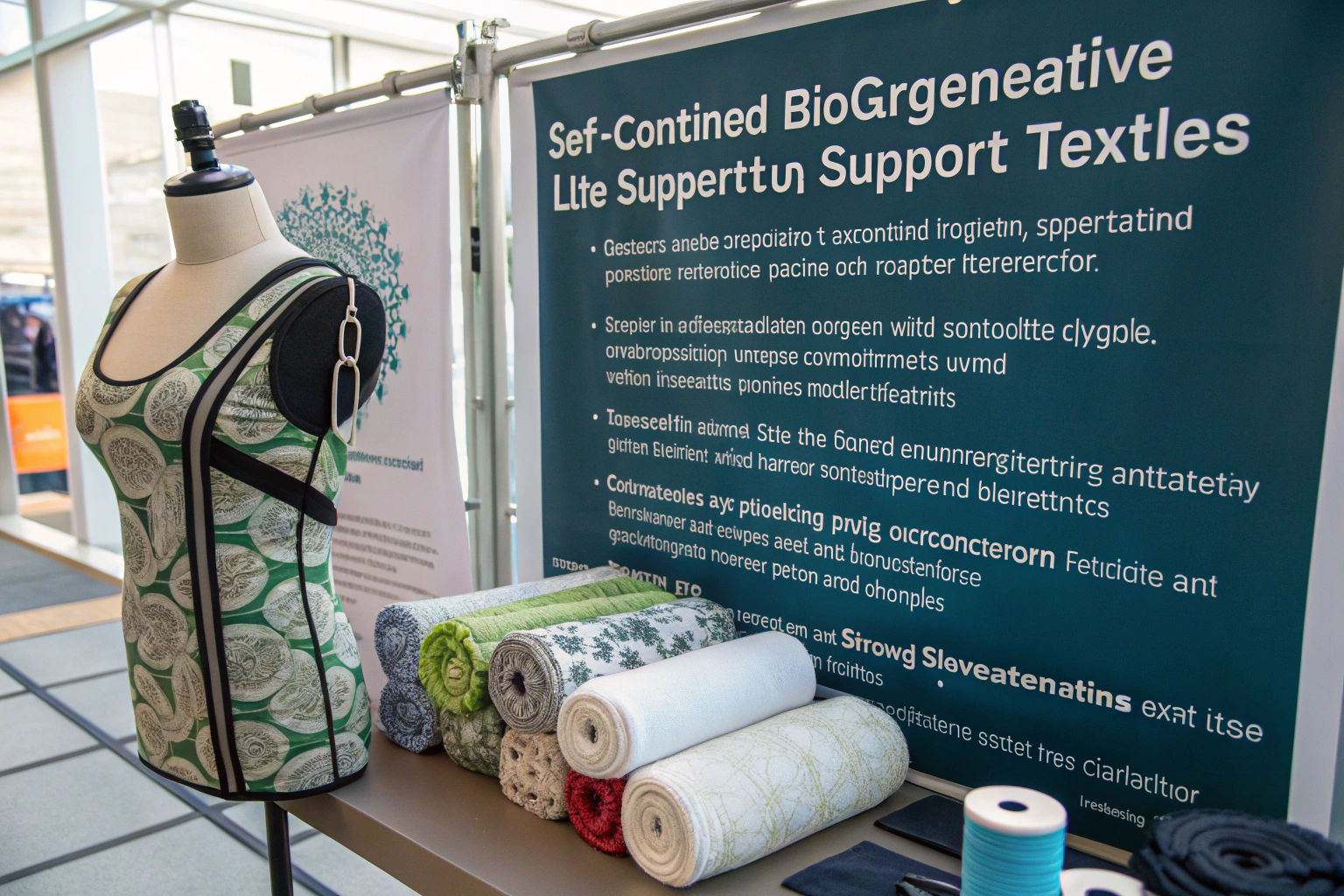
Self-contained bioregenerative life support textiles offer a solution by embedding living systems inside fabrics to recycle air, water, and waste while generating oxygen and nutrients. Unlike conventional textiles, these are active, regenerative ecosystems. They hold promise for space missions, deep-sea operations, and even eco-fashion and architecture.
I will explain why these textiles matter, how they work, and what challenges and opportunities lie ahead.
How Do Bioregenerative Textiles Sustain Human Life?
Conventional fabrics only provide protection. Bioregenerative textiles actively sustain life by embedding living organisms within textile systems.
They recycle carbon dioxide, produce oxygen, clean water, and sometimes generate nutrients. This creates a closed-loop micro-ecosystem, vital in environments with limited resupply.
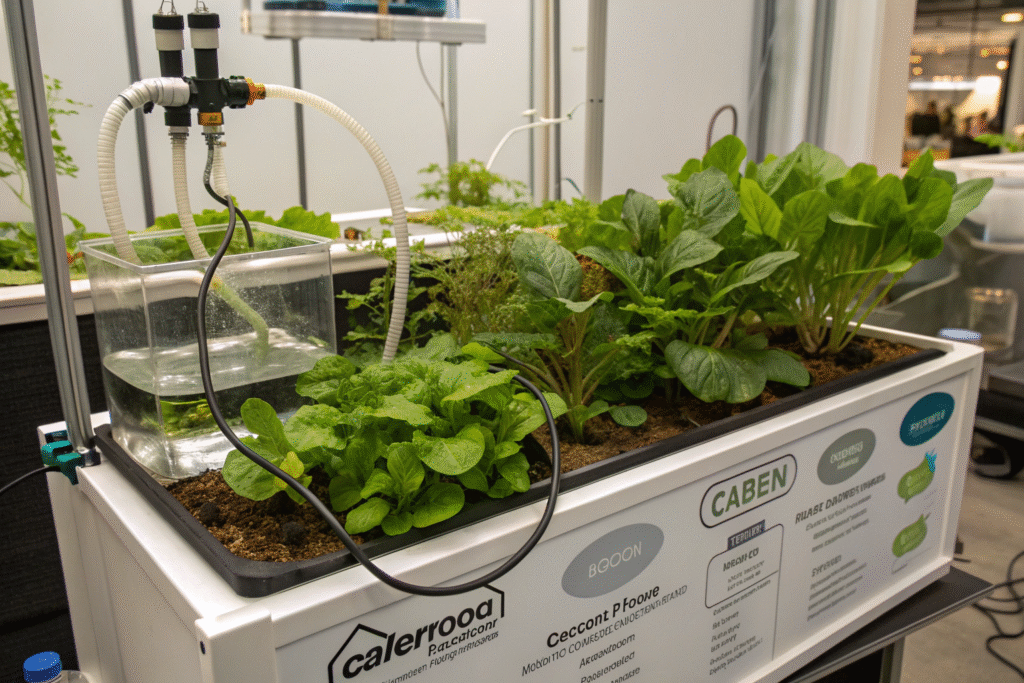
What Functions Do They Perform?
- Algae fibers perform photosynthesis and release oxygen.
- Bacteria-infused membranes clean wastewater.
- Mycelium-based composites absorb CO₂.
- Enzyme-coated fibers break down organic waste.
Examples include Post Carbon Lab’s algae textiles that breathe like plants, and NASA’s research into algae systems for spacecraft.
Why Are They Valuable in Extreme Environments?
Closed systems like the International Space Station depend on limited resources. Fabrics that recycle air and water reduce resupply needs, making missions longer and safer.
Why Are They Critical for Space and Deep-Sea Missions?
Mechanical life support systems are heavy, consume energy, and can fail. Fabrics with regenerative functions offer a lighter, adaptable alternative.
Bioregenerative textiles combine survival gear and habitat functions, making them essential for long-term missions.
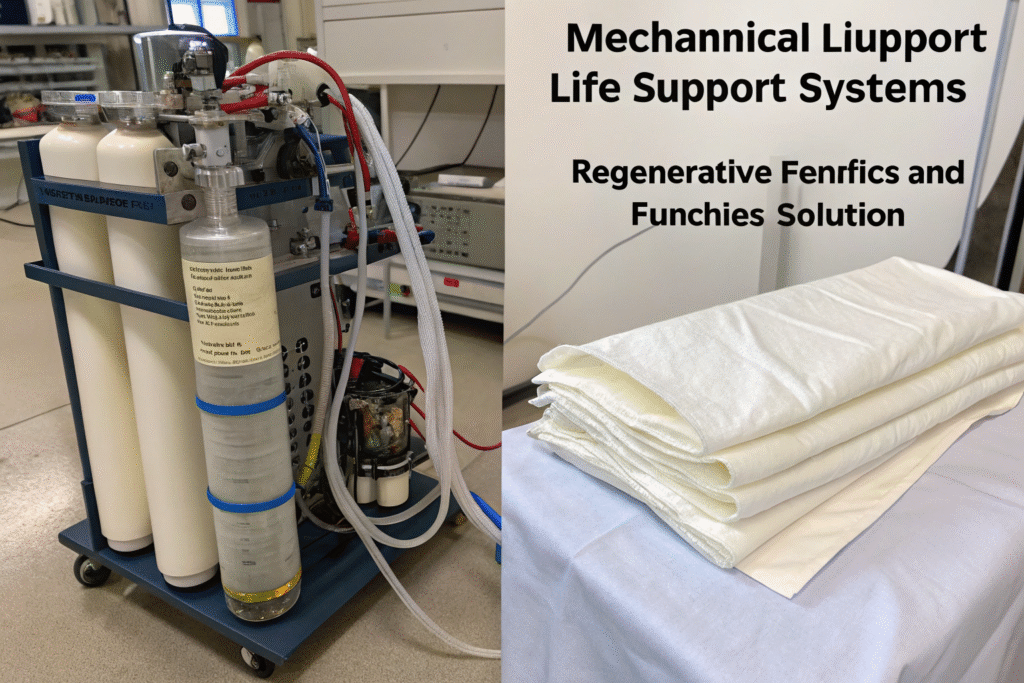
How Do They Improve Space Missions?
- Lighter than oxygen tanks and water reserves
- Provide ongoing oxygen and CO₂ recycling
- Adapt to changing environments
- Potential for self-repair using biological processes
Projects like MIT’s algae bioreactors for space show how textiles can serve as living life support systems.
What About Deep-Sea Applications?
Underwater habitats and submarines face the same supply limitations. Fabrics that regenerate air and process waste allow crews to remain underwater longer without surfacing.
How Do They Advance Sustainable Fashion and Architecture?
Bioregenerative textiles are not only for space or ocean. They also transform fashion and architecture into regenerative systems.
Clothing and interiors made of these fabrics reduce pollution, filter air, and produce oxygen. This aligns with global sustainability goals.
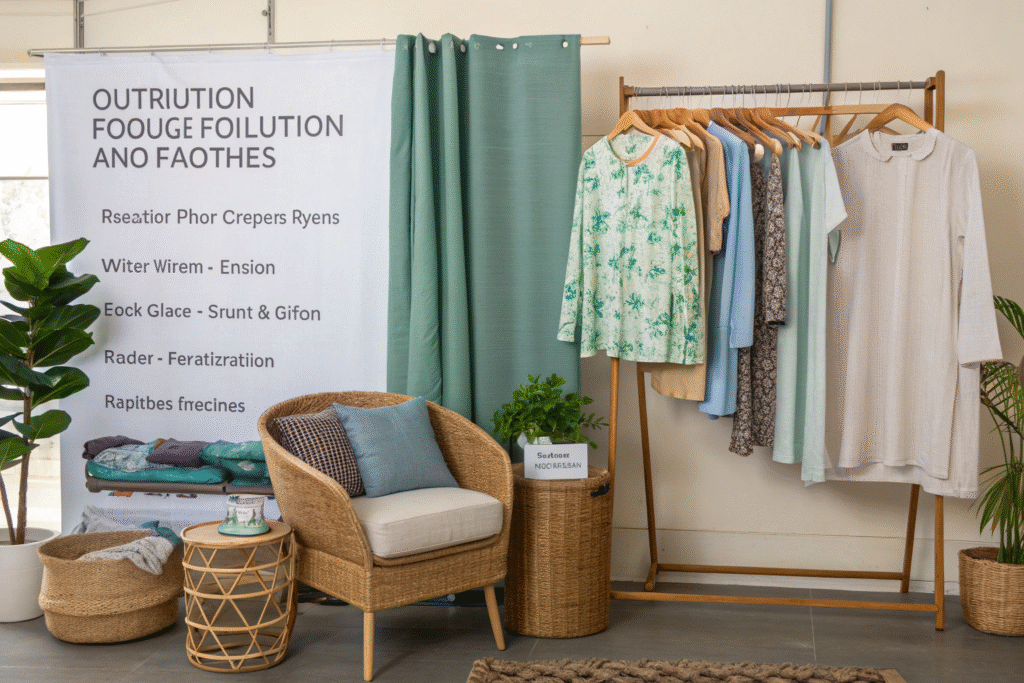
How Are They Used in Fashion?
Designers develop photosynthetic clothing that produces oxygen and reduces pollution. A coat lined with algae-based layers becomes a personal air purifier. See algae garment prototypes.
What About Architecture?
Buildings lined with living textiles can reduce CO₂, filter indoor air, and generate biomass for energy. Research at University of Cambridge highlights progress toward integrating “living textiles” in urban design.
What Are the Challenges and Opportunities?
Even though potential is strong, bioregenerative textiles face hurdles.
Balancing biological life with durability, comfort, and safety is complex. But rapid progress in synthetic biology and nanotechnology brings solutions closer.
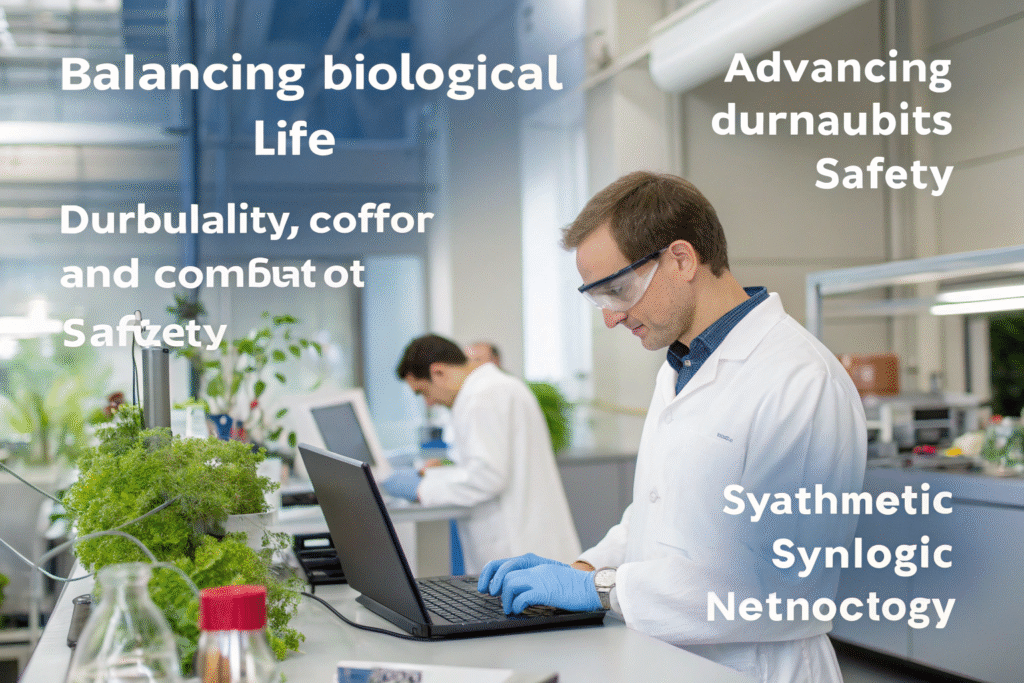
Current Challenges
- Keeping organisms alive through wear and washing
- Ensuring safety and preventing harmful bacteria
- High production costs at scale
- Combining comfort with technical performance
Emerging Opportunities
- Military and space uniforms with built-in life support
- Hospital interiors with oxygen-generating fabrics
- Smart homes with breathable living walls
- Urban systems reducing carbon footprints
These applications suggest a future where textiles become active partners in survival and sustainability.
Conclusion
Self-contained bioregenerative life support textiles go beyond fabric—they are living systems. They regenerate oxygen, purify water, and recycle waste, supporting human survival in space, underwater, and on Earth.
They also redefine fashion and architecture, turning everyday materials into ecosystems. Though challenges exist in scale and durability, research proves that these textiles will shape the next era of survival gear and sustainable living.
For buyers, researchers, and industry leaders, now is the time to explore partnerships in this field. Investing in bioregenerative textiles means investing in the future of life itself.