Achieving consistent color across fabric batches is a top priority for fashion brands and textile buyers. One dyeing method stands out for reliability and uniformity—pigment dyeing.
In this blog, we’ll explore why pigment dyed fabrics are ideal for brands demanding color stability, production scalability, and natural aesthetics across collections.
What Is Pigment Dyeing and How Does It Work?
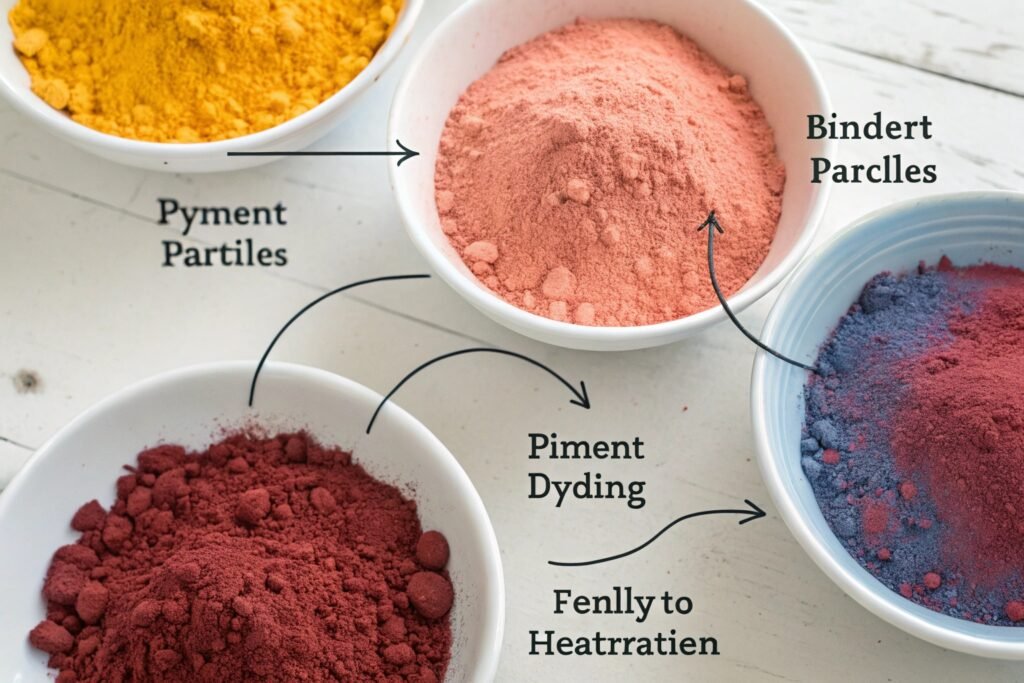
Pigment dyeing uses color particles that sit on the surface of the fabric rather than bonding chemically with the fiber. This method requires binders and heat-setting to fix the pigment in place, giving it a unique, washed-in aesthetic and excellent visual consistency.
Why Is Pigment Dyeing More Surface-Based?
Unlike reactive or vat dyeing that chemically bind with fiber molecules, pigment dyes are insoluble in water. They're physically applied to the fabric surface using binders that form a film during heat setting. This means color does not rely on fiber composition for effectiveness.
What Fabrics Are Best for Pigment Dyeing?
- Cotton (twill, jersey, French terry)
- Cotton-poly blends
- Rayon or viscose blends
- Loopback fleece or canvas
Pigment dyeing works especially well with textured or natural fiber bases, often enhancing garment-dyed aesthetics with vintage or stonewashed looks.
How Does Pigment Dyeing Improve Color Uniformity?
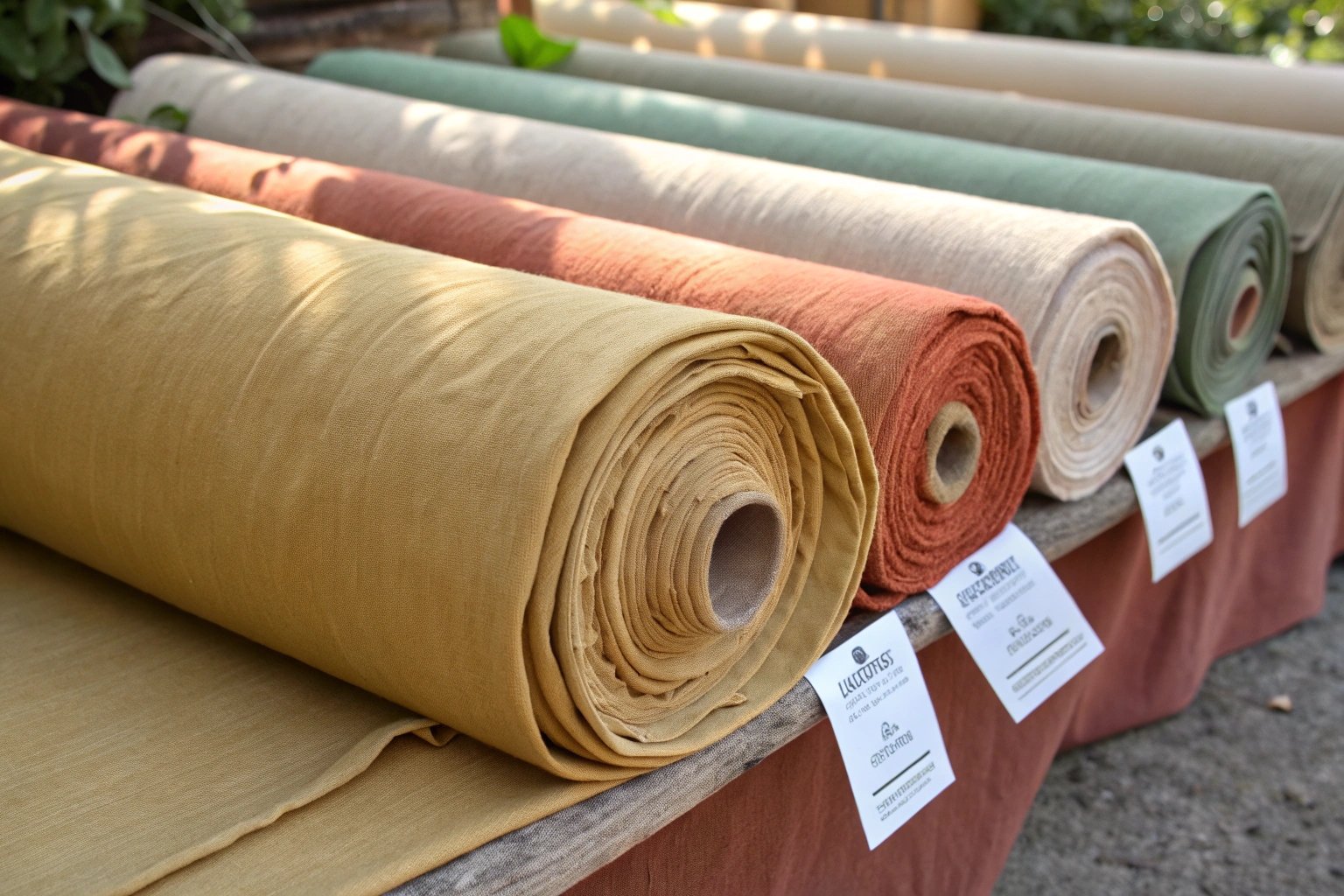
One of the biggest benefits of pigment dyeing is its ability to deliver consistent, even tones across batches. This makes it ideal for bulk garment production where every panel or roll needs to match.
Because the pigment layer sits on the fabric surface, it eliminates variation caused by fiber absorption differences, common in reactive dyeing.
What Controls Color Variation in Pigment Dyeing?
- Controlled binder-to-pigment ratio
- Surface application method (padding, spraying)
- Heat setting temperature
- Machine calibration
By managing these process variables, top-tier dye houses (like Fumao’s partners in Keqiao) achieve Delta E < 1.5 color tolerance across hundreds of meters.
Why Is It Easier to Reproduce in Bulk?
Once pigment formulas are set and the fabric surface is standardized, the repeatability is very high. Factories can produce 500m or 5,000m with minimal tone deviation—critical for brands that sell matching tops and bottoms or multi-size garments.
Is Pigment Dyeing Better for Pre-Washed or Vintage Styles?
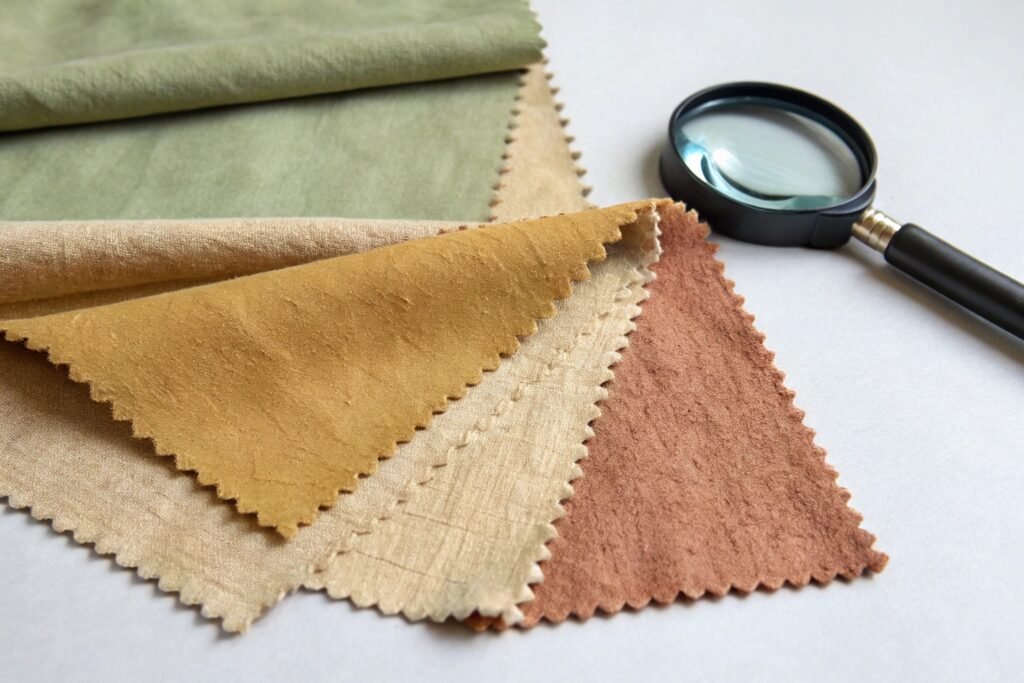
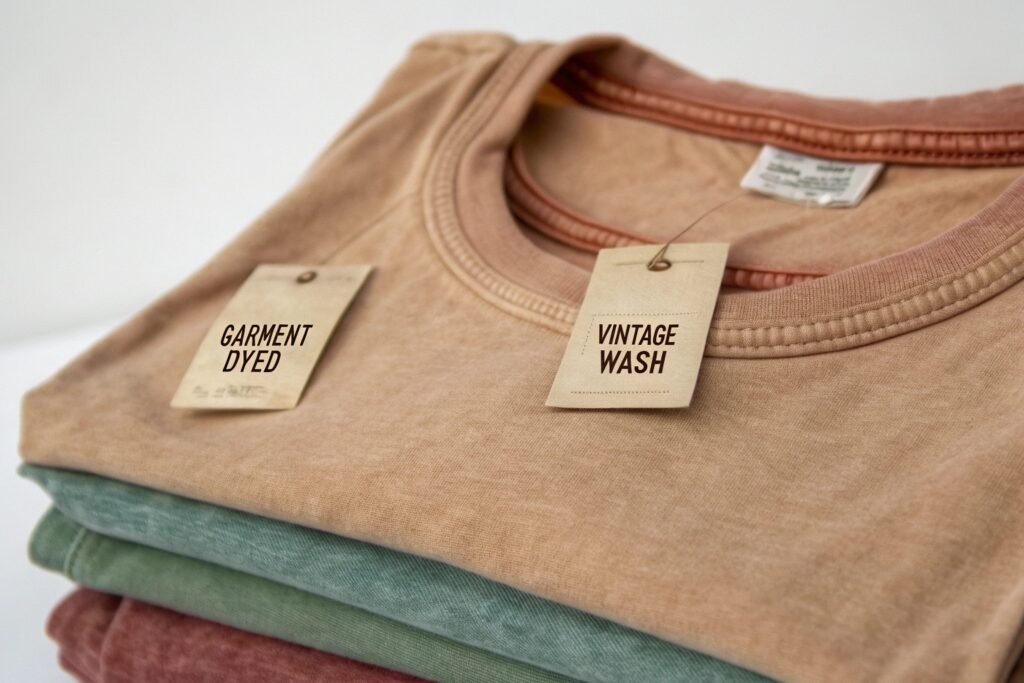
Yes. Pigment dyeing is the go-to choice for achieving “washed” or “lived-in” looks that are on trend in casualwear, streetwear, and children’s basics. Unlike fiber-reactive dyes, pigment finishes produce softer tones, faded seams, and natural patina after washes.
What Visual Effects Can Be Achieved?
- Garment dyed look: Uneven tone around seams
- Stonewashed/vintage wash: Soft fade after enzyme wash
- Muted or dusty tones: Earthy aesthetics
- Layered dyeing: Pigment + reactive for hybrid color effects
These are often used in seasonal collections for US/EU kidswear and lifestyle brands seeking worn-in charm with production control.
Are There Trade-Offs for Durability?
Pigment dyes may fade faster over time than fiber-bonded dyes, but modern binders and finishing processes help extend their lifecycle. Brands often use pigment dyeing where aesthetic consistency and brand tone matter more than multi-year wash resistance.
Where Can You Source Quality Pigment Dyed Fabrics?
To get the best results, sourcing from experienced pigment dye mills is key. These factories have dedicated lines for binder control, color lab matching, and garment wash post-treatment.
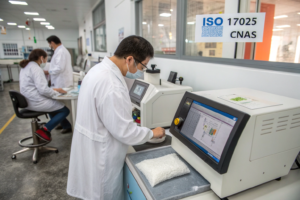
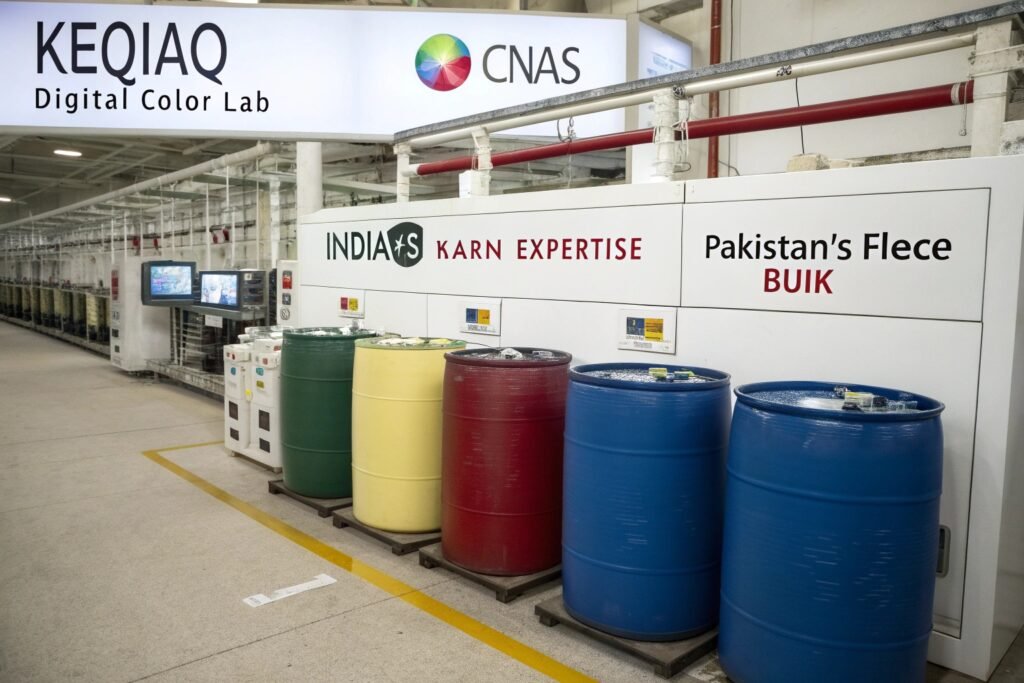
Keqiao in China leads with flexible MOQs and CNAS-certified pigment color testing. India offers strong yarn-dye pigment programs, while Pakistan specializes in pigment fleece.
What to Ask Your Supplier?
- Do you use air pad or knife over roll pigment application?
- Can you match Pantone shades with Delta E ≤ 1.5?
- What’s your minimum order per color (usually 200–300m)?
- Are the binders formaldehyde-free?
Fumao offers pre-stocked base fabrics (e.g., cotton jersey, terry, canvas) and low-MOQ pigment dyeing with full SGS color reports.
Can Pigment Dyeing Be Eco-Friendly?
Yes, with:
- Water-saving application (compared to reactive)
- No need for salt or high pH waste
- Oeko-Tex compliant binders
- Minimal discharge pollution
Brands seeking sustainable aesthetics with traceable processing often prefer pigment dyeing for its lower environmental impact.
Conclusion
Pigment dyed fabrics combine style, consistency, and efficiency. Their ability to deliver precise tones across large runs—plus their compatibility with vintage washes and eco-finishing—make them a top choice for brands focused on aesthetic consistency.
If you're sourcing cottons, French terry, or knitwear for lifestyle or kidswear collections, pigment dyeing offers unmatched control over tone and texture. At Fumao, we partner with pigment dyeing specialists in Keqiao to ensure you get scalable results with low MOQ, fast sampling, and tested color durability.
Let pigment dyes bring visual harmony to your next collection—without the color chaos.