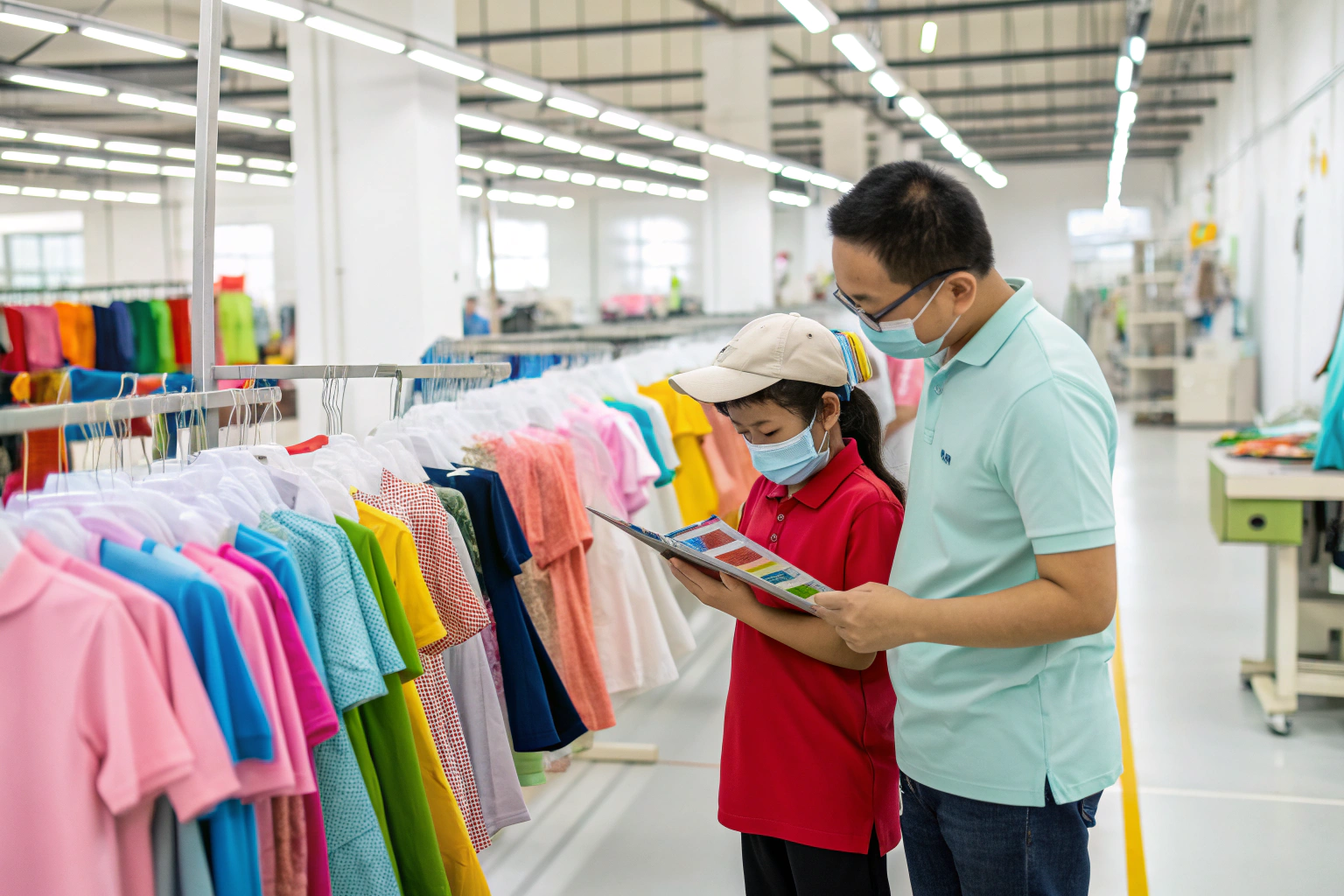
If you're building a kids wear brand, you're not just selling clothes—you're selling trust. Parents today are more informed and concerned than ever. They read labels, research brands, and demand to know where and how products are made. A cute design is not enough. The material's origin, safety, and environmental impact are now part of the purchasing decision.
Choosing a BCI (Better Cotton Initiative) certified factory for your kids wear line is a strategic business decision that addresses the core concerns of modern parents. It provides a verifiable, holistic assurance of responsibility—covering environmental stewardship, improved fiber quality for sensitive skin, and ethical supply chain practices—turning a compliance requirement into a powerful brand differentiator.
Many brands think sourcing BCI-certified fabric is sufficient. However, the factory that transforms that fabric is where traceability and integrity are either maintained or lost. A BCI-certified factory is audited to properly manage the Mass Balance chain of custody, ensuring the Better Cotton claim in your order is legitimate. Last season, a startup kids organic cotton brand faced retailer skepticism because their fabric was certified, but their factory was not. They partnered with us at Shanghai Fumao, a BCI-certified manufacturer. We provided the complete transaction trail from farm to finished garment, which secured their placement in a major eco-conscious department store. The retailer specifically cited the certified factory partnership as the deciding factor.
When trust is your most valuable asset, every link in your supply chain must be strong. Here’s why the factory certification is the most critical link for your kids wear line.
How Does a BCI Factory Guarantee Authentic Supply Chain Integrity?
The kids wear market is sadly vulnerable to greenwashing. Claims of "sustainable cotton" are easy to make but hard to prove. A certified factory is your proof point.
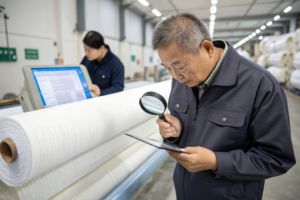
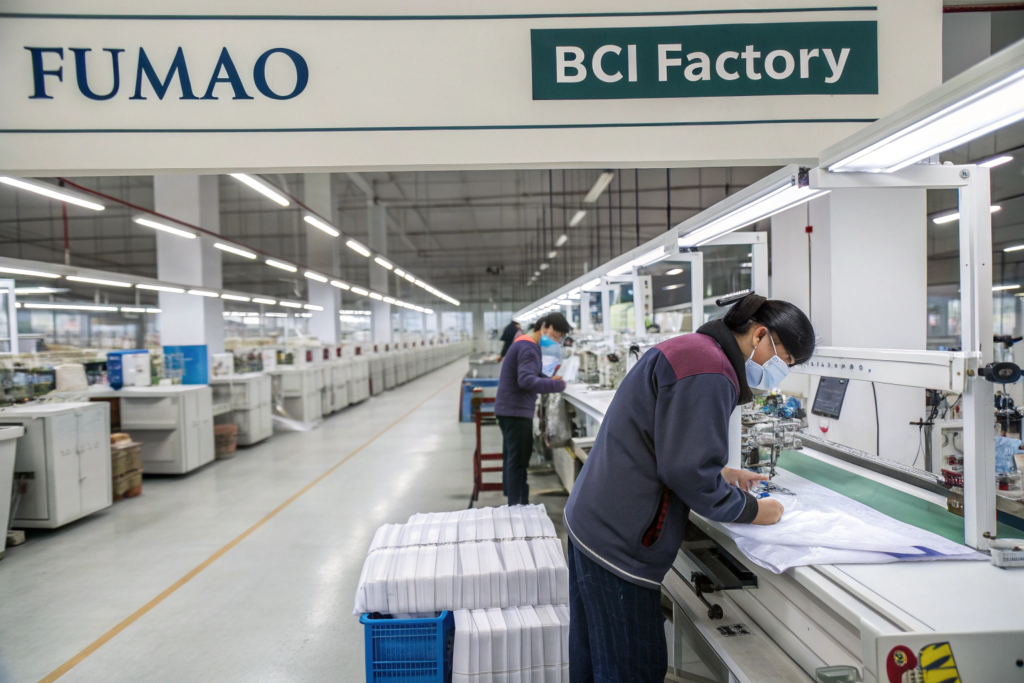
A BCI-certified factory operates within a documented system. They must purchase cotton from BCI-licensed suppliers and obtain Transaction Certificates (TCs) for the volume used. This creates an auditable paper trail from the farm to your finished rompers or t-shirts. For a brand, this means you receive not just a garment, but a documented story. You can confidently tell parents that the cotton in your line supports better farming practices. We had a client whose previous factory could only provide a fabric mill's certificate. When audited by a retail partner, they couldn't produce the factory's TC linking the specific order. This caused a failed audit and lost business. With our Shanghai Fumao BCI factory system, we automatically generate and archive the TC for every client order, making brand audits seamless and successful.
What is the "Mass Balance" Chain of Custody?
It's crucial to understand that BCI cotton is mixed with conventional cotton during processing. The certified factory's role is to ensure that for every kilogram of cotton they claim as "Better Cotton" in their final products, they have purchased a corresponding kilogram of "Better Cotton Claim" from upstream. The factory's certification verifies they have the systems to track this correctly.
Why Can't I Just Rely on a Fabric Mill's Certificate?
The fabric mill's certificate shows they can produce BCI fabric. The factory's TC proves they did purchase and use that BCI credit for your specific order. The factory is the final, accountable link that connects the sustainable input to your branded output.
Does BCI Certification Lead to Better Quality and Safer Fabrics for Kids?
Kids are tough on clothes, but their skin is delicate. Parents prioritize softness, durability, and safety. BCI cotton, processed in a certified facility, contributes directly to these qualities.
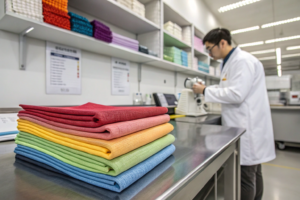
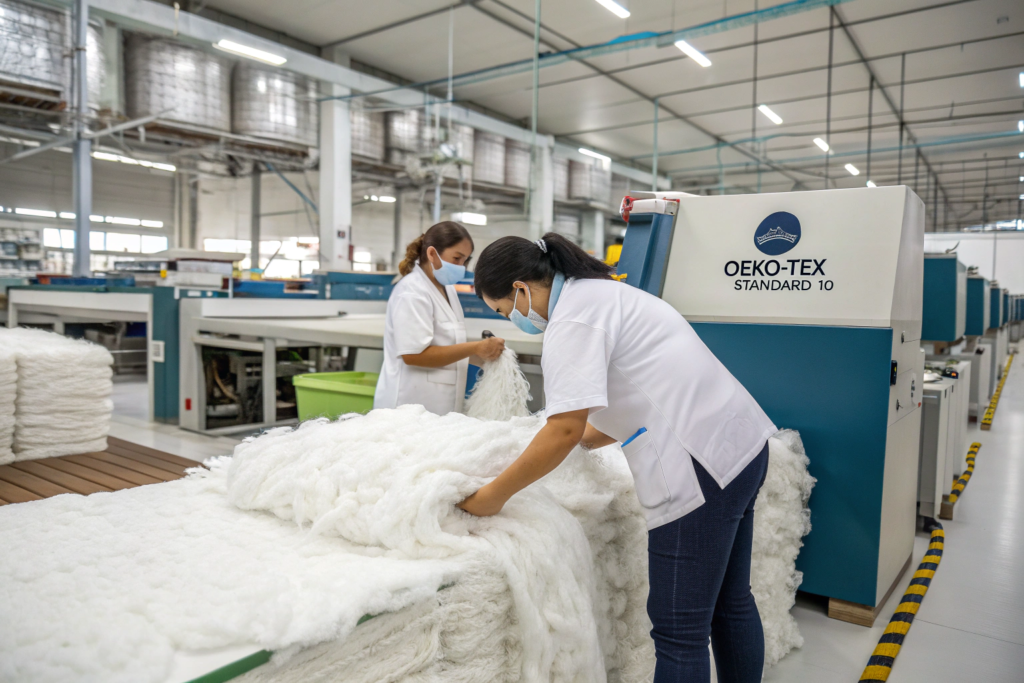
BCI principles promote growing longer, stronger cotton fibers. In a certified factory, these high-quality fibers are often processed with greater care to maintain their integrity. This results in fabrics that are inherently softer (less prone to pilling and roughness) and more durable—able to withstand countless washes and playdates. Furthermore, a factory engaged in the BCI system is typically more conscious of its overall chemical management, often aligning with standards like OEKO-TEX Standard 100. This creates a synergy for safety. A client producing kids' pajamas needed both flame-resistant treatment and skin safety. Our BCI factory's existing chemical management protocols, audited for traceability, made it easier to integrate and certify the final product under OEKO-TEX, creating a doubly safe product for the brand.
How Does Fiber Quality Translate to Kids Wear?
- Softer Hand Feel: Longer fibers spin into finer, smoother yarns, reducing skin irritation.
- Color Fastness: High-quality fibers absorb dye evenly, preventing dye bleed that can be a safety concern for babies who chew on clothes.
- Durability: Stronger fibers resist pilling and tearing, meaning clothes look newer longer, surviving hand-me-downs.
What About Chemical Safety Beyond the Field?
While BCI focuses on farm-level pesticide reduction, a responsible certified factory will also control post-harvest chemicals (dyes, finishes). The best partners combine BCI with OEKO-TEX or GOTS (Global Organic Textile Standard) processing for complete supply chain safety.
How Does This Choice Future-Proof Your Brand Against Regulation?
Global regulations on sustainability claims and supply chain due diligence are tightening. The EU's Corporate Sustainability Due Diligence Directive (CSDDD) and similar laws will require brands to prove responsible sourcing.
Partnering with a BCI-certified factory proactively builds your compliance infrastructure. The BCI system generates the exact type of documentation—Transaction Certificates, audit reports, membership verifications—that regulators will demand to substantiate environmental and human rights due diligence claims. It's a ready-made reporting system. A kids wear brand based in California, anticipating the state's stricter green claims laws, used our factory's BCI audit reports and TC history as core evidence in their legal team's review, ensuring their marketing language was fully substantiated and litigation-proof.
What Reporting Data Does a BCI Factory Provide?
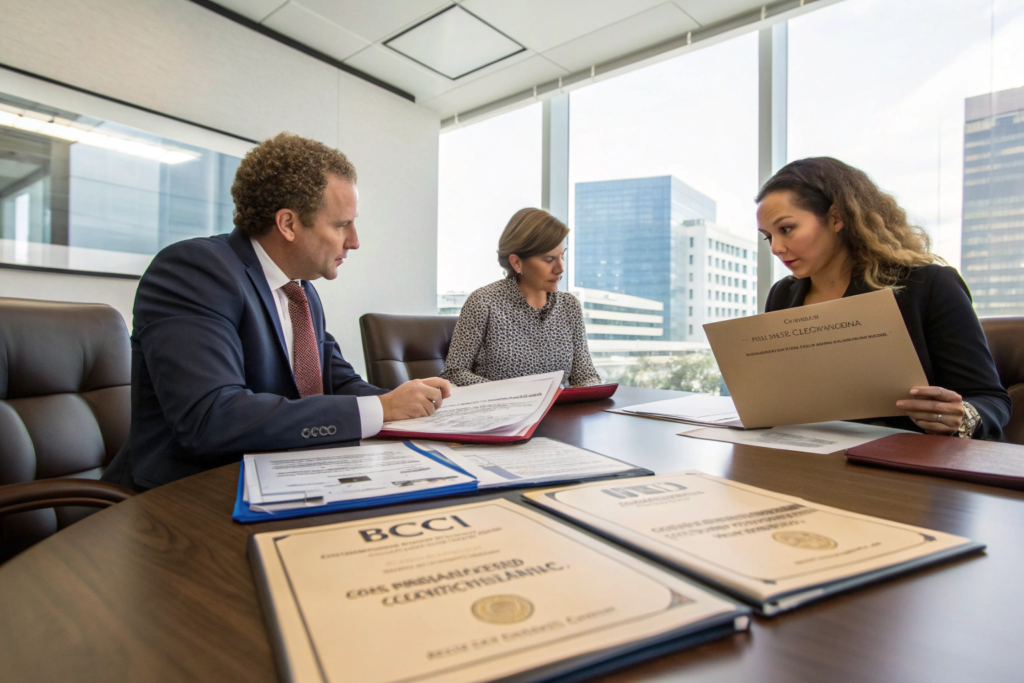
You can leverage your factory's system for your own ESG (Environmental, Social, and Governance) reporting:
- Volume Data: Kilograms of Better Cotton sourced.
- Impact Metrics: Data on average water and pesticide reduction from BCI's annual reports.
- Social Compliance: Evidence of training on decent work principles at farm level.
How Does It Mitigate Reputational Risk?
In the event of a supply chain scandal (e.g., water misuse in a cotton region), having a BCI factory partner demonstrates you selected a supplier committed to mitigating those very issues. It shows proactive due diligence.
Can a BCI Factory Partnership Enhance Your Marketing Story?
For kids wear brands, marketing is a conversation with parents. A BCI factory partnership provides a deeper, more authentic narrative than a generic "we care" message.
Move beyond "sustainable cotton." Tell the story of a verified journey: "We partner with a BCI-certified factory to ensure our cotton supports farmers using less water and chemicals, and to bring you softer, safer clothes for your little ones." This concrete story builds immense trust. We helped a brand create a short video series called "From Field to Frocks," featuring the BCI farm-to-factory journey. This content drove high engagement on social media and was used by retail partners in their own marketing, effectively co-branding the responsibility story.
How to Communicate This to Parents?
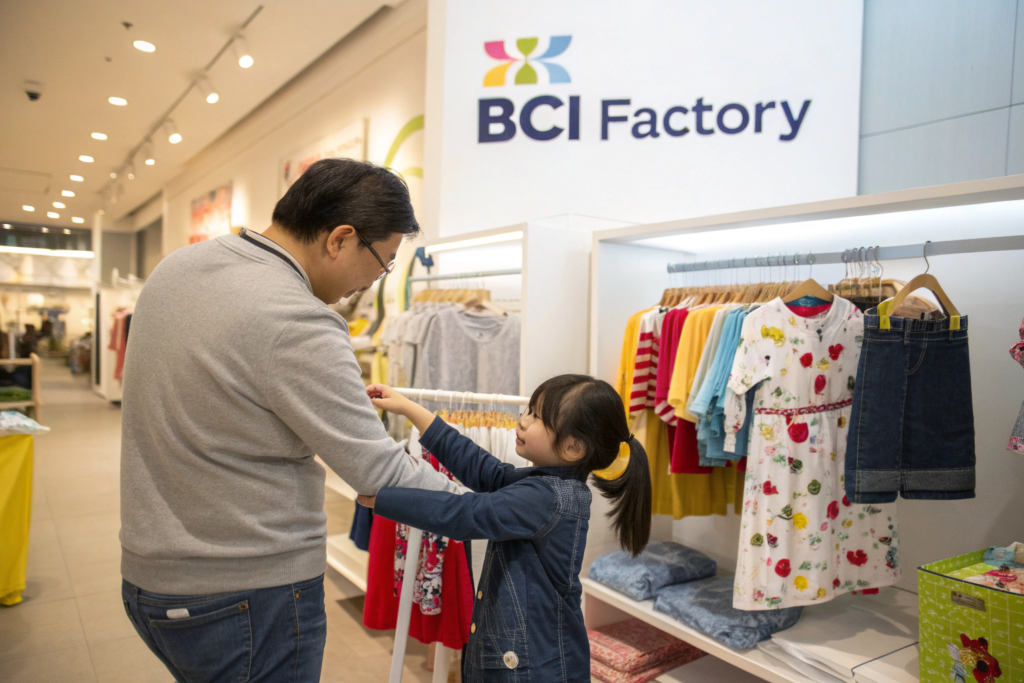
- Hangtags: Use the BCI logo (with license) and a simple explanation.
- Website "Our Story" Page: Detail the factory partnership and what BCI means.
- Social Media: Share snippets of factory audits, certificates, or farmer stories.
Does This Align with Retailer Demands?
Absolutely. Major retailers have sustainable sourcing mandates. A BCI-certified factory gives you a competitive advantage during buyer meetings. You can answer their vendor questionnaire questions about certified sourcing with confidence and provide immediate proof.
Conclusion
Choosing a BCI-certified factory for your kids wear line is an investment in brand integrity, product quality, and long-term business resilience. It closes the loop on your sustainability claims, ensures you are prepared for regulatory changes, and provides the authentic, trustworthy story that today's parents seek. In the sensitive and competitive kids wear market, this partnership isn't just an option—it's a foundational strategy for building a reputable, lasting brand.
Your choice of factory defines your brand's commitment. Make it a choice that parents can see and trust.
Ready to build a kids wear line founded on verified responsibility and superior quality? Partner with Shanghai Fumao, your BCI-certified manufacturing expert. Let us help you create clothes that are good for children and the planet. Contact our Business Director, Elaine, to begin: elaine@fumaoclothing.com.