I've been in this business long enough to know that most brands think their customers are loyal to their designs. And sure, great design matters. But here's what I've learned from two decades of supplying fabrics to brands in the US, Europe, and beyond: customers don't stay loyal to a brand because of a cool logo or a trendy cut. They stay loyal because of how the clothes feel against their skin, how they hold up after twenty washes, and how they make the wearer feel confident every time they put them on.
Let me be direct with you. Attention to detail in fabric sourcing directly determines the sensory experience and durability of your final product, which in turn creates the emotional connection that turns one-time buyers into repeat customers. When you cut corners on fabric quality, your customers notice. They might not say it out loud, but they feel it. And eventually, they leave.
At Shanghai Fumao, we've helped hundreds of brands build their reputations on quality. I've seen what happens when brands invest in the details—and what happens when they don't. This article comes from my experience on the ground, in the factories, working with clients who understand that fabric isn't just a component. It's the foundation of their brand promise.
How Does Fabric Quality Influence the First-Time Customer Experience?
The first time a customer picks up your garment, they're making a judgment in seconds. That moment of first touch is make-or-break. And that judgment is based entirely on the fabric you chose.
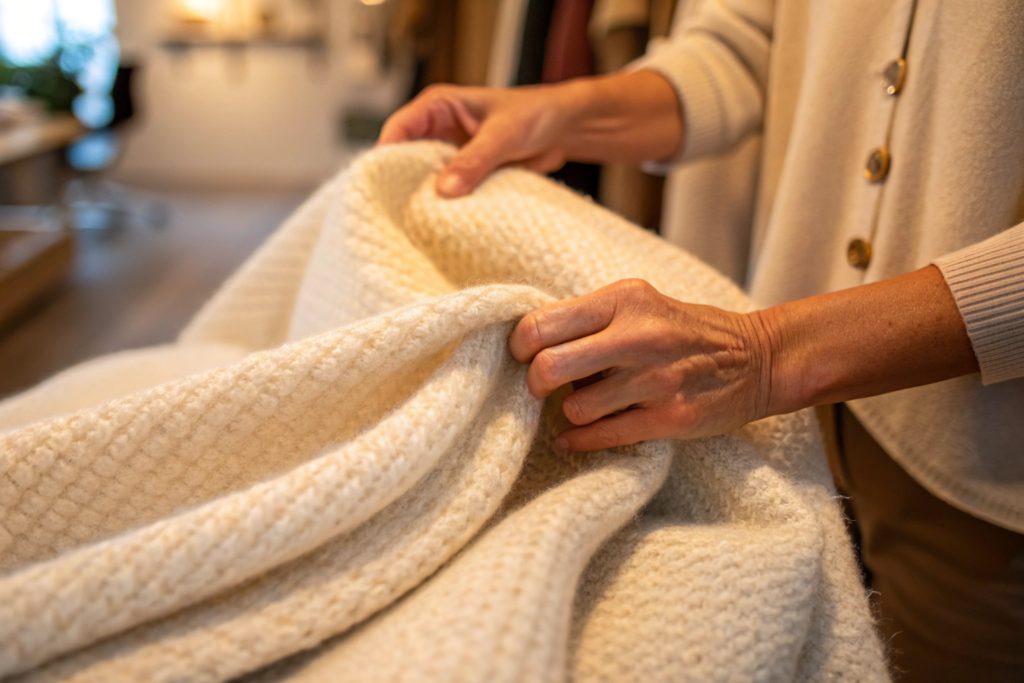
What Happens in the First Three Seconds of Touch?
Think about the last time you walked into a clothing store. You probably touched things before you even looked at the price tag. We're wired that way. Our fingers send signals to our brains about quality, comfort, and value before our eyes have time to process the design.
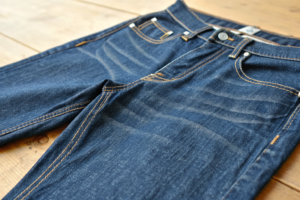
For knitted fabrics, that first touch tells a customer everything. A jersey that's made from high-quality combed cotton feels smooth and substantial. The same jersey made from cheaper, shorter-staple cotton feels rough and thin. A customer might not know why one feels better than the other, but they feel the difference.
I remember a conversation with a US-based startup founder who came to us in early 2023. She had launched her first collection with a supplier who offered rock-bottom prices on cotton jersey. The samples looked fine in photos. But when her first batch of customers started receiving their orders, the reviews were brutal. "Feels cheap." "Thin and see-through." "Not worth the money." She came to us desperate to fix her supply chain. We walked her through our yarn selection process, showing her how we use longer-staple cotton for our premium jersey. She felt the difference immediately. Her next collection, using our fabric, got reviews that said "Feels like a $100 tee" and "Finally, a brand that cares about quality." That's the power of the first touch.
(Here's something I tell all my clients: the cost difference between cheap cotton and good cotton is usually less than $1 per garment. But the perception difference to your customer is enormous. Don't save pennies where it costs you dollars in brand reputation.)
How Does Shrinkage Control Affect Customer Satisfaction?
This is a detail that most brands underestimate until it becomes a disaster. A garment that fits perfectly on the first wear but shrinks two inches after the first wash is a garment that gets returned, or worse, gets thrown in the back of the closet and never worn again.
In our dyeing and finishing operations, we control shrinkage through mechanical and chemical processes. We test every batch in our CNAS-accredited lab to ensure shrinkage is within acceptable limits—typically less than 3% for knitted fabrics. When a client asks for our test data, we can provide QR code tracking that shows real-time results for their specific batch.
I had a European children's wear client who came to us after a nightmare with their previous supplier. Their cotton interlock t-shirts were shrinking 7-8% after washing. Parents were complaining. Returns were eating up their margins. We tested their previous fabric in our lab and found that the finishing process hadn't properly relaxed the fabric. We produced a sample run using our controlled finishing process, sent it to their customer service team, and asked them to wash it ten times. No shrinkage beyond 2%. They switched their entire kids' line to us within three months. Their returns dropped by 40% the following season.
A customer who buys a shirt that fits perfectly after ten washes is a customer who trusts your brand. That trust is built on a detail most consumers never think about—shrinkage control.
What Role Does Color Consistency Play in Brand Identity?
If you've ever bought the same t-shirt in two different colors from the same brand and found that they fit differently or feel different, you know how frustrating that is. Color consistency isn't just about matching shades. It's about maintaining the same fabric quality across your entire color range.
Different dyes interact differently with fibers. A dark black requires more dye than a light heather grey, and that extra dye can affect the hand feel and weight of the fabric if the supplier doesn't adjust their process. A supplier who pays attention to detail will account for this. They'll adjust the knitting tension or the finishing process to ensure that the black interlock feels the same as the grey interlock.
We had a client from a Scandinavian streetwear brand who came to us in 2022. Their previous supplier had delivered a batch of black hoodies that felt completely different from their grey hoodies—stiffer, heavier, less comfortable. Customers noticed. The brand was getting complaints. We produced a sample run for them using our color-specific finishing process. We kept the fabric weight consistent across colors by adjusting our knitting parameters. The client's quality control team tested both colors side by side and confirmed they were identical. They placed a full collection order with us that same month.
When your customers know they can buy any color in your collection and get the same quality, that's brand loyalty. When they have to wonder if the black version will be as good as the white, you've lost their trust.
What Hidden Details Separate Premium Fabrics from Commodity Fabrics?
The fabric industry has a term for what you can't see. We call it "the inside story." And that inside story is what separates a garment that lasts for years from one that falls apart in months.
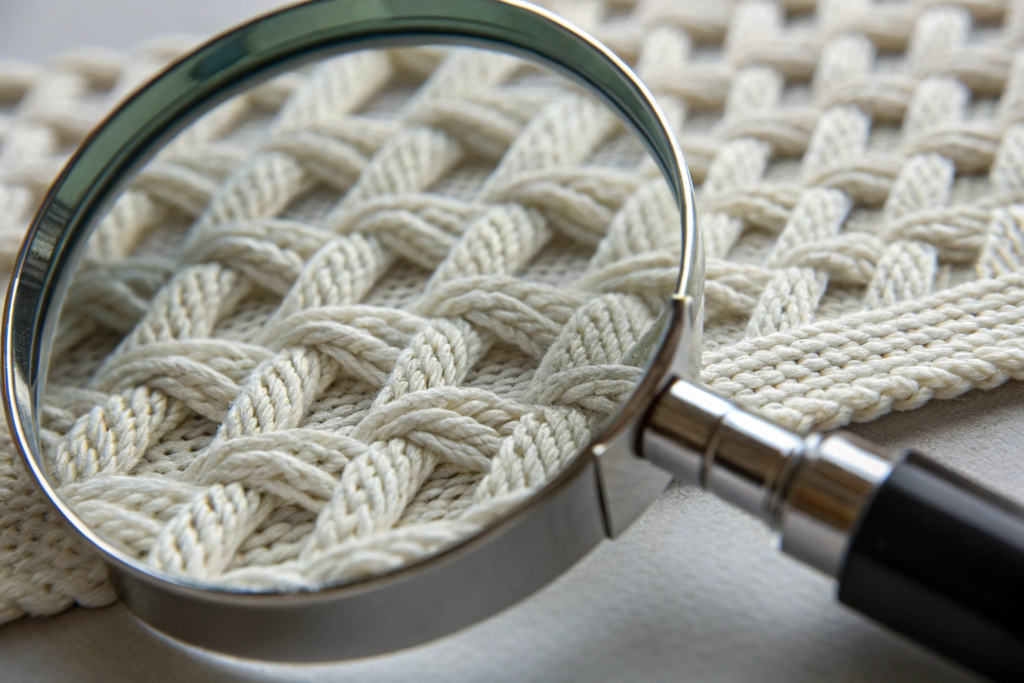
Why Does Yarn Quality Matter More Than Thread Count?
In the knitting world, thread count isn't the right metric. What matters is yarn quality. And specifically, what matters is the fiber length, the twist, and the evenness of the yarn.
Long-staple cotton fibers produce smoother, stronger yarns. When you knit with these yarns, the fabric surface is cleaner, pilling is reduced, and the fabric maintains its shape longer. Short-staple fibers have more ends sticking out, which create that fuzzy surface and lead to pilling over time.
I always tell clients to ask their suppliers about their yarn sources. Do they use Indian cotton? American cotton? Chinese Xinjiang cotton? What's the staple length? A supplier who can answer these questions is a supplier who understands quality.
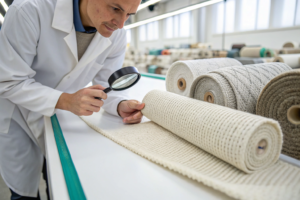
In 2023, a luxury lingerie brand from France visited our facility in Keqiao. Their head of product development spent two hours in our yarn storage area, examining our raw materials. She asked to see our yarn test reports. She wanted to know the coefficient of variation for our yarn evenness. We pulled the data from our incoming inspection records. She was impressed. She told me that most suppliers couldn't even tell her where their yarn came from, let alone provide technical data. We've been supplying them for two years now. Their bestselling collection uses our modal-cotton interlock.
How Does Finishing Treatment Affect Long-Term Wear?
Finishing is where good fabric becomes great fabric. It's also where many suppliers cut corners to save time and money.
Proper finishing for knitted fabrics involves several steps. There's scouring to remove impurities. There's bleaching or dyeing. Then there's the mechanical finishing—compaction to control shrinkage, brushing for softness, or calendaring for a smooth surface. Each step requires time, skilled operators, and careful control.
Some suppliers skip steps. They'll use chemical softeners instead of mechanical brushing to save time. But chemical softeners wash out after a few cycles. Mechanical brushing creates a softness that lasts the life of the garment.
We invested heavily in our finishing equipment over the past decade. Our coating factory can apply functional finishes like water repellency or antimicrobial treatments. Our printing and embroidery facilities can add decoration without compromising the fabric's integrity. We do it all in-house because we believe finishing is too important to outsource.
A Japanese sportswear client came to us in 2022 looking for a moisture-wicking interlock for their yoga line. We developed a custom finish for them, testing multiple formulations in our lab until we achieved the exact moisture transfer rate they wanted. The finish has held up through 50+ wash cycles in our tests. Their customers love the product, and the line has expanded every season since.
What's the Real Cost of Inconsistent Fabric Tension?
In knitting, tension is everything. If the tension is too loose, the fabric stretches out of shape and feels flimsy. If it's too tight, the fabric is stiff and doesn't drape well. Inconsistent tension across the width of the fabric creates what we call "bowing" or "skewing"—the pattern in the fabric doesn't run straight.
When you cut garment pieces from skewed fabric, they don't sew together correctly. The side seams twist. The garment doesn't hang straight on the body. Your customers might not know the technical term for it, but they notice that something feels off.
We check tension constantly on our knitting machines. Our operators measure every roll, and our QC team does spot checks throughout production. We have data going back years on our machine settings for different yarns and fabric weights.
I had a buyer from a US denim company—yes, they were moving into knits—who was having terrible problems with twisted side seams on their t-shirts. Their previous supplier couldn't figure out the problem. We analyzed their fabric and found the skew was over 8% on some rolls. Our standard is under 3%. We produced a test run for them with our controlled tension process. The twist disappeared. They placed a 50,000-unit order with us for their next season.
How Does Supply Chain Transparency Build Trust with Your Customers?
Your customers care about where their clothes come from. That's not a trend—it's a fundamental shift in consumer behavior. And if you can't tell them where your fabric comes from, they'll find a brand that can.
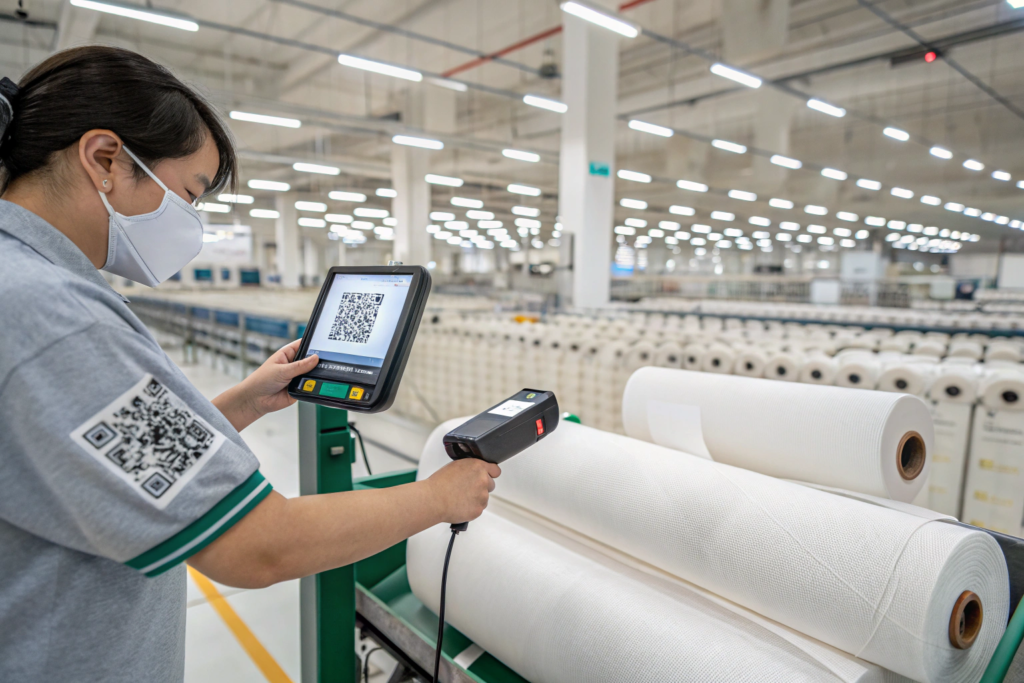
What Information Should You Be Able to Provide Your Customers?
Every brand we work with eventually gets asked the same questions by their customers. Is this fabric sustainable? Is it ethically produced? What certifications does it have? Can you prove it?
If you're sourcing from a supplier who can answer these questions with documentation, you have a competitive advantage. If you're sourcing from a supplier who shrugs and says "it's fine," you're leaving money on the table.
At Shanghai Fumao, we provide QR code tracking on every batch. Scan it, and you get real-time access to composition data, shrinkage test results, colorfastness ratings, and safety certifications. Our clients can share this data with their customers. One of our European clients puts the QR code on their garment tags. Customers can scan it and see the test results for the exact fabric in the garment they're holding. That's transparency that builds trust.
We also invest heavily in sustainable production. We've put over ¥550M into green initiatives—recycled fabrics, low-carbon production, water recycling in our dyeing operations. When a client asks about our environmental impact, we can show them the numbers.
How Does Traceability Help You Solve Problems Faster?
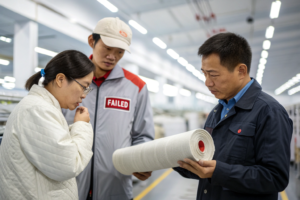
No supply chain is perfect. Problems happen. Machines break. Materials arrive late. A batch of fabric might have a defect that wasn't caught in initial inspection. What separates a good supplier from a bad one is how quickly and effectively they solve problems.
Traceability is key. If we can track a problem back to a specific machine, a specific operator, a specific batch of yarn, we can fix it fast. We can quarantine affected material before it ships. We can prevent the same issue from happening again.
A few years ago, we had a client who received a shipment of interlock that had a subtle shade variation between rolls. It was visible under certain lighting conditions. We used our tracking system to trace the affected rolls back to a specific dyeing batch. We identified that one of our dyeing machines had a temperature fluctuation during that run. We adjusted the machine, re-ran the affected material, and shipped the corrected fabric within two weeks. The client's production schedule was delayed by only a few days instead of weeks. That client is still with us today.
If we hadn't had that traceability, we would have had to test every roll blindly, and the fix would have taken twice as long. Traceability isn't just about satisfying curious customers. It's about running a reliable operation.
Why Does Ethical Production Matter for Your Brand Image?
Here's something I've learned from working with European and US brands over the past decade: your customers are increasingly educated about supply chain ethics. They know what a sweatshop is. They know what child labor looks like. And they won't support brands that are associated with either.
I've had buyers come to our facility specifically to see our working conditions. They want to see that our workers are fairly paid, that safety standards are in place, that the factory is clean and organized. We welcome these visits because we have nothing to hide. Our workers have been with us for years. Our safety record is clean. Our facilities are modern.
A UK-based high-street brand did an unannounced audit of our facility in 2023. They spent a full day walking through every department, talking to workers, reviewing our records. They left satisfied and placed a large order the following week. Their supply chain director told me that half the suppliers they audited failed on basic ethical standards. We passed with flying colors.
Your brand's reputation is built on the choices you make in your supply chain. If you choose suppliers who cut corners on ethics, eventually that comes out. And when it does, your customers will walk away.
How Can You Build a Quality-First Sourcing Strategy?
Building a brand that customers trust requires a sourcing strategy that prioritizes quality at every step. This isn't about spending more money for the sake of it. It's about investing in the details that matter.

How Do You Balance Cost and Quality Without Sacrificing Either?
I get asked this question constantly. "We love your fabric, but can you make it cheaper?" The answer is always the same: we can make it cheaper, but you won't like the result.
The secret to balancing cost and quality is knowing where to invest and where to save. Save on things your customers don't see. Invest in the details they feel every time they wear your garment.
For example, if you're making a basic t-shirt, you can save on packaging. Use simple poly bags instead of fancy boxes. Your customers will recycle the packaging anyway. But invest in the cotton. Use long-staple combed cotton instead of cheaper carded cotton. Your customers will feel that difference every time they put on the shirt.
We work with clients to optimize their fabric specifications. Sometimes we can reduce costs by adjusting the fabric weight slightly, or by using a different yarn count that still achieves the desired hand feel. We have an R&D team that's dedicated to finding these optimizations. In 2023, we helped a US client reduce their fabric cost by 12% by switching from a conventional interlock to a specially engineered compact knit that used less yarn while maintaining the same performance. They passed some of those savings to their customers and saw their sales increase.
(Here's my rule of thumb: never cut quality on anything your customer touches. If it touches their skin, make it the best you can afford. Cut costs on things that go in the trash.)
What Role Should Certifications Play in Your Sourcing?
Certifications can be confusing. OEKO-TEX, GOTS, BCI, recycled content verification—the list goes on. But certifications serve two important purposes. They give you confidence in your supply chain, and they give your customers confidence in your brand.
When we say our fabric is OEKO-TEX Standard 100 certified, that means it's been tested for harmful substances. When we say our recycled polyester is GRS certified, that means the recycled content has been verified by a third party. These certifications aren't just marketing. They're real assurance.
I recommend that brands define their certification requirements upfront. Do you need GOTS for organic cotton? Do you need OEKO-TEX for all your fabrics? Do you need recycled content certification for your sustainability claims? Have these requirements ready when you talk to suppliers. A supplier who can't provide these certifications should be eliminated from consideration.
One of our Australian clients requires OEKO-TEX certification for every fabric they buy. They won't even look at a sample without seeing the certification number. That strict standard has helped them build a reputation for safe, non-toxic children's wear. Their customers trust them completely.
How Do You Build Long-Term Partnerships Instead of Transactional Relationships?
The brands that succeed in this industry are the ones who treat their suppliers as partners, not vendors. A partnership means you're invested in each other's success. It means you communicate openly about challenges. It means you grow together over time.
We have clients we've worked with for over a decade. Those relationships didn't happen by accident. They happened because we earned trust over years of reliable delivery, consistent quality, and honest communication.
When a client comes to us with a problem, we don't hide from it. We solve it. When they need a rush order to meet an unexpected demand, we move mountains to make it happen. When they want to develop something new, we put our R&D team on it. That's partnership.
In 2022, a Canadian client had a major shipping crisis. Their container got held up at port, and they were about to miss their holiday season launch. We worked with our logistics partners to expedite a replacement order by air freight, splitting the cost with them to make it work. They launched on time, had their best season ever, and have doubled their orders with us every year since.
Your suppliers are your partners in building your brand. Choose partners who care about your success as much as you do.
Conclusion
Building brand loyalty is about creating a consistent, positive experience for your customers, from the first moment they touch your garment to the hundredth time they wear it. That experience starts with the fabric. The softness they feel, the way it holds its shape, the color that stays true wash after wash—these are the details that turn a one-time buyer into a loyal customer.
Attention to detail in fabric sourcing isn't just about avoiding defects or meeting minimum standards. It's about investing in the invisible qualities that make your products special. It's about choosing yarns that feel better, controlling shrinkage so your fit stays true, maintaining color consistency across your collection, and providing transparency that builds trust. These details cost a little more upfront, but they pay enormous dividends in customer loyalty and brand reputation.
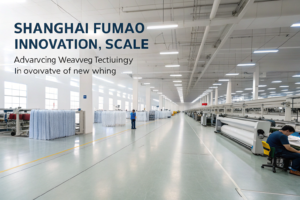
At Shanghai Fumao, we've spent 20 years building our business around these details. From our large-scale weaving factory to our CNAS-accredited testing center, from our in-house printing and embroidery facilities to our professional QC team, every part of our operation is designed to deliver the quality that builds brands. We work with clients in the US, Europe, and beyond who understand that fabric isn't just a commodity. It's the foundation of their brand promise.
If you're ready to build a sourcing strategy that prioritizes quality and detail, we're ready to partner with you. Our team can help you select the right fabrics, develop custom solutions, and ensure every meter meets your standards. We don't just sell fabric. We co-create value with brands who care about their customers.
Contact our Business Director, Elaine, to discuss how we can support your next collection.
Email: elaine@fumaoclothing.com