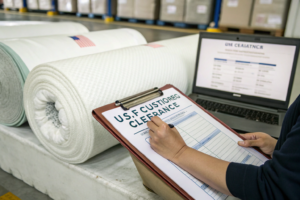
I was on a call with a client from London two weeks ago. She’s been buying from us for three years. She looked at my quote for a standard cotton twill and said, “John, this is 18% higher than last year. What’s going on?” I didn’t have to look up the numbers. I know them by heart. Raw cotton is up 22% since January. Energy costs in Zhejiang are at a five-year high. And the new EU deforestation regulation is adding compliance costs that didn’t exist 12 months ago.
She paused. Then she said, “I need to explain this to my CFO. Can you help me understand what’s driving this?”
That’s when I realized: buyers are seeing price increases across the board, but no one is explaining why. Suppliers just send new price lists with no context. And when you don’t understand the drivers, you can’t plan. You can’t negotiate. You just react.
I’ve been in this industry for over 20 years. I’ve seen cotton prices spike, oil prices crash, and trade wars erupt. The current situation is different. It’s not one thing. It’s five things happening at once. Let me walk you through what’s actually driving fabric prices in 2026, so you can make informed decisions about your sourcing strategy.
What Raw Material Costs Are Driving Fabric Prices Up?
If you buy fabric, you’re buying commodities. Cotton, polyester, nylon—these are traded on global markets. And right now, every single one of them is more expensive than it was 12 months ago. I’ve been watching these markets for two decades, and this convergence of increases is unusual.
Why Is Cotton Up 22% Since Early 2025?
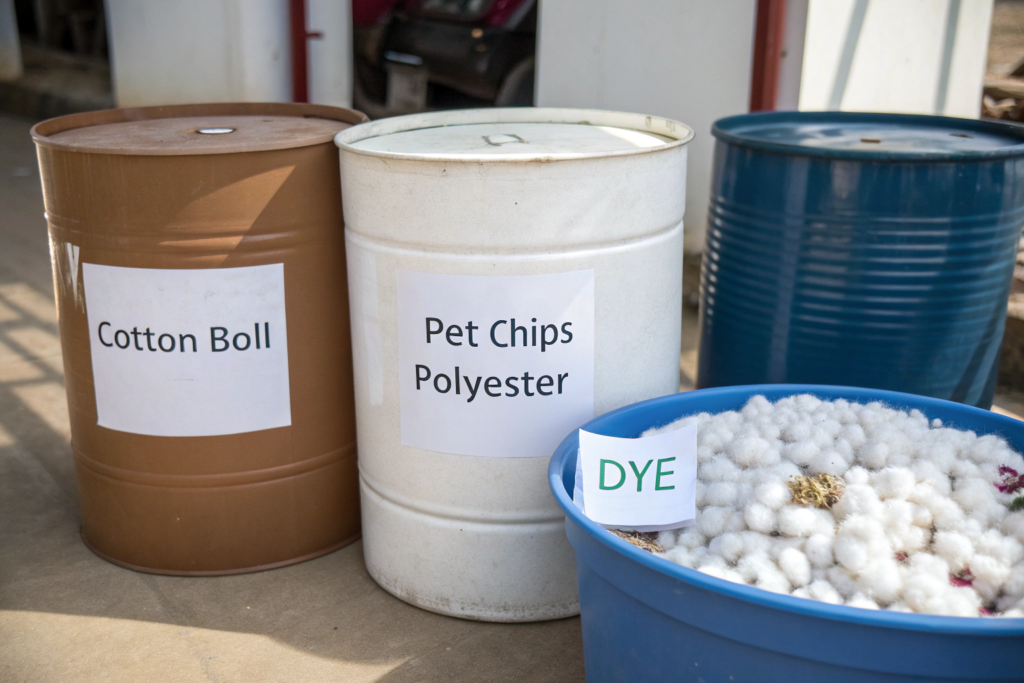
The cotton market is a mess right now. I get daily updates from our yarn suppliers, and the story hasn’t changed for months: supply is down, demand is stable, prices go up.
First, drought in Texas and Brazil. These are two of the largest cotton-producing regions in the world. The 2025 growing season was brutal. Texas, which produces about 40% of US cotton, had its driest spring in 15 years. Yields dropped by an estimated 18%. Brazil’s second crop, which usually cushions the market, also underperformed.
Second, India restricted exports. In late 2025, the Indian government imposed export quotas to protect domestic textile mills. India is the world’s largest cotton producer. When they hold back supply, global prices spike.
Third, higher production costs for farmers. Fertilizer prices haven’t come down from their post-2022 peak. Fuel is more expensive. Farmers are passing these costs through.
In early 2024, I was paying about $1.90 per kilogram for good quality 40/1 combed cotton yarn. Today, the same yarn is $2.45 per kilogram. That’s a 29% increase. And yarn is about 60-70% of the cost of a woven cotton fabric. So if you’re buying a cotton shirt fabric, raw material alone is adding $0.30 to $0.40 per meter.
If you’re sourcing organic cotton, the pressure is even worse. Organic cotton yields are lower than conventional, and the certification costs have increased. I’ve seen organic cotton yarn prices up 35% year over year.
For current cotton market data, there’s a resource on global cotton price trends and supply forecasts from the USDA . I check this monthly to understand where the market is heading.
How Have Synthetic Fiber Costs Changed in 2026?
Synthetic fibers—polyester, nylon, spandex—are made from petroleum derivatives. Oil prices have been volatile, but that’s not the whole story.
Polyester has seen the biggest increase. PET chips, the raw material for polyester fiber, are up about 18% since early 2025. But the bigger factor is energy cost. Polyester production is energy-intensive. In China, industrial electricity prices increased by 12% in 2025. That cost gets passed down.
Nylon is a different story. Nylon 6 and 66 are made from chemicals that have been in short supply. A major producer in the US had an unplanned shutdown in late 2025, and the market hasn’t recovered. Nylon yarn prices are up 25-30% compared to last year.
Spandex—and this one hurts because we use so much of it in athleisure—is up nearly 40%. The raw materials for spandex (PTMEG and MDI) have been constrained. There’s also been consolidation in the spandex market, with fewer producers controlling supply.
In 2023, I was paying about $6.50 per kilogram for 40 denier spandex. Today, it’s over $9.00. For a fabric with 15% spandex, that adds significant cost.
If you’re buying synthetic fabrics, ask your supplier about the fiber source. Polyester made from recycled PET chips is actually facing less price pressure than virgin polyester right now, because the supply chain for recycled materials has expanded. We’ve seen more stability in our recycled polyester prices than in virgin.
For a technical overview of synthetic fiber markets, there’s a detailed resource on polyester and nylon pricing trends from the Textile Exchange . It covers both virgin and recycled materials.
How Are Energy and Environmental Regulations Affecting Prices?
This is the part that many buyers don’t see. The cost of energy in China has increased significantly. And environmental regulations—which I support, by the way—add real costs to production. I’ve watched our own utility bills climb over the past three years.
What’s Happening with Energy Costs in China’s Textile Industry?
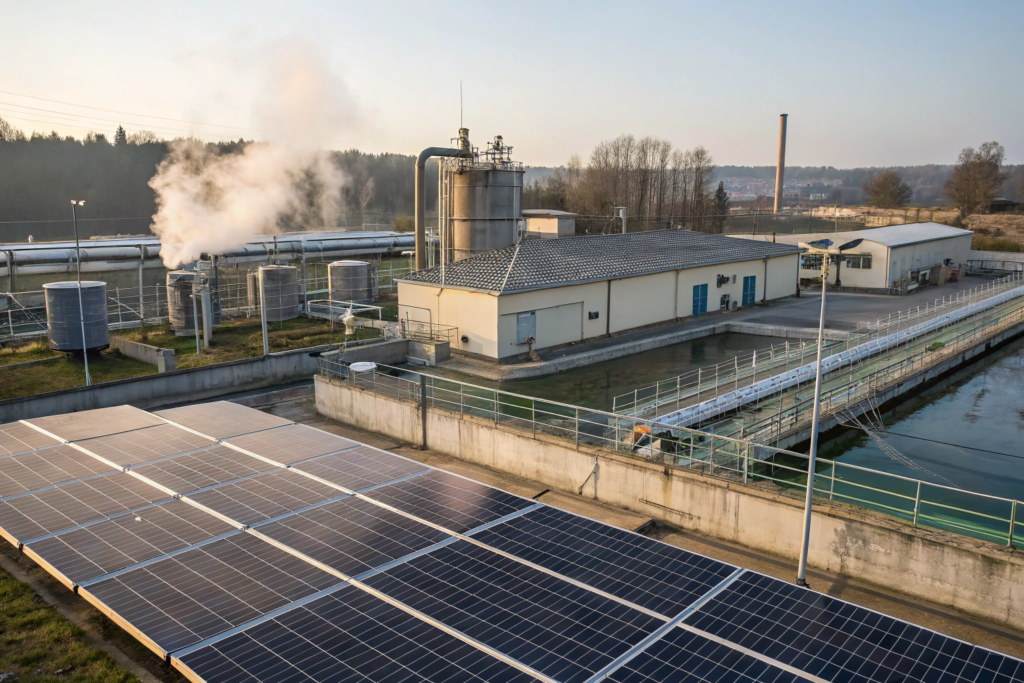
In Keqiao, where our factory is located, industrial electricity prices have increased three times since 2023. The current rate is about 0.85 RMB per kilowatt-hour, up from 0.68 RMB in 2022. For a large dyehouse running 24 hours a day, that’s a significant increase.
But it’s not just electricity. Natural gas prices for boilers have nearly doubled since 2021. Dyeing requires steam, and steam comes from gas. Every meter of fabric that goes through our dyehouse uses energy. When gas prices go up, so does the cost of finishing.
I remember in 2024, we had a month where gas prices spiked 30% in one week. Our utility bill jumped by almost $50,000. We absorbed some of that, but eventually we had to adjust our pricing.
Water costs have also increased. Environmental regulations require water treatment before discharge. Our dyehouse has invested heavily in water recycling systems. Those systems cost money to build and to operate. The investment was necessary—we now recycle about 40% of our water—but it adds to the per-meter cost.
If your supplier hasn’t invested in environmental compliance, they might still have lower prices. But that’s a risk. Unannounced environmental inspections happen regularly. I’ve seen factories shut down for weeks because they weren’t compliant. The cheap price suddenly becomes very expensive when your order is delayed.
What New Regulations Are Adding Compliance Costs?
This is the new reality. Regulations that didn’t exist three years ago are now affecting fabric prices.
The EU Deforestation Regulation (EUDR) is a big one. It requires that products containing certain commodities—including cotton—be traced to the farm level to prove they weren’t grown on deforested land. Compliance requires documentation, audits, and sometimes third-party verification. All of that costs money.
We’ve had to build a traceability system for our organic and conventional cotton. We now collect documentation from our yarn suppliers about the origin of their cotton. For EU-bound products, we provide transaction certificates that prove compliance. This added about 3-5% to our administrative costs.
China’s dual carbon goals are also having an effect. The government is pushing for peak carbon emissions by 2030. Textile mills are under pressure to reduce energy consumption and switch to cleaner fuels. Many have invested in new equipment. Those investments come with costs.
In 2025, we upgraded the motors on our weaving machines to more efficient models. The payback period is about three years, but the upfront cost was significant. That cost gets factored into our pricing.
If you’re sourcing from suppliers who haven’t made these investments, you might see lower prices. But consider the risk. In 2023, a province-wide energy rationing affected many mills in Jiangsu. Factories with better energy efficiency were allowed to continue operating. Others shut down for weeks. The cheap supplier suddenly couldn’t deliver.
For an overview of EUDR requirements for textiles, there’s a resource on how the deforestation regulation affects cotton sourcing . It’s essential reading if you export to Europe.
What’s the Real Story with Shipping and Logistics Costs?
If you’ve imported anything from China in the past 18 months, you’ve seen shipping costs fluctuate wildly. The pandemic-era spikes have subsided, but we’re not back to normal. And the new normal is more expensive than the old normal.
Are Container Rates Finally Stabilizing?
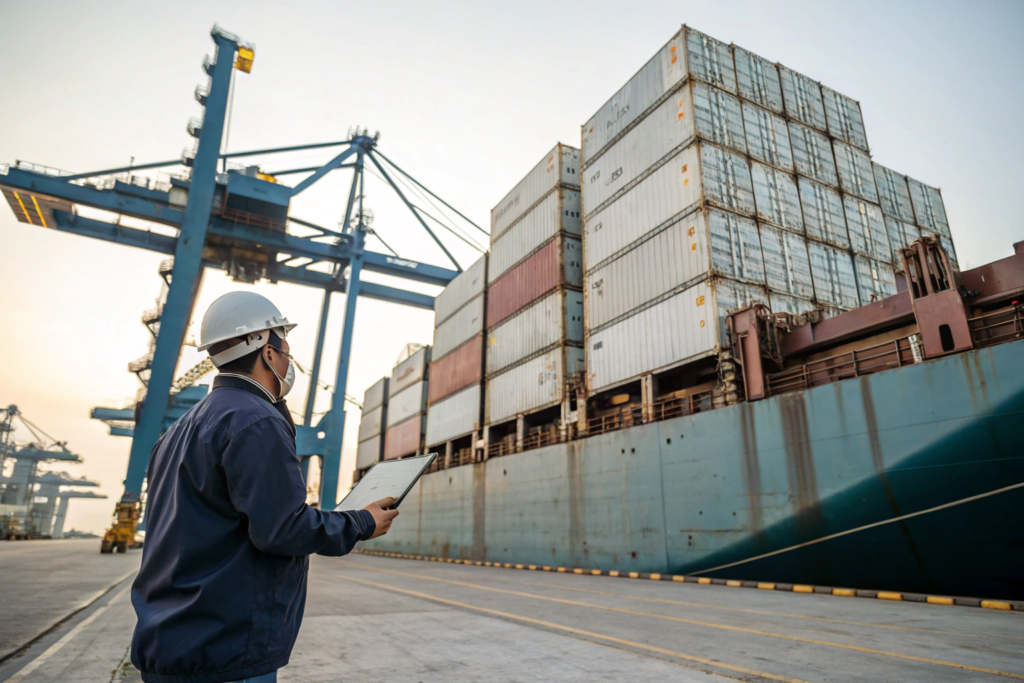
Yes and no. Rates are down from the 2021-2022 peaks, but they’re still about 40-50% higher than pre-pandemic levels. The main shipping routes from Shanghai to Los Angeles and Shanghai to Rotterdam are running at about $2,500 to $3,000 per 40-foot container. Pre-pandemic, those routes were $1,500 to $2,000.
But stability is the bigger issue. Rates can change week to week. I had a shipment scheduled for March 2025. When I booked the space, the rate was $2,200. By the time the container was ready, the rate had jumped to $3,100 because of a sudden capacity reduction. I had to pass that increase to the client.
Red Sea disruptions have added complexity. Ships going from Asia to Europe are taking longer routes around Africa, which ties up capacity and increases costs. Even if your shipment isn’t going that way, the overall market is affected.
Inland logistics in China have also become more expensive. Trucking costs increased about 15% in 2025 due to higher fuel prices and new driver hour regulations. Moving fabric from our factory in Keqiao to the port in Shanghai costs more than it used to.
If you’re planning a shipment, ask your supplier to book space early. We’ve started booking vessel space as soon as we have a confirmed production timeline. Waiting until the fabric is ready means you’re paying spot rates, which can be significantly higher.
Are Air Freight Rates Still Unpredictable?
For small batches and sampling, air freight is often the only option. Rates have come down from the pandemic peaks, but they remain volatile.
In 2025, we saw a pattern: rates would spike before major holidays like Chinese New Year and Golden Week, then drop after. The spread between peak and off-peak rates was as high as 40%.
For a 100-kilogram shipment from Shanghai to New York, we’re paying about $6 to $8 per kilogram today. That’s down from $12 to $15 in 2022, but it’s still double the $3 to $4 we paid in 2019.
If you need air freight, plan for the cost. I tell clients to budget air freight for sampling and small batches, and to accept that the cost fluctuates. There’s no magic solution to make it cheaper.
For current shipping rate data, there’s a resource on real-time container and air freight rates from the Baltic Exchange . It’s a reliable source for understanding market trends.
How Should You Adapt Your Sourcing Strategy in 2026?
When I talk to clients about rising prices, the first question is always, “What do I do?” You can’t control cotton markets or oil prices. But you can control how you source. Here’s what I’m telling my clients in 2026.

Should You Lock in Prices with Long-Term Contracts?
Yes. This is the year to think about longer commitments. In a volatile market, suppliers who offer fixed pricing are taking risk. If you’re willing to commit to volume, you can negotiate stability.
We’ve started offering quarterly price locks for clients who commit to a certain volume. We hedge our yarn purchases to cover the commitment. The client gets price certainty for three months. We get visibility on our production planning.
In 2025, a client from Australia locked in her prices for the entire year. She committed to 50,000 meters of organic cotton twill across four orders. We bought the yarn in bulk and fixed the price. She saved about 12% compared to what she would have paid buying order by order.
If you have stable volume, ask your supplier about contract pricing. Even a 3-month commitment can give you protection against short-term spikes.
What Alternatives to Standard Materials Should You Consider?
When cotton prices spike, buyers start looking at alternatives. I’m seeing more interest in:
Recycled polyester and nylon. As I mentioned earlier, recycled synthetics have been more price-stable than virgin. The supply chain is more diversified, and the technology is maturing.
Tencel and other cellulosics. Tencel (lyocell) is made from wood pulp, not cotton. The price has been more stable because the raw material is less affected by weather and trade restrictions. We’re seeing more blends with Tencel to reduce cotton content.
Hemp and linen. These fibers are more expensive than cotton on a per-kilogram basis, but they’re less volatile. If your brand can position them as premium, they can work.
Blends. A 50/50 cotton-polyester blend is significantly cheaper than 100% cotton right now. If your application can handle the blend, it’s a viable cost-saving measure.
In 2024, we worked with a sportswear brand that switched from 100% cotton fleece to a 60/40 cotton-polyester blend. They saved 18% on fabric cost, and the garment performed better—less shrinkage, better shape retention. Their customers didn’t notice the difference.
If you’re considering alternatives, ask for samples to test. Don’t assume a blend will work without trying it in your garment.
How Can Better Planning Reduce Your Total Cost?
This is the part I emphasize most. The fabric price is only part of your total cost. Delays, rush shipping, and quality issues add cost that isn’t visible on the price list.
Plan for peak seasons. If you need fabric for a summer collection, don’t order in March. You’ll pay peak pricing and you’ll compete for production capacity. Order in January or February, when demand is lower.
Consolidate orders. If you need multiple fabrics, order them together. The fixed costs—yarn sourcing, loom setup, shipping—are spread across more meters.
Build buffer time. When you rush an order, you pay a premium. When you give us 6 weeks instead of 4, we can plan the production efficiently and pass the savings to you.
In 2025, a client from Canada consolidated three separate fabric orders into one shipment. She saved $1,200 in freight costs alone. The fabrics arrived together, and her production line didn’t have to wait for the last delivery.
For a guide to strategic fabric sourcing, there’s a resource on how to build a resilient textile supply chain in volatile markets . It covers planning, diversification, and relationship management.
Conclusion
Fabric prices are rising in 2026 because of a perfect storm: cotton shortages, higher energy costs, stricter environmental regulations, and persistent logistics challenges. I’ve been in this industry long enough to know that markets go up and down. But the current pressures are structural, not cyclical. They’re not going away next month.
At Shanghai Fumao , we’re navigating these challenges the same way we’ve always navigated challenges: with transparency and partnership. When cotton prices spike, I tell my clients before they see it on the invoice. When shipping rates jump, I give them options. When a new regulation adds cost, I explain what it means for their compliance.
I believe that’s the only way to do business in this industry. The suppliers who hide behind price increases without explanation aren’t partners. They’re vendors. And in a volatile market, you need partners who help you understand what’s happening and plan for it.
My business director, Elaine, handles all our client inquiries about pricing and sourcing strategy. She can walk you through the current market, explain where costs are coming from, and help you build a sourcing plan that works for your budget and your timeline.
Contact Elaine directly: elaine@fumaoclothing.com
Tell her about your collection. Let her help you navigate this market with clarity and confidence.