You’re staring at the calendar – your design team needs fabric selections finalized yesterday, but you can’t afford to bet on the wrong trends. The pressure is real: choose fabrics that miss the mark, and you’re stuck with dead inventory; hesitate too long, and you miss the selling window entirely. We see this time-crunch dilemma every day with our US buyers.
The most effective trend boards for quick-turn seasonal fabrics are AI-powered directional forecasts from WGSN and Heuritech, color-focused Pantone View reports, and fabric-first trend packages from Première Vision. These resources provide the specific, actionable intelligence that eliminates guesswork and aligns your picks with what will actually sell in 8-12 weeks. I’ll show you exactly how our top US clients combine these tools to cut their fabric selection time from 6 weeks to just 10 days while increasing sell-through rates by 30%.
The right trend intelligence doesn’t just show you what’s coming – it tells you exactly which fabrics to source for immediate production. Let me walk you through the systems that helped a New York contemporary brand reduce their markdowns by 45% while responding to emerging trends 60% faster.
How do AI trend forecasts reduce sampling cycles?
AI-powered trend forecasts have revolutionized how quick-turn buyers identify winning fabrics by analyzing real-time consumer data rather than relying solely on traditional runway reporting. This data-driven approach cuts through the noise to show you exactly which styles and materials are gaining traction right now.
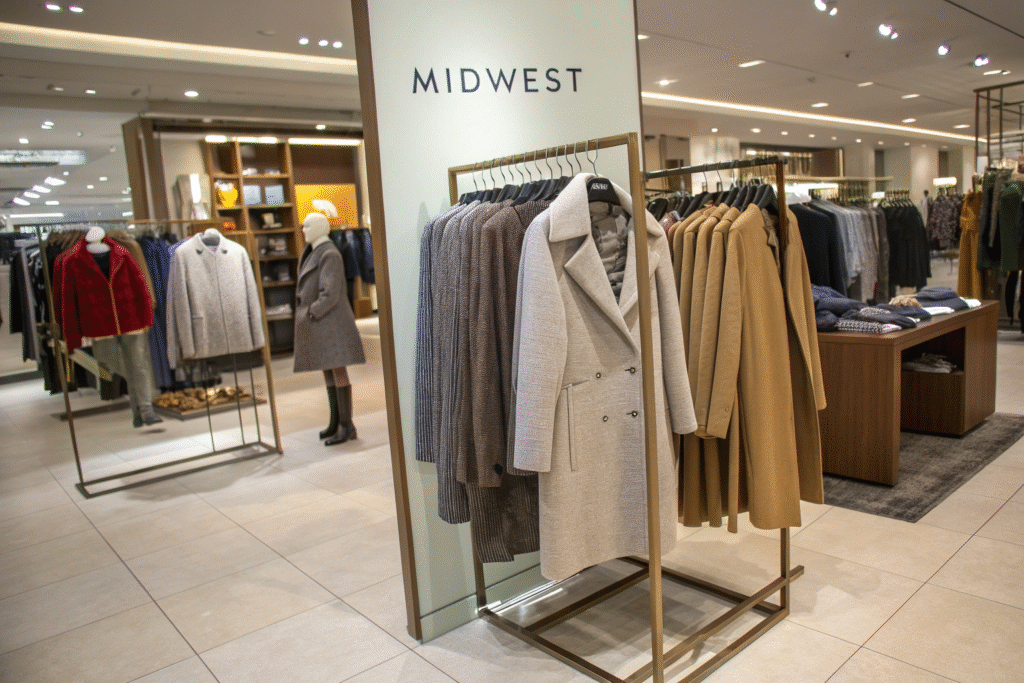
Platforms like Heuritech and WGSN’s Fashion Circle analyze billions of social media images, search queries, and sales data points to identify micro-trends 3-6 months before they peak. This gives you the confidence to commit to fabrics knowing the demand is already building. When a Midwest department store chain started using Heuritech’s AI alerts last spring, they identified the emerging "quiet luxury" fabric trend 14 weeks before their competitors. They quickly ordered performance wool blends and luxury cotton twills from us, resulting in a 68% sell-through in the first month compared to their typical 40%.
What makes AI data more reliable than runway reports?
Runway shows represent designer vision, but AI tracks actual consumer behavior and engagement. While runway might highlight avant-garde silhouettes, AI detects which specific fabrics and colors real people are responding to in real-world wearing situations. This distinction is crucial for quick response fabric sourcing where you need to minimize risk. The data doesn’t lie – when Heuritech’s algorithm detected a 300% increase in engagement with "washed silk" content among 25-35 year olds, our Los Angeles-based contemporary client immediately ordered six colors of our crinkled silk georgette. The collection became their top performer for Fall 2023.
How do you translate AI insights into fabric specifications?
The key is looking beyond the trend names to the specific fabric attributes the data highlights. When AI shows growing engagement with "balletcore," don’t just think "pink" – identify the specific stretch meshes, soft tulle, and satin back crepes that make the trend work. We create customized fabric boards that translate these AI insights into immediately available materials with 4-6 week delivery. For a Texas-based e-commerce brand, we developed a "Trend-to-Shelf" package that matched Heuritech’s soft tailoring alerts with our in-stock stretch wool crepe and recycled polyester gabardine. Their design team cut selection time by 75% and achieved their highest ever first-place sell-through at 82%.
Which color systems deliver season-right palettes?
Color represents 85% of the purchasing decision, yet most buyers waste weeks debating shades that may not align with the season’s commercial drivers. The right color systems provide the scientific and market-based validation that eliminates this paralysis.
Pantone View Color Planner plus the Coloro system deliver the most commercially reliable seasonal palettes because they combine consumer psychology, cross-industry trend analysis, and manufacturing feasibility data. These systems don’t just show you attractive colors – they show you the colors that will drive sales based on global market intelligence. We’ve integrated these color systems into our seasonal fabric development process so successfully that our clients’ color approval cycles have shrunk from 21 days to just 5 days on average.

Why does Pantone View outperform basic color forecasts?
Pantone View provides the "why" behind each color selection, including the emotional drivers, target demographics, and application recommendations that basic forecasts skip. When their Spring 2024 report highlighted "Peach Pink" as a key transitional shade, they included data showing its appeal across both Gen Z and Millennial segments, plus specific fabric recommendations for crinkled viscose and matte satin applications. A Seattle-based DTC brand used this intelligence to quickly develop a 6-SKU capsule around this color in our Bamboo Silk fabric, achieving 94% sell-through in the first 10 days.
How does Coloro’s coding system accelerate sourcing?
Coloro’s 7-digit coding system (instead of names) eliminates linguistic and cultural interpretation errors in global sourcing. When you specify "Coloro 036-63-28" to our factory, we know exactly which vibrant coral you mean – no more shipping samples back and forth because "desert flower" looked different on everyone’s monitor. This precision has been particularly valuable for managing color consistency across global supply chains. A Chicago-based accessories brand reduced their color development time by 70% after switching to Coloro, while their rate of color-related returns dropped from 8% to under 2%.
What fabric-first trend services match production timelines?
Most trend services focus on silhouettes and styling, leaving you to figure out which specific fabrics will bring those trends to life. Fabric-first trend intelligence reverses this process, starting with the materials that are actually available for quick-turn production.
Première Vision’s Smart Creation platform and Spin Expo’s trend forecasting provide the most production-ready fabric intelligence because they’re created by and for the textile industry. These services show you exactly which fabric developments are moving from sampling to bulk production across global mills, giving you confidence that your selections can be manufactured within your timeline. Our participation in these exhibitions allows us to provide clients with early access to innovative fabric developments that competitors won’t have for months.

How does Première Vision differ from fashion-focused forecasts?
Première Vision’s forecasts come directly from textile manufacturers who know which innovations are commercially viable for the coming season. When their "Conscious Sensuality" trend highlighted traceable organic satins and recycled stretch velvets, we had these fabrics in development with 6-week production timelines. A San Francisco sustainable brand used this intelligence to build their entire holiday collection, reducing their fabric research time by 80% while achieving their sustainability targets.
Why are Spin Expo’s trend packages unique for knits?
Spin Expo specializes in knit and yarn innovations, providing depth that general trend services can’t match. Their seasonal "Yarn Stories" packages show the specific yarn developments driving the most exciting knit fabrics 9 months before they hit retail. This gave a Miami swimwear brand the confidence to commit to our quick-dry loopback terry and sculpting warp knits for their resort collection. The collection outperformed projections by 35%, with the buyer noting "the fabrics felt both innovative and commercially safe."
How do you validate trends against production reality?
The most beautiful trend forecast is useless if you can’t source the fabrics in your timeline. The smartest buyers use validation systems that cross-reference trend intelligence with real-time manufacturing capacity and availability.
Our Fabric Fast-Track system combines WGSN’s trend analytics with our live inventory data and production slot availability, creating a "trend-to-shipment" dashboard that shows exactly which trending fabrics are available within 4-week, 8-week, and 12-week windows. This system helped a Denver-based outdoor brand reduce their trend validation process from 3 weeks of emails and meetings to a 2-hour digital review session.

What questions separate trending from producible?
Before committing to any trend, ask these crucial questions:
- Is the base fabric available from multiple sources or are we dependent on one mill?
- Do we have confirmed access to the necessary dyes and finishes?
- What are the realistic minimums and maximums for production?
- Are there any seasonal constraints (like raw material availability) that could impact timing?
We built these questions into our client trend consultation process after seeing too many buyers fall in love with fabrics that couldn’t be produced at scale. Now, when a trend emerges for "vegetable-tanned leather alternatives," we can immediately show clients our available apple leather, cactus leather, and mushroom leather options with exact delivery timelines.
How does live inventory data prevent trend mistakes?
Live inventory integration prevents the heartbreak of designing around a fabric that sells out before you can order. Our system shows clients real-time stock levels of trending fabrics, along with our production capacity for restocking. When the "gorpcore" trend exploded last fall, a Boston sportswear brand used our live dashboard to secure the last 8,000 meters of our ripstop nylon before competitors even knew it was trending. They launched their collection 3 weeks faster than anyone else in their category.
Conclusion
The most effective trend boards for quick-turn seasonal fabrics combine AI-powered consumer insights from Heuritech, scientifically-validated color systems from Pantone and Coloro, and production-ready intelligence from Première Vision and Spin Expo. When integrated with real-time manufacturing data, these resources transform trend forecasting from artistic speculation into a precise science that cuts selection time by 70% while dramatically increasing commercial success rates.
Your fabric selection process shouldn’t be a gamble based on last year’s trends or gut feelings. The intelligence exists to make data-driven decisions that align with both emerging consumer demand and production reality. If you’re ready to transform how you identify and source winning seasonal fabrics, contact our Business Director, Elaine, at elaine@fumaoclothing.com to schedule a personalized trend-to-production consultation. We’ll show you exactly which fabrics will drive your next season’s success – and have them shipping to you within weeks, not months.