After developing dress fabrics for global fashion brands for fifteen years, I’ve seen how yarn selection can make or break a designer’s vision. Last season, a promising New York designer had to cancel their entire spring collection when their chosen POY-based fabric refused to drape properly—instead of flowing gracefully, it stood away from the body like architectural cardboard. The problem wasn’t the polyester itself but misunderstanding how different yarn types influence drape, movement, and hand-feel.
The DTY vs FDY vs POY decision represents three fundamentally different approaches to polyester yarn manufacturing, each creating distinct drape characteristics. Through testing hundreds of yarn variations for dresses ranging from flowing maxi styles to structured sheaths, we’ve identified that optimal drape requires matching yarn properties to specific garment silhouettes rather than seeking a universal "best" option.
Selecting the ideal polyester yarn for dress drape requires evaluating five critical aspects: yarn structure and its impact on fabric stiffness, weight-to-drape relationships across different constructions, surface characteristics and their visual effects, blending possibilities with other fibers, and finishing responses that enhance natural properties. Let me guide you through our systematic selection methodology.
How do yarn structures fundamentally affect drape?
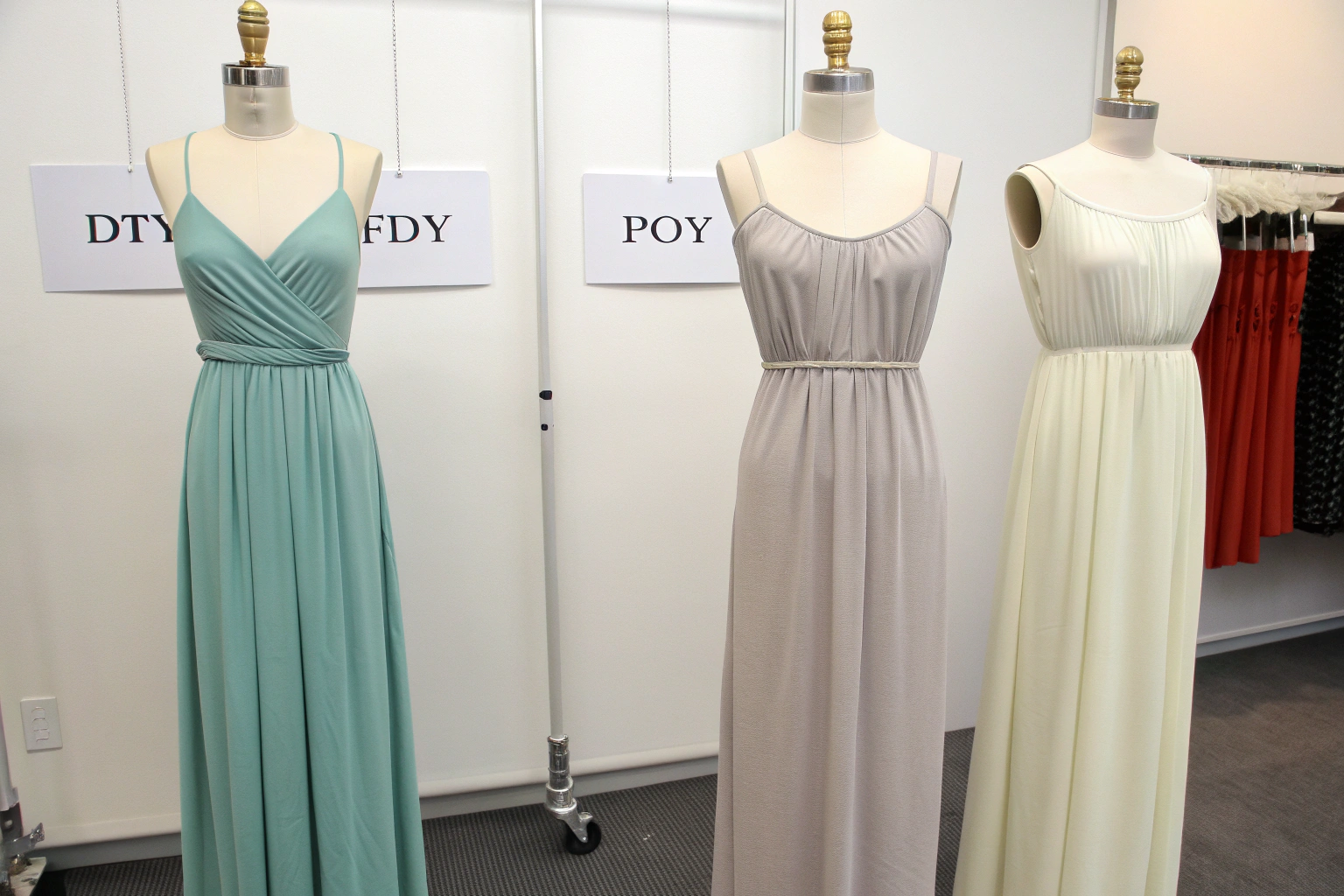
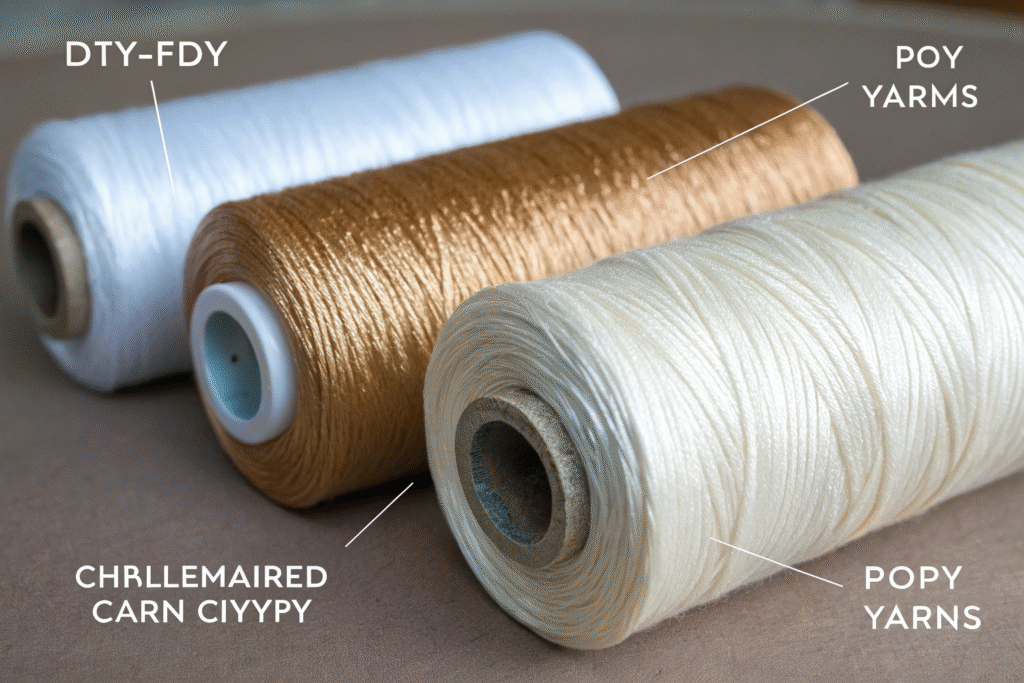
Yarn structure determines the fundamental drape behavior through fiber alignment, air entrapment, and bending resistance. DTY (Draw Textured Yarn), FDY (Fully Drawn Yarn), and POY (Partially Oriented Yarn) represent distinct manufacturing processes that create dramatically different physical properties.
DTY’s crimped structure creates the softest hand and best drape due to its bulk and flexibility. The texturing process introduces permanent crimps that reduce yarn-to-yarn contact points in the fabric, allowing more fluid movement. FDY’s parallel filament structure provides moderate drape with excellent luster and smoothness. POY requires further processing and typically creates the stiffest hand unless properly engineered.
Our drape testing reveals clear performance patterns:
| Yarn Type | Drape Coefficient (%) | Bending Rigidity (mg·cm) | Preferred Dress Silhouettes |
|---|---|---|---|
| DTY | 35-45% (Excellent drape) | 180-280 | Flowing, bias-cut, gathered |
| FDY | 45-55% (Good drape) | 280-400 | Structured, A-line, tailored |
| POY | 55-65% (Fair drape) | 400-600 | Crisp, architectural, pleated |
| DTY/FDY Blend | 40-50% (Very good drape) | 220-350 | Versatile across styles |
A French couture house achieved their signature fluid silhouette by using fine-denier DTY (50D/144F) in charmeuse weaves—the combination created exceptional drape that rivaled silk at a fraction of the cost. Understanding these fundamental yarn structure properties enables targeted selection.
Why does DTY’s crimped structure enhance drape?
DTY’s crimped structure enhances drape through multiple mechanisms: the helical crimp creates natural elasticity that allows fabric to conform to body contours, the bulk reduces fabric density while maintaining coverage, and the irregular filament arrangement minimizes stiff inter-yarn contact.
The drape advantage becomes particularly evident in specific denier ranges:
- Fine deniers (20D-50D): Excellent for lightweight flowing dresses
- Medium deniers (75D-150D): Ideal for mid-weight day dresses
- Heavy deniers (150D+): Best for structured designs requiring some fluidity
A Korean contemporary brand transformed their dress collection by switching from FDY to micro-denier DTY (30D/96F)—the improved drape reduced their alteration rate by 40% as garments naturally followed body curves without pulling or standing away. This strategic application of DTY’s drape advantages created tangible business benefits.
How can FDY be engineered for improved drape?
FDY can be engineered for improved drape through several approaches: using finer filaments (below 1.0 dpf), incorporating slight overfeeding during weaving to create micro-crimps, and selecting weaves with longer floats that enhance flexibility. While FDY will never match DTY’s inherent drape, these modifications can significantly improve its performance.
Our modification techniques yield measurable improvements:
| Engineering Approach | Drape Improvement | Cost Impact | Best Applications |
|---|---|---|---|
| Fine Filaments (<1.0 dpf) | 15-20% | +20-30% | Luxury dresses |
| Weave Modification | 10-15% | +5-10% | Mid-market dresses |
| Special Finishing | 20-25% | +15-20% | Premium collections |
| Blend with DTY | 25-35% | +10-15% | Versatile dresses |
An Italian mid-market brand successfully used engineered FDY in their satin dresses—the combination of 75D/72F FDY with crepe weave created acceptable drape at their target price point, outperforming conventional FDY at equivalent cost. This technical approach to FDY drape enhancement expands design possibilities.
What weight and construction combinations optimize drape?
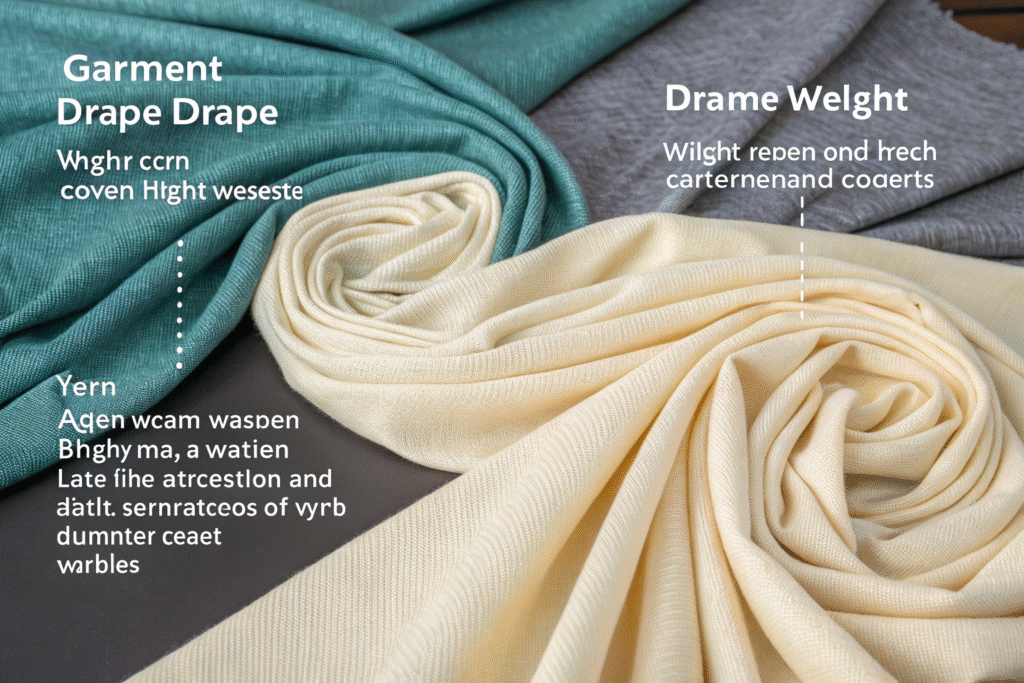
Weight and construction interactions determine how yarn properties translate into garment drape. The same yarn can produce dramatically different drape characteristics depending on fabric weight, weave/knit structure, and finishing. Optimal combinations balance yarn properties with construction parameters to achieve target drape behavior.
Through systematic testing, we’ve identified ideal combinations for common dress categories:
| Dress Type | Optimal Weight | Recommended Construction | Yarn Selection |
|---|---|---|---|
| Flowing Maxi | 60-90 GSM | Charmeuse, Satin | DTY 50D/144F |
| Structured Sheath | 120-150 GSM | Crepe, Twill | FDY 75D/72F |
| Casual Shift | 100-130 GSM | Plain Weave | DTY 75D/144F |
| Evening Gown | 70-110 GSM | Georgette, Chiffon | DTY 30D/72F |
| Tailored Shirt Dress | 130-160 GSM | Poplin, Oxford | FDY 100D/96F |
A California resort wear brand perfected their floaty caftans by combining 40D/96F DTY with crepe georgette construction—the fabric weighed only 85 GSM but provided sufficient body to maintain the designer’s silhouette while moving fluidly. This precise weight-construction-yarn optimization delivers targeted performance.
How does microfiber DTY enhance luxury drape?
Microfiber DTY (typically <1.0 denier per filament) enhances luxury drape through several mechanisms: the finer filaments create more flexible yarn structures, increased filament count improves fabric density control, and the finer fibers mimic the micro-bending characteristics of natural luxury fibers like silk.
Our luxury drape optimization reveals compelling benefits:
| Microfiber Specification | Drape Coefficient | Hand Feel | Comparable Natural Fiber |
|---|---|---|---|
| 20D/48F (0.4 dpf) | 32-38% | Silky, fluid | Silk Charmeuse |
| 30D/72F (0.4 dpf) | 35-42% | Soft, flowing | Silk Crepe de Chine |
| 50D/144F (0.35 dpf) | 38-45% | Luxurious, substantial | Silk Satin |
| 75D/288F (0.26 dpf) | 40-48% | Ultra-soft, drapable | Silk Twill |
A Japanese luxury brand successfully positioned their polyester collection as "silk-alternative" by using 20D/48F microfiber DTY in charmeuse weaves—the drape and hand feel convinced even traditional silk customers while offering practical care benefits. This strategic use of microfiber DTY for luxury drape creates competitive advantage.
Why do construction choices dramatically impact drape?
Construction choices dramatically impact drape by determining how yarns interact within the fabric structure. Weave pattern, sett density, and finishing approach can alter drape behavior more than yarn selection alone. The most drape-friendly constructions minimize inter-yarn friction while maintaining structural integrity.
We’ve quantified construction impacts through comparative testing:
| Construction Type | Drape Improvement vs. Plain Weave | Stiffness Reduction | Best Yarn Pairings |
|---|---|---|---|
| Charmeuse | 40-50% | 35-45% | Fine DTY, FDY |
| Crepe | 30-40% | 25-35% | DTY, Textured FDY |
| Satin | 25-35% | 20-30% | FDY, DTY blends |
| Twill | 15-25% | 10-20% | FDY, Coarse DTY |
| Plain Weave | Baseline | Baseline | All types |
A British high-street brand improved their dress drape without changing yarns by switching from plain weave to crepe construction—the modification cost only 8% more but allowed them to move from basic to premium product positioning. This construction-focused approach to drape enhancement delivers significant value.
What surface characteristics influence visual drape?
Surface characteristics including luster, texture, and transparency influence visual drape—how fabric appears to drape rather than its actual physical behavior. The interplay between physical drape and visual perception creates the overall impression of quality and luxury that customers experience.
DTY typically offers matte to semi-matte appearance with subtle texture that visually softens drape lines. FDY provides bright, smooth surfaces that can emphasize drape but may highlight imperfections. POY offers the most varied surface possibilities depending on processing but generally appears less refined.
Our visual drape assessment reveals important considerations:
| Surface Characteristic | Visual Drape Impression | Best for Dress Styles |
|---|---|---|
| Matte DTY | Soft, romantic drape lines | Bohemian, relaxed styles |
| Semi-luster FDY | Elegant, defined drape | Formal, tailored dresses |
| Bright FDY | Dramatic, highlighted drape | Evening, special occasion |
| Textured DTY | Organic, irregular drape | Artistic, designer pieces |
| Translucent constructions | Delicate, layered drape | Sheer, overlay designs |
An Australian designer built their brand identity around matte DTY in fluid constructions—the visual softness complemented their earthy aesthetic and differentiated them from competitors using shiny polyester. This strategic alignment of surface characteristics with brand identity creates distinctive products.
How does luster level affect perceived drape quality?
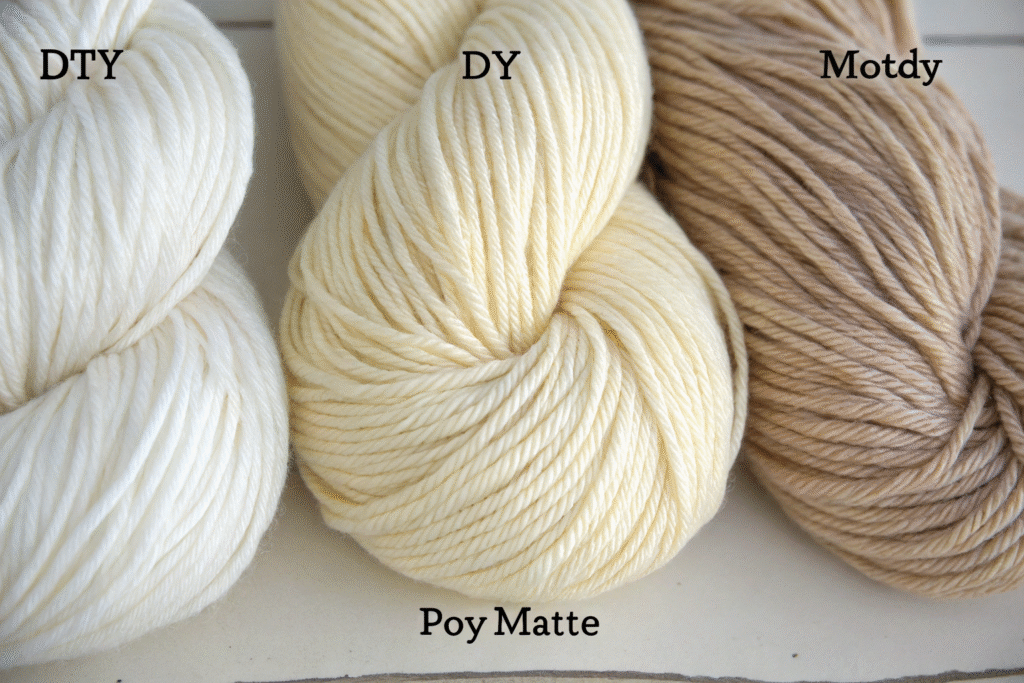
Luster level affects perceived drape quality through light reflection and shadow formation. High-luster fabrics (typically FDY) create sharp highlight and shadow contrasts that can make drape appear more structured and defined. Low-luster fabrics (typically DTY) create soft light diffusion that makes drape appear more fluid and natural.
We’ve established luster-drape relationships:
| Luster Level | Light Reflection | Drape Perception | Price Point Association |
|---|---|---|---|
| Bright (FDY) | Sharp, direct | Architectural, formal | Mass market to premium |
| Semi-dull (DTY) | Soft, diffuse | Natural, flowing | Mid-market to luxury |
| Full dull (DTY) | Minimal, absorbed | Organic, relaxed | Premium to luxury |
| Variable (Blends) | Complex, dimensional | Dynamic, interesting | Designer collections |
A New York contemporary brand corrected their "cheap-looking" perception by switching from bright FDY to semi-dull DTY—the improved visual drape quality justified a 25% price increase while actually reducing material costs. This understanding of visual perception in fabric assessment enhances product positioning.
Why do texture variations create drape interest?
Texture variations create drape interest by breaking up large fabric areas into visual segments that move independently. DTY’s inherent texture, particularly in variable crimp styles, creates micro-drape effects where small areas respond individually to movement rather than behaving as a single plane.
The most effective texture applications include:
- Peach skin DTY: Creates ultra-soft drape with visual warmth
- Slub DTY: Produces organic, irregular drape lines
- Crinkle DTY: Generates dynamic, textured drape movement
- Multi-component DTY: Offers complex, dimensional drape
A Los Angeles designer developed their signature "liquid drape" by using peach skin DTY in bias-cut designs—the combination created unprecedented fluidity that became their brand hallmark. This innovative use of textured yarns for drape enhancement drives design differentiation.
How do blending options enhance drape performance?
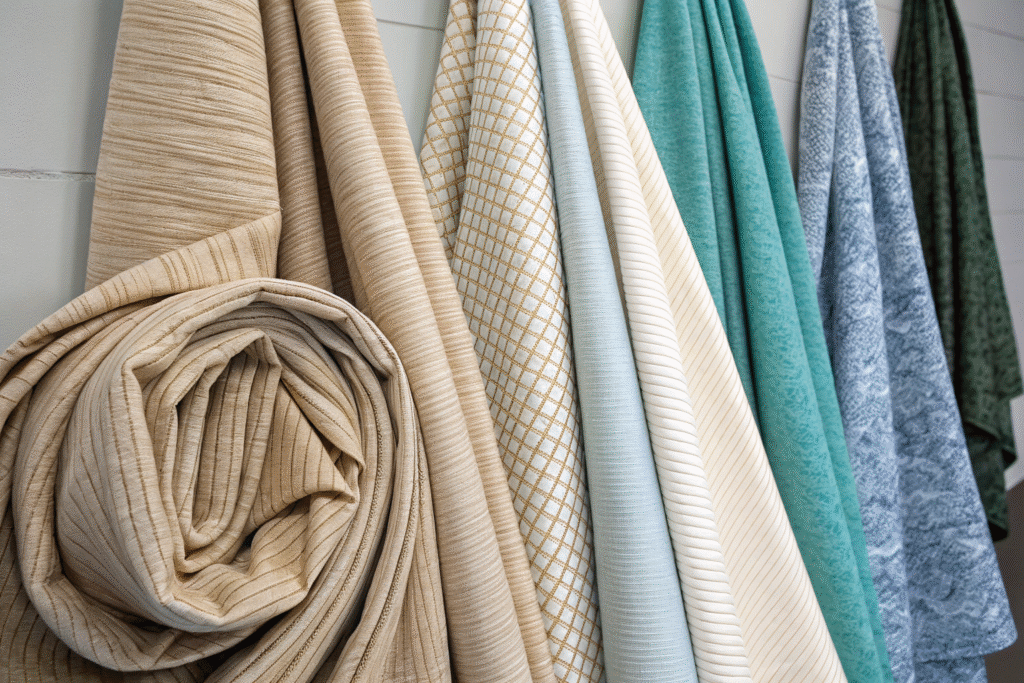
Blending different polyester yarn types or combining polyester with other fibers can create drape characteristics impossible to achieve with single yarn systems. Strategic blending allows designers to balance drape with other requirements like durability, cost, and aesthetic effects.
Our blending experiments reveal optimal combinations:
| Blend Composition | Drape Characteristics | Additional Benefits | Applications |
|---|---|---|---|
| DTY + Rayon | Exceptionally fluid, heavy drape | Enhanced moisture absorption | Flowing dresses, maxi styles |
| DTY + Polyester FDY | Balanced fluidity and structure | Cost optimization, luster control | Versatile day-to-evening |
| Micro DTY + Spandex | Directional stretch drape | Superior comfort, fit | Bodycon, fitted dresses |
| FDY + Acetate | Crisp yet fluid drape | Luxury hand feel, rich appearance | Tailored dresses, sheaths |
| DTY + Cotton | Substantial but soft drape | Breathability, natural aesthetic | Casual, daytime dresses |
A European mass retailer optimized their entire dress range by implementing a core DTY-rayon blend—the fabric provided premium drape at mass-market pricing, significantly improving their competitive position. This strategic approach to drape optimization through blending delivers commercial advantage.
Why do DTY-rayon blends excel in drape applications?
DTY-rayon blends excel in drape applications because they combine DTY’s structural flexibility with rayon’s weight and moisture-responsive characteristics. Rayon adds mass that enhances drape momentum while maintaining softness, creating the "heavy fluidity" associated with high-end natural fibers.
The synergy produces exceptional results:
- 55% DTY/45% Rayon: Optimal balance of durability and drape
- 65% DTY/35% Rayon: Enhanced drape with good strength
- 45% DTY/55% Rayon: Maximum drape with moderate durability
A Brazilian fashion brand achieved drape comparable to viscose challis at 30% lower cost by using 50/50 DTY-rayon blends—the performance parity allowed them to expand their market reach without compromising quality. This effective use of drape-synergistic blends creates value across price points.
How does spandex content affect drape behavior?
Spandex content affects drape behavior by introducing directional stretch and recovery that can either enhance or compromise drape depending on application. Low spandex content (2-5%) typically improves drape by allowing fabric to conform to body contours, while higher content (5-10%) can create excessive tension that fights natural drape.
Our spandex-drape optimization guidelines:
| Spandex Content | Drape Impact | Best Constructions | Dress Styles |
|---|---|---|---|
| 2-3% | Enhanced conformity | Woven crepes, satins | Body-skimming sheaths |
| 3-5% | Improved movement | Jersey knits, stretch wovens | Fitted dresses, wraps |
| 5-8% | Controlled stretch | Power net, double knits | Bodycon, structured fits |
| 8%+ | Limited drape, maximum stretch | Technical knits | Athletic-inspired dresses |
A UK high-street leader perfected their fit-and-flare dresses by incorporating 3% spandex into DTY constructions—the minimal stretch provided perfect conformity through the bodice while maintaining beautiful skirt drape. This precise spandex integration for drape enhances garment performance.
Conclusion
Selecting the ideal polyester yarn for women’s dress drape requires matching yarn type to specific silhouette requirements rather than seeking a universal solution. DTY consistently delivers the best drape performance across most applications, with FDY offering excellent alternatives for structured designs, and POY serving specialized crisp applications. The optimal choice emerges from understanding how yarn structure, weight, construction, surface characteristics, and blending options interact to create target drape behavior.
Through developing dress fabrics for diverse global markets, we’ve consistently found that the most successful selections combine technical understanding with design sensibility. DTY’s inherent crimp and flexibility make it the preferred choice for most flowing and fluid dresses, while strategic use of FDY and thoughtful blending can address specific design requirements at various price points.
If you’re developing dresses and need guidance on yarn selection for optimal drape, contact our Business Director Elaine at elaine@fumaoclothing.com. We’ll share our comprehensive drape analysis data and help you select or develop yarns that deliver the perfect balance of drape, hand feel, and aesthetic qualities for your specific designs. With our vertical manufacturing capabilities, we can produce custom yarns with certified drape performance, ensuring your dresses move as beautifully as they look.