Choosing workwear fabric requires careful thought. Your customers need garments that last through tough conditions. The wrong choice leads to early wear and tear. This affects your reputation and profits.
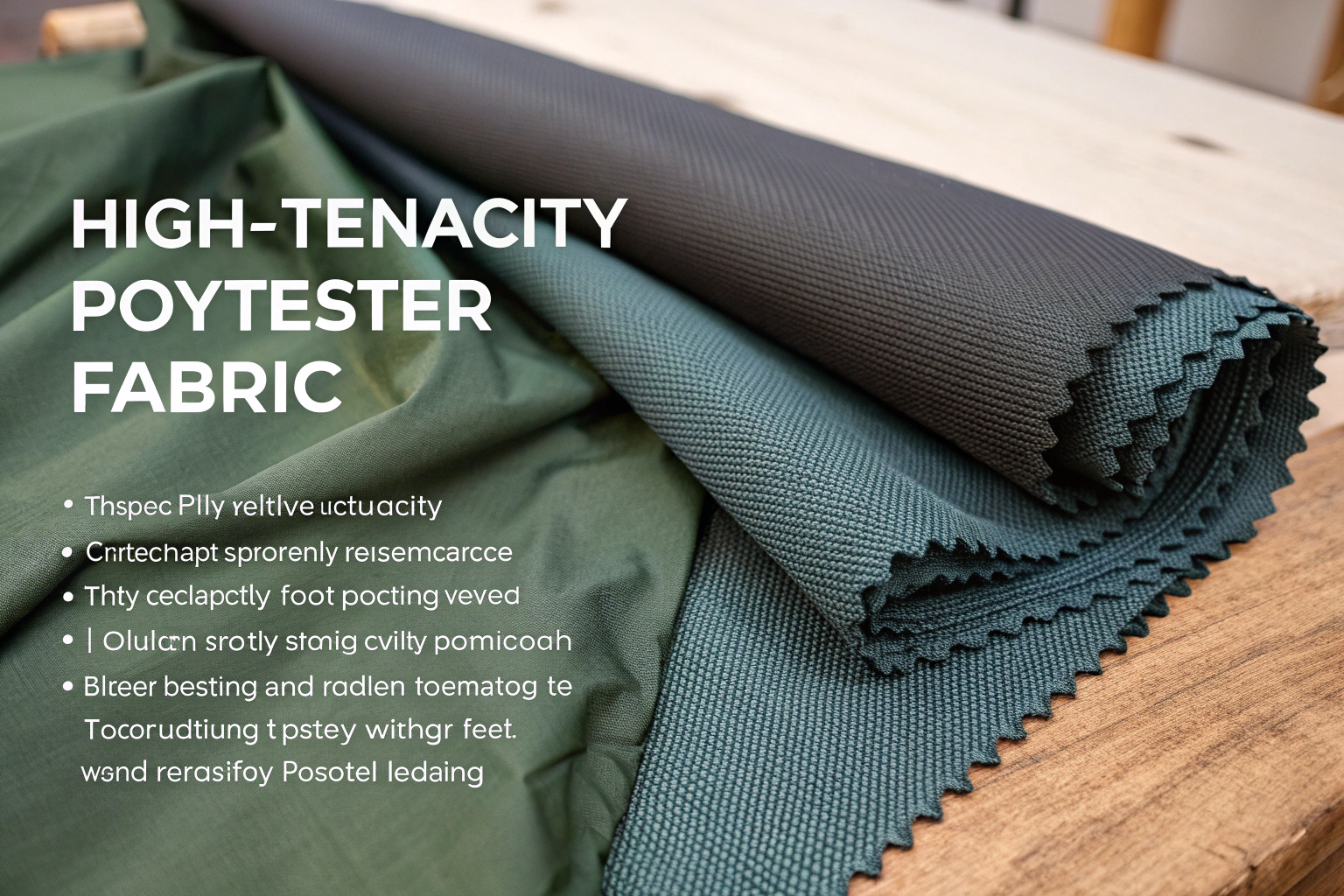
High-tenacity polyester with ripstop weave offers superior durability. Blends with cotton or nylon enhance performance. These fabrics resist abrasion and tearing effectively.
Understanding fabric properties helps make better sourcing decisions. Let's explore what makes polyester workwear truly durable.
What defines durable polyester workwear fabric?
Durable fabric combines multiple performance features. It's not just about thick material. The right blend of properties ensures long-lasting wear.
Key features include tear strength and abrasion resistance. Fabric construction plays a vital role. Tight weaves and special finishes add durability.
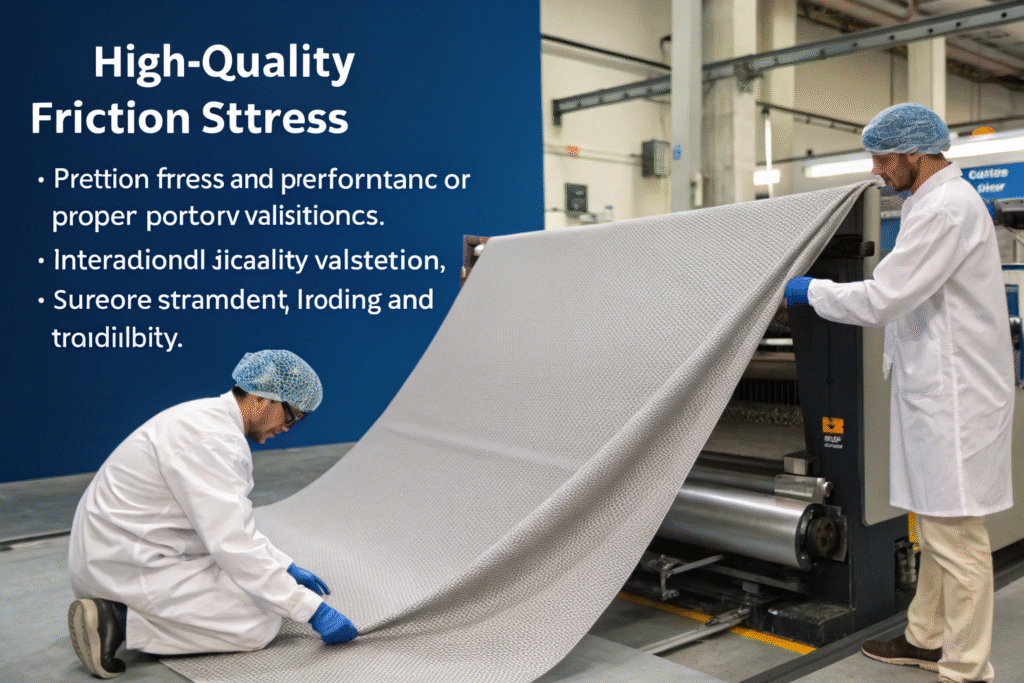
Quality fabric fights wear from friction and stress. Proper testing validates these characteristics. International standards help measure performance.
How is wear resistance tested?
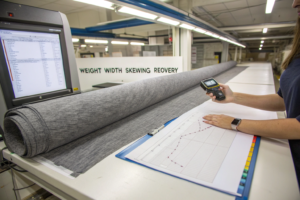
Martindale tests measure abrasion resistance. Machines rub fabric until holes appear. Higher cycle counts mean better durability.
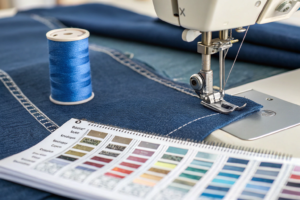
We use strong yarns and special coatings. These reduce surface friction. Poly-cotton blends balance strength and comfort.
Why does fabric construction matter?
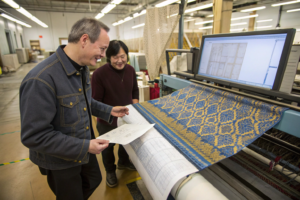
Weight and weave pattern affect durability. Heavier fabrics (220-300 GSM) last longer. Weave type influences tear resistance.
Twill weaves hide stains and resist wrinkles. Ripstop weaves prevent tear spreading. The right combination ensures optimal performance.
Which polyester types provide maximum durability?
Different polyesters serve different needs. Fiber engineering determines strength. Some types outperform others significantly.
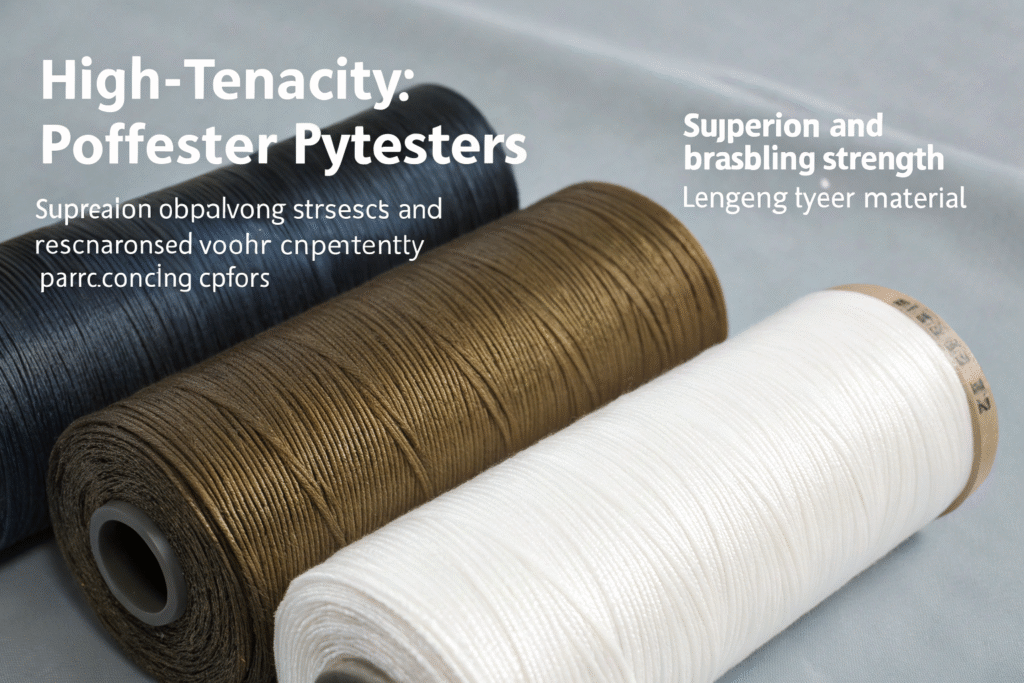
High-tenacity polyester has superior breaking strength. Blends with nylon increase abrasion resistance. Solution-dyed variants maintain color longer.
Ripstop construction stops small tears from spreading. Reinforced threads create protective grids. This adds durability without extra weight.
Are blends better than pure polyester?
Poly-cotton blends offer the best balance. Polyester provides strength and shape retention. Cotton adds comfort and moisture absorption.
The 65/35 ratio works well for most workwear. It withstands rough use while remaining comfortable. This blend also costs less than technical fabrics.
What makes ripstop so effective?
Crosshatch patterns contain damage. Thicker threads reinforce regular intervals. Small rips won't become large tears.
This construction suits high-mobility work. It's light yet extremely tough. Perfect for outdoor and utility applications.
How do finishes extend fabric life?
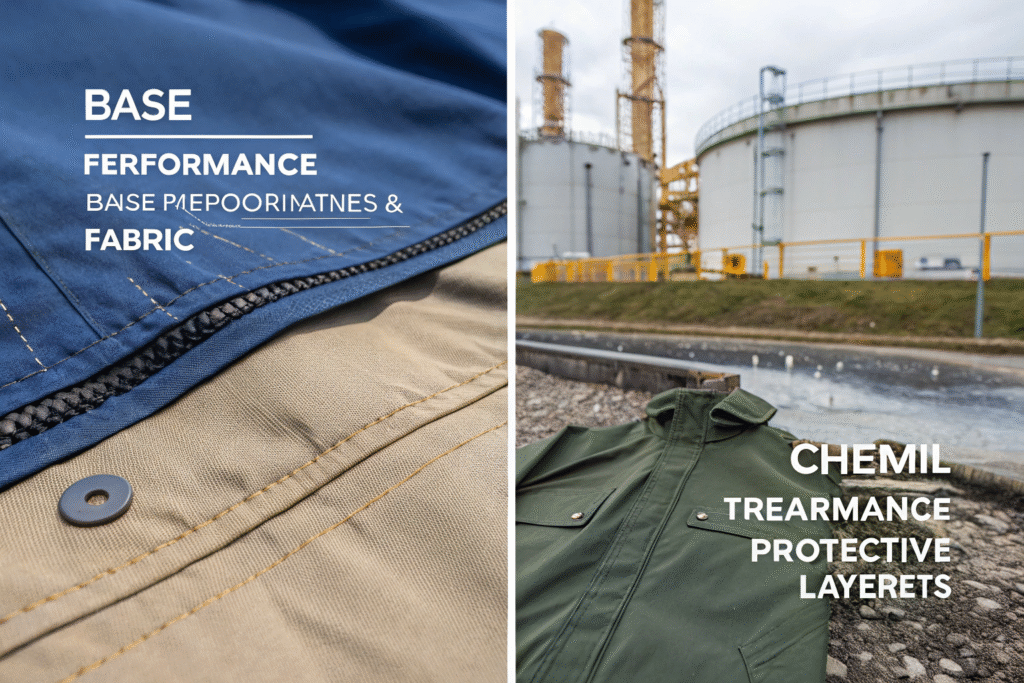
Chemical treatments enhance base fabric performance. They add protective layers. These treatments survive multiple washes.
DWR coating makes water bead up. Anti-pilling treatments keep surfaces smooth. UV protection prevents fiber degradation.
Good finishes survive industrial laundering. They maintain protective qualities through garment life.
Do protective coatings help?
PU and PVC coatings add waterproofing. PU remains flexible and breathable. PVC resists chemicals and flames.
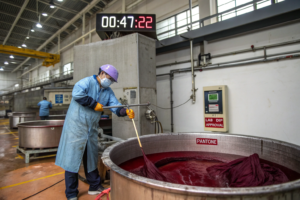
Proper bonding prevents layer separation. This ensures long-term protection. Our coating facility controls this process carefully.
Why consider moisture management?
Wicking finishes pull sweat away from skin. This keeps workers dry and comfortable. Less moisture means less fabric stress.
Antimicrobial treatments reduce odor buildup. Clothes need less frequent washing. This extends garment life significantly.
How to confirm durability before ordering?
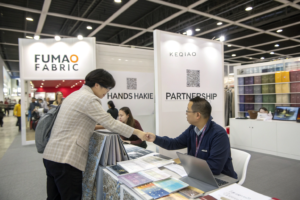
Trust needs verification in textile sourcing. Sample checks aren't enough. You need solid test data and factory audits.
Review third-party test reports carefully. Check for international standards compliance. Visit manufacturing facilities when possible.
Transparent suppliers share test data freely. They welcome quality inspections.

What certifications matter?
ISO 9001 indicates quality management. OEKO-TEX ensures safe chemicals. GRS validates recycled content.
Our CNAS lab meets global standards. This provides reliable test results before shipment.
Why conduct factory audits?
See production conditions firsthand. Verify machinery maintenance levels. Check quality control implementation.
Confirm raw material sources. Ensure specifications get followed precisely. This prevents quality issues later.
conclusion
Durable workwear requires the right fabric choices. Consider fiber type, construction, and finishes. Verify quality through testing and inspections.
The right supplier partnership ensures success. Choose someone with proven expertise and transparency.
Ready to source high-performance workwear fabrics? Contact our Business Director Elaine at elaine@fumaoclothing.com. Let's create durable solutions for your brand.