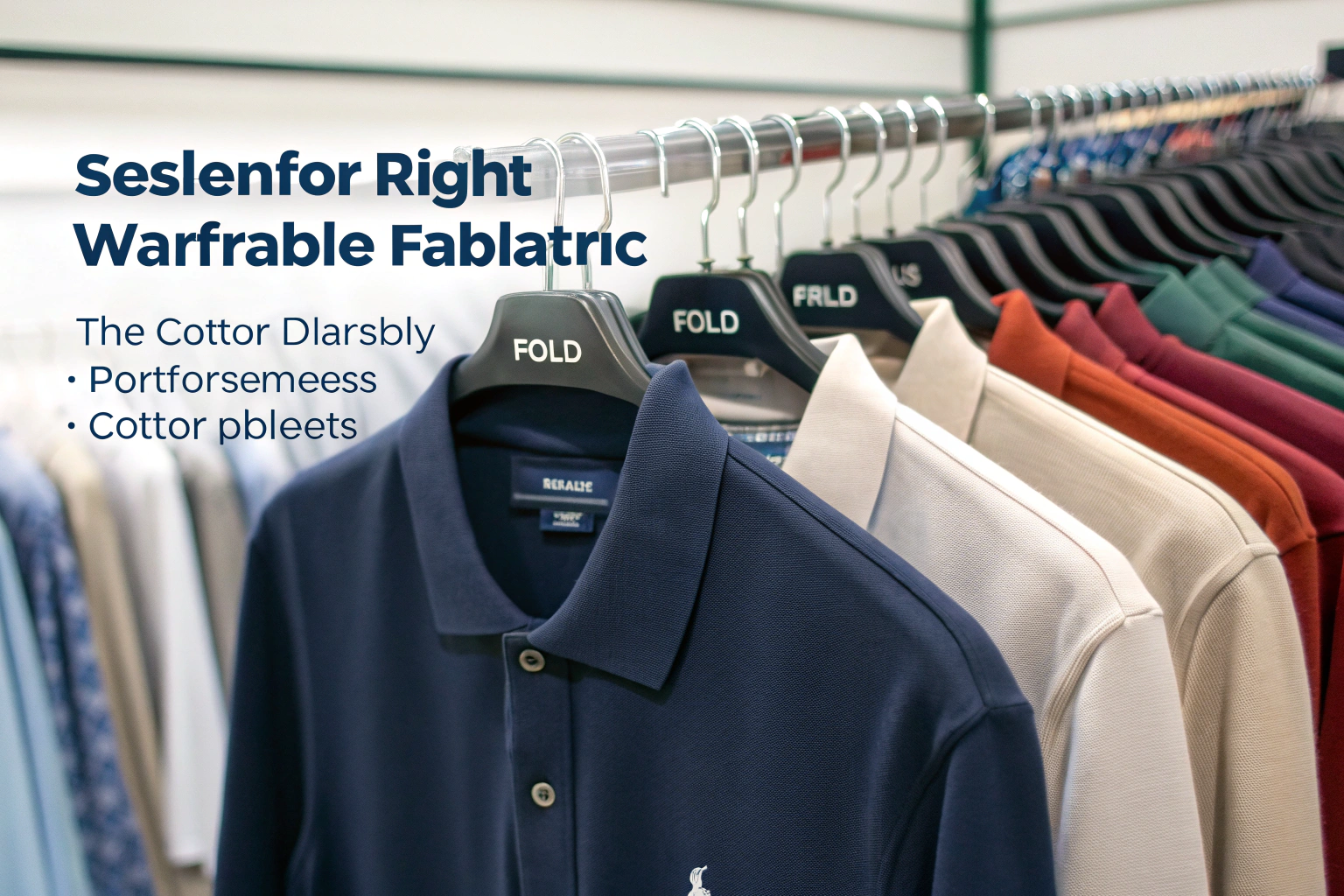
Polo shirts are a wardrobe staple. But choosing the wrong fabric can ruin the look and feel. Many of our clients struggle with this exact choice. They want a shirt that is comfortable, durable, and looks professional. The fabric is the key to all of this.
The best fabric for your polo shirt depends on the intended use and desired style. Pique fabric, with its textured weave, is ideal for a classic, durable, and breathable polo, often seen in golf and corporate wear. Jersey fabric, with its smooth, flat knit, offers superior softness and comfort, making it perfect for casual, everyday polos. Understanding this core difference will help you make the right decision for your brand and customers.
Let’s break down the details of pique and jersey fabrics. This will help you see which one fits your next clothing order perfectly.
What is Pique Fabric and Why is it Used for Polo Shirts?
Pique is a classic choice for polo shirts. Its unique texture sets it apart. We see major brands using pique for a reason. It provides a structured look that holds up well over time.
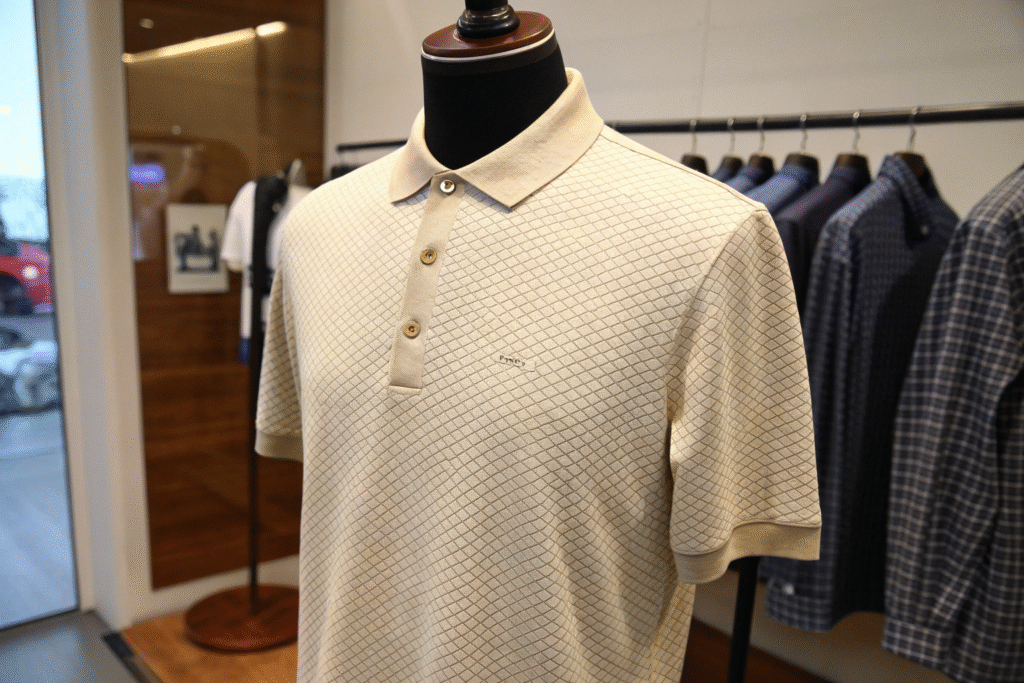
Pique fabric is a type of knit fabric known for its raised, textured pattern. This pattern often looks like a honeycomb or waffle weave. This texture is not just for looks. It creates tiny air pockets that improve breathability. This makes pique polo shirts a top choice for sports like golf and tennis. The fabric’s structure also helps it resist wrinkles and hide stains better than smoother fabrics.
How is Pique Fabric’s Durability for Long-Term Wear?
Pique fabric is renowned for its exceptional durability. The textured knit construction is tighter and thicker than a standard jersey. This makes the fabric more resistant to pilling, snagging, and general wear and tear. At our factories in Keqiao, we use high-quality combed cotton or polyester-cotton blends for our pique. This ensures the fabric maintains its shape and texture even after many washes. For brands targeting the golf apparel market or corporate uniforms, this longevity is a critical selling point. Our end-to-end quality control process includes testing for abrasion resistance and colorfastness to guarantee this durability.
What Are the Style Advantages of a Pique Polo?
The primary style advantage of a pique polo is its elevated, classic appearance. The texture adds visual interest and a perception of higher quality. It looks crisp and polished, making it suitable for business-casual environments. Pique fabric also holds embroidery and logos exceptionally well. The raised surface allows for clean, defined stitching that stands out. This is why so many companies choose pique for their branded corporate wear programs. Furthermore, pique’s slightly stiffer drape gives the polo a more structured silhouette, which is often preferred in menswear fashion.
What Makes Jersey Fabric a Popular Choice for Polos?
Jersey fabric is the workhorse of the knitwear world. Its smoothness and stretch offer a different kind of comfort. Many modern, fashion-forward brands are choosing jersey for their polo lines. It appeals to a consumer looking for everyday ease.
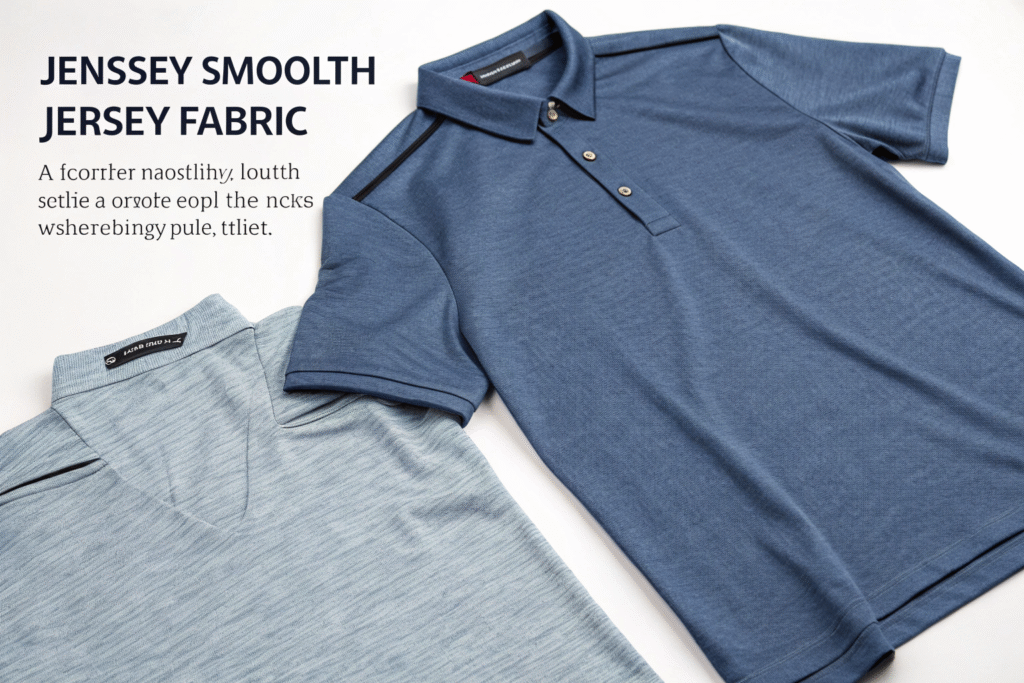
Jersey is a single-knit fabric, famous for its softness and flexibility. It has a smooth front side and a looped back side. This construction gives jersey a good amount of horizontal stretch. It is incredibly comfortable against the skin, making it ideal for long-term wear. Jersey polo shirts have a more casual, t-shirt-like feel. They are lighter and often more form-fitting than pique polos. This makes them a favorite for casual streetwear styles.
How Does Jersey Fabric Enhance Comfort in Polo Shirts?
Jersey fabric enhances comfort through its inherent softness and stretch. The smooth surface feels gentle on the skin without any roughness. The four-way stretch (in many modern jerseys) allows for unrestricted movement. This is a key feature for athleisure apparel where comfort is paramount. At Fumao, we can produce jersey from a variety of materials, including organic cotton and Tencel™ lyocell, which further increase the breathability and softness of the final polo shirt, taking comfort to the next level.
Is Jersey Fabric Suitable for Printed Designs?
Yes, jersey fabric is an excellent canvas for printed designs. Its flat, smooth surface allows for crisp and vibrant prints. Techniques like screen printing and heat transfer work exceptionally well on jersey knits. The fabric’s stretch is also manageable with the right print parameters, preventing cracking in the design. For brands focusing on graphic tees and fashion prints, jersey polo shirts offer a perfect base. Our printing factories specialize in ensuring that designs remain vibrant and durable through repeated washing, even on stretched jersey fabric.
Pique vs Jersey: A Direct Comparison for Your Business
Now, let’s put them side-by-side. This will make the decision-making process clearer for you. We will look at specific factors that matter most to your business and customers.
Choosing between pique and jersey is about prioritizing features. The table below provides a quick, at-a-glance comparison.
| Feature | Pique Fabric | Jersey Fabric |
|---|---|---|
| Texture | Textured (Honeycomb) | Smooth |
| Drape & Structure | Structured, Holds Shape | Soft, Fluid Drape |
| Breathability | High (due to texture) | Medium to High |
| Durability | Very High | Good |
| Best For | Classic, Corporate, Sport | Casual, Fashion, Everyday |
| Printing/Embroidery | Excellent for Embroidery | Excellent for Printing |
Which Fabric Offers Better Breathability for Summer?
For pure breathability in hot weather, pique fabric often has a slight edge. The raised texture creates small gaps in the fabric that allow for more air circulation. This helps to wick moisture and keep the wearer cooler. However, a lightweight jersey made from a natural fiber like cotton or a moisture-wicking fabric like Tencel™ can also be highly breathable. The choice depends on the specific yarn and knit density. For high-sweat activities, our high-performance fabrics with added moisture-wicking properties can be applied to both pique and jersey constructions.
How Do Pique and Jersey Differ in Production Cost?
Typically, pique fabric can be slightly more expensive to produce than a basic jersey. The pique weave is more complex and requires specialized knitting machines. It also often uses more yarn per square meter to create its textured structure. However, the final cost is highly dependent on the fiber quality and any additional functional finishes applied. A high-end organic cotton jersey may cost more than a standard polyester pique. We provide transparent pricing based on your specific material and quantity needs.
How to Choose the Right Fabric for Your Polo Shirt Line
This is the final step. You have the facts. Now, let’s translate that into a smart business decision for your brand. Think about your target customer and where they will wear the shirt.
Your choice should align with your brand’s identity and your customers’ expectations. There is no single "best" fabric, only the best fabric for your specific application. Asking the right questions will guide you to the perfect choice.
What Questions Should You Ask Your Fabric Supplier?
Asking these questions will ensure you get a high-quality product that meets your needs. First, ask about the fiber composition and the origin of the yarn. Second, request test reports for colorfastness and shrinkage to ensure quality. Third, inquire about their quality control process during production. Fourth, discuss their capacity for small-batch customization and sample development speed. A reliable supplier like Fumao will have clear answers and provide all necessary documentation, including OEKO-TEX® certifications for safety.
Can You Blend Pique and Jersey Qualities in One Fabric?
Absolutely. Innovation in textiles allows for hybrid fabrics. For instance, we can create a jersey base with a subtle pique-like texture for a unique hand-feel. Alternatively, we can develop a pique knit using a softer, more elastic yarn typically used in jersey. These innovations are part of our agile R&D services. If you have a specific vision for a polo shirt that combines the structure of pique with the softness of jersey, we can work with you to develop a custom blend. This is how we help brands like yours stand out in a competitive market.
Conclusion
Choosing between pique and jersey for your polo shirt line is a critical decision that impacts comfort, style, and customer satisfaction. Pique offers a classic, durable, and breathable option perfect for corporate and sporty looks. Jersey provides exceptional softness and a modern, casual feel ideal for everyday wear. Your target market and brand identity are the ultimate guides in this selection process.
We hope this detailed comparison empowers you to make the best choice for your next collection. If you are ready to move forward and need a trusted partner for high-quality polo shirt fabric and manufacturing, we are here to help. Our team can guide you through sampling and production to bring your vision to life. For a direct conversation about your specific needs, please contact our Business Director, Elaine, at elaine@fumaoclothing.com. Let’s co-create value for your brand.