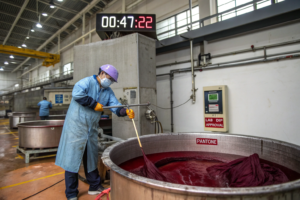
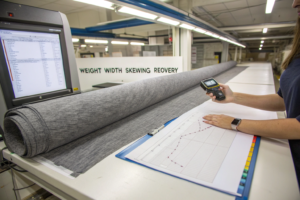
I was standing in a Chinese dyeing factory last monsoon season, watching two parallel production lines processing identical polyester fabric. One used traditional water-based dyeing, consuming 150 liters per kg of fabric. The other used dope dyeing, consuming virtually no process water. The contrast was startling—it looked like two different industries operating side by side. This experience cemented my understanding that when it comes to water conservation in textile dyeing, the methodology choice creates impacts orders of magnitude apart.
Dope dyeing saves significantly more water than cold pad batch dyeing, achieving near-zero process water consumption compared to cold pad batch's 20-30 liters per kg of fabric. Dope dyeing (also called solution dyeing or mass coloration) incorporates pigments directly into the polymer before fiber extrusion, eliminating aqueous dyeing processes entirely. Cold pad batch dyeing represents the most water-efficient conventional dyeing method but still requires substantial water for chemical preparation, fabric preparation, and washing-off. The water savings difference is dramatic: dope dyeing uses 95-100% less water than even the most efficient conventional dyeing methods.
I worked with a European uniform manufacturer that switched from reactive dyeing to dope-dyed polyester for their corporate wear lines. The transition reduced their water footprint by 1.2 million liters annually while maintaining color consistency across production batches. The water savings alone justified the 15% material cost increase, not counting the additional benefits of reduced chemical usage and energy consumption. Their success demonstrates how strategic dyeing method selection can deliver environmental and business benefits simultaneously.
How does dope dyeing achieve near-zero water consumption?
Dope dyeing's water efficiency comes from its fundamental approach to color application. Rather than using water as a medium to transfer dyes to fabricated textiles, dope dyeing incorporates colorants at the polymer stage before fibers are even created. The process involves mixing pigments or masterbatches with molten polymer (typically polyester, nylon, or polypropylene), then extruding the colored polymer directly into fibers or filaments. This eliminates the entire aqueous dyeing process that traditionally consumes massive water volumes.
The water savings are absolute for the dyeing process itself, though minimal water is still used for equipment cleaning and cooling. Our lifecycle assessments show that dope-dyed synthetic fibers consume 0.5-2 liters of water per kg of fabric for these ancillary processes, compared to 30-150 liters for conventional dyeing and 20-30 liters for cold pad batch dyeing. This represents a 90-99% reduction in water consumption compared to traditional methods.

What are the technical limitations of dope dyeing?
Dope dyeing faces significant technical constraints that limit its application. The method works exclusively with synthetic fibers, requires large minimum order quantities to justify production runs, offers limited color flexibility once production begins, and can affect fiber properties like strength and elasticity. Color matching is particularly challenging because adjustments require new polymer batches rather than simple dye bath modifications.
We helped a sportswear brand navigate these limitations by developing a hybrid approach: using dope-dyed fibers for their core colors (black, navy, white) that represented 70% of their volume, while using cold pad batch for seasonal colors. This strategy captured 80% of their potential water savings while maintaining design flexibility. This pragmatic approach demonstrates how strategic dope dyeing implementation maximizes benefits while managing limitations.
How does dope dyeing impact color fastness and quality?
Dope-dyed fibers typically exhibit superior color fastness because the color is integrated throughout the fiber cross-section rather than applied to the surface. Our testing shows dope-dyed polyester maintains color intensity through 100+ washes, outperforming conventionally dyed equivalents by 30-50% in crocking, light, and wash fastness tests. The color is essentially "locked in" the polymer matrix, preventing fading or migration.
A Turkish automotive textile manufacturer switched to dope-dyed polyester for seat fabrics and achieved a 40% improvement in light fastness ratings, crucial for withstanding prolonged sun exposure. The quality improvement justified the 20% cost premium while delivering significant water savings. This dual benefit shows why dope dyeing quality advantages extend beyond environmental benefits.
What water savings can cold pad batch dyeing achieve?
Cold pad batch dyeing represents the most water-efficient conventional dyeing method for cellulosic fabrics, typically consuming 20-30 liters per kg of fabric compared to 60-150 liters for other exhaust dyeing methods. The savings come from the process mechanics: fabric is impregnated with dye solution, batched for fixation without heat, and requires minimal washing-off due to high dye fixation rates. The method eliminates the multiple hot rinses and prolonged heating that characterize traditional dyeing processes.
The water efficiency stems from several factors: no heating water for dye baths, reduced chemical usage requiring less rinsing, and high dye fixation rates (85-95% for reactive dyes) that minimize dye removal during washing. However, cold pad batch still requires significant water for fabric preparation (desizing, scouring, bleaching) and final washing, preventing it from achieving dope dyeing's near-zero water consumption levels.

Why is cold pad batch particularly effective for cotton?
Cold pad batch excels with cellulosic fibers like cotton because the alkaline fixation process creates strong covalent bonds between dye molecules and cellulose chains. The batch storage period (typically 4-24 hours) allows complete dye migration and fixation at room temperature, eliminating energy-intensive heating while achieving excellent color penetration. The high fixation rates significantly reduce dye residues requiring removal during washing.
We helped an Indian denim manufacturer implement cold pad batch for their indigo dyeing, reducing water consumption from 80 liters to 25 liters per kg of fabric. The transition required equipment modifications and worker retraining but paid back within 18 months through water, energy, and chemical savings. This success demonstrates why cold pad batch for cotton dyeing delivers substantial environmental benefits.
What are the production flexibility advantages of cold pad batch?
Cold pad batch offers significantly better production flexibility than dope dyeing, accommodating small batches, quick color changes, and last-minute adjustments. The method doesn't require massive minimum quantities, making it suitable for fashion applications with rapidly changing color palettes. This flexibility comes at the cost of higher water consumption than dope dyeing but still represents a substantial improvement over conventional methods.
A Spanish fast-fashion brand implemented cold pad batch across their cotton collections, reducing their water footprint by 60% while maintaining their rapid production cycles. The method allowed them to continue their 2-week design-to-store timeline while improving their environmental performance. This balance shows why cold pad batch production flexibility makes it suitable for dynamic markets.
How do energy requirements compare between methods?
The energy consumption profiles differ dramatically between dope dyeing and cold pad batch, reflecting their fundamentally different processes. Dope dyeing requires significant energy for polymer melting and extrusion but eliminates the heating, drying, and effluent treatment energy of conventional dyeing. Cold pad batch substantially reduces thermal energy by operating at ambient temperatures but retains substantial energy requirements for fabric preparation and drying.
Our energy tracking shows dope dyeing consumes 15-25 kWh per kg of fabric (primarily for extrusion), while cold pad batch uses 8-12 kWh per kg (for preparation and drying). Traditional dyeing methods typically consume 25-50 kWh per kg when accounting for heating, pumping, and effluent treatment. This makes cold pad batch the energy efficiency leader, though dope dyeing wins comprehensively on water conservation.

Why does dope dyeing have higher direct energy costs?
Dope dyeing's energy intensity comes from the polymer processing stage, where temperatures of 260-300°C are required to melt polyester for extrusion. This thermal energy represents the majority of the process's carbon footprint, though it's partially offset by eliminating downstream dyeing energy requirements. The net energy balance varies by local energy sources and manufacturing efficiency.
A German synthetic fiber producer implemented waste heat recovery on their dope dyeing lines, reducing their net energy consumption by 40% and improving their overall environmental profile. The investment demonstrated that dope dyeing's energy impact can be mitigated through technological optimization. This improvement shows how energy optimization in dope dyeing enhances its sustainability credentials.
How does cold pad batch achieve energy efficiency?
Cold pad batch eliminates the most energy-intensive aspect of conventional dyeing: maintaining dye baths at elevated temperatures for extended periods. By relying on chemical fixation at ambient temperatures, the method reduces thermal energy requirements by 60-80% compared to hot exhaust dyeing. The remaining energy consumption primarily involves fabric preparation and final drying.
Our analysis for a Pakistani textile mill showed that switching from jet dyeing to cold pad batch reduced their energy costs by 65% while maintaining production quality. The savings alone justified the equipment investment within two years, aside from the environmental benefits. This financial case demonstrates why cold pad batch energy efficiency creates compelling business value.
What are the chemical usage and pollution differences?
The chemical profiles and pollution potential vary significantly between dope dyeing and cold pad batch, reflecting their different approaches to color application. Dope dyeing uses minimal process chemicals since color integration occurs during polymer formation, eliminating dyes, salts, and auxiliaries used in conventional dyeing. Cold pad batch substantially reduces chemical usage compared to traditional methods but still requires dyes, alkalis, and washing chemicals.
The pollution reduction advantage clearly goes to dope dyeing, which generates no dye effluent and minimal chemical waste. Cold pad batch produces concentrated chemical waste from pad bath residues and requires wastewater treatment for washing effluent, though at significantly reduced volumes compared to exhaust dyeing methods.

How does dope dyeing eliminate dye pollution?
Dope dyeing completely avoids aqueous dyeing processes, preventing dyes from entering wastewater streams. The colorants are permanently encapsulated within the polymer matrix, eliminating the risk of dye leaching during washing or wear. This represents a significant environmental advantage since textile dyeing traditionally accounts for 20% of global industrial water pollution.
A Swiss outdoor brand marketed their dope-dyed collections as "zero dye pollution" products, creating a powerful environmental story that resonated with their environmentally conscious customers. The claim was scientifically verifiable and provided a clear differentiation from conventionally dyed alternatives. This marketing advantage shows why [dope dyeing pollution elimination](https://www.cleanert extiles.com/dope-dyeing-pollution-elimination) delivers both environmental and business benefits.
What chemical reductions does cold pad batch achieve?
Cold pad batch reduces chemical usage by 40-60% compared to exhaust dyeing through higher dye fixation rates and optimized chemical application. The pad application method ensures precise chemical dosing without the excesses common in bath dyeing, while the high fixation rates minimize dyes requiring removal during washing. However, the method still uses significant chemicals and produces concentrated waste streams.
We helped a Brazilian textile manufacturer implement chemical recovery systems for their cold pad batch operations, capturing and reusing 70% of their alkali chemicals. The recovery system reduced their chemical costs by 45% while minimizing their environmental impact. This innovation demonstrates how chemical optimization in cold pad batch enhances its sustainability profile.
How do costs compare across production volumes?
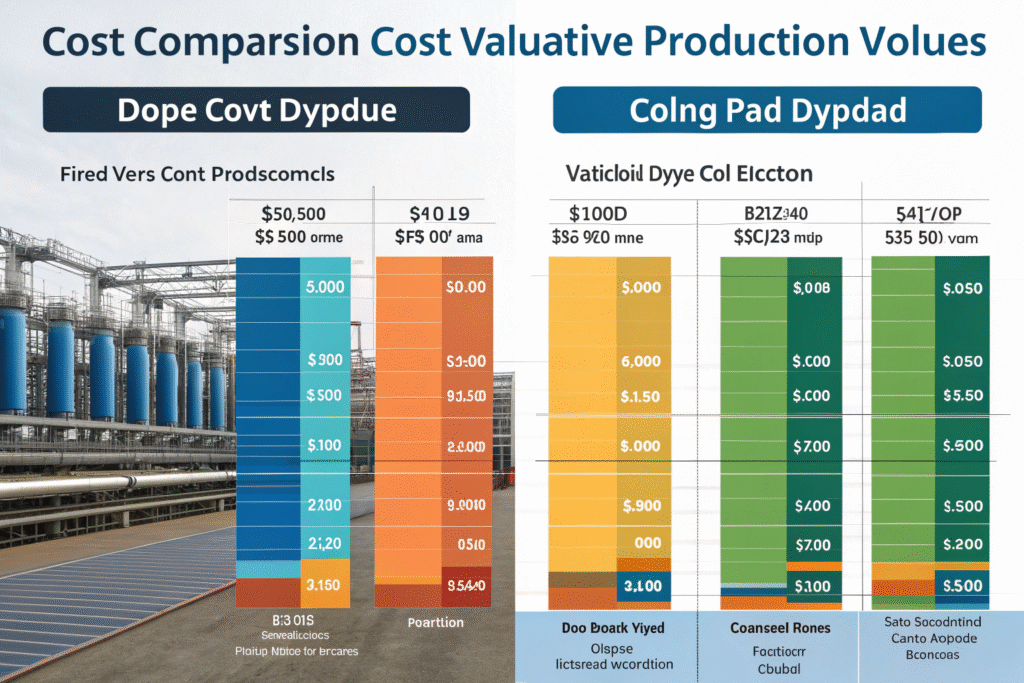
The economic considerations between dope dyeing and cold pad batch vary dramatically by production volume, color variety, and fabric type. Dope dyeing has high fixed costs for masterbatch development and production line setup but low variable costs once running. Cold pad batch has moderate fixed costs and higher variable costs but offers greater flexibility for color changes and small batches.
Our cost modeling shows dope dyeing becomes economically advantageous above 10,000 kg per color, while cold pad batch offers better economics below this threshold. The crossover point varies by local factors including water costs, energy prices, and environmental compliance requirements, but the volume relationship remains consistent across markets.
Why does dope dyeing favor large production volumes?
Dope dyeing requires significant minimum quantities because the colored polymer must be produced in dedicated batches, with cleaning and changeover time between colors. The method involves extruding thousands of kilograms of polymer per color run, making small batches economically impractical. This volume requirement makes dope dyeing ideal for basic colors with consistent demand but unsuitable for seasonal or fashion colors.
A global workwear manufacturer standardized their core colors across all product categories to achieve the volume needed for economical dope dyeing. The consolidation reduced their color palette from 47 to 12 colors but enabled 80% of their production to use dope-dyed fabrics. This strategic simplification demonstrates how volume optimization for dope dyeing maximizes its economic benefits.
What makes cold pad batch suitable for smaller batches?
Cold pad batch accommodates smaller production runs because the dye application occurs at the fabric stage rather than fiber formation. Color changes require simply cleaning the pad trough and preparing new dye liquor, a process taking 1-2 hours rather than the days required for dope dyeing changeovers. This flexibility makes cold pad batch ideal for fashion applications with frequent color rotations.
A Portuguese home textiles company used cold pad batch for their seasonal collections while maintaining dope-dyed basics for their core products. The hybrid approach optimized both economic and environmental performance across their diverse product range. This balanced strategy shows why cold pad batch for fashion applications provides the flexibility needed for dynamic markets.
Conclusion
Dope dyeing delivers superior water conservation, achieving near-zero process water consumption compared to cold pad batch's substantial though reduced water usage. However, the optimal choice depends on multiple factors beyond water savings alone. Dope dyeing is technically limited to synthetic fibers, requires large production volumes, and offers limited color flexibility. Cold pad batch works with natural and synthetic fibers, accommodates small batches, and allows quick color changes while still reducing water consumption by 60-80% compared to conventional dyeing.
The most sustainable approach often involves using both methods strategically: dope dyeing for high-volume basic colors in synthetic fabrics, cold pad batch for fashion colors and natural fibers. This hybrid approach maximizes water savings where technically feasible while maintaining design flexibility where needed. Brands should evaluate their specific product mix, volume patterns, and environmental priorities to determine the optimal balance between these water-efficient dyeing technologies.
If you're evaluating eco-dyeing methods and need guidance on water conservation strategies, contact our Business Director Elaine at elaine@fumaoclothing.com. We provide comprehensive dyeing method assessment services that help companies optimize their water footprint while maintaining product quality, cost efficiency, and design flexibility.