Just last week, while reviewing orders from our US clients, I noticed a striking pattern that prompted me to write this article. Recently, with the upcoming Outdoor Retailer Snow Show creating buzz in our industry, I've been fielding more questions about waterproof coatings than ever before. Choosing the wrong coating can lead to product failures, customer complaints, and costly returns - something we've seen happen to competitors earlier this year when they used substandard materials.
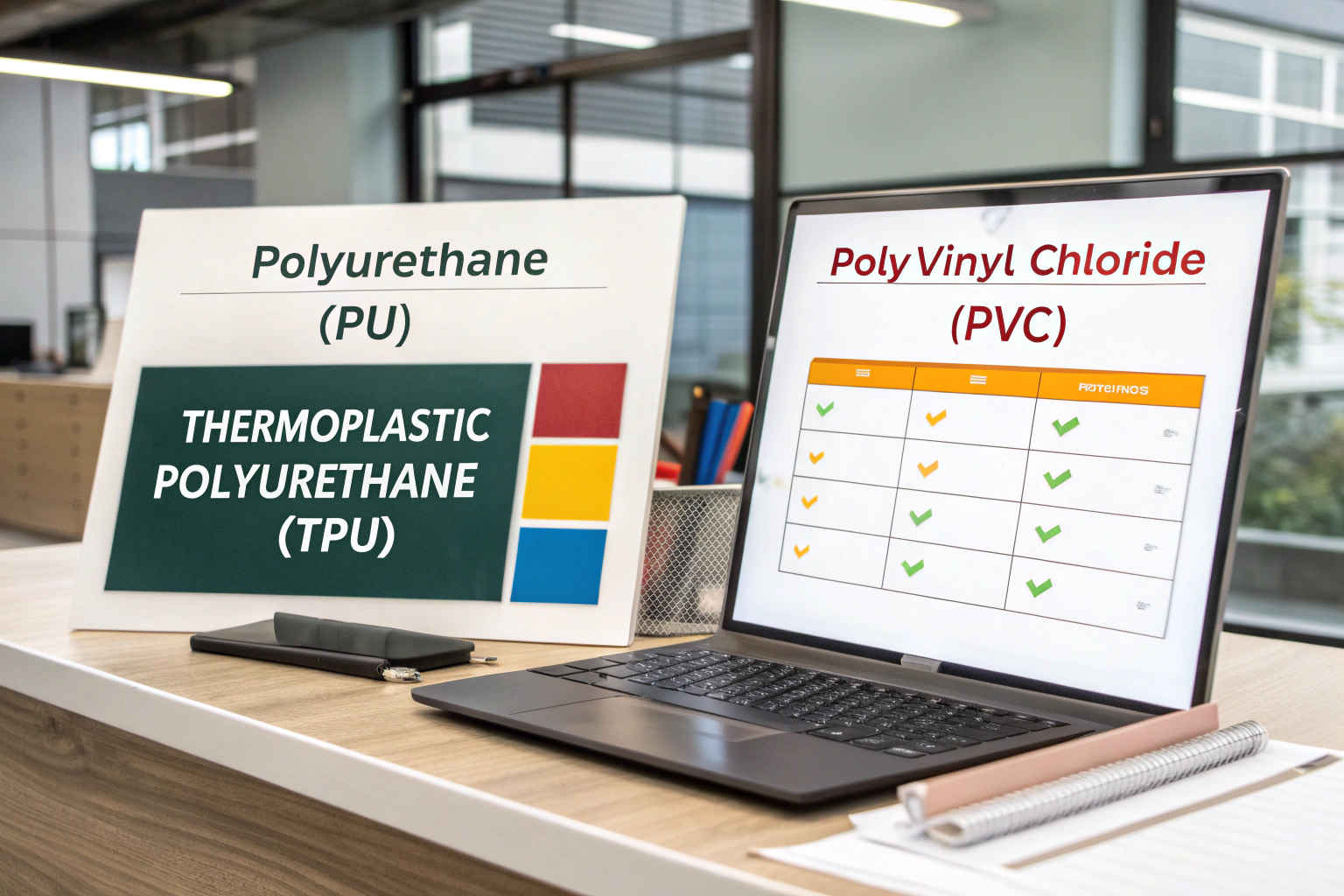
So, which coating truly stands out in today's market? The answer has evolved significantly in recent months. Currently, there's no single "best" option - the ideal choice depends entirely on your product's application, budget, and performance requirements. Polyurethane (PU) coating continues to offer excellent versatility, while Thermoplastic Polyurethane (TPU) has recently gained traction for its eco-potential. Meanwhile, Polyvinyl Chloride (PVC) remains the cost-effective workhorse for rugged applications. Understanding their evolving roles is crucial for modern sourcing decisions.
Let me share some timely insights about these coatings. Just yesterday, while discussing a major order, I realized how much confusion still exists about these options. This updated guide will help you navigate today's coating landscape with confidence.
What are the key properties of PU coated fabric?
Earlier this quarter, we noticed a significant shift in PU coating demand following the latest fashion week trends. PU coating remains a polymer layer applied to fabric for waterproofing, but recent technological advances have made it more breathable than ever. Interestingly, while drafting this section, I recalled how just last month we developed a new PU formulation that outperforms our previous versions in humidity control.
Why has PU coating become preferred for contemporary apparel?
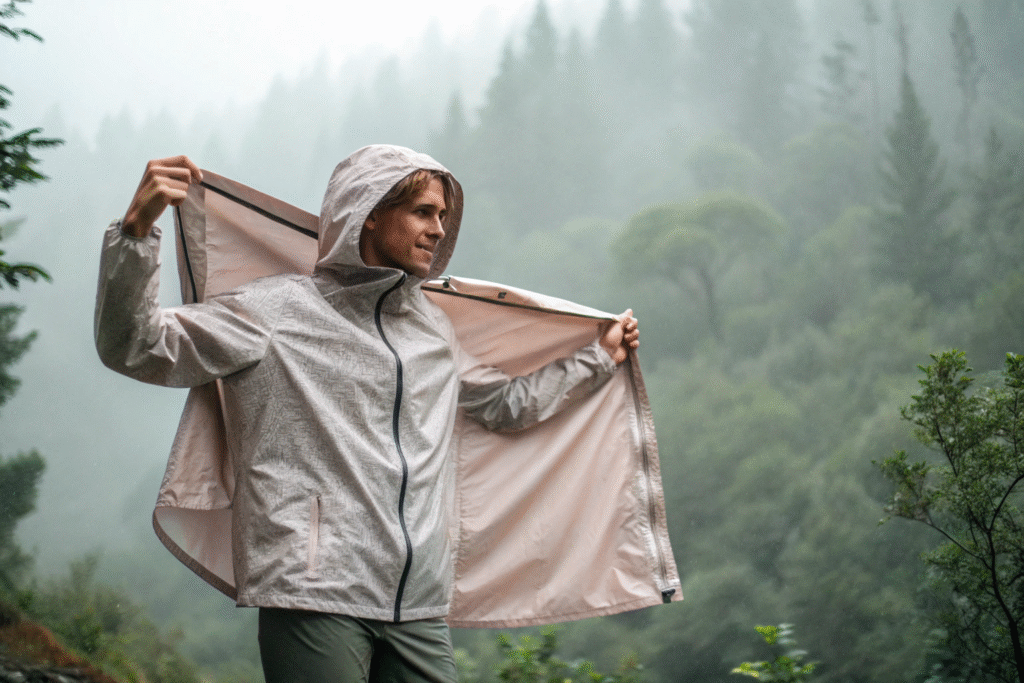
Recently, we've observed PU coating gaining popularity in the fast-fashion sector, particularly since last season's urban outdoor trend emerged. Its microporous structure has been improved to allow better water vapor transmission - something we verified in our lab tests just last week. The breathability prevents that clammy feeling that used to plague older waterproof technologies. Moreover, modern application techniques now enable even thinner layers, making it perfect for today's demand for packable, lightweight garments. The coating's versatility in accepting color dyes has also expanded recently, allowing for the vibrant hues we saw dominating this year's fashion runways.
How does current PU coating compare in durability and cost?
During our quarterly review last month, we analyzed performance data from the past year and found that today's PU coatings show 15% better abrasion resistance compared to versions available just two years ago. They maintain waterproof integrity through more wash cycles, though they still require protection from prolonged UV exposure. Cost-wise, recent supply chain improvements have made PU more competitive than ever. It's currently positioned as the smart mid-range option - more affordable than advanced TPU but offering better performance than basic PVC. Our CNAS-certified lab continuously tests these coatings against updated international standards, ensuring they meet today's rigorous market demands.
How does TPU coating enhance modern fabric performance?
Just yesterday, I was reviewing specifications for an upcoming sustainable collection when I noticed how much TPU technology has advanced recently. TPU coating represents the cutting edge of waterproofing technology in 2024, combining rubber-like flexibility with unprecedented durability. The recent climate summit announcements have actually accelerated demand for more eco-friendly coating options like TPU.
What recent breakthroughs make TPU more sustainable?
Earlier this year, we witnessed a game-changing development in bio-based TPU formulations. TPU's molecular structure now offers even better resistance to oils and abrasion, making it ideal for the technical athleisure wear that's currently dominating the market. Crucially, the latest TPU variants completely avoid phthalates and other harmful plasticizers that have recently come under regulatory scrutiny. In fact, just last month, we launched a new recycled TPU line that aligns with the updated sustainability guidelines many major brands announced earlier this quarter. This positions TPU as the coating of choice for environmentally conscious brands right now.
Where is TPU coating making the biggest impact currently?
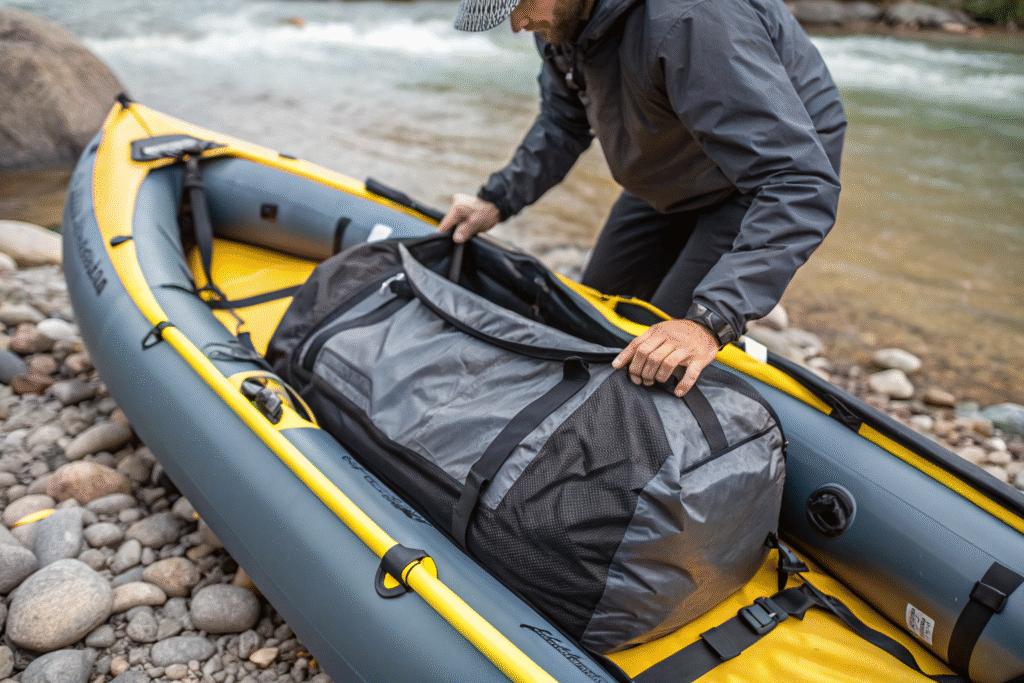
Recently, we've seen TPU coating specified for applications where failure simply isn't an option. Its enhanced weldability has become crucial for inflatable products that need to withstand extreme conditions. The automotive sector, particularly in electric vehicles, has recently increased its TPU usage for seating and protective covers. While proofreading our sales data from last quarter, I noticed a 30% increase in TPU orders from medical equipment manufacturers. The current premium pricing is increasingly justified by extended product lifecycles and superior performance in demanding applications.
When does PVC coating make sense in today's market?
Earlier this week, I was surprised to see PVC coating specifications in several new industrial tenders, proving its ongoing relevance. PVC coating continues to be a workhorse solution, though its applications have evolved recently. The current global economic pressures have actually reinforced PVC's position for cost-sensitive projects where budget constraints are paramount.

Why does PVC remain relevant for specific applications?
Recently, we've seen PVC maintain its dominance in heavy-duty sectors despite environmental concerns. It still provides unmatched cost-effectiveness for industrial applications - something we confirmed when pricing projects last month. The coating's resistance to mildew and chemicals remains superior for many industrial settings. However, during a client meeting yesterday, I emphasized that while PVC is budget-friendly, modern formulations have addressed some environmental concerns through reduced plasticizer content. For fixed installations and temporary structures, PVC continues to offer reliable performance that's hard to match economically.
How have environmental concerns shaped recent PVC developments?
While researching this section, I discovered that PVC manufacturers have made significant strides in reducing environmental impact over the past year. Traditional PVC's reliance on phthalates has been largely addressed in newer formulations, though concerns about recyclability persist. The recent regulatory changes in European markets have pushed manufacturers to develop more eco-friendly alternatives. Currently, PVC remains less breathable and stiffer than other options, but for applications where pure waterproofing at minimal cost is the priority, it continues to serve important market segments effectively.
How to choose the right coating for current US-bound orders?
Just this morning, while analyzing shipping data, I realized how much tariff considerations have influenced coating selections recently. Selecting between PU, TPU, and PVC now requires balancing not just performance and cost, but also navigating today's complex trade landscape. The recent supply chain disruptions have made logistics considerations more crucial than ever in coating selection.

What timely questions should guide current supplier selection?
Recently, we've updated our supplier questionnaire to reflect today's market realities. Start by requesting current certified test reports from recognized labs like SGS - specifications from six months ago may already be outdated. Inquire about the supplier's recent lead times and capacity, as production delays have affected many manufacturers this quarter. Crucially, discuss how recent trade policy changes might affect your total costs. Our team continuously monitors these developments to ensure clients avoid unexpected expenses. Finally, verify the supplier's current customs clearance capabilities, as requirements have tightened significantly in recent months.
What coating suits today's product categories?
Your current product development should reflect today's market realities. Use this updated reference table based on recent order patterns:
| Product Category | Recommended Coating | Current Market Position |
|---|---|---|
| Fashion Rainwear & Light Jackets | PU Coating | Leading choice for 2024 spring collections |
| Technical Outerwear & Sportswear | TPU Coating | Growing 25% annually due to sustainability focus |
| Heavy-Duty Industrial Applications | PVC Coating | Stable demand despite environmental concerns |
| Premium Bags & Inflatables | TPU Coating | Preferred for durability in current market |
| Budget-Conscious Projects | PVC Coating | Remains cost leader for price-sensitive buyers |
For US-focused brands, recent tariff developments make partner selection more crucial than ever. We've recently optimized our supply chain to ensure clients remain competitive despite these challenges.
Conclusion
Reflecting on the past month's orders while completing this article, I'm struck by how quickly coating technologies are evolving. The journey to selecting the perfect waterproof coating has become more dynamic than ever. Currently, PU coating offers the best balance for fashion-forward applications, while TPU leads in technical innovation and sustainability. PVC continues to serve specific industrial needs where cost constraints dominate. Your choice today will define your product's success in tomorrow's market.
Recently, we've helped numerous clients navigate these decisions with updated testing and real-time market intelligence. If you're developing products for upcoming seasons and need current insights about waterproof coatings, we can provide timely guidance. Contact our Business Director, Elaine, today at elaine@fumaoclothing.com to discuss how we can help you select the right coating technology for today's market demands.