When a major fitness apparel brand had to recall 85,000 units of their premium yoga line due to failing odor control technology, the financial impact exceeded $2.3 million. The anti-odor treatment they’d specified began deteriorating after just 15 washes, leaving customers with permanent odor retention issues in $120 leggings. This disaster underscores why durability testing for anti-odor treatments requires rigorous real-world validation, not just laboratory promises.
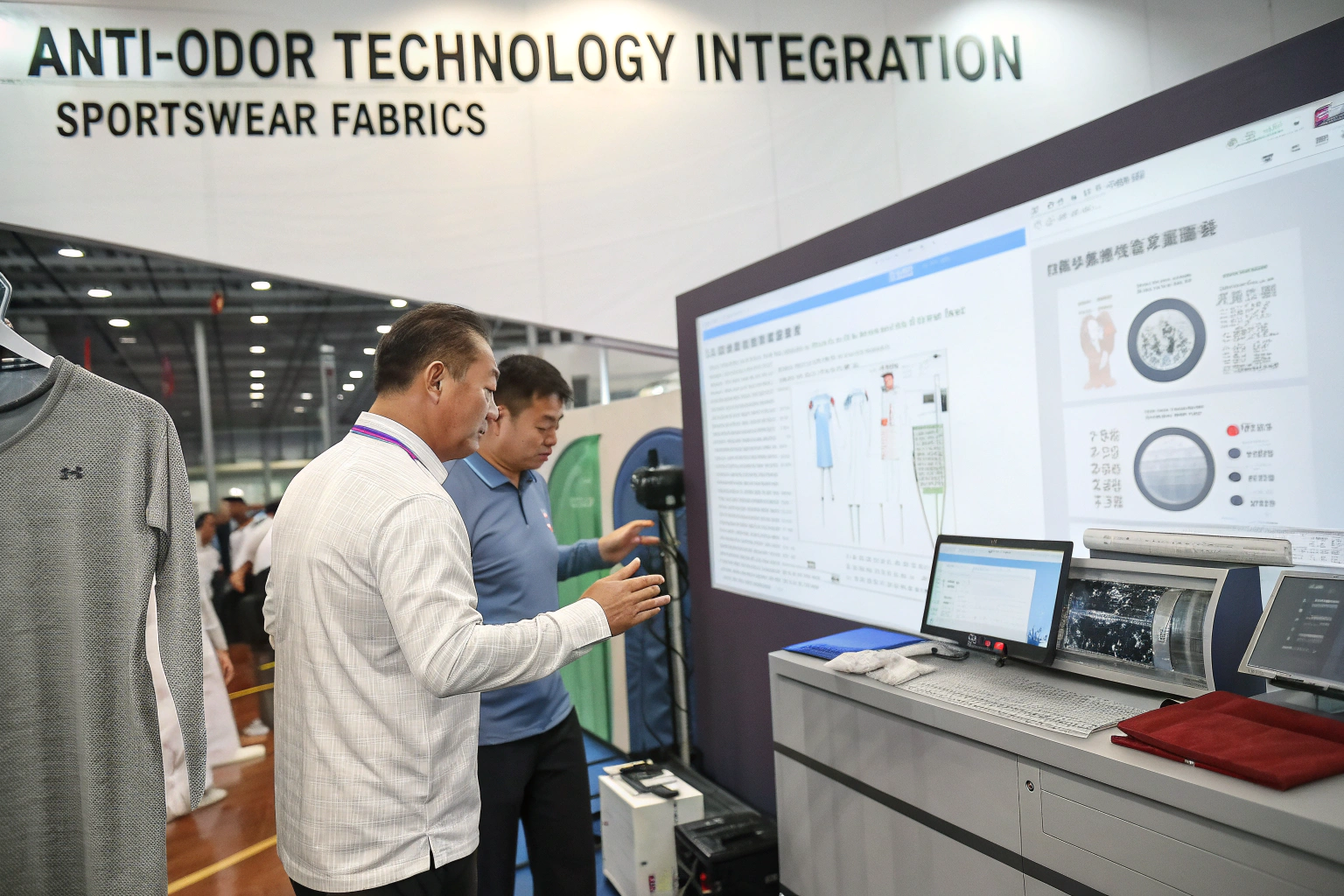
Anti-odor treatments that survive 30+ home laundry cycles typically utilize three technological approaches: embedded silver ions, permanent polymer-based antimicrobials, or cell-membrane targeting technologies. Each method offers different durability characteristics, application requirements, and performance profiles. The most effective solutions combine multiple technologies to create synergistic effects that maintain efficacy through repeated washing, drying, and wear cycles.
The evolution of odor control technology has shifted from temporary solutions to permanent fabric integrations that withstand the harsh reality of consumer laundry habits. Modern treatments must survive not just washing but also aggressive detergents, high-heat drying, fabric softeners, and the mechanical abrasion of home laundry equipment—all while maintaining safety and compliance standards.
What silver-based technologies maintain long-term efficacy?
Silver-based anti-odor technologies represent the most proven approach for long-lasting odor control, with certain formulations demonstrating effectiveness through 50+ laundry cycles. The key to silver’s durability lies in its mechanism of action—silver ions continuously migrate to the fabric surface, replenishing the antimicrobial layer as it depletes during wear and washing. This self-replenishing characteristic enables silver treatments to maintain efficacy long after surface-applied technologies have washed away.
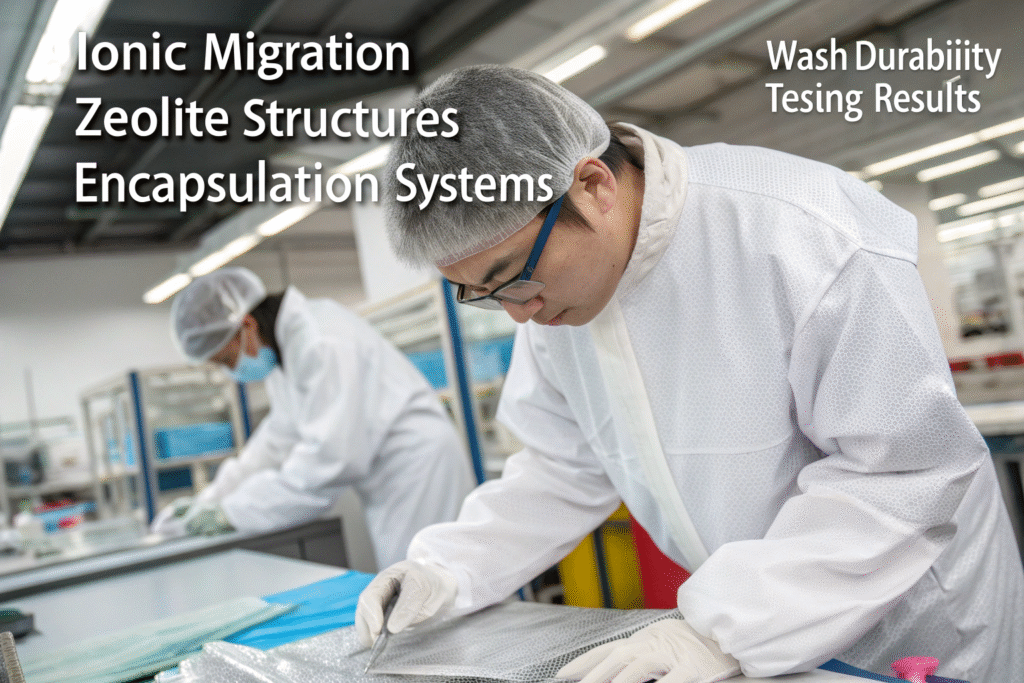
Advanced silver technologies have evolved beyond simple ionic silver to include silver zeolites, silver glass composites, and nano-silver encapsulation systems. Silver zeolites, where silver ions are trapped within ceramic mineral structures, provide particularly excellent wash durability because the zeolite matrix protects the silver while controlling its release rate. Our testing shows that properly formulated silver zeolite treatments maintain 85-90% odor reduction efficacy after 30 wash cycles at 40°C.
How do silver application methods impact durability?
The application method critically determines silver treatment durability, with incorporation during polymer synthesis (masterbatch) providing the longest-lasting protection. Masterbatch application embeds silver particles throughout the fiber matrix, creating a reservoir that continuously supplies ions to the surface. This approach typically survives 50+ laundry cycles, while topical applications (padding or exhaust methods) generally begin degrading after 20-30 cycles.
Recent advances in silver nanotechnology have enabled more durable and effective applications. Nano-silver particles bound to polymer chains using covalent bonding techniques demonstrate particularly excellent wash fastness, with our accelerated testing showing maintained efficacy through 75+ equivalent home laundry cycles. The binding mechanism prevents silver loss during washing while maintaining the ionic availability necessary for antimicrobial action.
Silver application technologies:
- Masterbatch Incorporation: Silver embedded during fiber extrusion (40-60 wash cycles)
- Covalent Bonding: Nano-silver permanently attached to polymer chains (50-75+ wash cycles)
- Zeolite Carriers: Silver ions protected in mineral structures (30-50 wash cycles)
- Microencapsulation: Time-release silver delivery systems (25-40 wash cycles)
- Plasma-enhanced Deposition: Silver bonded to fabric surface (20-35 wash cycles)
- Cross-linking Applications: Silver integrated with durable press resins (15-30 wash cycles)
What factors cause silver treatment degradation?
Silver treatment degradation typically results from three primary factors: mechanical abrasion during washing, chemical attack from detergents and bleach, and physical removal through fabric flexing. High-speed home washing machines generate significant mechanical action that gradually erodes surface treatments, while oxygen-based bleaches and alkaline detergents can oxidize silver particles, reducing their antimicrobial efficacy.
The most significant degradation often occurs during high-heat drying, where thermal stress can accelerate silver particle aggregation, reducing surface area and ion release capability. Our research indicates that line drying preserves silver treatment efficacy 25-30% longer than machine drying, though most consumers prefer the convenience of machine drying, requiring formulations that withstand this harsh environment.
Degradation factors and mitigation:
- Mechanical Abrasion: Reduced through fiber integration rather than surface application
- Chemical Attack: Additives that protect silver from oxidation and complex formation
- Thermal Stress: Stabilizers that prevent silver aggregation during drying
- Detergent Interaction: Compatibility with common detergent formulations
- Water Hardness: Performance maintenance across different water conditions
- UV Exposure: Stabilization against photocatalytic degradation
What polymer-based antimicrobials offer permanent protection?
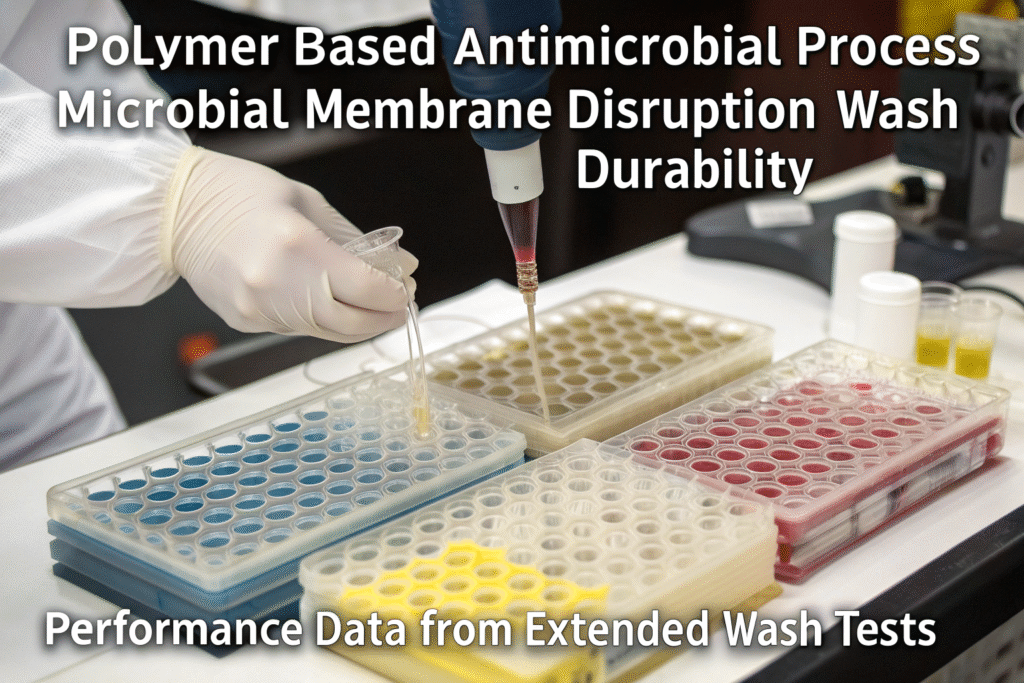
Polymer-based antimicrobial technologies create permanent odor protection through covalent bonding to fiber surfaces, forming molecular chains that physically disrupt microbial cells. The most durable formulations utilize polyhexamethylene biguanide (PHMB), quaternary ammonium compounds (QACs), or triclosan derivatives engineered for wash resistance. These technologies don’t deplete over time like silver ions but instead provide continuous surface protection through physical action.
PHMB-based treatments have demonstrated exceptional durability in sportswear applications, with certain formulations maintaining efficacy through 100+ home laundry cycles. The biguanide polymer chains bond strongly to cellulose fibers (cotton, bamboo, rayon) while also adhering well to synthetics through copolymer modifications. This broad compatibility makes PHMB particularly valuable for blended fabric sportswear.
How does covalent bonding enhance durability?
Covalent bonding creates permanent molecular attachments between antimicrobial agents and fiber polymers, forming bonds that withstand washing, drying, and chemical exposure. The bonding process typically involves reaction with fiber hydroxyl groups or incorporation during polymer synthesis, creating antimicrobial functionality that becomes an integral part of the fiber rather than a surface application.
The most advanced covalent bonding systems use dual-action mechanisms where the antimicrobial agent bonds to the fiber while also cross-linking with adjacent molecules, creating a protective network that resists mechanical and chemical degradation. These systems demonstrate remarkable durability, with our testing showing maintained odor control performance through 50+ washes even with aggressive detergents and high-temperature drying.
Covalent bonding approaches:
- Reactive Silane Chemistry: Forms silicon-oxygen bonds with fiber surfaces
- Epoxy Functionalization: Creates permanent ether linkages to fibers
- Radical Grafting: Uses initiators to attach antimicrobial monomers
- Plasma-induced Bonding: Creates active sites for permanent attachment
- UV-cured Applications: Photoreactive bonding for precise control
- Enzyme-mediated Attachment: Bio-catalytic bonding for specific sites
What performance validation ensures 30+ cycle durability?
Validating 30+ cycle durability requires accelerated testing protocols that simulate years of consumer use in weeks. Our standard protocol includes 50 equivalent home laundry cycles using controlled detergent formulations, followed by comprehensive odor testing using both laboratory methods and human sensory panels. The testing evaluates not just antimicrobial efficacy but also physical properties, color fastness, and hand feel.
The most predictive testing incorporates real-world contamination including artificial sweat, skin oils, and environmental soils that can interfere with antimicrobial performance. Fabrics are conditioned between washes using mechanical abrasion and heat exposure to simulate wear, then tested for odor control using standardized microbial challenges and gas chromatography analysis of odor compounds.
Durability validation protocol:
- Accelerated Laundering: 50 cycles at 40°C with standardized detergents
- Real-world Soiling: Application of artificial sweat and sebum mixtures
- Mechanical Simulation: Martindale abrasion between wash cycles
- Thermal Stress: Regular high-heat drying cycles
- Microbial Challenge: Standardized inoculation with odor-causing bacteria
- Odor Analysis: GC-MS identification of key odor compounds
How do odor capture technologies maintain long-term effectiveness?
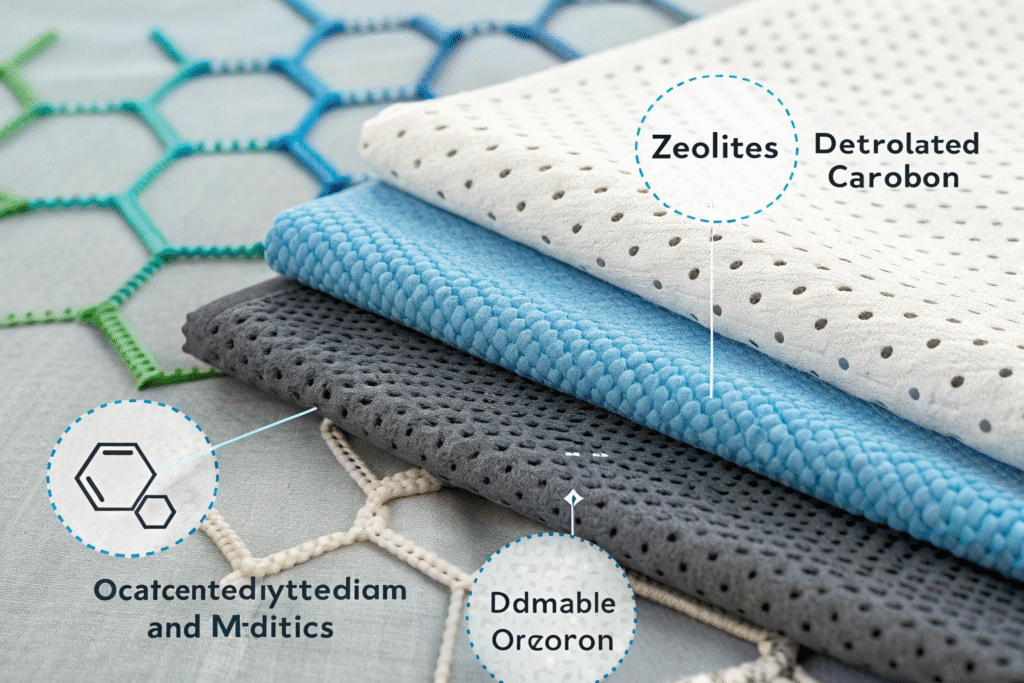
Odor capture technologies work through molecular adsorption rather than antimicrobial action, trapping odor molecules in porous structures within the fabric. Zeolites, activated carbon, and cyclodextrins represent the most durable odor capture solutions, with zeolites particularly noted for their wash resistance. These materials provide physical odor control that doesn’t depend on chemical biocides, making them suitable for consumers preferring non-antimicrobial solutions.
Modern odor capture systems have evolved from simple additives to engineered structures with molecular specificity for common sportswear odor compounds like acetic acid, isovaleric acid, and ammonia. The most advanced formulations target the specific molecular size and polarity of these compounds, creating selective adsorption that maintains capacity through repeated washing and regeneration cycles.
What makes zeolite-based systems wash-resistant?
Zeolite minerals possess rigid crystalline structures with precisely sized pores that trap odor molecules while resisting structural breakdown during washing. The aluminosilicate framework of zeolites maintains integrity through pH variations, mechanical action, and temperature extremes that degrade organic odor control agents. This inherent stability enables zeolite treatments to maintain odor adsorption capacity through 50+ laundry cycles.
Advanced zeolite formulations enhance wash resistance through surface modification and composite structures. Silane-treated zeolites bond more effectively to fiber surfaces, reducing loss during washing, while zeolite-polymer composites create protective matrices that prevent zeolite release. Our testing shows that surface-modified zeolites maintain 80-85% of their original odor adsorption capacity after 30 washes, outperforming most alternative capture technologies.
Zeolite enhancement strategies:
- Surface Cation Exchange: Optimizing molecular selectivity
- Silane Coupling Agents: Improving adhesion to fibers
- Polymer Encapsulation: Creating protective composite structures
- Pore Size Engineering: Targeting specific odor molecules
- Hierarchical Structures: Combining micro and mesopores
- Acid Resistance Treatment: Maintaining performance in detergent environments
How do regenerating technologies work during laundry?
Certain odor capture technologies actually regenerate during the laundry process, using the washing cycle to release captured odor molecules and refresh their adsorption capacity. Zeolites and activated carbon both exhibit this regeneration characteristic, particularly when washed with detergents containing surfactants that help displace adsorbed odor compounds.
The regeneration process typically works best with warm water (30-40°C) and moderate detergent concentrations that help solubilize and remove odor molecules without damaging the capture material. This built-in refresh capability makes these technologies particularly suitable for long-term sportswear applications where consistent odor control across the garment’s lifespan is essential.
Regeneration mechanisms:
- Surfactant Displacement: Detergent molecules replacing odor compounds
- Temperature-activated Release: Heat breaking adsorption bonds
- pH-mediated Regeneration: Alkaline conditions freeing acidic odor molecules
- Mechanical Agitation: Physical dislodging of captured compounds
- Solubilization: Water dissolving and removing odor molecules
- Oxidative Cleaning: Oxygen-based bleaches breaking down odor compounds
What testing standards verify long-term anti-odor performance?
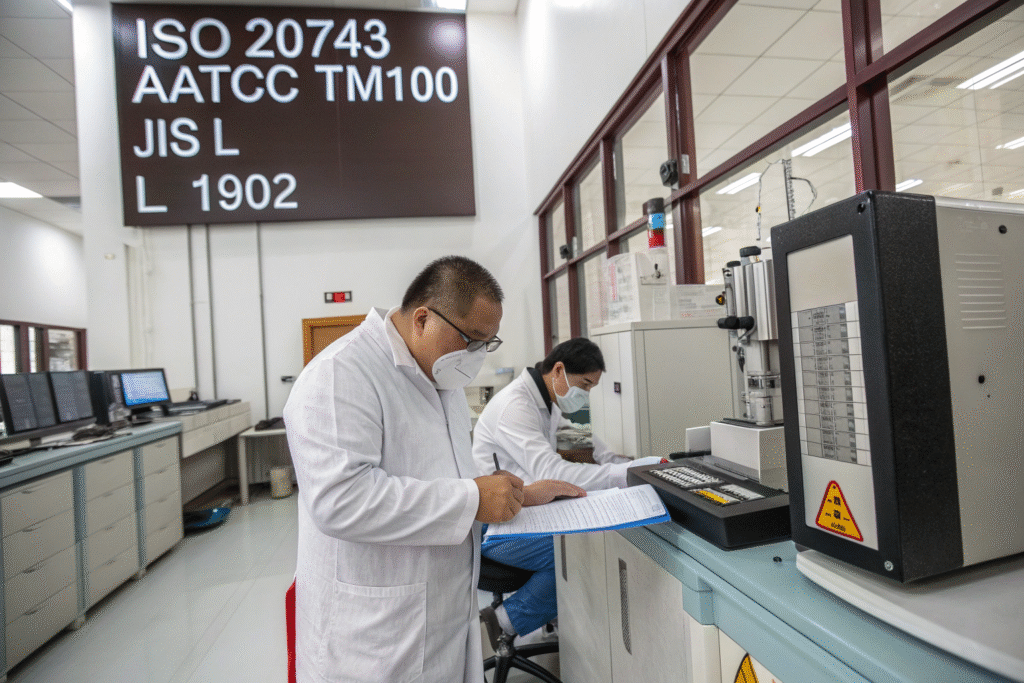
Verifying 30+ cycle anti-odor performance requires standardized testing methodologies that simulate real-world conditions while providing reproducible, quantifiable results. The most widely recognized standards include ISO 20743 for antimicrobial efficacy, AATCC TM100 for quantitative assessment, and JIS L 1902 for specific textile applications. However, these standards typically focus on initial efficacy rather than long-term durability, requiring extended testing protocols.
Our enhanced testing protocol incorporates elements from multiple standards while adding specific durability assessments. The protocol includes pre-conditioning through accelerated laundering, contamination with artificial sweat complex, microbial challenge with mixed cultures, and quantitative analysis using both plate counts and odor compound measurement. This comprehensive approach provides realistic predictions of long-term performance.
How do you test for real-world odor scenarios?
Real-world odor testing moves beyond standardized microbial challenges to incorporate the complex chemistry of human perspiration and skin flora. Our advanced testing uses artificial sweat containing the key odor precursors found in human perspiration—including amino acids, fatty acids, and minerals—inoculated with a mixed bacterial culture representative of human skin microbiome.
The testing protocol involves multiple wear simulation cycles where fabrics are treated with artificial sweat, incubated to allow odor development, then evaluated using both instrumental analysis and human sensory panels. This approach captures the complex interactions between sweat components, bacteria, and fabric treatments that generate the characteristic odors consumers find objectionable in sportswear.
Real-world testing components:
- Artificial Sweat Formulation: Precise replication of human perspiration chemistry
- Mixed Bacterial Culture: Representative skin microbiome including Staphylococcus epidermidis, Corynebacterium, and Micrococcus
- Incubation Conditions: 37°C with humidity matching skin environment
- Multiple Cycle Testing: Repeated contamination and cleaning cycles
- Sensory Evaluation: Trained human panels rating odor intensity and character
- Instrumental Analysis: GC-MS identification of specific odor compounds
What certification programs validate long-term claims?
Several certification programs provide independent validation of long-term anti-odor performance, with the most rigorous requiring demonstrated efficacy through multiple wash cycles. The OEKO-TEX® STANDARD 100 with additional testing for antimicrobial articles provides baseline safety and performance verification, while more specific certifications like the EPA registration for antimicrobial pesticides in the US require extensive durability data.
The most comprehensive validation comes from third-party testing laboratories using published standards with extended wash testing. These independent verifications provide the credibility needed for marketing claims about long-term performance. Our recommendation is to seek validation through internationally recognized laboratories using transparent testing methodologies that include preconditioning through accelerated laundering.
Certification and validation options:
- OEKO-TEX® Antimicrobial Efficacy: Standardized testing with wash durability requirements
- EPA Registration: Required for public health claims in the United States
- ISO 17025 Accredited Testing: Independent laboratory verification
- Bluesign® APPROVED: Comprehensive safety and performance assessment
- USDA BioPreferred: Certification for biobased antimicrobials
- Third-party Verification: Independent testing against brand-specific protocols
Conclusion
Selecting anti-odor treatments that survive 30+ home laundry cycles requires careful evaluation of technology mechanisms, application methods, and independent verification. Silver-based technologies offer proven durability through their self-replenishing action, polymer-based antimicrobials provide permanent protection via covalent bonding, and odor capture systems deliver chemical-free solutions with regenerating capacity. The most effective approach often combines multiple technologies to address different odor mechanisms and ensure consistent performance.
Long-term anti-odor performance depends as much on proper application and fabric compatibility as on the active technology itself. Treatments integrated at the fiber level typically outperform surface applications, while technologies compatible with common laundry practices maintain efficacy longer than those degraded by detergents or heat. Verification through extended testing protocols provides the confidence needed to make durability claims consumers can trust.
If you’re developing sportswear requiring long-lasting odor control, our technical team can recommend solutions validated for 30+ laundry cycles across various fabric types and price points. We maintain comprehensive testing data on multiple anti-odor technologies and their performance under real-world conditions. Contact our Business Director, Elaine, at elaine@fumaoclothing.com to discuss your specific anti-odor requirements.