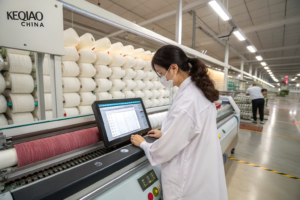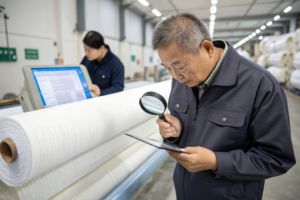
Finding certified OEKO-TEX fabrics quickly can be challenging, especially when suppliers fail to meet certification standards or delivery timelines. Imagine sourcing OEKO-TEX certified fabrics reliably, with confidence that shipments will arrive promptly, ensuring seamless production schedules. Where can you consistently find certified OEKO-TEX fabrics with fast international shipping?
To source certified OEKO-TEX fabrics with fast shipping, choose suppliers in textile hubs like Keqiao, China, known for extensive fabric offerings, stringent certifications, and efficient logistics. Companies like Fumao Fabric combine OEKO-TEX certified quality assurance with advanced logistics capabilities, providing rapid international shipping, real-time inventory tracking, and transparent certification verification—ideal for global fabric sourcing.
Below, I'll guide you through understanding OEKO-TEX certifications clearly, verifying authenticity, and sourcing certified fabrics rapidly from reliable suppliers.
What is the controversy with OEKO-TEX?
Sourcing OEKO-TEX fabrics without understanding potential controversies could affect brand credibility. Imagine confidently explaining OEKO-TEX certifications to customers, fully understanding any associated concerns. What controversy surrounds OEKO-TEX?
The primary controversy around OEKO-TEX involves misconceptions about what the certification covers. OEKO-TEX certifies fabrics as free from harmful chemicals and safe for human use, but it does not automatically guarantee overall environmental sustainability or ethical production practices. Critics argue that consumers mistakenly interpret the certification as an indication of broader sustainability rather than its specific chemical safety focus.
Is OEKO-TEX an environmental sustainability[^1] certification?
OEKO-TEX Standard 100[^2] specifically certifies textiles as free from harmful substances, ensuring human safety. It does not certify environmental sustainability factors like resource use, energy efficiency, or biodegradability. Misinterpretations have led some consumers to mistakenly equate OEKO-TEX certification with broader environmental sustainability, prompting controversy around clarity in consumer communication.
How can brands clarify OEKO-TEX meaning effectively?
Brands should clearly communicate the scope of OEKO-TEX certifications, emphasizing chemical safety[^3] rather than overall sustainability. Providing transparent information alongside OEKO-TEX labeling helps set accurate customer expectations and mitigates controversy. At Fumao Fabric, we transparently explain certifications, ensuring clear communication and informed consumer choices.
[^1]: Exploring the key factors of environmental sustainability in textiles will help you understand the broader implications beyond certifications like OEKO-TEX.
[^2]: Understanding OEKO-TEX Standard 100 is crucial for consumers who want to ensure their textiles are safe from harmful substances. Explore this link for detailed insights.
[^3]: Chemical safety is a vital aspect of textile certifications. Learn more about its importance and how it impacts consumer health and safety.
What country is OEKO-TEX from?
Misunderstanding certification origins might affect your sourcing decisions. Imagine confidently selecting certified fabrics, clearly understanding certification authority and credibility. Where exactly did OEKO-TEX originate?
OEKO-TEX originated in Switzerland and was established by the International Association for Research and Testing in Textile and Leather Ecology, headquartered in Zurich. Created in 1992, OEKO-TEX is internationally recognized, establishing standardized testing for harmful substances in textiles to ensure product safety and compliance globally.

Why is OEKO-TEX[^4] widely recognized internationally?
OEKO-TEX gained international recognition due to its rigorous testing standards, reliable certification processes, and clear criteria for textile safety[^5]. Its global network of accredited laboratories ensures consistent, trustworthy evaluations, building credibility among manufacturers, brands, and consumers worldwide.
How does OEKO-TEX maintain consistent certification standards[^6] globally?
OEKO-TEX maintains consistent global standards by utilizing standardized testing procedures across accredited laboratories worldwide. Strict guidelines and uniform testing methods ensure consistent application of standards, enabling suppliers like Fumao Fabric to confidently certify textiles, offering international buyers reliable, universally recognized certifications.
[^4]: Exploring this link will provide you with a comprehensive understanding of OEKO-TEX's significance in ensuring textile safety and quality.
[^5]: Discovering best practices for textile safety can enhance your knowledge and help you make informed choices in textile purchasing.
[^6]: This resource will help you understand the importance of certification standards in the textile industry and how they impact safety and quality.
How do you know if something is OEKO-TEX certified?
Uncertainty about certification authenticity can undermine trust and compliance. Imagine quickly and confidently verifying OEKO-TEX certification authenticity every time. How can you easily confirm a product's OEKO-TEX certification status?
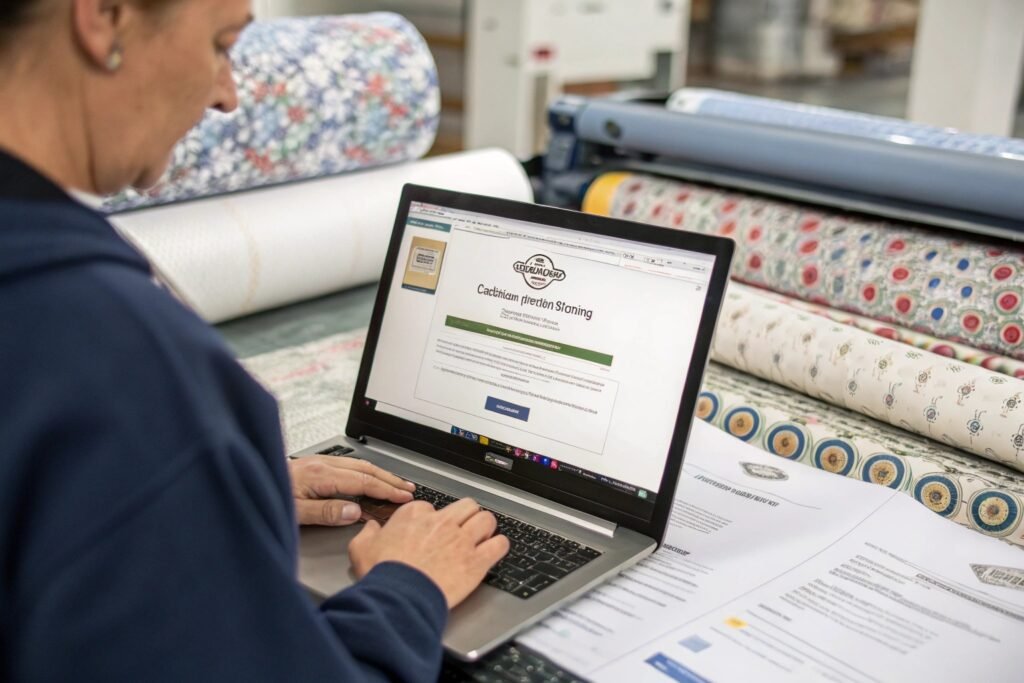
You can verify OEKO-TEX certification authenticity using the official OEKO-TEX online verification tool, entering the provided certificate number or supplier details. Genuine OEKO-TEX certified products include clear labeling, a unique certificate number, and supplier transparency. Reliable suppliers like Fumao Fabric readily provide verifiable certificate details for instant online confirmation, ensuring complete certification confidence.
What information should genuine OEKO-TEX certification[^7] include?
Genuine OEKO-TEX certificates must display the OEKO-TEX logo[^8], certificate number, validity date, testing institute details, product classification, and scope of certification. Reliable manufacturers always provide clear documentation and encourage online verification, guaranteeing authenticity and transparency.
| Certification Detail | Purpose | Importance |
|---|---|---|
| OEKO-TEX Logo | Official recognition | Confirms legitimacy |
| Unique Certificate Number | Verification reference | Ensures traceability |
| Validity Date | Current certification status | Confirms up-to-date status |
| Testing Institute Name | Accredited certification authority | Guarantees authenticity |
How does online OEKO-TEX verification[^9] work?
Online OEKO-TEX verification involves entering the certification number on the official OEKO-TEX website, instantly confirming validity, product scope, and certification status. This simple step ensures quick, reliable confirmation, providing instant assurance for buyers and compliance officers.
[^7]: Understanding OEKO-TEX certification helps ensure product safety and sustainability, making it essential for informed purchasing decisions.
[^8]: Learning about the OEKO-TEX logo can help you identify safe textiles, ensuring your purchases are environmentally friendly and non-toxic.
[^9]: Exploring online verification methods enhances trust in product certifications, ensuring you make safe and responsible choices.
What does OEKO-TEX 100% certified mean?
Misunderstanding "OEKO-TEX 100% certified" can mislead sourcing decisions. Imagine confidently understanding exactly what "OEKO-TEX 100% certified" guarantees. What precisely does this certification mean?
"OEKO-TEX 100% certified" refers specifically to OEKO-TEX Standard 100 certification, confirming that textiles are tested thoroughly and found completely free from harmful substances known to affect human health. It ensures every component, from threads and buttons to dyes and treatments, complies fully with OEKO-TEX’s rigorous chemical safety criteria, but does not imply broader environmental or ethical standards.
Does OEKO-TEX Standard 100 certification[^10] cover all textile components?
Yes, OEKO-TEX Standard 100 certification evaluates and covers all textile components, including fibers, dyes, prints, buttons, zippers, and coatings. Rigorous testing ensures comprehensive chemical safety across every part of the certified product, providing complete assurance of human safety and compliance with international safety standards.
What does OEKO-TEX certification not include?
OEKO-TEX Standard 100 certification specifically focuses on chemical safety and does not include broader sustainability aspects like ethical production, resource conservation, or biodegradability. Buyers seeking comprehensive sustainability certifications[^11] must look beyond OEKO-TEX Standard 100 and consider complementary certifications such as GOTS (Global Organic Textile Standard)[^12] or Fair Trade certifications.
[^10]: Explore this link to understand the full scope of OEKO-TEX Standard 100 certification and its importance in textile safety.
[^11]: Discover various sustainability certifications that complement OEKO-TEX, enhancing your knowledge of ethical textile production.
[^12]: Learn about GOTS certification to see how it addresses sustainability in textiles, providing a broader perspective on eco-friendly practices.
Conclusion
Sourcing certified OEKO-TEX fabrics with fast shipping requires clear certification understanding, reliable verification, and efficient logistics. Choosing trusted suppliers like Fumao Fabric ensures verified certifications, clear communication, and rapid shipping, simplifying global fabric sourcing and guaranteeing compliance with international textile safety standards.