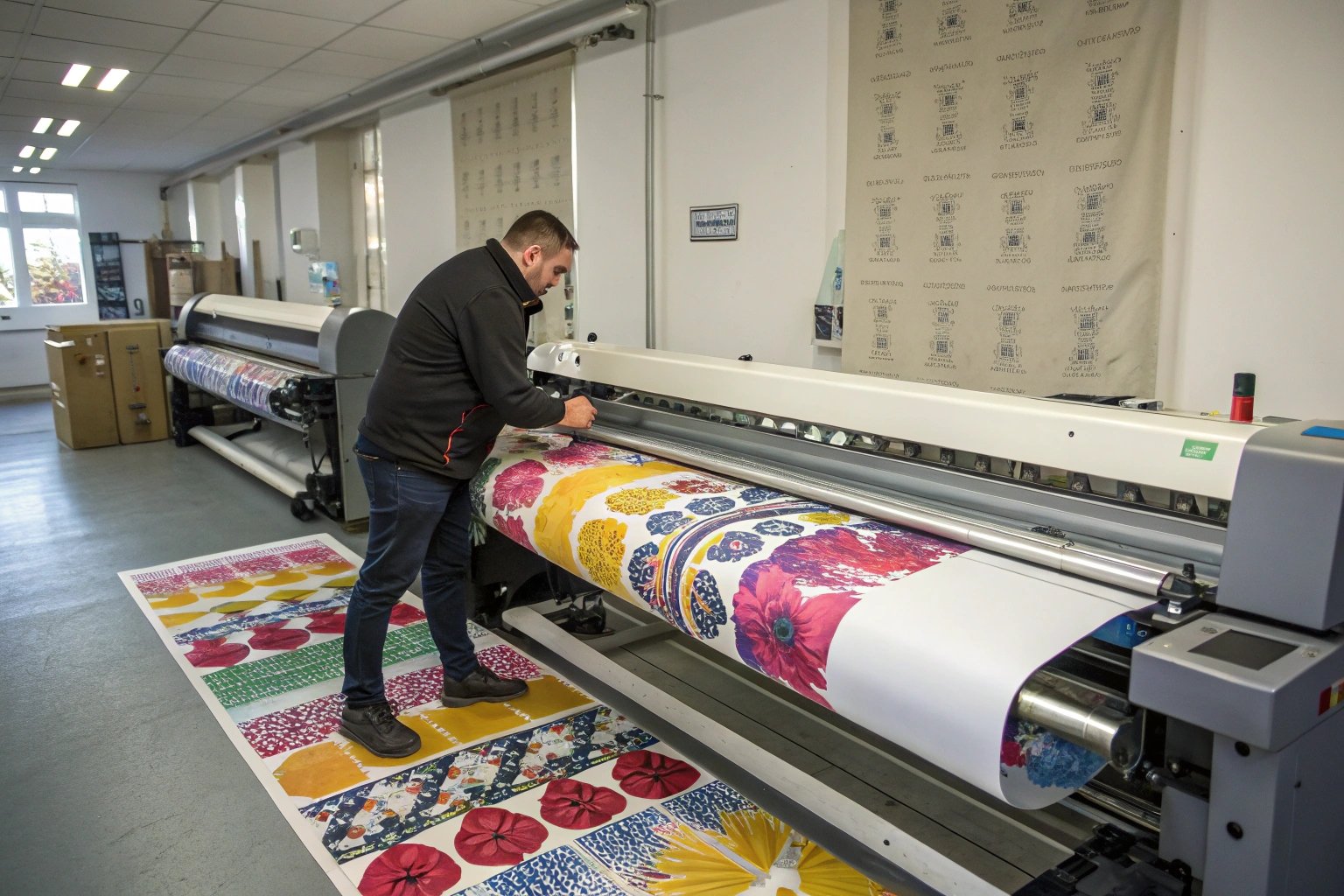
You’ve got a design idea, but not enough volume to meet typical printing minimums. You’re stuck—until now. New digital printing tech makes it possible to order custom fabrics in small quantities, with zero MOQs.
Small-batch custom fabric printing without MOQs is available through modern digital textile manufacturers. These suppliers offer flexible production, often starting from 1 meter, with options for full-color, high-resolution prints on various base fabrics.
This is perfect for fashion startups, Etsy sellers, or capsule collections. Here's how and where to source it.
Best Suppliers Offering No MOQ Fabric Printing.
If you’re looking for no-MOQ printing, most traditional factories won’t help. So where do you turn?
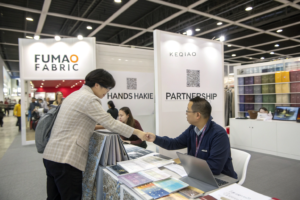
The best suppliers for zero-MOQ fabric printing are digital textile factories with reactive, pigment, or sublimation systems. Fumao Fabric offers full-color custom prints starting at just 1 meter with certified eco inks and fast delivery.
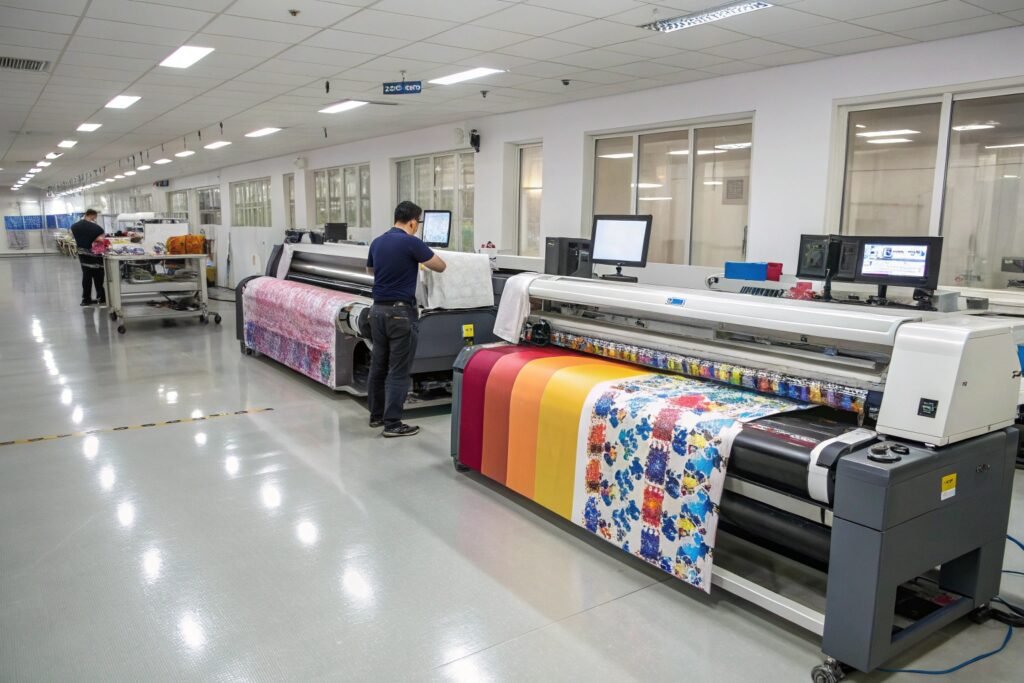
Who are the top small-quantity fabric printers?
| Supplier Name | MOQ | Technology | Shipping Regions |
|---|---|---|---|
| Fumao Fabric | 1 meter | Reactive & Pigment | Global |
| Contrado (UK) | 1 meter | Dye-sub, Pigment | Europe, USA |
| Spoonflower (USA) | 1 yard | Pigment | USA |
| China-based printers | Varies (5m–10m) | Rotary or digital | Depends on setup |
At Fumao, we use a combination of pigment and reactive printing for cotton, viscose, Tencel™, and polyester blends. We’ve helped indie designers in L.A. and boutique brands in Berlin bring small runs to life.
What makes a supplier “no MOQ” in reality?
- Accepts orders starting at 1–5 meters
- No setup fee or plate charge
- Accepts digital files in .jpg, .png, .ai formats
- Quick turnaround (usually 3–7 days for sample)
We encourage clients to test 1–3 meters before placing bulk orders. This gives them flexibility without sacrificing color or quality.
How to Source Custom Printed Fabrics in Small Quantities?
Big factories ignore small orders. But digital printers love them. So how do you source them properly?
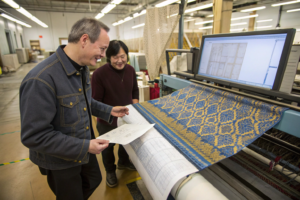
To source custom printed fabrics in small quantities, find digital printing specialists that support low-volume production. Prepare seamless design files, choose the right base fabric, and confirm color output with a strike-off.
Where do you start?
- Prepare a high-res design file (300 dpi or vector)
- Choose a fabric base (e.g. cotton poplin, rayon challis, poly chiffon)
- Upload your file to the supplier’s print tool or send by email
- Approve a digital or physical strike-off
- Confirm quantity, shipping, and labeling
Fumao provides a digital print preview before production. This helps our clients reduce reprints and speeds up launch timelines.
Tips for designers working with small print runs:
- Keep your pattern seamless to avoid mismatched repeats
- Select fabrics that work with your market (e.g., OEKO-TEX for babywear)
- Ask about color variation tolerances (especially for pigment prints)
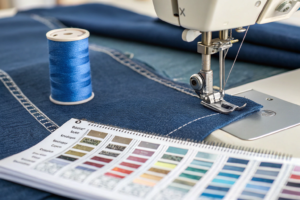
- Order a swatch card with printed results on different base fabrics
We’ve helped many U.S. Etsy sellers and first-time apparel brands print 10 meters at a time—quickly, affordably, and with export-friendly packing.
Benefits of Small-Batch Digital Fabric Printing.
Small batch sounds expensive. But in many ways, it’s more efficient. Why are so many brands switching?
Small-batch digital printing offers fast turnaround, low setup cost, zero waste, and design flexibility. It’s ideal for custom fashion, limited collections, and testing new designs without heavy investment.

Why brands love this model:
- No stock commitment: Order exactly what you need
- Unlimited color freedom: Full CMYK+ color range
- Fast sampling: Ready in 3–5 days
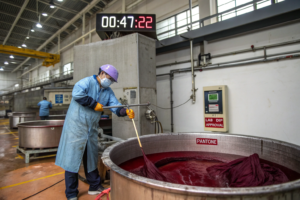
- Eco-conscious: Low water use, certified non-toxic inks
We’ve worked with brands launching their first 10-print capsule collection and helped them scale from 30 meters to 3,000 without changing their fabric base.
How does it compare to traditional printing?
| Factor | Digital Printing | Traditional Rotary Screen |
|---|---|---|
| MOQ | 1–10 meters | 1,000+ meters |
| Setup Cost | None | High (screen fees) |
| Color Limit | Unlimited | 6–12 max |
| Speed | 3–7 days | 15–30 days |
| Customization | Easy | Hard |
Small batch lets you test, adjust, and launch faster—especially helpful for seasonal or social-driven trends.
Which Fabric Types Are Suitable for Small Print Runs?
Not all fabrics are created equal when it comes to low-MOQ printing. Some work better than others for digital systems.
The best fabrics for small-batch printing are cotton, rayon, linen, Tencel™, bamboo, and polyester. Their weave, fiber composition, and color-fastness make them ideal for short digital print runs.

What fabrics do we recommend?
| Fabric Type | Best Print Tech | Use Case Examples |
|---|---|---|
| Cotton Poplin | Pigment/Reactive | Shirts, dresses, kidswear |
| Rayon Challis | Reactive | Blouses, flowy tops |
| Tencel Twill | Reactive | Sustainable basics, casuals |
| Linen Blend | Pigment | Home decor, resortwear |
| Poly Chiffon | Sublimation | Scarves, partywear |
At Fumao, we maintain stock rolls of these fabrics for instant printing. This helps clients avoid sourcing delays and get faster deliveries.
What about tricky fabrics?
- Nylon: harder to print; avoid in small runs
- Spandex blends: may need pretreatment
- Velvet: not ideal unless pigment print-compatible
We guide each client through fabric choice depending on their end-use. For example, an Atlanta-based brand we serve needed OEKO-TEX cotton with reactive dyes for baby wraps. We printed 25 meters within 4 days.
Conclusion
Small-batch fabric printing with no MOQ is now possible thanks to digital tech. Whether you're testing your first design or launching a limited edition collection, we’re here to help. At Fumao, we make custom printing simple, fast, and scalable.