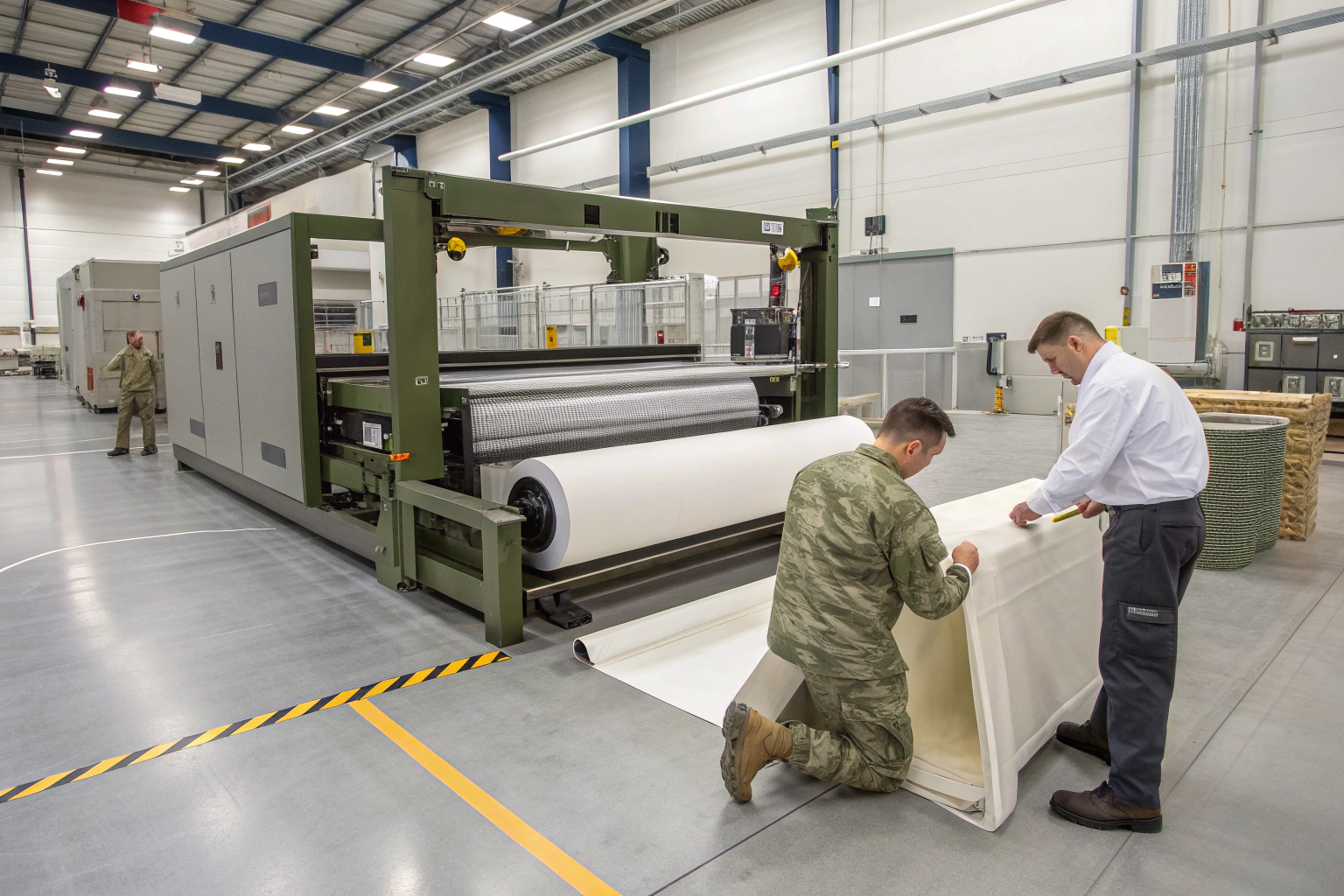
When buyers or defense contractors search for ballistic fabrics, one of the most common standards they encounter is MIL-STD-662F. This U.S. military standard is widely referenced in procurement documents for protective gear, armor panels, and defense textiles. Many purchasing managers face the same challenge: countless suppliers claim “ballistic fabrics,” but only a few can actually provide verified V50 test results under MIL-STD-662F. Without these results, projects can stall, schedules extend, and costs increase.
The good news is that there are clear and reliable paths to sourcing authentic V50-tested fabrics. By focusing on certified testing labs, experienced manufacturers, and proper documentation, buyers can secure materials that meet international ballistic requirements.
At Fumao Fabric, as a trusted supplier in the global textile chain, I often guide clients through certification requirements like MIL-STD-662F. In this article, I will explain how V50 testing works, which suppliers and labs can provide verified fabrics, and how to confirm the authenticity of test certificates before committing to production.
How Is MIL-STD-662F V50 Testing Conducted?
When discussing MIL-STD-662F, it is important to first understand what the standard measures and how the testing is performed. Many buyers think of V50 as a single certificate, but in reality it is a scientific process carried out under controlled ballistic conditions.
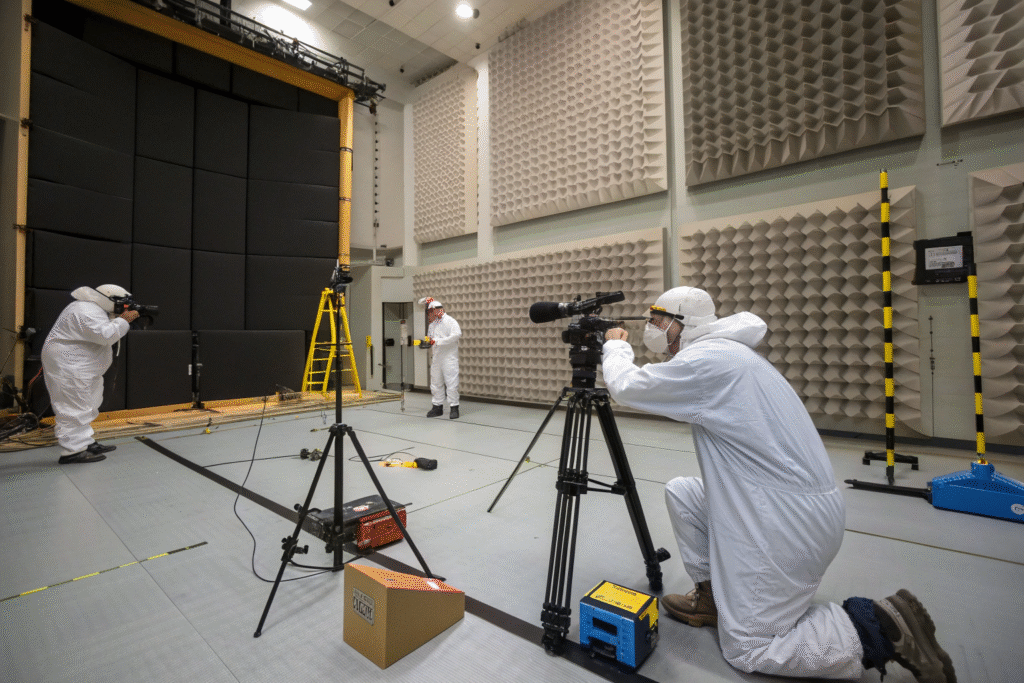
MIL-STD-662F defines the method of determining the ballistic limit (V50) of armor materials. The V50 value is the velocity at which a fabric sample has a 50% probability of being penetrated by a projectile. This value allows procurement officers to compare different fabrics fairly.
Because this process requires multiple shots at varying velocities, ballistic laboratories record each penetration and stop. Then, after enough data points are collected, the final statistical V50 value is calculated.
What does V50 really measure?
V50 measures the baseline performance of a protective fabric. For example, a material may reach V50 = 650 m/s against a .22 caliber fragment simulating projectile (FSP). Higher-end armor fabrics often achieve values above 700 m/s. Reliable labs such as EUROLAB carry out these tests under strict conditions, ensuring accurate results.
Why does certification matter in procurement?
Because defense tenders and safety regulations require proof, V50 reports ensure compliance and reduce liability risks. For example, U.S. NIJ-certified armor or NATO contracts often require V50 testing as part of evaluation. Without official test results, suppliers’ claims are just marketing, and projects face rejection during inspection.
Which Suppliers Offer V50 Tested Fabrics?
After understanding how V50 is tested, the next step is to identify suppliers that already provide certified fabrics. This is often the most direct path for buyers who want immediate procurement.
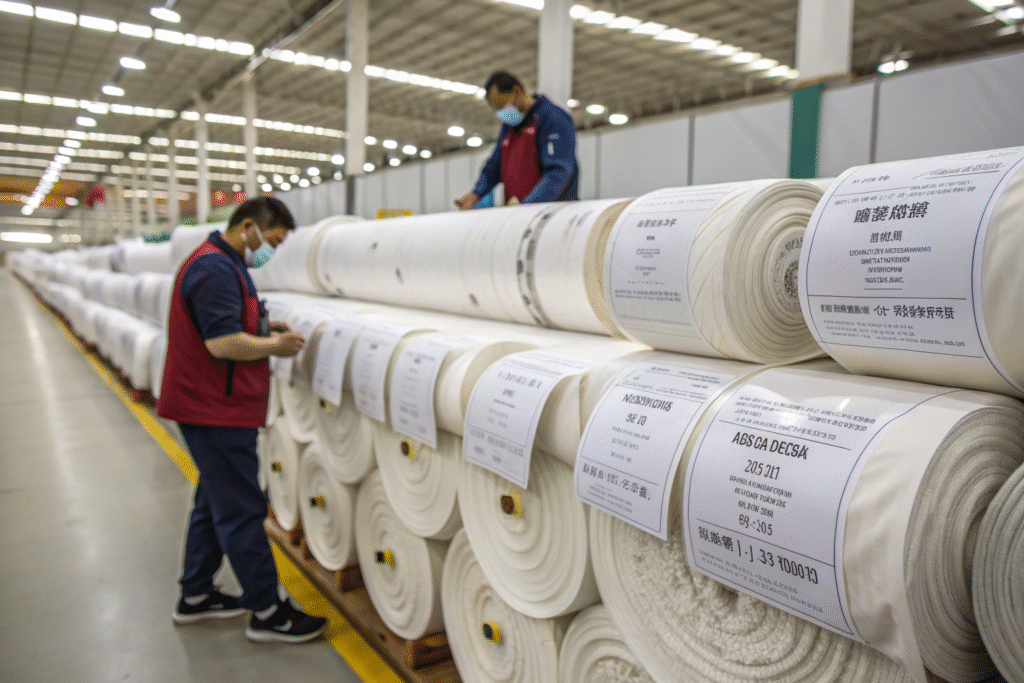
Specialized suppliers like Antaifuyuan Technology include MIL-STD-662F test results in their catalogs. Other well-established textile mills in China, Korea, and the United States often publish V50 values within their datasheets. This makes verification easier and speeds up procurement.
Can international buyers purchase directly?
Yes, international buyers can purchase fabrics with attached V50 reports. For instance, Antaifuyuan’s catalog lists fabrics tested at 650–660 m/s. Similarly, global distributors of DuPont Kevlar and Teijin Twaron offer certified products. Buyers should always request both test certificates and production lot numbers to confirm traceability.
What risks exist with uncertified sellers?
Because some sellers claim “MIL-STD-662F compliant” without conducting tests, risks are high. To avoid issues, buyers should demand the lab name, testing date, and specific V50 value. If a supplier hesitates or provides incomplete details, the product may not be reliable.
Where Can Testing Be Done If Fabrics Are Not Pre-Certified?
Sometimes buyers already have fabrics in hand but need independent validation. In these cases, accredited ballistic laboratories are the logical choice.
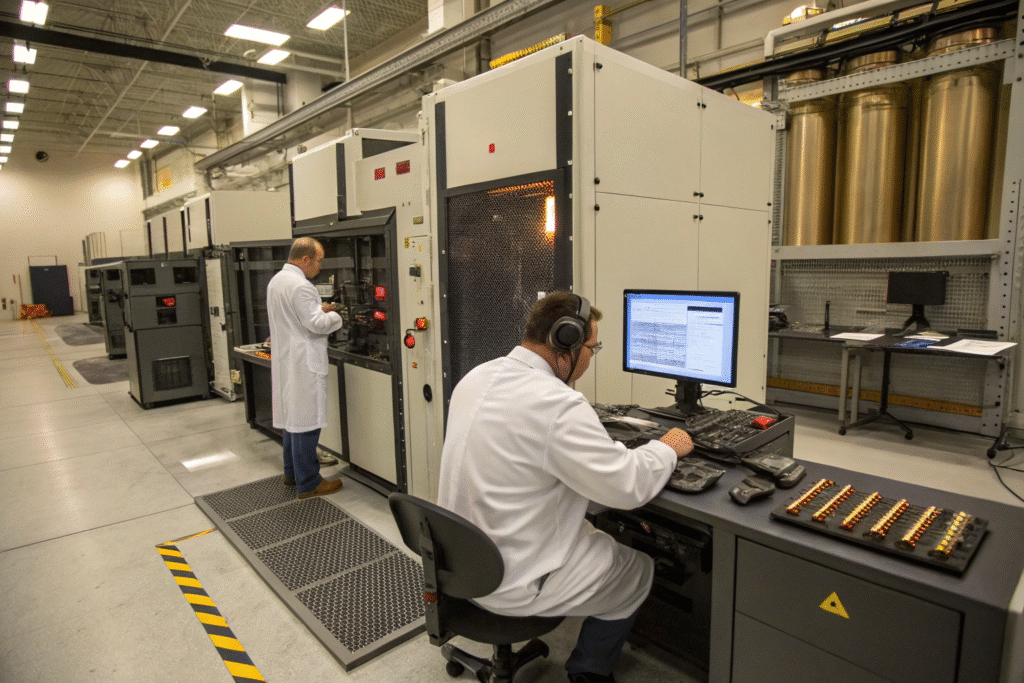
Laboratories in the U.S., Europe, and Asia all provide MIL-STD-662F testing services. By sending fabric samples to these labs, buyers can obtain certified V50 reports that meet international procurement standards.
Which labs are recognized worldwide?
Well-known labs include H.P. White Laboratory in the U.S. and TNO Defence in Europe. Both are trusted for military and law enforcement contracts. In Asia, CNAS-certified centers in China also deliver globally recognized reports.
How long does testing usually take?
Typically, V50 testing requires 2–4 weeks, depending on scheduling and sample volume. Costs generally range between $3,000–$7,000 per series of tests. For large-scale orders, suppliers sometimes share or fully cover these testing costs to support long-term clients.
How to Verify Authenticity of V50 Test Certificates?
Finally, even after receiving a report, buyers must know how to confirm its authenticity. This ensures that procurement decisions are based on accurate and reliable data.

A genuine MIL-STD-662F report should include projectile type, number of shots, velocity data, penetration outcomes, and the final V50 value. It must also be signed by the laboratory and dated.
What details should a buyer check?
Key elements include:
- Lab accreditation number (for example CNAS or ISO/IEC 17025)
- Projectile caliber and grain weight
- Environmental conditions during testing
- Batch or roll number of the tested fabric
Global certification providers such as SGS and ITS are widely accepted in international trade. If any of these details are missing, the report may be incomplete or unreliable.
Can technology improve verification?
Yes. Many modern labs now add QR codes to certificates. By scanning these codes, buyers can instantly confirm results in official databases. This reduces the risk of counterfeit documents and builds stronger trust between supplier and client.
Conclusion
Sourcing MIL-STD-662F ballistic tested V50 fabrics requires both technical understanding and careful supplier selection. First, buyers must know how the V50 process works. Next, they should identify trusted suppliers or conduct independent testing through accredited labs. Finally, they need to verify test reports to ensure authenticity. By following these steps in order, procurement becomes efficient, compliant, and secure.
At Fumao Fabric, we work closely with global clients to simplify this process. Whether you need fabrics that are already V50 tested or you want to send your own samples for certification, we can support you with end-to-end services. If you are ready to secure reliable ballistic fabrics, please contact our Business Director Elaine at elaine@fumaoclothing.com and begin your project with confidence.