For many global buyers, sourcing heavy-duty rainproof textiles is a stressful process. The problems come from unclear certifications, uneven quality, and a lack of transparency. Customers in the United States and Europe need fabrics that survive harsh storms while still meeting official safety requirements. Too often, time and money are wasted when suppliers cannot deliver the promised standards.
Fortunately, EN 343 Class 3 fabrics are available and easy to verify if you know where to look. This certification proves the material has the highest waterproof and breathability levels for protective clothing. With the right textile partners, buyers can secure performance and compliance in one step.
This article explains why EN 343 Class 3 is reliable, which suppliers provide certified fabrics, how to confirm reports, and how logistics can affect global sourcing.
What Makes EN 343 Class 3 Fabrics Reliable?
EN 343 Class 3 materials resist water penetration at levels above 13,000 Pa while keeping breathability high. This dual standard ensures comfort and protection in extreme weather. It is why the rating is trusted worldwide for rainwear.
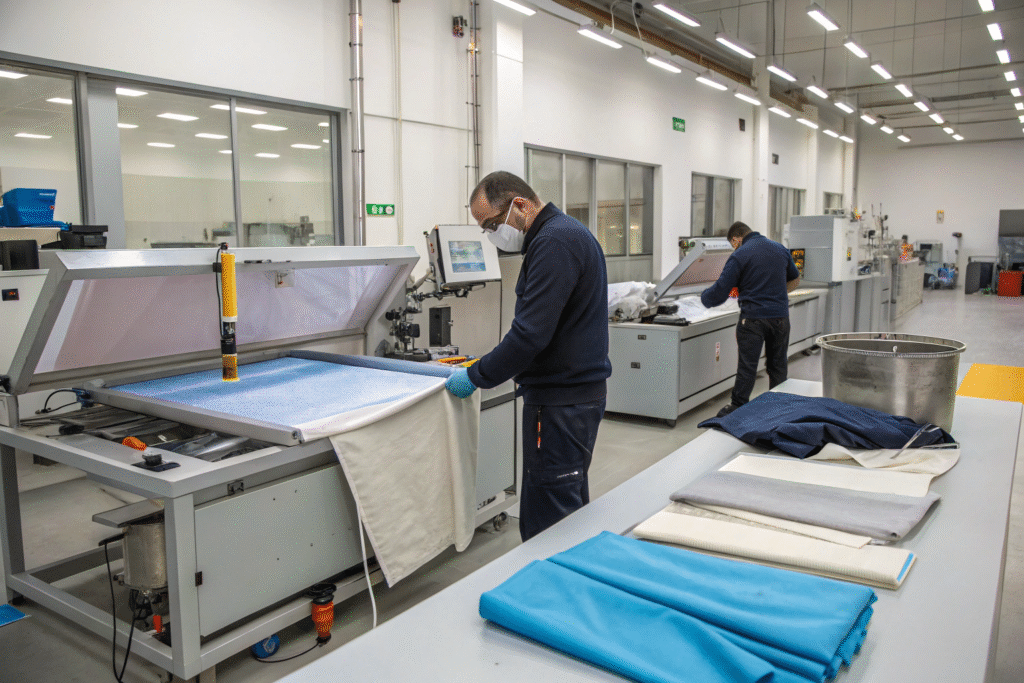
Fabrics without valid testing often fail during production. Buyers need official reports, certification numbers, and lab data to avoid hidden risks. A reliable supplier provides proof before bulk orders.
Why Do Certifications Matter for Buyers?
For brands selling in Europe or the United States, EN 343 is not optional—it is mandatory. Customers expect quality, and regulators require it. Reports from SGS and Intertek provide trusted verification, making the fabric legally compliant.
How Does Class 3 Differ From Lower Ratings?
Lower levels such as Class 1 or 2 can only block light rain. Skanwear shows how Class 3 outperforms them, ensuring consistent resistance and comfort even during storms.
How to Verify EN 343 Certification Before Purchase?
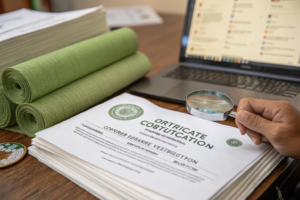
Checking authenticity saves buyers from costly mistakes. Many sellers present outdated or altered reports. Smart procurement teams always cross-check reports with accredited labs.
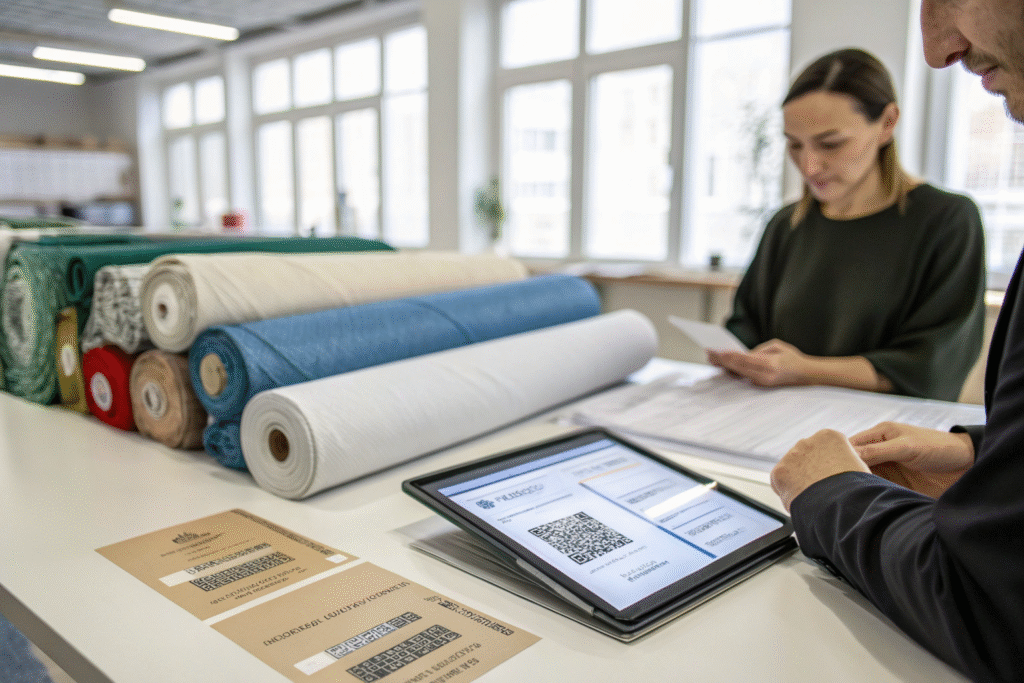
Trusted partners issue QR-coded reports that link directly to laboratories. This eliminates confusion and proves the results belong to the specific batch.
How Can Buyers Confirm Test Results?
Independent labs like SGS or ITS Intertek confirm EN 343 results. Buyers can directly call the issuing lab to verify the data, which removes doubts about authenticity.
What Are Common Red Flags in Certification?
If certificates have expired, batch numbers are missing, or labs sound suspicious, the supplier is not reliable. Independent guides from Textile Exchange warn buyers to check every detail before paying deposits.
Who Supplies EN 343 Class 3 Certified Fabrics?
Both Asia and Europe have reliable certified suppliers. The key is choosing between direct manufacturers or regional distributors, depending on price and delivery speed.
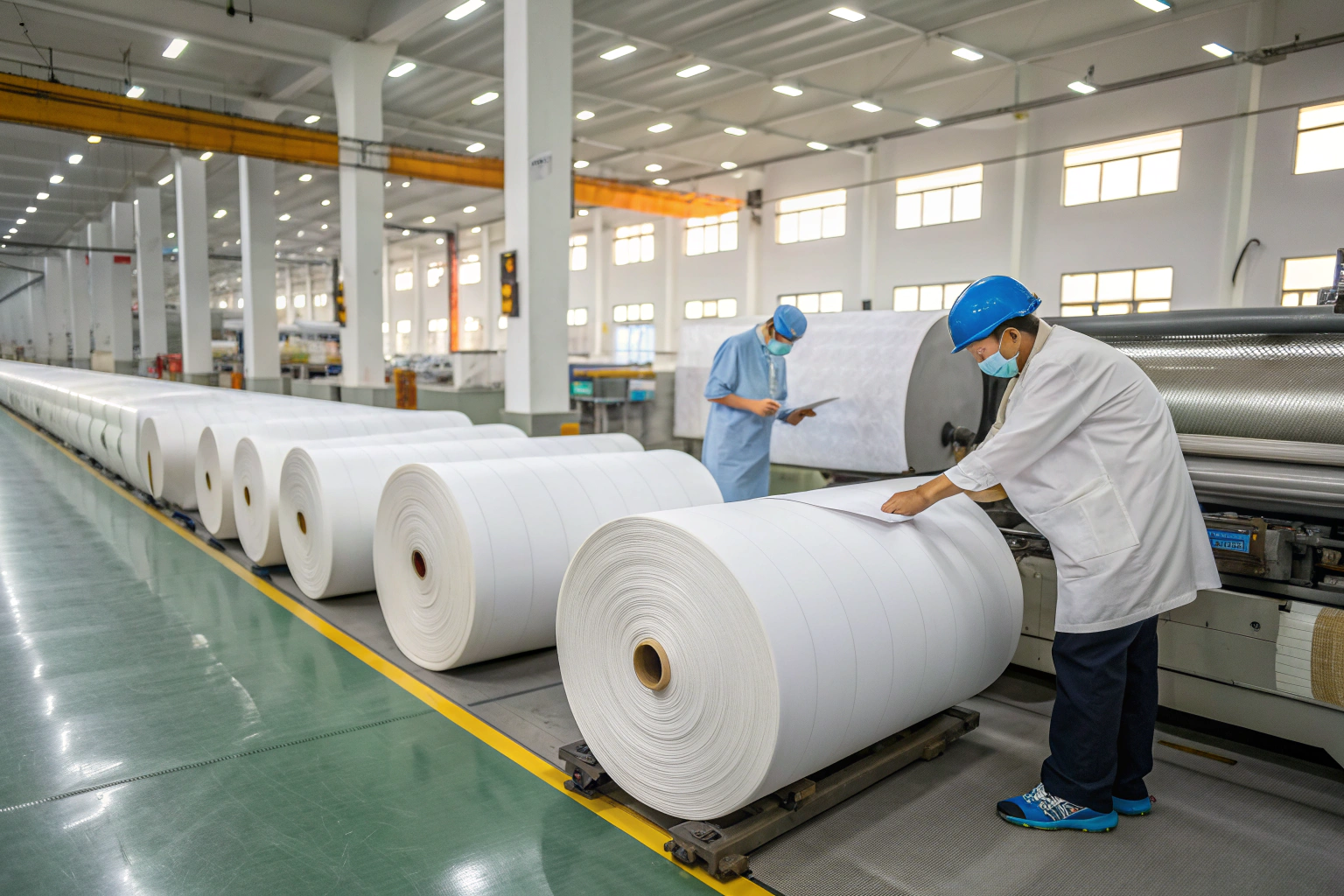
Chinese exporters are especially strong in this field. They provide both certified fabrics and finished rainwear, backed by accredited testing facilities. European distributors focus on smaller, faster orders but at higher prices.
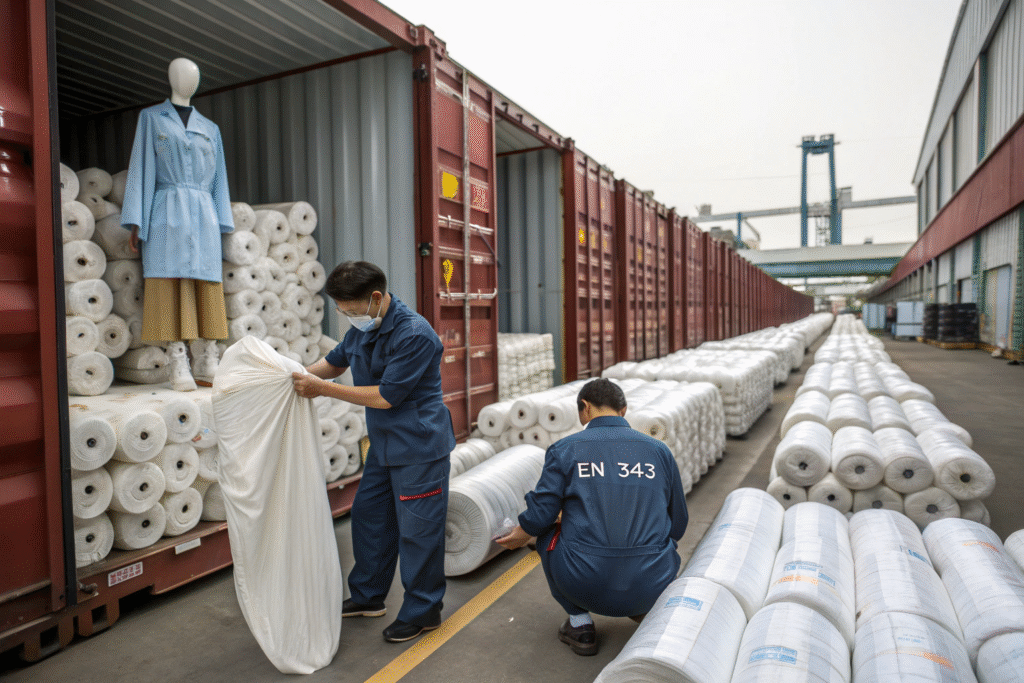
Direct sourcing cuts cost, while distributors reduce risk and offer convenience. Buyers must decide which balance fits their supply chain.
Which Asian Suppliers Are Most Reliable?
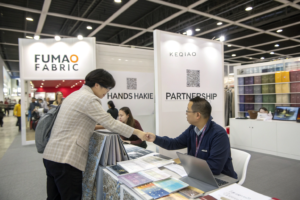
Companies such as Baymro Safety and Fumao Fabric offer fast samples and EN 343 Class 3 fabrics. With CNAS-accredited labs, they verify performance before shipping.
What About European Technical Textile Brands?
Groups like Marina Textil and Fortdress Group sell pre-certified fabrics. These are more expensive but convenient for buyers needing local delivery.
What Logistics Options Exist for EN 343 Fabrics?
Even with certification, logistics can break a deal. Buyers fear customs delays, tariffs, and rising freight costs. Good suppliers provide strong logistics solutions that cover all transport methods.
Multimodal shipping—by sea, air, or rail—helps reduce risks. With bonded warehouses and customs clearance services, certified fabrics move quickly and cost-effectively.
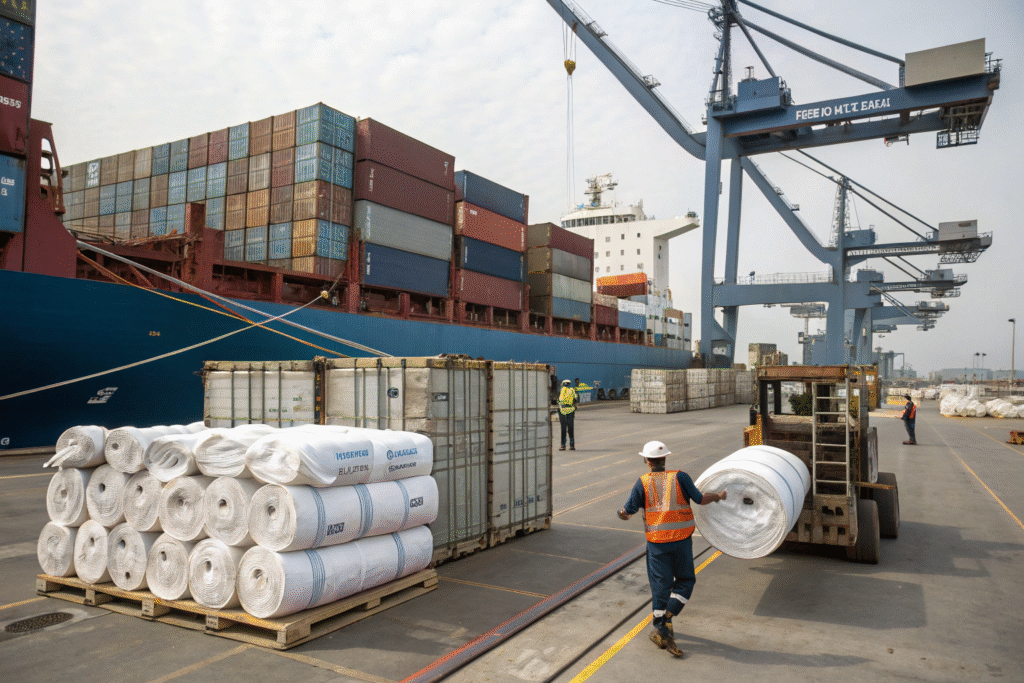
Suppliers that maintain export resilience guarantee smoother supply chains for U.S. and European customers, even during trade disruptions.
How Do Suppliers Handle Tariffs and Trade Risks?
Chinese exporters often rely on Belt and Road initiatives for customs support. For example, Fumao Fabric uses bonded hubs to manage tariffs, reducing client costs and preventing trade disruptions.
What Delivery Timelines Can Buyers Expect?
Sample development may take as little as 48 hours, and bulk delivery can be arranged within weeks. Data from Alibaba shows that Asian suppliers usually meet global deadlines, while European distributors trade speed for higher costs.
Conclusion
EN 343 Class 3 certified fabrics represent the best choice for producing reliable, compliant rainwear. Buyers should focus on certification reports, supplier credibility, and shipping solutions. Asia and Europe both have strong supply options, but direct sourcing from China often offers the best combination of price, quality, and logistics.
For companies ready to secure certified fabrics, Shanghai Fumao provides a full-service solution. From weaving to certification and delivery, we support global customers with proven expertise. Contact our Business Director, Elaine, at elaine@fumaoclothing.com, to begin developing your own EN 343 Class 3 fabric collection.