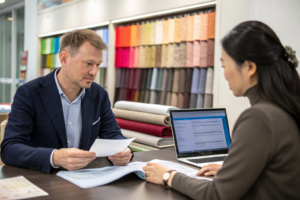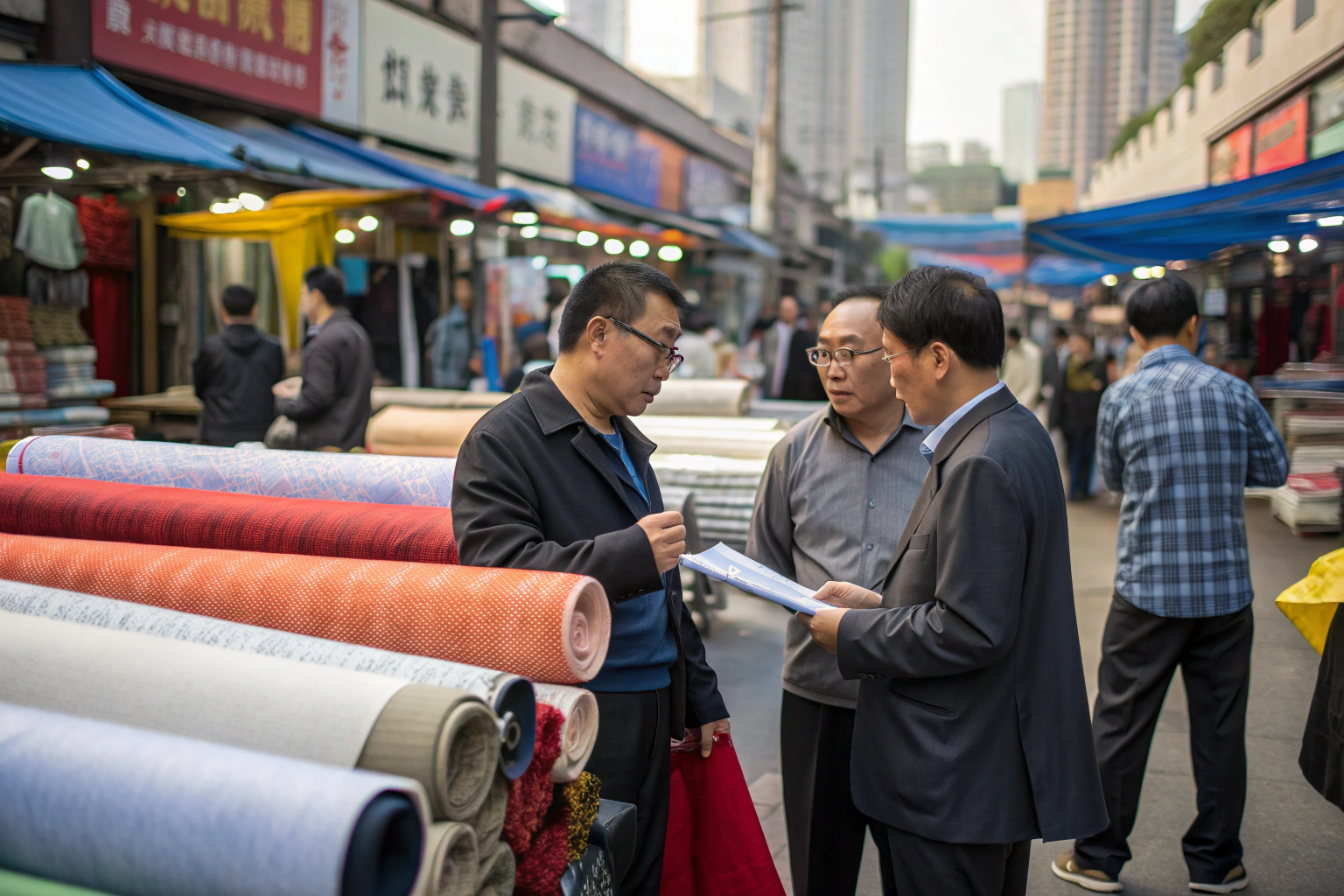
Finding the right wholesale fabric supplier can be confusing, especially when you want both quality and competitive pricing. Many buyers waste months testing unreliable partners, losing money, and missing deadlines. In today’s fast-moving fashion industry, this can be devastating.
Yes, it is possible to buy high-quality wholesale fabric from China without risks. The key is to understand how to choose suppliers with strong production capacity, strict quality control, and proven export experience.
I have been in this industry for more than 20 years, and I know how buyers can quickly spot reliable factories from the crowd. In this article, I will share my experience and strategies to help you find the right partner in China for your wholesale fabric needs.
How to Identify Reliable Fabric Suppliers in China?
When buyers look for fabric suppliers in China, the biggest challenge is trust. Some suppliers offer low prices but deliver poor-quality fabrics that cannot pass international tests. Others delay shipments, which destroys your production schedule.
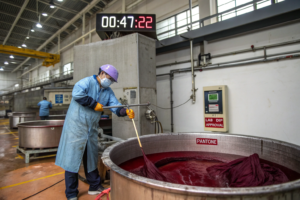
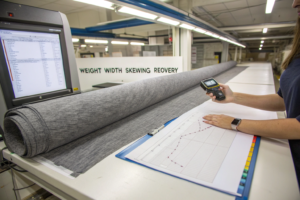
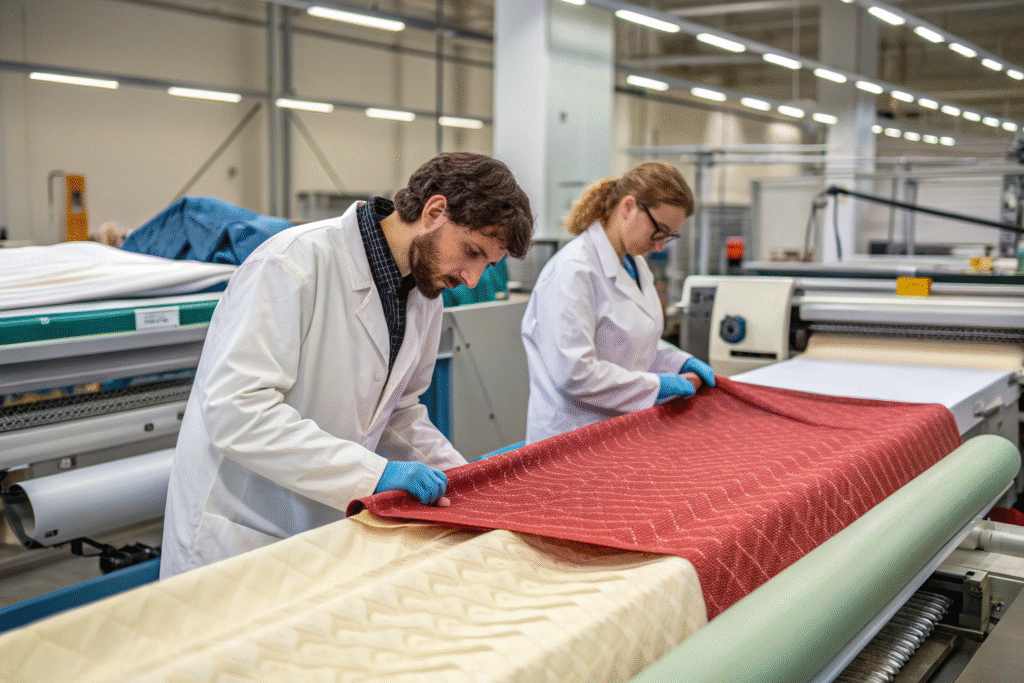
Reliable suppliers usually provide international certifications like SGS or ITS reports, and they allow buyers to see real-time testing data. A strong supplier will also have a dedicated QC team and transparent tracking systems.
Why is certification important?
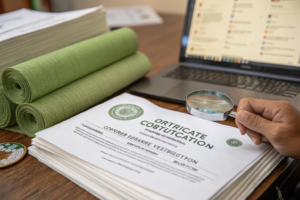
Suppliers with CNAS-accredited labs can provide accurate test reports for colorfastness, shrinkage, or safety standards. These reports save you from unexpected problems during customs checks or when delivering to brands that demand strict compliance. For example, buyers sourcing fabrics for OEKO-TEX certified brands need suppliers that can meet the same level of certification.
How do you verify quality control systems?
Buyers can request to review suppliers’ QR code tracking systems, which show real-time updates of each production batch. This practice is similar to supply chain visibility offered by companies like Textile Exchange. When a factory is confident enough to share this, it shows they care about long-term partnerships.
What Fabrics Are Most Popular for Wholesale Buyers?
Fashion brands and wholesalers often ask me: “What types of fabrics sell the most right now?” The answer depends on trends, but some categories are always in high demand.
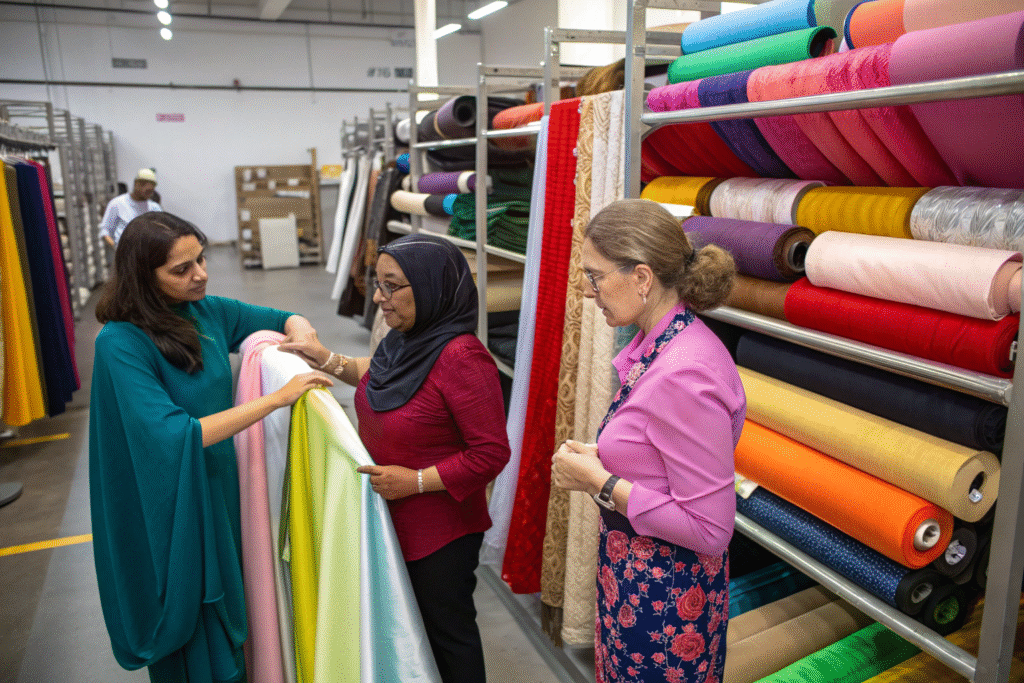
In recent years, eco-friendly fabrics like recycled polyester, Tencel™, and organic cotton have seen fast growth in Europe and the US. At the same time, functional fabrics such as UV-resistant or moisture-wicking textiles are gaining popularity in sportswear markets.
Why are eco-friendly fabrics trending?
Sustainability is no longer just a buzzword; it is a requirement. EU markets now prefer fabrics that are certified eco-friendly. Reports by Fashion for Good show that brands adopting sustainable textiles increase sales by appealing to environmentally conscious consumers. Recycled polyester (rPET) and bamboo blends are now considered mainstream.
What about fashion basics?
Classic fabrics such as chiffon, satin, and jacquard never go out of demand. According to Fibre2Fashion, even during market slowdowns, these fabrics continue to sell because they support seasonal fashion collections. Buyers often place small-batch orders to test trends, so suppliers who offer low MOQs are highly attractive.
How to Handle Logistics and Customs When Importing?
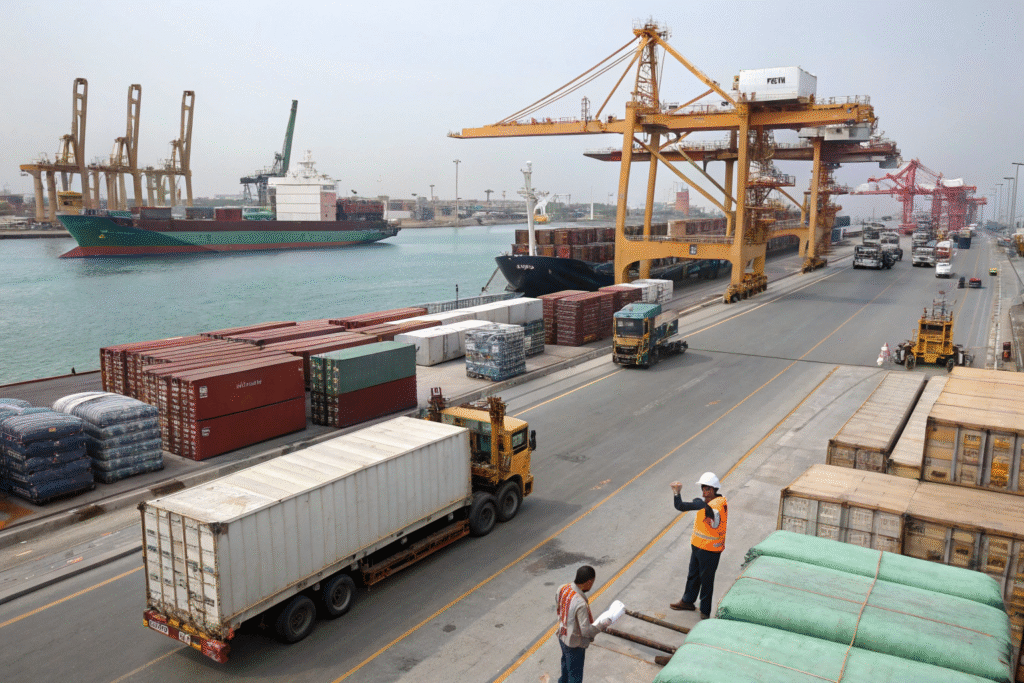
Many American and European buyers worry about shipping delays, customs clearance, and unexpected tariffs. If logistics are not handled well, even the best fabrics lose value because they cannot reach stores on time.
Good Chinese suppliers offer one-stop export solutions, including packaging, customs documents, and multimodal transport from Keqiao hubs. This reduces risks and ensures smoother delivery.
How can tariffs affect buyers?
During the U.S.-China trade war, tariffs on textiles became a real concern. But some suppliers in Zhejiang adapted quickly by offering flexible shipping routes through RCEP and Belt & Road partners. Websites like Trade.gov provide tariff updates, but reliable suppliers can often handle this better by using bonded warehouses and cross-border logistics.
Why is financial stability important?
Suppliers with strong banking partnerships can secure faster shipping and avoid cash flow interruptions. Many small traders collapse when faced with sudden order cancellations, but established companies with global networks keep operations stable. Examples of such resilience are often published by Just-Style, showing how bigger suppliers survive trade disruptions.
Where Can Buyers Connect with the Best Suppliers?
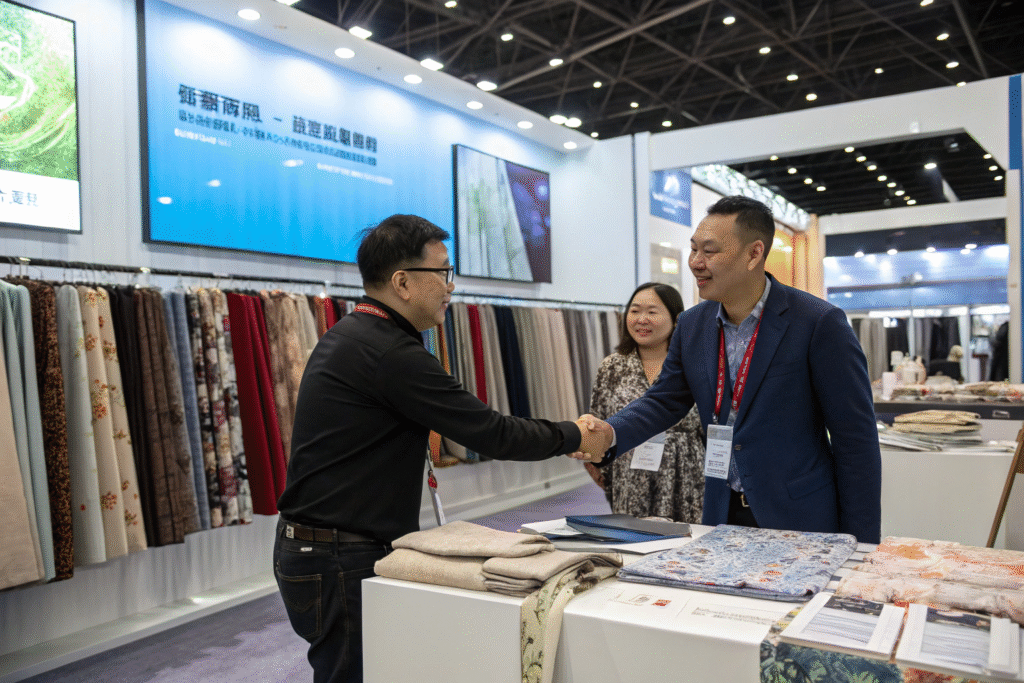
Finding the right supplier is not just about searching online. The best partnerships are often built through direct connections at trade shows or verified platforms.
Serious buyers usually find suppliers through Alibaba, international textile fairs, or even LinkedIn and professional websites. Meeting suppliers face-to-face or virtually helps confirm credibility and reduces risks.
Are trade shows still important?
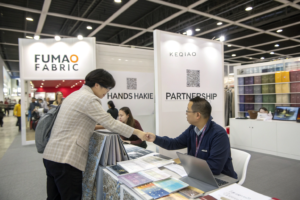
Yes, trade shows in Shanghai, Canton, or even Las Vegas remain powerful ways to find trustworthy suppliers. Events listed on Intertextile Shanghai attract global buyers who want to compare fabric quality on the spot. Seeing fabrics in person still makes a big difference.
How can digital tools help?
Suppliers with virtual showrooms or live inventory access give buyers real-time transparency. Platforms like Alibaba.com or professional LinkedIn pages allow communication before formal negotiations. Buyers who prefer speed often request video factory tours, which have become a standard after COVID-19.
Conclusion
Buying wholesale fabric from China does not need to be complicated. The key is to choose suppliers with strong quality control, diverse product portfolios, and reliable logistics systems. Eco-friendly and functional fabrics are now leading trends, while traditional categories continue to generate steady demand. Trade shows and online platforms together give buyers the best opportunities to connect with the right partners.
If you are ready to start sourcing fabrics for your business, we at Shanghai Fumao are here to help. You can contact our Business Director Elaine at elaine@fumaoclothing.com to discuss your fabric needs and create customized solutions for your orders.
Recraft指令--Portray a confident textile business director meeting with international clients in a professional office. Fabric swatches are displayed on the table, and the setting feels welcoming and reliable. Faces of people should be natural and clear.