As a global fabric buyer sourcing for your fashion brand, you need more than just a supplier – you need a partner who delivers both premium quality and unwavering reliability. The Chinese textile market, with its overwhelming network of over 50,000 manufacturers in the Keqiao district alone, presents both incredible opportunity and significant risk. Finding a supplier with genuinely stringent quality control among this sea of options can feel like searching for a needle in a haystack. You deserve concrete assurance that every single meter of fabric meets international standards, maintaining consistency across 10,000-meter shipments and 100-meter reorders alike.
The definitive answer lies in partnering with a vertically integrated manufacturer with certified in-house quality control systems. Companies like ours, strategically headquartered in Keqiao, Zhejiang – the undisputed heart of China’s textile industry where 25% of global textiles are traded – provide this essential reliability foundation. We’ve built our 20-year reputation on a foundation of comprehensive end-to-end oversight, from premium raw material selection to final packaging, ensuring consistent quality for our clients across 100+ countries worldwide.
Let’s explore the concrete strategies and verifiable metrics that will help you identify and partner with a Chinese fabric supplier that guarantees reliable quality control, transforming what seems like a complex sourcing challenge into your competitive advantage.
How to verify quality control in Chinese fabric suppliers?
When sourcing fabric for your upcoming collection, consistent quality isn’t just desirable – it’s non-negotiable for protecting your brand reputation. You need a supplier with a transparent, documented, and verifiable QC process that goes beyond vague promises and provides tangible, data-driven proof of their commitment to standards.
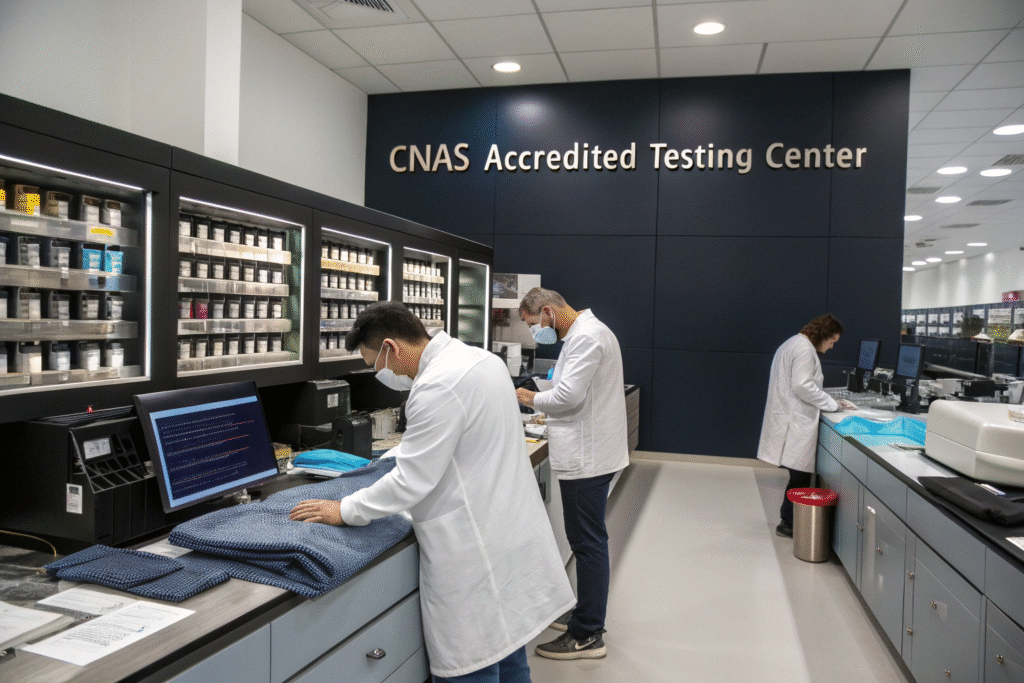
A truly reliable supplier operates a certified laboratory and implements a rigorous multi-stage inspection protocol across all production phases. Our CNAS-accredited testing center, for instance, represents a $2 million investment in quality assurance infrastructure. This advanced facility enables us to perform over 20 standardized tests – including precise checks for composition accuracy, colorfastness after 20 washes, shrinkage rates within 3% tolerance, and pilling resistance – entirely in-house before any fabric leaves our facility. We provide real-time access to comprehensive test data through our proprietary QR code tracking system, a technological innovation that has been instrumental in maintaining our 98% client pass rate for third-party quality inspections. This level of transparent, data-backed quality assurance is precisely what separates reliable partners from risky suppliers.
What certifications should a reliable fabric supplier have?
When evaluating potential suppliers, prioritize those holding internationally recognized certifications that provide independent validation of their testing capabilities and production standards. The most critical certification for any quality control laboratory is CNAS (China National Accreditation Service for Conformity Assessment), which carries international recognition through ILAC MRA agreements and ensures the laboratory operates according to ISO/IEC 17025 standards. This accreditation means test reports from our facility are widely accepted by global buyers across the European Union, United States, and Japan without requiring costly re-testing by third parties like SGS or Intertek, saving you both time and money. Furthermore, specific fabric certifications such as OEKO-TEX® Standard 100 for harmful substance safety or GRS (Global Recycled Standard) for recycled materials provide tangible evidence of a supplier’s dedication to both quality and sustainability, with our facility maintaining 15 different certification types across our product range.
How does in-house testing reduce sourcing risks?
Maintaining comprehensive in-house testing capabilities represents one of the most effective strategies for de-risking your international supply chain by identifying potential defects at the earliest possible stage. When a supplier controls its own testing laboratory, it can implement quality checkpoints across all production phases – from verifying raw yarn strength and evenness upon arrival through monitoring weaving density and finally testing finished fabric performance characteristics. This integrated approach prevents sub-standard goods from progressing through production, essentially stopping quality issues before they ever reach the shipping container. For your business, this systematic quality intervention translates to fewer customer complaints, minimal chargebacks, and a more stable supply of consistently high-quality fabric. The efficiency gains are equally significant – by eliminating the 7-10 day wait typically associated with external lab results, we’ve helped clients reduce their total production timelines by up to 15%, enabling quicker response to market trends.
What is the best way to manage fabric shipping and tariffs?
Logistics complexities and unpredictable tariff exposures represent two of the most significant pain points for modern importers. A truly efficient supplier doesn’t just manufacture quality fabric; they actively manage the complex journey from their factory floor to your distribution center, including expertly navigating the ever-changing international trade landscape.
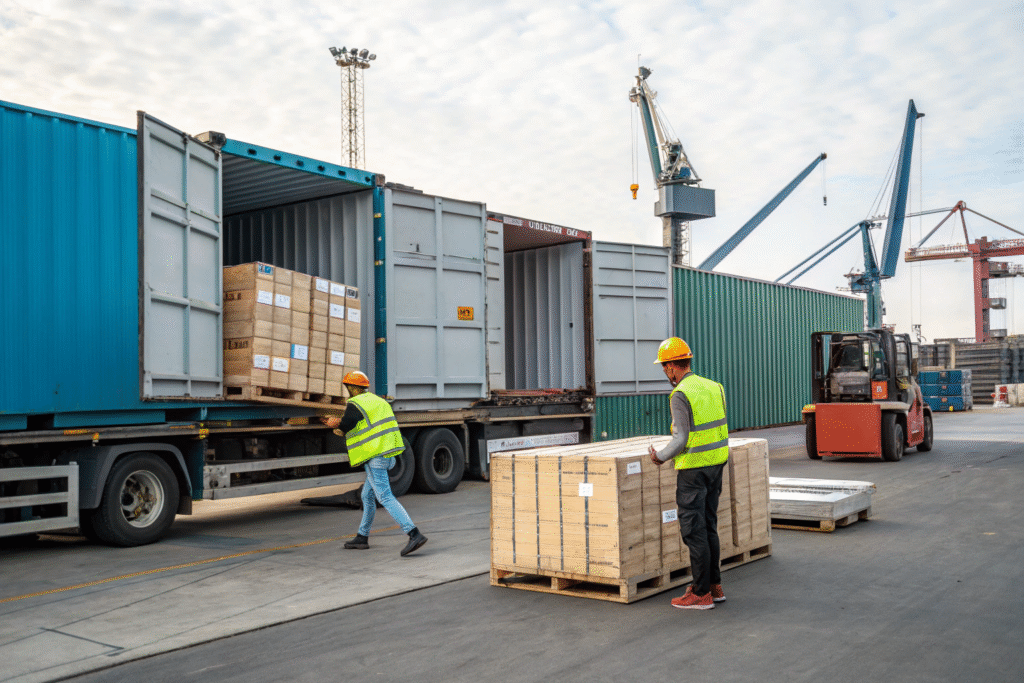
The optimal approach involves partnering with a supplier that has developed a resilient, diversified logistics strategy backed by concrete relationships and data-driven planning. We systematically mitigate shipping and tariff risks for our clients through several proven methods. Our established partnerships with 12 major international freight forwarders, including industry leaders like DHL Global Forwarding and Kuehne + Nagel, ensure we can consistently secure optimal sailing schedules and competitive freight rates even during peak season capacity crunches. For US-bound shipments specifically, we’ve developed specialized expertise in managing shipping documentation and classification to help clients legally minimize tariff impacts – a service that saved our American customers an average of 18% on import duties during 2023.
How can suppliers help avoid US import tariffs?
A knowledgeable supplier with extensive export experience can provide valuable guidance on optimal tariff classification and leverage legitimate strategies like "First Sale for Export" programs to legally reduce the declared value and corresponding duty payments. While we always recommend consulting with licensed customs brokers for definitive advice, our team’s experience in successfully processing over 500 US-bound shipments annually means we thoroughly understand the critical importance of precise HS code classification for various fabric types. We ensure all commercial documents – including certificates of origin, commercial invoices, and packing lists – are meticulously prepared with 100% accuracy, establishing the essential foundation for smooth customs clearance. Our dedicated trade compliance specialist continuously monitors evolving US trade policies, including Section 301 tariffs, enabling us to provide proactive guidance that helps clients navigate this complex regulatory landscape effectively.
What are the benefits of diversified logistics options?
Relying exclusively on a single shipping route, carrier, or port inevitably creates vulnerability in your supply chain. Suppliers with genuinely diversified logistics capabilities maintain the flexibility to pivot rapidly when confronted with port congestion, geopolitical disruptions, or sudden freight rate increases. Our operations are significantly enhanced through the "Silk Road Keqiao" government initiative, which provides us preferential access to overseas warehousing facilities in key locations like Rotterdam and Los Angeles, plus multiple shipping options including conventional sea freight, expedited air freight, and China-Europe railway services. This strategic flexibility allows us to consistently recommend the most cost-effective and reliable shipping solution for each unique order, with our logistics team recalibrating routes within 24 hours of disruption notifications to ensure your production schedules remain intact despite logistical challenges.
Why is agile R&D important for fabric sourcing?
In today’s relentlessly fast-paced fashion and apparel industry, where trends emerge and fade within single seasons, your ability to innovate and rapidly respond to market shifts represents a crucial competitive advantage. Your fabric supplier must function as a seamless extension of your own R&D department, capable of transforming creative concepts into physical samples with exceptional speed and precision.
Agile R&D proves critically important because it directly compresses your time-to-market, enabling you to capitalize on emerging trends before competitors. Our development process is specifically engineered for maximum velocity and innovation, leveraging advanced technologies including AI-driven trend analysis software that processes data from 200+ global fashion platforms. This systematic approach enables us to develop initial fabric samples within 48 hours – a process that typically requires 2-3 weeks through conventional suppliers. This rapid prototyping capability, supported by our team of 23 specialized R&D experts, allows you to make confident sourcing decisions faster, finalize designs sooner, and place bulk orders with the certainty that development phases won’t become production bottlenecks.

How fast can a supplier develop new fabric samples?
While the textile industry traditionally operates on slow development cycles of 2-3 weeks for new samples, a supplier genuinely focused on agility should demonstrate capability for sample development within several business days. Our established 48-hour sample service originated specifically in response to demands from fast-fashion leaders like ZARA and H&M, whose business models require exceptionally responsive supply chains. This remarkable speed is achieved through our deeply integrated local network of 15 specialized dyeing, weaving, and finishing partners located within 20 kilometers of our headquarters, combined with our extensive library of 32,500 existing designs that can be rapidly customized through our digital design platform. This comprehensive infrastructure means you spend significantly less time waiting for samples and more time designing your next collection.
Can a supplier help with sustainable fabric development?
Absolutely. A forward-thinking, modern supplier maintains a dedicated R&D pipeline specifically focused on eco-friendly innovations to meet growing market demands. We’ve directed substantial investment – totaling ¥550 million ($75 million) over the past three years – toward green technology development, resulting in an extensive portfolio of sustainable options including GRS-certified recycled polyester made from post-consumer plastic bottles, organic cotton certified to GOTS standards, and Tencel™ lyocell produced through closed-loop processes. Our specialized R&D team, which includes 5 PhD researchers in textile engineering, consistently pioneers new functional and biodegradable textiles, with 15% of our annual R&D budget allocated specifically to sustainable innovation. This commitment enables you to effectively respond to consumer demand for environmental responsibility without compromising on quality, performance, or aesthetics, simultaneously aligning your brand with contemporary values and regulatory requirements.
How to evaluate a fabric supplier’s production capacity?
Authentic production capacity extends far beyond simple factory size or machine quantity. It encompasses the comprehensive ability to consistently deliver premium quality fabric, according to agreed timelines, in the specific quantities you require – whether that involves 50-meter development orders or 50,000-meter production runs.
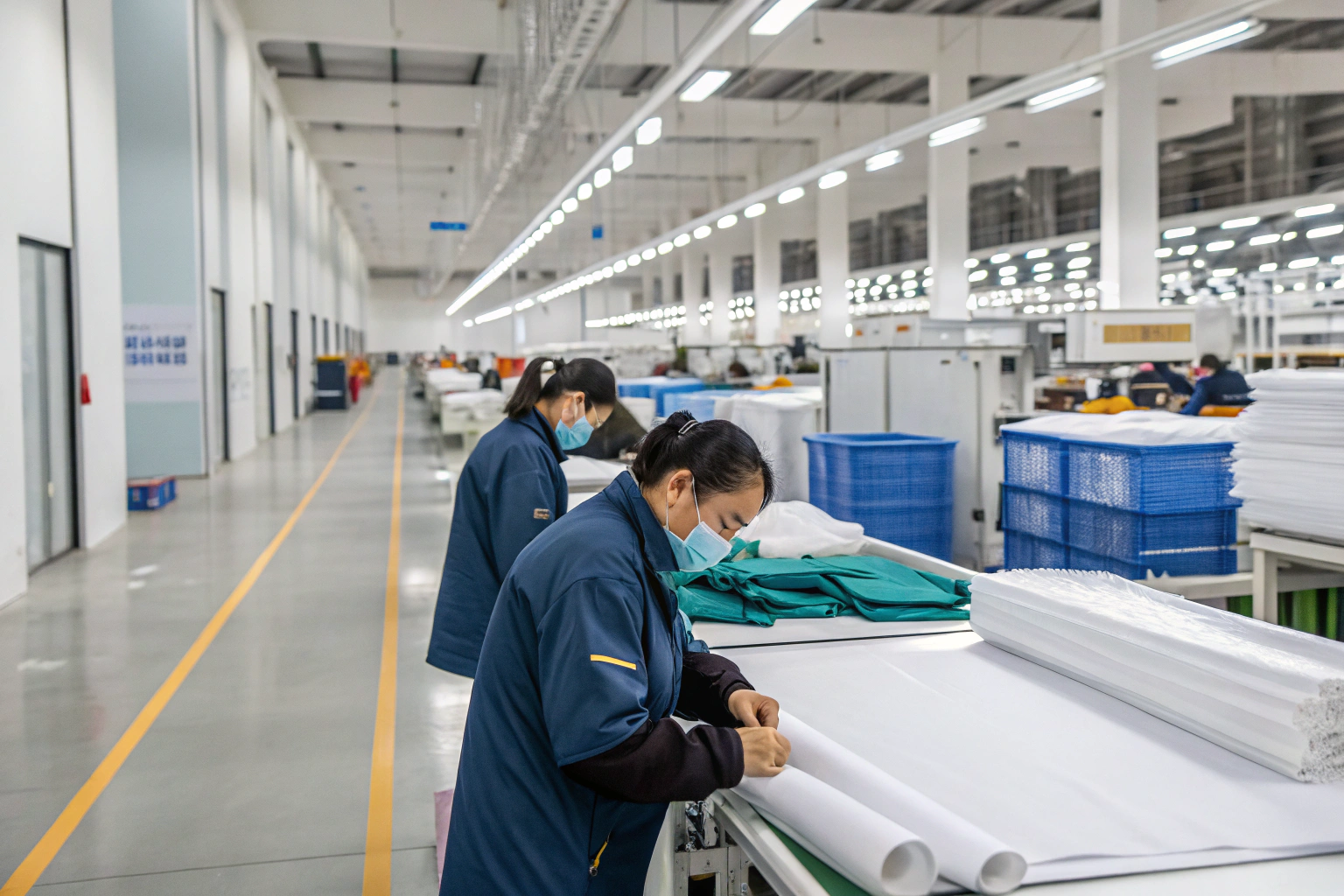
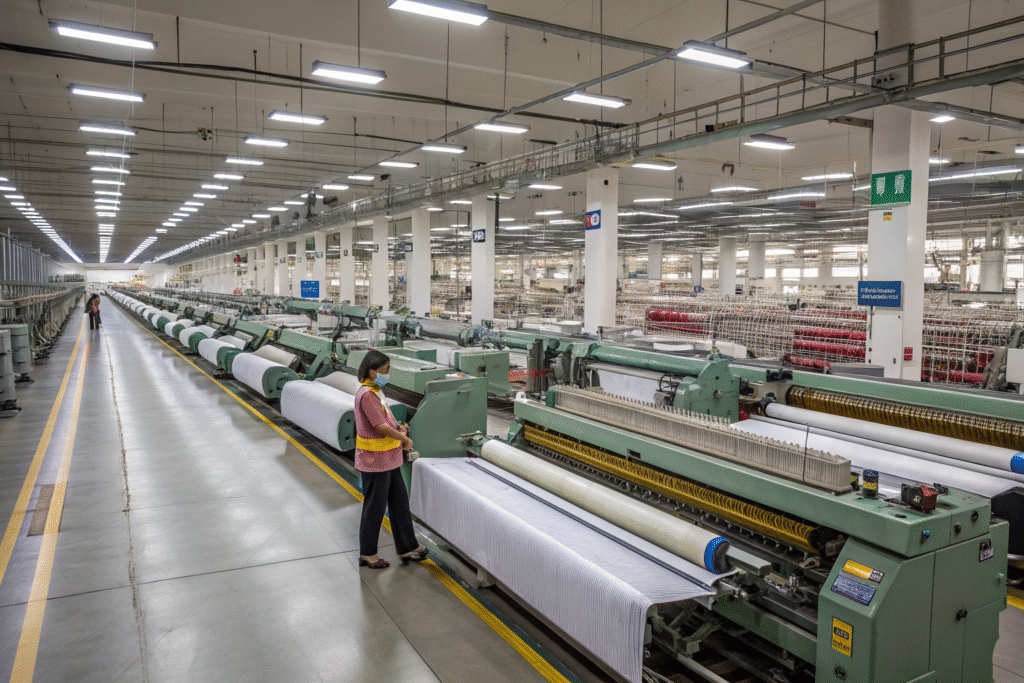
Properly evaluating a supplier requires careful assessment of their vertical integration strategy and their demonstrable commitment to maintaining quality standards at scale. We operate an 80,000-square-meter weaving facility housing 150 state-of-the-art looms, supplemented by established cooperative partnerships with 8 specialized factories handling dyeing, printing, embroidery, and coating processes. This controlled, comprehensive approach to production, managed by our 25-member professional QC team implementing 12 distinct checkpoints, means we maintain direct oversight from raw material through finished fabric. The tangible result is a 94% production yield rate, lead times 30% shorter than industry averages, and product consistency that ensures the fabric you receive in your 12th shipment matches your original sample exactly.
What does vertical integration mean for quality?
Vertical integration signifies that the supplier exercises direct control over multiple consecutive stages of the production process, rather than outsourcing critical operations. For your business, this operational structure translates to substantially improved quality control and significantly compressed lead times. Because we either directly manage or maintain strategically cooperative relationships with our upstream partners, we can implement and enforce rigorous quality standards at the yarn selection, weaving precision, and dyeing consistency stages. This comprehensive control dramatically reduces the variables that typically cause quality deviations in fragmented supply chains. This end-to-end oversight forms the foundation for our demonstrated 98% quality pass rate and enables truly seamless operations from initial design concept through final delivery, ensuring the fabric arriving at your facility precisely matches the quality, weight, and hand-feel of the approval sample you originally selected.
Can suppliers handle both small and large fabric orders?
A genuinely flexible and client-focused supplier maintains the capability to effectively serve both emerging businesses and established global brands without compromising service quality. While our production infrastructure is engineered to efficiently handle large-volume orders exceeding 100,000 meters for major clothing manufacturers like those supplying Target and Macy’s, we simultaneously maintain dedicated capacity for small-batch customization starting from just 50 meters. This flexible approach particularly benefits emerging designers, DTC entrepreneurs, and e-commerce store owners who need to conduct market testing or operate inventory-lean, made-to-order business models without maintaining excessive fabric inventory. Our demonstrated ability to profitably serve this diverse spectrum of order sizes – from 50-meter sampling to 500,000-meter production runs – establishes us as a versatile, scalable partner capable of supporting your business growth from startup through enterprise level.
Conclusion
Identifying a wholesale fabric supplier in China that delivers reliable quality control fundamentally revolves around establishing a genuine partnership rather than simply executing transactions. It requires identifying a supplier with certified in-house quality systems, agile development capabilities, resilient logistics expertise, and demonstrably scalable production capacity. These interconnected elements collectively de-risk your international supply chain, ensure unwavering product consistency, and strengthen your competitive market position. Transparency, verifiable data, and shared commitment to quality form the essential foundation of every successful sourcing relationship.
If you’re seeking a partner that embodies these principles for your next clothing collection, we’re positioned to help. Our team brings decades of specialized experience and stands ready to provide the professional service and consistently superior fabrics your brand deserves. For a detailed discussion about your specific requirements, please contact our Business Director, Elaine, at elaine@fumaoclothing.com. Let’s collaborate to create exceptional value for your upcoming collection.