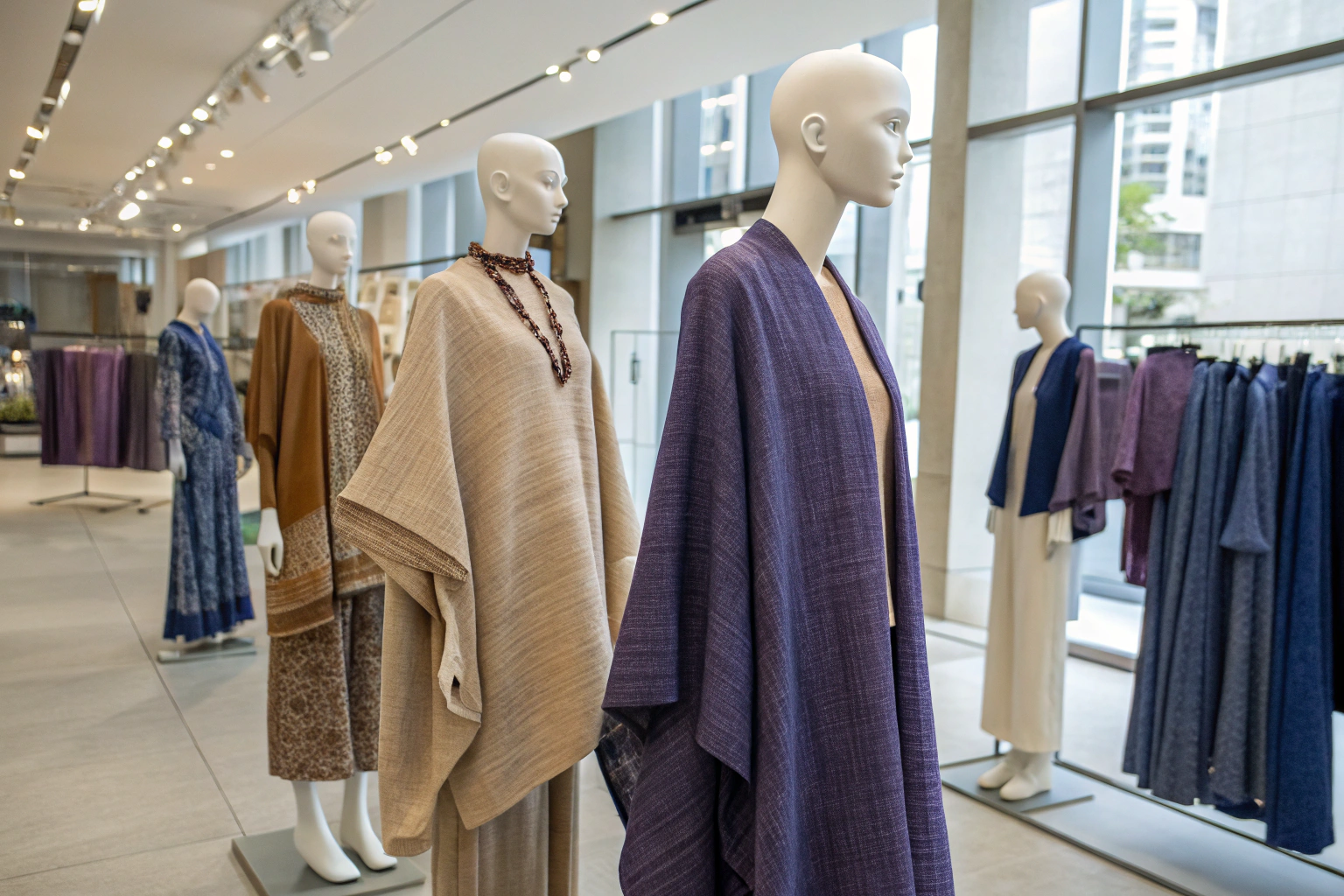
Every year around this time, our clients start asking the same question. What’s coming next? What fabrics should they be developing for their 2026 collections? As a supplier in Keqiao, we see the trends before they hit the runways. We watch what the big brands are sampling. We track the yarn innovations coming out of the mills. And we see the data from our own orders—what’s growing, what’s slowing, what’s suddenly showing up in every designer’s tech pack.
I’ve been in this industry for over 20 years. I’ve seen trends come and go. Some stick. Some fade fast. And some, like the shift toward sustainable fabrics, fundamentally change the market. For 2026, I see a convergence of several forces: sustainability is no longer optional, technical fabrics are moving into everyday wear, and there’s a hunger for texture and tactility that digital design can’t replicate.
At Shanghai Fumao, we’re already weaving these trends into our production lines. We’re working with designers from New York to Milan who are building their 2026 collections right now. Let me share what we’re seeing. I’ll walk you through the woven fabric trends that we believe will define 2026—the fibers, the structures, the finishes, and the colors that our clients are asking for.
Trend 1: What Sustainable Woven Fabrics Are Moving Beyond Organic Cotton?
For years, when people said “sustainable fabric,” they meant organic cotton. That’s changing. For 2026, we’re seeing a shift toward next-generation sustainable fibers and circular production models. Our clients are asking for fabrics that don’t just minimize harm but actively contribute to a better supply chain.
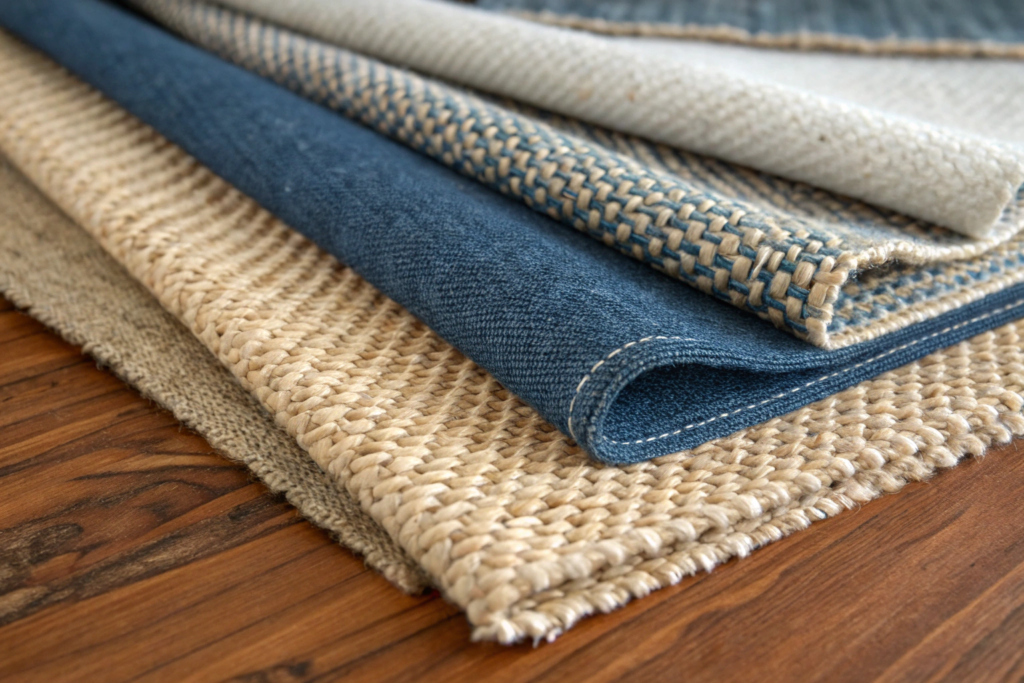
What Are the Emerging Sustainable Fibers for Woven Fabrics?
The sustainable fiber landscape is expanding fast. Here are the ones we’re seeing the most interest in for 2026:
Hemp Linen Blends
Hemp is having a moment. It grows fast, uses less water than cotton, and requires no pesticides. The fiber is naturally strong and breathable. The challenge has always been the handfeel—pure hemp can feel rough. But new processing methods are changing that.
We’ve developed a hemp-linen blend that combines the sustainability of hemp with the softness and drape of European flax linen. The blend is 55% hemp, 45% linen. It has a beautiful natural texture that softens with each wash. A client from Scandinavia is using this fabric for a line of summer shirts and trousers for 2026. They tell us the story of hemp’s low environmental impact resonates with their customers.
Banana Fiber and Other Agricultural Waste
This is one of the most exciting developments I’ve seen in years. Banana fiber is made from the stems of banana plants after the fruit is harvested. Normally, those stems are waste. Now they can be spun into yarn.
The resulting fabric has a unique texture—slightly slubby, with a natural luster. It’s lightweight and breathable. A Japanese brand we work with is developing a banana fiber-cotton blend for their 2026 resort collection. The fabric has a handfeel that reminds me of raw silk, but it’s completely plant-based.
Recycled Polyester Wovens
Recycled polyester isn’t new. But for woven fabrics, it’s becoming more sophisticated. We’re seeing a shift from basic recycled polyester to specialized versions. Post-consumer recycled polyester from ocean plastics. Recycled polyester blended with natural fibers for better breathability. Recycled polyester with performance finishes for outdoor wear.
A client from the UK is using our recycled polyester twill for a line of travel jackets in 2026. The fabric has a subtle sheen and excellent wrinkle resistance. The recycled content gives them a sustainability story they can verify with GRS certification.
Tencel™ Denim
Denim is traditionally one of the most water-intensive fabrics to produce. Tencel is changing that. Tencel denim uses less water in production and has a softer handfeel than conventional denim. It also holds color better, which means less dye waste.
We’ve been working with a denim brand from Los Angeles on a Tencel-cotton blend for 2026. The fabric has the structure of traditional denim but the drape and softness of a luxury fabric. They’re launching a women’s collection with this fabric in Spring 2026.
What About Circular Production Models?
Beyond fibers, we’re seeing demand for circular production—fabrics that can be recycled at the end of their life. This is harder than it sounds. Most fabrics today are blends that are difficult to separate. But new technologies are emerging.
We’re working with a chemical recycling company on a project for 2026. They take polyester waste and break it down to the molecular level, then spin it into new fiber that’s identical to virgin polyester. The process can be repeated indefinitely. We’re weaving this recycled polyester into a line of performance fabrics for a European outdoor brand.
A client from Germany told me, “Our customers don’t just want sustainable fabrics. They want fabrics that are part of a closed loop. They want to know that when their jacket wears out, it can become a new jacket.” That’s where the industry is heading. And we’re positioning ourselves to be part of that future.
Trend 2: How Are Technical Wovens Entering Everyday Fashion?
For years, technical fabrics were for athletes and outdoor enthusiasts. Waterproof jackets. Windproof shells. Moisture-wicking base layers. That’s changing. For 2026, we’re seeing technical wovens move into everyday fashion. People want the performance features without looking like they’re about to climb a mountain.
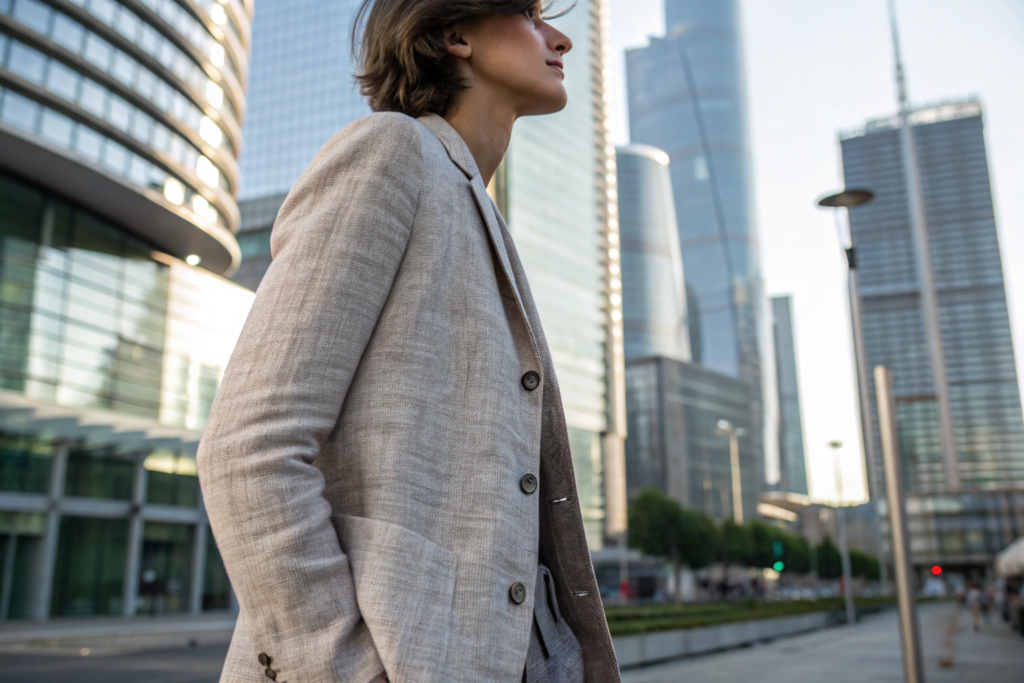
What Performance Features Are Moving into Wovens?
Here are the technical features we’re weaving into fashion fabrics for 2026:
Wrinkle Resistance
This is the number one request from our menswear clients. A shirt that looks crisp after being packed in a suitcase or worn all day. We’re using special yarns and finishing techniques to create woven fabrics that resist wrinkles without the harsh chemicals used in the past.
A client from New York is using our wrinkle-resistant poplin for a line of travel shirts for 2026. The fabric is 100% cotton but has a finish that allows it to hang dry with minimal wrinkles. They’re marketing it to business travelers who want to look polished without ironing in a hotel room.
Stretch Wovens
Stretch used to be for sportswear. Now it’s everywhere. We’re weaving spandex into cotton twills, linen blends, and even wool fabrics. The result is a fabric that looks like a classic woven but moves like a knit.
We’ve developed a cotton-spandex twill that has 15% stretch. It’s perfect for pants that need to look tailored but feel comfortable. A client from London is using this fabric for a line of “commuter trousers” for 2026. They tell us it’s one of their best-selling categories.
Water-Repellent Finishes for City Wear
Water-repellent finishes used to be for outdoor gear. Now we’re seeing them on blazers, trousers, and even shirts. The finishes have evolved too. We’re using PFC-free water repellents that are safer for the environment.
A client from Seattle—a city that knows rain—is using our water-repellent cotton twill for a line of everyday jackets for 2026. The fabric looks like a traditional cotton jacket but sheds light rain. They’re calling it “urban outerwear.”
Temperature Regulation
This is the frontier. Fabrics that help you stay comfortable across a range of temperatures. We’re using phase-change materials embedded in the fiber. When you’re hot, the material absorbs heat. When you’re cold, it releases it back.
We’re developing a temperature-regulating wool blend for a client from Switzerland. They’re using it for a line of year-round blazers. The blazer works in a cool office and on a warm commute. It’s the kind of versatility that modern consumers want.
How Do You Balance Performance with Handfeel?
This is the challenge. You can add performance features, but you can’t make the fabric feel like plastic. Our finishing team spends a lot of time on this balance.
For water-repellent finishes, we’ve developed a process that applies the chemistry without changing the fabric’s natural handfeel. The fabric still breathes. It still drapes. It just also repels water.
For stretch wovens, we’ve learned that the amount of spandex matters. Too much, and the fabric looks like a knit. Too little, and you don’t get the movement. Our sweet spot is 3-5% spandex for most wovens. That gives you comfort without changing the appearance.
A client from Australia told us in 2023, “I tried another supplier’s stretch cotton. It looked like activewear, not a dress shirt. Your fabric looks and feels like cotton but moves like I need it to.” That’s the balance we’re constantly refining.
Trend 3: What Textures and Structures Are Coming Back?
After years of minimalism and smooth surfaces, texture is back. Big time. Our clients are asking for fabrics with visual and tactile interest. They want fabrics that look different up close, that invite touch, that stand out in a world of digital sameness.
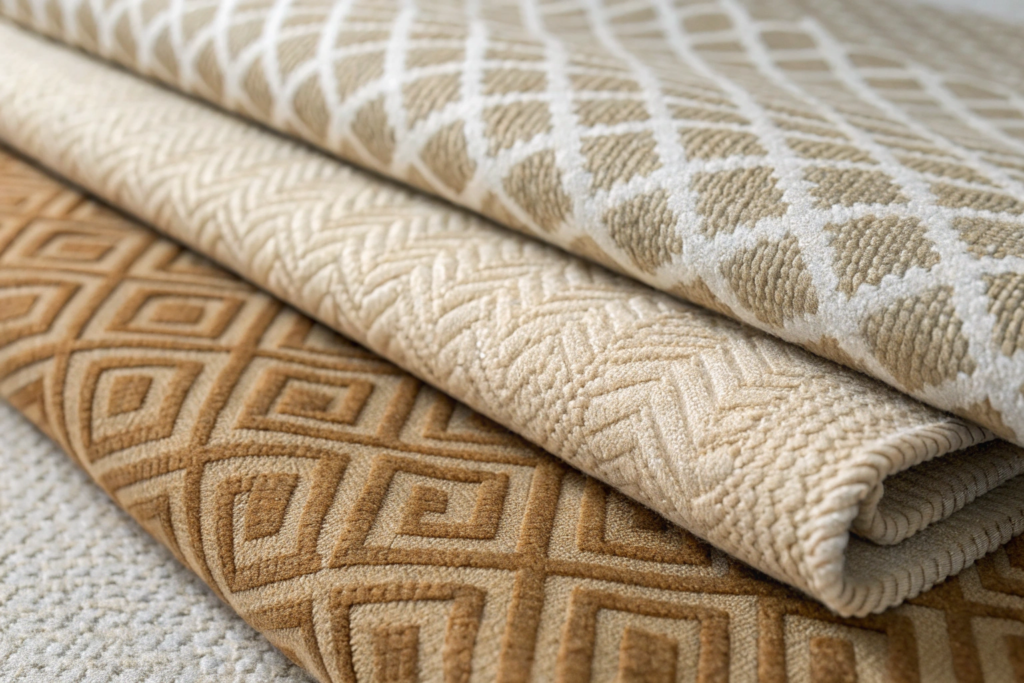
What Weave Structures Are Gaining Popularity?
Here are the textures we’re weaving most often for 2026 collections:
Slubbed and Nep Yarns
Smooth, uniform yarns are out. Yarns with natural irregularities are in. Slubbed yarns have thicker sections that create subtle bumps in the fabric. Nep yarns have small flecks of fiber that add visual interest.
We’re weaving slubbed yarns into linen, cotton, and blends. The resulting fabric has a natural, artisanal look. A client from Italy is using a slubbed cotton-linen blend for their 2026 resort collection. The fabric has the texture of handwoven cloth but the consistency of industrial production.
Jacquard with Tactile Patterns
Jacquard is having a moment. But not the shiny, formal jacquard of the past. For 2026, we’re weaving jacquard with matte finishes and subtle patterns. Geometric motifs. Organic shapes. Textures that are felt as much as seen.
We’ve developed a jacquard collection for 2026 with patterns inspired by natural textures—tree bark, woven baskets, stone walls. The fabrics are in natural colors and have a matte finish. A client from Japan is using one of these jacquards for a line of jackets. They tell us the fabric has a “calm presence” that works for both casual and formal wear.
Seersucker and Puckered Textures
Seersucker has been around for a century. But for 2026, it’s being reinvented. We’re weaving seersucker in finer gauges and more subtle patterns. The puckered texture creates natural airflow, making it perfect for warm weather.
A client from the US is using a fine-gauge seersucker for a line of summer shirts. The fabric has the texture of traditional seersucker but a softer handfeel and more refined appearance. They’re marketing it as “elevated casual.”
Double Cloth and Bonded Fabrics
For heavier applications, double cloth is gaining traction. Two layers of fabric woven together or bonded. The result is a fabric with structure, body, and often reversible properties.
We’re developing a double-cloth wool-cotton blend for outerwear. One side is a smooth worsted wool. The other side is a soft cotton flannel. The fabric is warm but not heavy. A client from Canada is using it for a line of winter coats for 2026.
What Colors Are Trending with These Textures?
Texture and color work together. For 2026, we’re seeing a move toward colors that enhance natural textures:
Earth Tones
Browns, tans, ochres, and terracottas. These colors work with slubbed and nep yarns to create a natural, grounded look.
Deep Blues
Navy, indigo, and midnight blue. These colors give texture a sophisticated, modern feel.
Digital Lavender
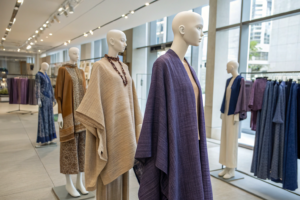
This is the surprise color for 2026. A soft, muted purple that’s showing up in everything from shirts to jackets. It works surprisingly well with textured fabrics, creating a look that’s both soft and striking.
Off-Whites and Creams
Sometimes the best way to show texture is with color that doesn’t compete. Off-whites and creams let the weave structure speak for itself.
A client from Sweden is using our slubbed linen in off-white for a collection of summer shirts. The natural texture of the fabric is the design. No pattern needed.
Trend 4: What Color Palettes Are Defining 2026 Wovens?
Color is the first thing people see. And for 2026, the color story is shifting. After years of muted neutrals and bright accents, we’re seeing a move toward colors that are both calming and optimistic. Colors that feel grounded in nature but look forward to the future.
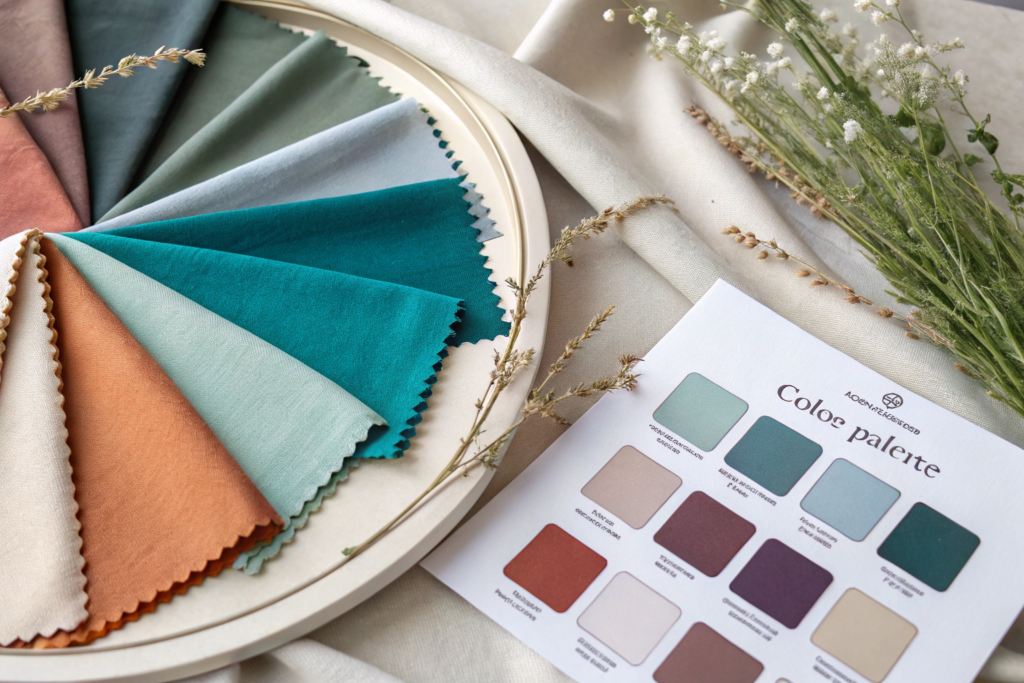
What Are the Key Color Directions for 2026?
Based on our orders and the trend forecasting we follow, here are the color families that will define 2026 woven fabrics:
Digital Lavender
I mentioned this earlier, but it deserves its own section. Digital Lavender is a soft, slightly grayed purple. It’s calm but not sleepy. It’s feminine but not frilly. It’s showing up in everything from shirting to suiting.
We have a client from France using Digital Lavender in a lightweight wool suiting for women’s blazers. The color gives the classic fabric a modern edge. Another client is using it in a cotton poplin for men’s shirts. They tell us it’s their best-selling color in pre-orders.
Deep Sea Teal
This is a rich, saturated blue-green. It’s the color of deep ocean water. It’s sophisticated and calming. It works for both casual and formal fabrics.
We’re weaving Deep Sea Teal into a range of fabrics for 2026. A client from the UK is using it in a heavy cotton twill for trousers. Another client is using it in a lightweight linen for summer shirts. The color is versatile enough to work across categories.
Warm Terracotta
Terracotta has been trending for a few years, but it’s evolving. For 2026, we’re seeing warmer, more orange-toned versions. Think fired clay, not dusty pink.
A client from Spain is using Warm Terracotta in a linen blend for resort wear. The color works with the natural texture of the linen. They tell us it photographs beautifully, which matters for Instagram marketing.
Olive Khaki
Olive and khaki have been staples for years. For 2026, they’re getting richer and more complex. Think olive with a hint of brown. Khaki with a green undertone.
We’re seeing these colors in utility-inspired fabrics. Twills. Canvas. Ripstop. A client from Germany is using an Olive Khaki cotton twill for a line of workwear-inspired jackets. The color gives the classic style a contemporary feel.
Soft White
White is always in season. But for 2026, we’re seeing a shift toward softer, warmer whites. Not bright, optical white. Think cream, ecru, natural.
These colors work with the texture trends we discussed earlier. A slubbed linen in soft white shows off the natural irregularities of the yarn. A jacquard in ecru lets the pattern be the focus without color competing.
How Do Colors Interact with Fabric Structures?
This is the nuance that separates good design from great design. The same color on different fabric structures looks completely different.
A deep teal on a smooth satin looks elegant and formal. The same teal on a slubbed linen looks relaxed and artisanal. A lavender on a crisp poplin looks fresh and modern. The same lavender on a brushed twill looks soft and cozy.
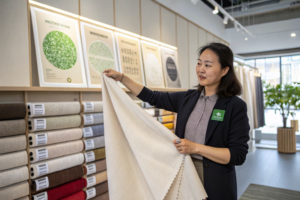
We help our clients think through these interactions. When a designer comes to us with a color, we show them how it works across different fabric structures. We show them samples. We let them feel the difference. That’s the value of working with a supplier who has both the color expertise and the fabric variety.
A client from Australia told us in 2023, “I knew the color I wanted. I didn’t know how different it would look on different fabrics. Your team showed me five options and helped me choose the one that worked for my collection.” That’s the kind of partnership we build.
Conclusion
2026 is shaping up to be an exciting year for woven fabrics. We’re seeing a convergence of sustainability, performance, texture, and color that offers more possibilities than ever. The old trade-offs are dissolving. You can have sustainable fabrics that feel luxurious. You can have performance fabrics that look like everyday wear. You can have textured fabrics that are consistent enough for industrial production.
At Shanghai Fumao, we’re weaving these trends into our production lines right now. We’re developing new sustainable fibers and blends. We’re refining our technical finishes to maintain handfeel. We’re expanding our jacquard and texture offerings. And we’re tracking the colors that will define the year.
But trends are just starting points. What matters is how you apply them to your brand. A slubbed linen might be perfect for one designer’s resort collection and completely wrong for another’s tailored suiting. A technical finish that works for an outdoor brand might feel out of place in a heritage menswear line.
That’s where our experience comes in. We’ve been in this industry for over 20 years. We’ve worked with hundreds of brands across 100+ countries. We’ve seen what works and what doesn’t. We can help you navigate the trends and find the fabrics that are right for your collection, your customers, and your brand.
If you’re starting to plan your 2026 collection, I want you to reach out to our Business Director, Elaine, at elaine@fumaoclothing.com. Tell her what you’re designing. Share your inspiration. She’ll connect you with our trend team and our R&D specialists. We’ll send you samples of the latest sustainable fibers, technical finishes, and textured weaves. We’ll help you find the colors that work for your brand. And we’ll produce the fabric that brings your vision to life.
We’re not just following trends. We’re creating them. Let’s create yours together.