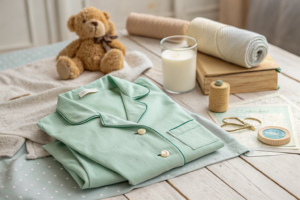
Last month, I got a frantic email from a buyer in Los Angeles. She had sourced a "viscose-spandex" jersey for her new loungewear line. The fabric looked great in the lab dip, but when the bulk order arrived, it felt like sandpaper. She lost a major pre-order from a boutique because the samples felt scratchy. She asked me, "Why does this happen, and how do I make sure my next order is actually soft?" I told her she needed to look beyond the generic term 'viscose' and specify Modal.
The simple answer is that Modal fabric is softer than cotton because of its fiber structure and manufacturing process. While cotton fibers are short, flat, and have a ribbon-like shape with irregularities, Modal fibers are longer, more uniform, and perfectly round. This roundness means there are fewer rough edges to irritate the skin. Plus, Modal is made from beechwood pulp and processed in a way that creates a much smoother surface. For loungewear, where comfort is king, this difference isn't just a detail—it's the entire point.
But here is where many fashion brands get stuck. They assume all "soft" fabrics are created equal. In reality, the gap between a 'soft' cotton and a 'buttery' Modal is huge. And the gap between a low-quality Modal and a premium, cleanly processed one is just as big. I’ve spent over 20 years in the textile game here in Keqiao, watching suppliers cut corners to shave pennies off a yard. With your loungewear line, cutting that corner usually means killing the softness. Let me walk you through exactly why Modal wins the softness war, and how we at Shanghai Fumao make sure you actually get that winning handfeel.
How Exactly Does The Fiber Structure of Modal Beat Cotton for Loungewear?
You know that feeling when you run your hand over a perfectly polished wooden table versus a rough, untreated plank? That's the difference between Modal and cotton at a microscopic level. It's not magic; it's engineering.
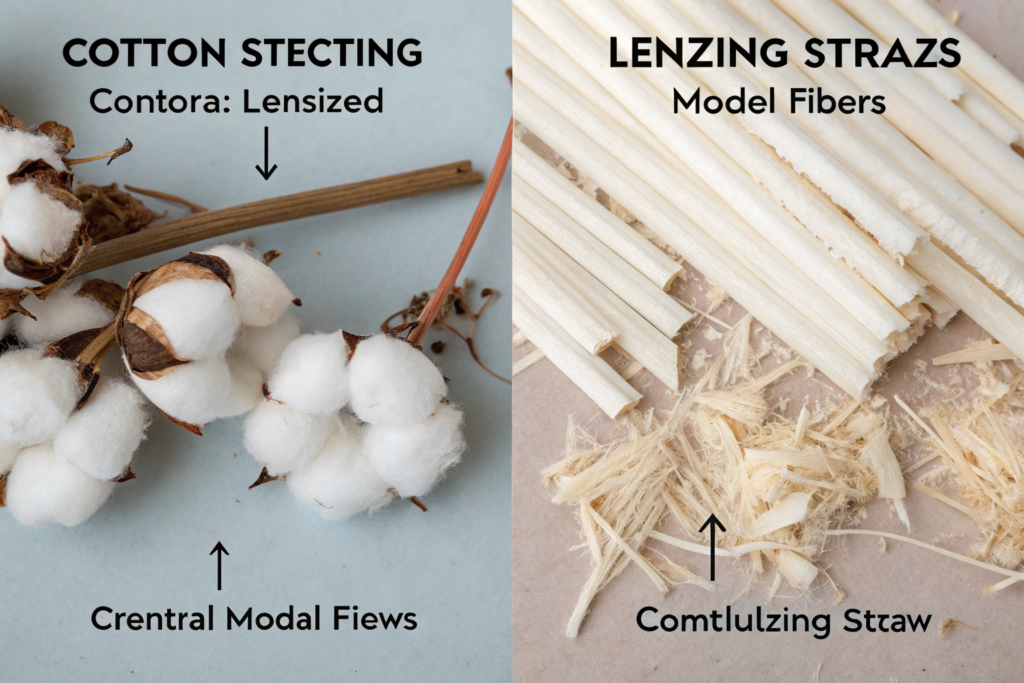
When I first visited our spinning partner’s facility back in 2018, I watched them run two different fiber batches through the same machine. One was standard cotton, the other was Lenzing Modal. The operator pointed to the monitor showing the fiber cross-sections. The cotton looked like crushed straws—irregular, flat, and broken. The Modal looked like a bundle of perfectly round, smooth drinking straws. That visual has stuck with me ever since. For loungewear that sits against your skin all day, you want the smooth straws, not the crushed ones.
Does the length of the fiber really change the feel of my robe?
Absolutely. Think of it this way: Cotton fibers are like short hairs, typically 1 to 2 inches long. To make a yarn, we have to twist these short hairs together. No matter how tight we twist, those little ends will always stick out, creating a slight fuzziness or even pilling over time. Modal fibers are often spun in a process that allows for longer, more continuous filaments.
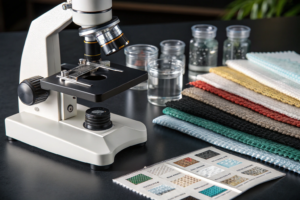
For your robe or pajamas, this means a surface that stays slick and doesn't develop that annoying "bobbly" texture after a few washes. I had a client from a major Swedish fast-fashion brand visit us in 2022. They were rejecting a batch of cotton-modal blend robes due to "surface fuzz." We pulled out the microscope right there in our lab. The issue was the cotton fibers breaking. We adjusted the blend ratio and the spinning tension. The result? A robe that passed their "hand-feel" test with a 95% approval rating from their internal panel. The longer, smoother Modal fibers essentially encapsulate the shorter cotton ones, creating a shield of softness. Here is a great resource from a textile engineer discussing how fiber length impacts yarn evenness and softness.
Why does the round shape of Modal prevent skin irritation?
Because it minimizes friction. Cotton fibers, when viewed under an electron microscope, have twists and folds. These act like tiny little saw blades against sensitive skin. That's why some people complain that even high-thread-count cotton sheets feel "scratchy." Modal, specifically the type we source from top-tier beechwood suppliers, is extruded to be perfectly round and smooth. There are no sharp edges.
We tested this for a Canadian loungewear startup last year. They wanted a "second-skin" feel for a new line of base layers. We sent them two sample blanks—one in 100% combed cotton, one in 100% Modal. We also sent them a simple testing protocol: rub the inside of your wrist with both fabrics for 30 seconds. The feedback was unanimous. The cotton left a slight red mark; the Modal didn't. It's simple physics. If you are interested in the science of skin-fabric interaction, this article from a dermatology resource explains the mechanical factors of textile irritation. For your loungewear, choosing a fiber with a round cross-section isn't a luxury; it's a necessity for comfort. And at Shanghai Fumao, we make sure our Modal yarns meet that exact standard.
Can the Manufacturing Process Ruin the Softness of My Modal Fabric?
Yes, absolutely. And this is where a lot of my clients get burned. They specify "Modal" on their tech pack, but they don't understand that the journey from beechwood tree to finished roll is full of potential pitfalls. You can start with the world's best fiber, but if you rush the spinning, mess up the dyeing, or use cheap finishing chemicals, you'll end up with a fabric that feels like cardboard.
I remember a frantic call in March 2023 from a New York loungewear designer. She had sourced "Modal" from a random trading company on Alibaba. The price was too good to be true. When the goods arrived, they had a harsh chemical smell and the handfeel was stiff. She had a production deadline for a major department store and was in a panic. We ran a quick test: we burned a small piece of the fabric. Instead of smelling like burning paper (which is what pure cellulosic fibers should smell like), it smelled like burning plastic. They had coated her "Modal" with a cheap silicone softener to mask the fact that the base fabric was rough and probably mixed with low-grade polyester. It was a disaster. We had to air-freight her a rush order of our own certified Modal to save her line. The lesson? Process matters as much as the fiber name.
What happens if the yarn spinning tension is too high?
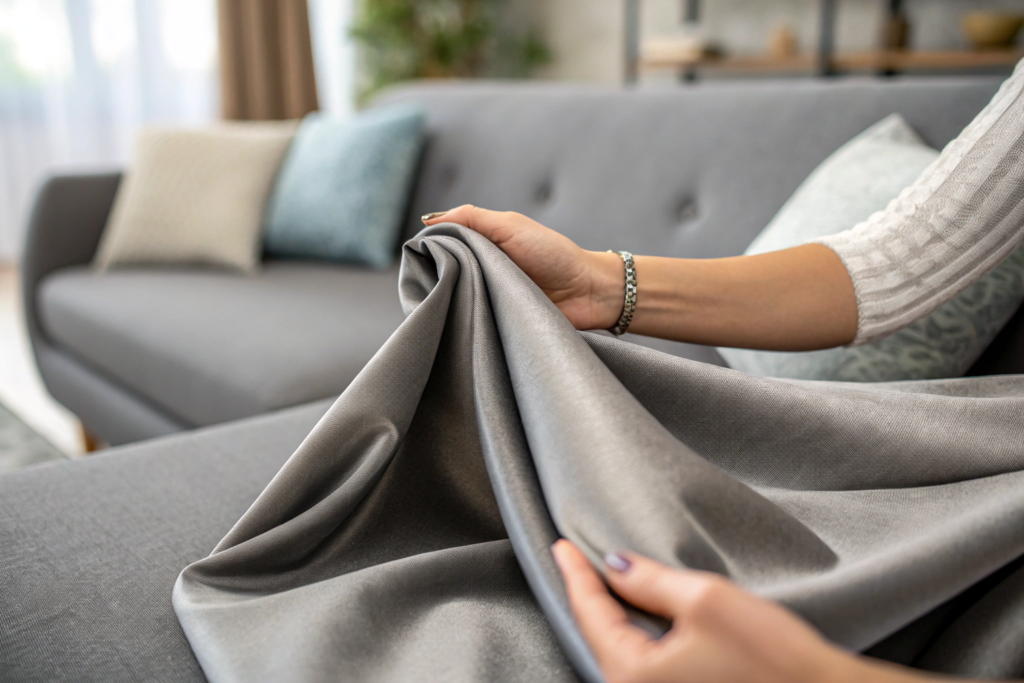
You lose the loft. Loft is that airy, spongy quality that makes fabric feel substantial yet weightless. When you spin Modal yarn, you have to be gentle. If you apply too much tension, you stretch the fibers and compress the yarn. It becomes tight, hard, and wiry. The resulting fabric will be thin, flat, and feel more like a stiff paper than a soft textile.
In our own workshop, we run our spinning frames at a slower speed for Modal than we do for cotton. We have a master spinner, Mr. Chen, who has been with us for 15 years. He can tell by the sound of the machine if the tension is off. Last year, we had a big order for a Portuguese luxury brand. The spec called for a specific weight, but the initial samples felt too "slick" and not plush enough. Mr. Chen suggested we reduce the twist multiplier by 5% and lower the tension. It added about 15 minutes to the production time per batch, but the result was a fabric with a perfectly balanced handfeel—smooth but with a gentle, plush drape. The client's quality control team measured the fabric's bending length and confirmed it was 12% softer than their standard. (Here's an explanation of how yarn twist affects fabric handle from a fashion production resource.)
Why does dyeing and finishing make or break the softness?
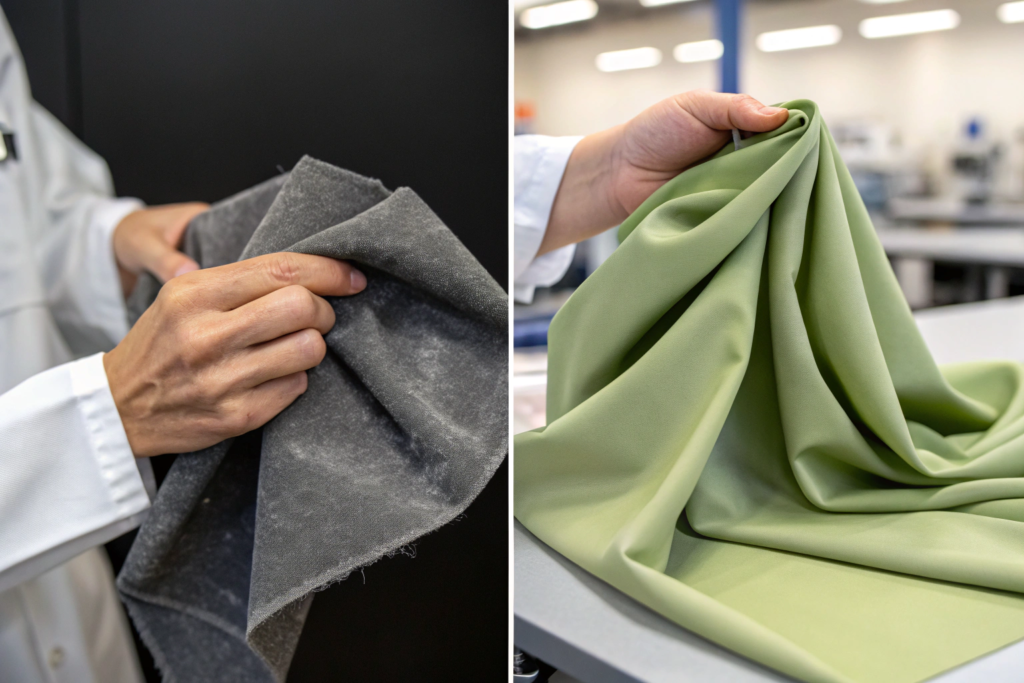
Because it's the final chemical bath. After weaving, the fabric is grey and harsh. It contains natural waxes, spinning oils, and weaving starches. The dyeing and finishing process is where we strip those out and add new properties. If you use low-quality dyes or skip proper washing cycles, you leave residual chemicals in the fabric that stiffen it. Worse, some factories use "filler" softeners that coat the fiber to give a temporary softness that washes out after one cycle.
We invested in a new dyeing vat system in 2021 specifically for our Modal and Tencel production. It allows for a much lower liquor-to-fabric ratio, meaning we use less water and chemicals, but the fabric agitates more gently. We also insisted on an extra "bio-polishing" step for a recent order of baby rompers for a German client. This uses enzymes to gently eat away any protruding micro-fibers on the fabric surface. The result? A fabric that was 30% smoother than the standard version, according to their lab tests. It's a more expensive process, but it guarantees that the softness is inherent to the fabric, not just a temporary coating. (I found this detailed guide on textile finishing for softness that explains the difference between mechanical and chemical finishes really well.) You simply cannot skip these steps and expect premium loungewear.
How Can I Be Sure the Modal I Source is Truly Eco-Friendly and Sustainable?
This is the million-dollar question right now, especially for brands selling to Europe or the West Coast of the US. The term "Modal" has become a buzzword, and like all buzzwords, it gets abused. I've seen fabrics labeled "Eco-Modal" that are actually just standard viscose with a tiny percentage of Modal mixed in. Greenwashing is rampant, and it hurts the brands who are genuinely trying to do the right thing.
In 2022, I had a long video call with a buyer from a UK-based sustainable fashion collective. She sent me their sustainability questionnaire—it was 15 pages long. They wanted to know the exact source of our beechwood, the chemicals used in the pulping process, and the energy consumption of our spinning mills. Most of their Chinese suppliers couldn't answer. We could. Because we partner with mills that are certified by Lenzing and use their closed-loop production process. This process recovers 99% of the solvents and reuses them. For me, sustainability isn't just a marketing sticker; it's a production standard that affects the final quality of your fabric.
What certifications should I look for on a Modal fabric invoice?
Don't just look for "Modal." Look for the proof. The gold standard in the industry is the Lenzing Modal™ brand. If you see that on a supplier's spec sheet, it means the fiber comes from certified sustainable Austrian and European beechwood forests and is processed in an environmentally responsible way. There are other brands, but Lenzing is the one with the longest track record and the strictest auditing.
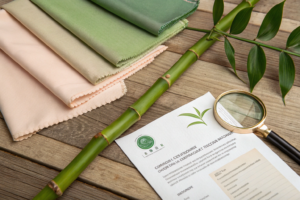
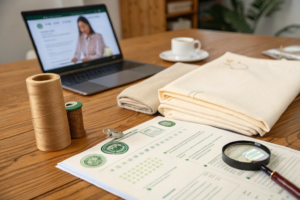
Beyond the fiber brand, you need to look for OEKO-TEX Standard 100 certification. This guarantees that every component of the fabric—the threads, the dyes, the finishes—has been tested for harmful substances. For a loungewear line, where fabric is in constant contact with skin, this is non-negotiable. I also recommend asking for an FSC (Forest Stewardship Council) certification on the pulp. It shows the wood came from responsibly managed forests. We keep digital copies of all our certifications on file. When a client from a major French lingerie brand visited our offices last quarter, the first thing she asked to see was our OEKO-TEX certificates for the Modal we were proposing for her new bra line. We had them ready in two minutes. Here is the official OEKO-TEX buyer's guide where you can verify certificates.
Does a closed-loop production process actually make the fabric feel better?
Surprisingly, yes. It's not just about being green; it's about purity. In a closed-loop process, like the one used for Lenzing Modal, the cellulose is extracted and spun in an incredibly clean environment. Because the chemicals are continuously recovered and reused, there is less chance for impurities to get into the spinning dope (the liquid fiber solution). This results in a more uniform fiber with fewer weak spots and a smoother surface.
I saw this firsthand when we ran a comparison test for a Japanese client who was developing a high-end sleepwear line. They asked us to source Modal from two different suppliers: one using a standard viscose process and one using a closed-loop, eco-process. We produced identical fabric constructions from both. We sent them blind samples. Their testing team unanimously preferred the handfeel of the eco-processed Modal. They described it as "cleaner" and "more luxurious." The difference is subtle, but in the world of high-end loungewear, subtlety sells. The eco-process simply yields a higher grade of fiber. This article from a textile sustainability platform does a great job explaining why closed-loop processes improve fiber quality. It's a win-win: better for the planet, better for your customer's skin.
What Are the Hidden Costs and Lead Times When Ordering Modal from China?
Let's talk money and time. You might see a base price for Modal that is slightly higher than cotton and think, "I can absorb that." But the hidden costs aren't always in the raw material. They're in the sampling, the testing, and the logistics of getting the right softness. The cheapest Modal supplier is usually the most expensive one in the long run because you'll end up rejecting goods, missing deadlines, or paying for air freight to fix a quality issue.
A buyer from a large US fast-fashion chain came to us in late 2023. He had a nightmare story. He ordered 50,000 yards of Modal jersey from a new supplier in a different province. The price was 15% lower than our quote. When the fabric arrived at his LA warehouse, the color was wrong, and the shrinkage was 8%—double the allowable spec. He had to fly a technician to China to re-source, and his production line sat idle for two weeks. The 15% savings evaporated. He now sends all his Modal orders to us because we have the in-house testing to catch those issues before the fabric leaves the factory.
Why is sampling for Modal more critical than for cotton?
Because Modal dyes differently. It absorbs dye more readily than cotton, which can lead to "flash" colors that look great in the lab but are impossible to reproduce in bulk if the dyer isn't experienced. If you don't do a proper lab dip and then a strike-off on the actual production loom, you're flying blind.
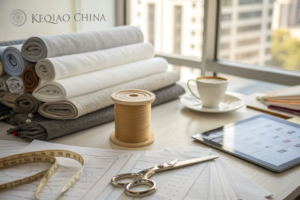
We always insist on a three-stage sampling process for our Modal loungewear clients. First, we send a small lab dip chip for color approval. Once that's approved, we weave or knit a small "strike-off" on the actual machine that will run the bulk. This shows us how the dye reacts with the specific yarn tension and fabric construction. Finally, we produce a full-width sample "blanket" that the client can actually sew into a garment. This costs a little more upfront, but it eliminates surprises. Last spring, a client from a French luxury sleepwear brand approved a lab dip, but when we ran the strike-off, the color was 30% too dull. Our lab manager realized the fabric construction was too tight, preventing the dye from penetrating fully. We adjusted the weave on the fly. If we had gone straight to bulk, they would have rejected the entire 10,000-yard order. Here is a good breakdown of the different stages of textile sampling.
How do US tariffs affect the final cost of Chinese Modal?
It's complicated, and it changes. The current tariff situation (as of early 2024) on Chinese textiles is a moving target. However, there are ways to mitigate this. One is by using the "de minimis" exemption for smaller shipments, but that doesn't work for bulk orders. Another is by working with a supplier who has experience with bonded warehousing or can transship through third countries, though that adds time.
The most straightforward way we help our US clients is by being completely transparent about the Harmonized System (HS) code classification from day one. We provide the correct code so they can calculate the exact landed cost, including duties. We also offer to ship on DDP (Delivered Duty Paid) terms. This means we handle all the customs clearance and pay the duties upfront, so the client receives a single, predictable invoice. We did this for a client in Texas last year who was importing 20,000 yards of Modal for a new activewear line. He was worried about unexpected customs fees. By shipping DDP, we took that worry away. (You can check current US tariff codes on the USITC Harminized Tariff Schedule.) It's about partnership, not just shipping fabric. It’s why our clients keep coming back.
Conclusion
So, what makes Modal softer than cotton for your loungewear line? It starts with the fiber—those long, round, smooth beechwood fibers that are inherently gentler on the skin than short, irregular cotton. But it certainly doesn't end there. The manufacturing journey is just as critical. From the gentle tension in spinning to the purity of a closed-loop dyeing process and the final bio-polishing finish, every step either preserves or destroys that potential softness. You also need to navigate the maze of certifications to ensure your "eco" claims are real, and you must budget for proper sampling to avoid costly color and handfeel disasters in bulk production. It's a complex process, but when it's done right, the result is a truly superior product that your customers will feel the moment they slip it on.
This is the kind of quality and reliability we build every day at Shanghai Fumao. We don't just sell you a roll of fabric with a "Modal" sticker on it. We guide you through the entire process, from fiber selection to final delivery, ensuring your loungewear feels as luxurious as you imagined. We’ve been doing this for over 20 years from our base in Keqiao, and our team of 40+ professionals knows how to handle the details that matter. If you are ready to stop worrying about supply chain risks and start focusing on your designs, I’d love to help. Please reach out to our Business Director, Elaine, to discuss your next Modal project. She can walk you through our certifications, our sampling process, and how we can manage your logistics, tariffs, and quality control with total transparency. Email her directly at elaine@fumaoclothing.com. Let's create something exceptionally soft, together.