I've been in the textile industry for over 20 years. I've seen suppliers come and go. I've watched brands succeed because they found the right manufacturing partner and fail because they didn't. When I think about what makes a woven fabric manufacturer reliable, I'm not just talking about the fabric. I'm talking about the systems, the people, the infrastructure, and the commitment that backs every meter that leaves our facility.
Let me be direct with you. Shanghai Fumao is a reliable woven fabric manufacturer because we combine scale with control, invest in quality systems, maintain vertical integration, and treat our clients as long-term partners. We don't just sell fabric. We provide the infrastructure, the expertise, and the consistency that brands need to grow with confidence.
This guide walks you through what we do, how we do it, and why our clients in the US, Europe, and beyond trust us with their collections. I'll be transparent about our capabilities, our processes, and our approach to partnership. Because in this industry, trust is built on transparency.
What Infrastructure Backs Our Woven Fabric Production?
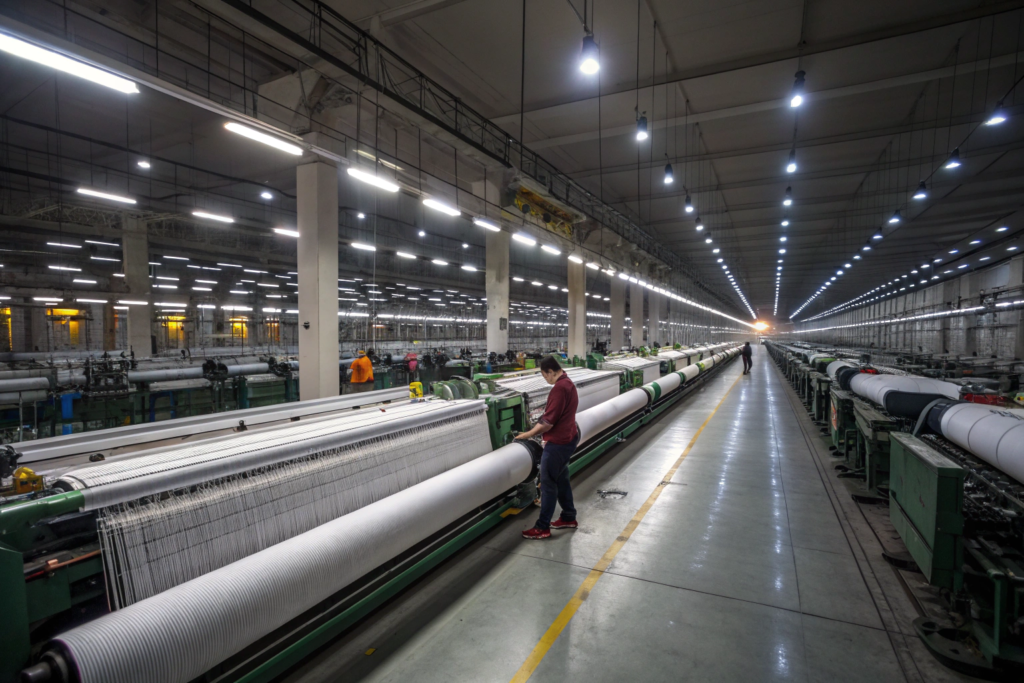
You can't produce reliable woven fabric without the right infrastructure. Our facilities in Keqiao are designed for scale, quality, and control at every step of the production process.
What Manufacturing Facilities Do We Own and Operate?
We don't outsource critical production steps. We own and operate the facilities that matter most for woven fabric quality.
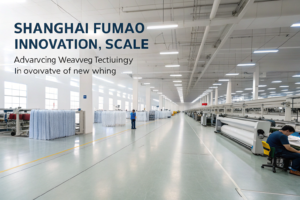
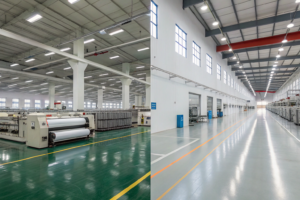
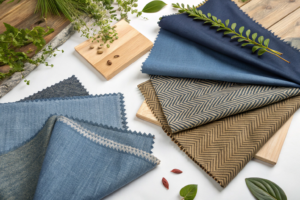
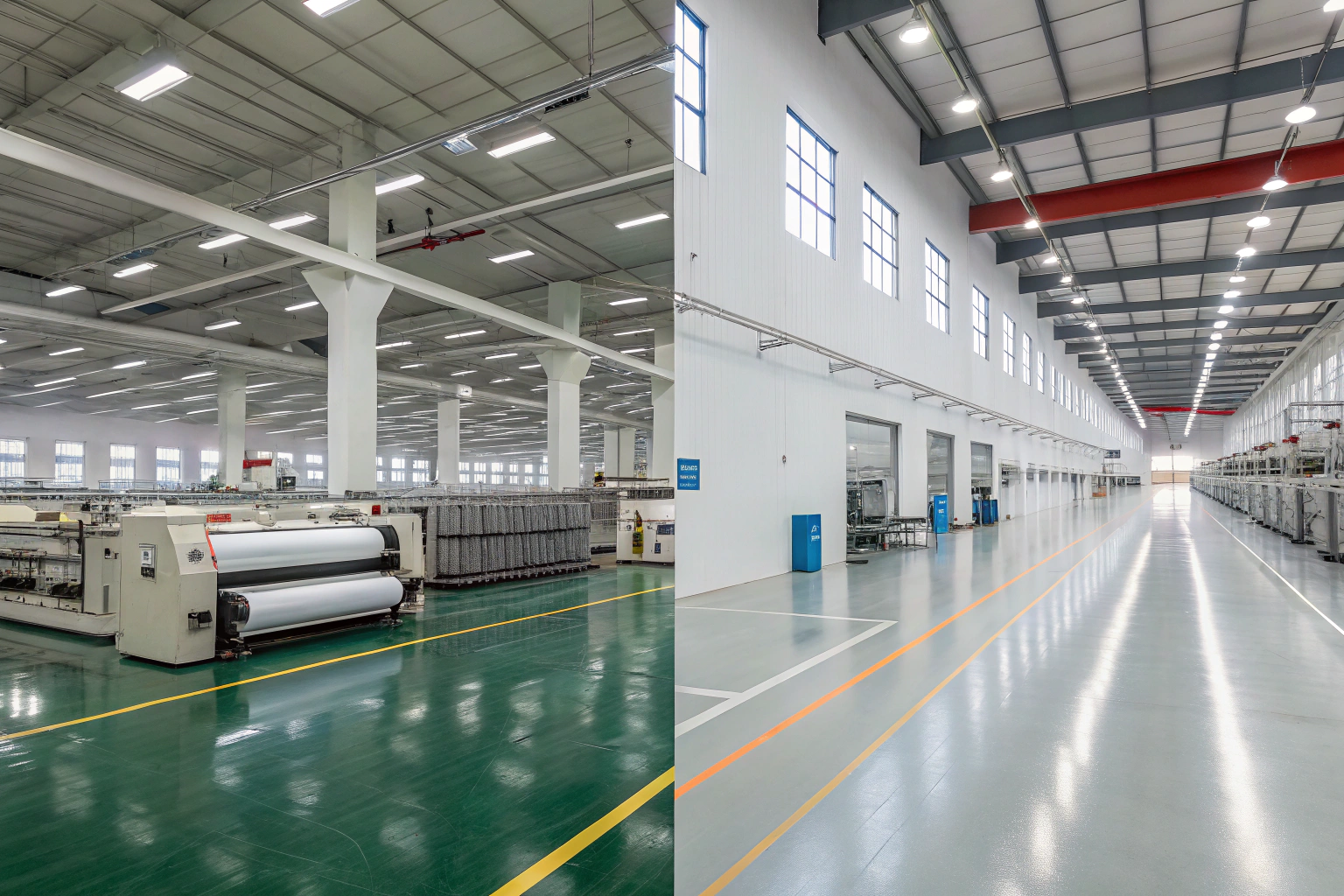
Our weaving factory is the heart of our operation. We run a large-scale facility with modern looms capable of producing a wide range of woven constructions. From basic plain weaves to complex jacquards, from lightweight shirtings to heavy workwear fabrics, we have the equipment to handle it. Our weavers are experienced operators who understand how yarn tension, loom speed, and environmental conditions affect fabric quality.
Our cooperative dyeing factory gives us deep access to color capabilities without owning every piece of equipment ourselves. The term "cooperative" matters here. This isn't a transactional outsourcing relationship. It's a partnership built over years. Our dyeing partners work to our specifications, follow our quality protocols, and prioritize our orders because we're a significant part of their business.
We operate two printing factories, giving us capabilities in both rotary screen and digital printing. For woven fabrics that require pattern, we can handle everything from simple stripes to complex photographic prints. The two facilities give us redundancy and capacity flexibility.
Our two embroidery factories serve clients who need decorative elements on their woven fabrics. We can add logos, patterns, and textures to finished fabrics before they ship to your cut-and-sew operation.
Our coating factory is where woven fabrics get their functional properties. Water repellency, antimicrobial finishes, UV protection, moisture management—all these treatments happen in-house, under our control.
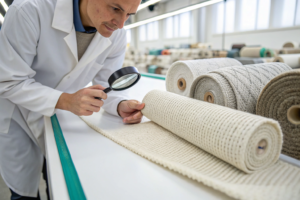
Our fabric inspection factory is where quality is verified. Every roll goes through inspection before it's approved for shipping. Our professional QC team uses the four-point system to grade every meter.
Our packaging factory ensures that finished fabric is rolled, wrapped, and packed properly for international shipping. Proper packaging prevents damage in transit and makes unloading at your warehouse easier.
This vertical integration matters. When a US client orders 10,000 meters of water-repellent cotton twill, we control every step. We source the yarn. We weave it. We send it to our dyeing partner with our specifications. We apply the coating in our own facility. We inspect it in our own QC center. We pack it in our own packaging factory. There's no handoff to an unknown third party where quality can drift.
Where Are We Located and Why Does Location Matter?
We're based in Keqiao, Zhejiang—the world's largest textile cluster. This isn't an accident. Keqiao gives us advantages that factories in other locations simply don't have.
Keqiao is the center of China's textile industry. The China Textile City complex is the largest fabric market in the world. Within a 50-kilometer radius of our facility, we have access to every yarn type, every chemical, every finishing service we might need. This concentration of resources means we can source materials quickly and cost-effectively.
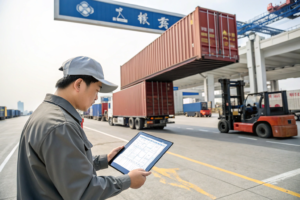
The logistics infrastructure in Keqiao is built for textile exports. The area has specialized freight forwarders who understand how to pack and ship fabric rolls. The ports of Ningbo and Shanghai are both within easy trucking distance. A container loaded in our facility can be on a vessel within 24 hours.
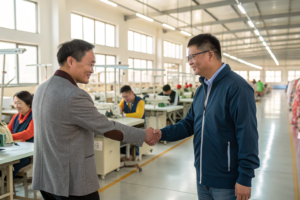
A European client visited our facility for the first time in 2023. He had been sourcing from factories in other parts of China for years. When he saw Keqiao, he understood immediately why we're able to deliver consistently. He saw the yarn suppliers across the street, the dye house down the road, the finishing specialists around the corner. The ecosystem is complete. That's something you can't replicate in a location that's not a textile cluster.
How Does Scale Translate to Reliability?
Scale gives us capacity flexibility that smaller factories don't have. When a client needs to increase their order volume quickly, we can absorb that growth without compromising quality.
We have multiple production lines for different fabric types. If one line is fully booked, we have others. If a client needs a rush order, we have the capacity to adjust our schedule without disrupting other clients.
We maintain relationships with backup suppliers for critical materials. If our primary yarn supplier has a disruption, we have alternatives. This redundancy means we rarely have to tell a client "we can't do it."
A US client doubled their order volume in a single season. Their previous supplier couldn't handle the increase and told them they'd have to split the order across three factories. The quality was inconsistent. The client came to us. We absorbed the increased volume across our production lines. Every roll was consistent. They've been with us for four years.
What Quality Systems Ensure Consistent Woven Fabrics?
Quality isn't an accident. It's the result of systems, testing, and a culture that treats quality as non-negotiable. Our approach to quality control covers every step from incoming yarn to outgoing shipment.
What Is Our CNAS-Accredited Testing Center?
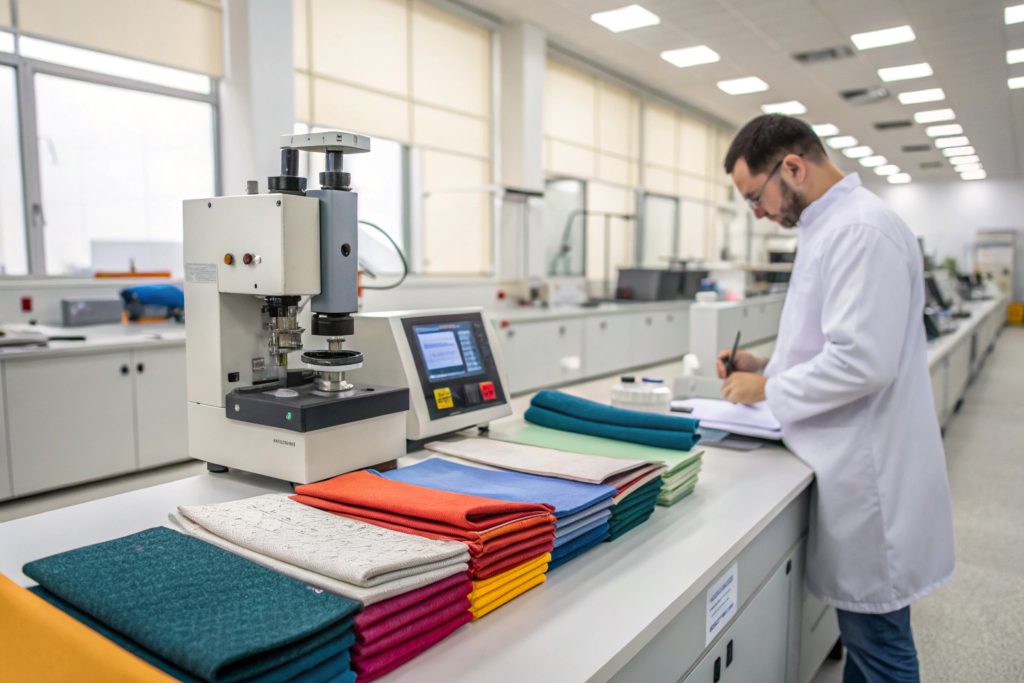
Our testing center is CNAS-accredited. That's not just a badge on the wall. It means our testing methods, equipment, and technicians meet national standards. The results we produce are accepted by labs around the world.
We test every batch of fabric for the specifications that matter to our clients. Composition verification ensures the fiber content matches what we promised. Shrinkage testing ensures the fabric will perform in washing. Colorfastness testing confirms that colors won't bleed or fade. Tensile strength testing verifies durability.
The testing isn't just for our benefit. We provide QR code tracking on every batch. Scan the code, and you get real-time access to the test results for your specific fabric. Composition, shrinkage, colorfastness, safety data—all available immediately.
A Canadian children's wear client uses our QR codes on their garment tags. Their customers can scan the tag and see the test results for the exact fabric in the garment they're holding. That transparency has become a selling point for their brand. Parents trust them because they can see the proof.
How Does Our Four-Point Inspection System Work?
The four-point system is the industry standard for fabric inspection, but not every supplier uses it consistently. We do.
Every roll of woven fabric goes through inspection before it leaves our facility. Our inspectors grade each roll based on the number and size of defects. A roll that doesn't meet our standards—or your standards—doesn't ship.
We inspect for the defects that matter in production. Slubs, knots, and thick places in the yarn can cause problems in cutting and sewing. We catch them. Color variation within a roll or between rolls can ruin a garment line. We check every roll against the standard. Weft distortion can cause twisting in finished garments. We measure and control it.
The inspection data is recorded and tracked. If we see a pattern of defects from a specific production line or a specific batch of yarn, we investigate and correct the root cause. That continuous improvement is why our defect rates stay low.
A UK client told me they switched to us because their previous supplier had no consistent inspection system. One shipment would be fine. The next would have 10% defects. They couldn't plan their production because they never knew what they'd get. With us, they know. Our inspection reports give them confidence before the fabric even leaves our facility.
What Is Our Approach to Production Consistency?
Consistency is harder than it sounds. Producing one perfect roll of fabric is easy. Producing 500 rolls that are all perfect—that's the challenge.
Our approach starts with yarn. We source from suppliers who can deliver consistent quality over time. We test incoming yarn to ensure it meets our specifications before it goes to the weaving floor.
We control our weaving environment. Temperature and humidity affect how yarn behaves. We maintain consistent conditions in our weaving facility to reduce variability.
We monitor our machines. Our technicians track loom performance, checking for issues that could affect fabric quality. Preventive maintenance keeps machines running consistently.
We control our finishing processes. Dyeing and finishing are where many fabric inconsistencies appear. Our dyeing partners work to our specifications, and we verify results in our lab.
A US client orders the same woven cotton twill from us every season. The fabric is the foundation of their best-selling pant. They've been ordering from us for three years. Every shipment has been consistent. That's not luck. That's a system designed to deliver the same result, order after order.
How Do We Support Clients Across the Supply Chain?
Reliable manufacturing isn't just about making good fabric. It's about supporting your clients through the entire process, from development to delivery.
What Development Services Do We Offer?
We don't just wait for clients to send us specifications. We help them develop fabrics that meet their needs.
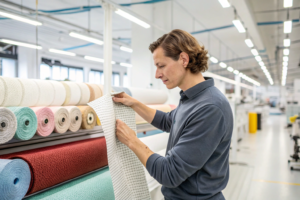
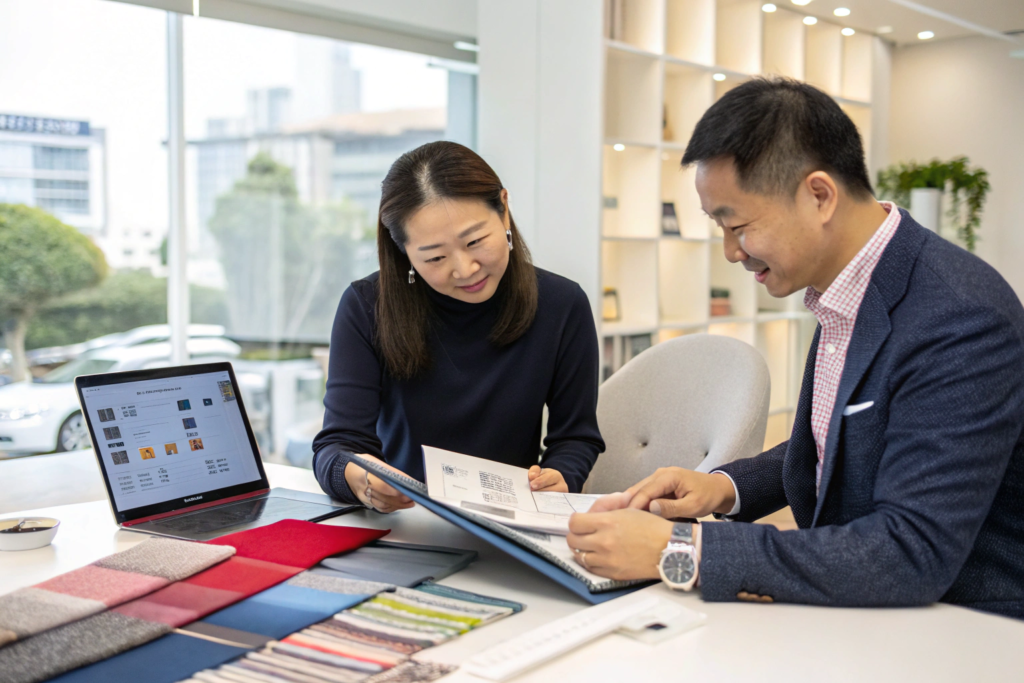
Our 48-hour sample development is a service our clients rely on. When you need a sample quickly to show a buyer or test a design, we can produce it in two days. That speed gives you flexibility in your development cycle.
Our R&D team works with clients who need something new. A custom blend. A specific finish. A novel construction. We have 20+ R&D experts who can develop new fabrics to meet your requirements.
We provide tech pack support. Not every brand has a full technical design team. We can help translate your vision into a specification that our production team can execute.
A European client came to us with a concept for a sustainable woven fabric—a blend of recycled cotton, Tencel, and hemp. They had never worked with hemp before. They weren't sure the blend was possible. Our R&D team developed samples. We tested different ratios until we found the combination that gave the hand feel they wanted with the sustainability profile they needed. That fabric is now the foundation of their best-selling line.
How Do We Handle Logistics and Shipping?
Shipping fabric from China can be complicated. We make it simple.
We offer DDP shipping to the US and Europe. That means we handle everything from our factory to your door. One price. One invoice. No surprises.
We manage customs documentation. We know what documents each market requires. We file ISF for US shipments. We prepare certificates of origin for EU shipments. We handle it so you don't have to.
We track shipments and provide updates. You know when your fabric leaves our facility, when it loads on the vessel, when it arrives at port, and when it's scheduled for delivery.
A US client switched to our DDP service after dealing with freight forwarders who charged separate fees for every service. They told me they used to get invoices from three different companies for every shipment. Now they get one invoice from us. Their accounting department loves it.
What Payment and Financial Stability Do We Offer?
Financial stability matters. A supplier who is struggling financially might cut corners or delay shipments. We're backed by strategic banking partnerships that ensure consistent cash flow for our operations.
We offer flexible payment terms for long-term clients. Net 30, net 60—we work with our clients to find terms that work for both sides.
We're not a trading company operating on thin margins. We own our facilities, our equipment, and our inventory. That financial stability gives our clients confidence that we'll be here for the long term.
A UK client was concerned about working with a new supplier after their previous supplier went out of business mid-order. They asked for our financial records, our banking relationships, and references from other long-term clients. We provided everything. They placed a test order. That was three years ago. They're still with us.
What Makes Our Client Relationships Different?
At the end of the day, reliability is about people. Our team is our most important asset. The relationships we build with clients are what keep them coming back.
Who Is Our Team and What Experience Do They Bring?
We have over 40 dedicated professionals on our team. These aren't temporary workers brought in for peak seasons. They're experienced textile professionals who have been with us for years.
Our QC team has decades of combined experience in fabric inspection. They know what defects matter and what can be accepted. They've worked with clients across the world and understand different markets' quality expectations.
Our production team knows our machines, our materials, and our processes. They can troubleshoot problems before they become issues.
Our sales and account management team understands both fabric and business. They can help you navigate technical questions and commercial decisions.
A US client told me the reason they stay with us is our people. They've dealt with suppliers where they had to explain the same thing to a different person every time they called. With us, they have a dedicated account manager who knows their business, their specifications, and their history. That continuity saves them time and prevents mistakes.
How Do We Communicate with Clients?
Good communication is essential. We work to make it easy.
We respond to inquiries within 24 hours, usually much faster. We provide regular updates on orders without being asked. We answer questions clearly, not with vague responses.
We use shared tools for clients who want them. A shared project management board where you can see order status, test results, and shipping updates. A shared folder for tech packs and approvals. Tools that reduce the back-and-forth.
We have English-speaking account managers. Language barriers are a common frustration when sourcing from China. We've eliminated that barrier.
A French client told me they appreciate that they can pick up the phone and talk to someone who understands their concerns without having to repeat themselves. That communication efficiency is one of the reasons they've been with us for five years.
What Do Long-Term Clients Say About Working with Us?
I won't name specific clients, but I can share what they tell us.
They tell us they value the consistency. Order after order, the fabric is the same. No surprises.
They tell us they value the responsiveness. When they have a question, they get an answer. When they have a problem, we help solve it.
They tell us they value the transparency. The QR codes. The test results. The open communication. They know what they're getting.
They tell us they value the partnership. We're not just a vendor. We're invested in their success.
A Canadian client who has been with us for seven years told me recently that the best decision they made was finding a supplier they could trust. Before us, they were constantly chasing quality issues, dealing with delayed shipments, managing communication problems. Now they focus on their business. We handle the fabric.
Conclusion
Shanghai Fumao is a reliable woven fabric manufacturer because we've built our business on the foundation that matters to brands. We have the infrastructure—a large-scale weaving factory, cooperative dyeing and finishing facilities, printing and embroidery capabilities, and integrated quality control. We have the systems—a CNAS-accredited testing center, four-point inspection, and QR code tracking for full transparency. We have the people—experienced professionals who know fabric and understand client needs. And we have the commitment—to quality, to consistency, to partnership.
We're based in Keqiao, at the heart of the world's largest textile cluster. That location gives us access to the materials, services, and logistics infrastructure we need to serve clients efficiently. We've invested over two decades in building our capabilities. We've worked with brands across the US, Europe, and Asia. We've learned what reliability means and we've built our operations to deliver it.
If you're looking for a woven fabric manufacturer who will treat your business with the care it deserves, we're ready to talk. Whether you're launching a new collection or looking for a more reliable partner for your existing line, we can help. Our team can guide you through fabric selection, development, production, and shipping. We don't just sell fabric. We build the relationships that help brands grow.
Let's start that conversation.
Contact our Business Director, Elaine, to discuss your woven fabric needs.
Email: elaine@fumaoclothing.com