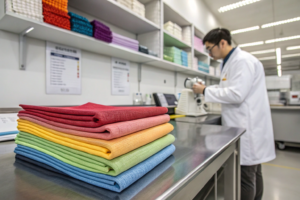
To be honest, after twenty years in this business right here in Keqiao, I've come to realize something—most buyers get overwhelmed by technical specs. But yarn count? Personally I think it's the one thing you really can't afford to ignore. It's not just numbers on a page; actually, it's the secret language that determines whether your fabric will be a bestseller or a warehouse leftover.
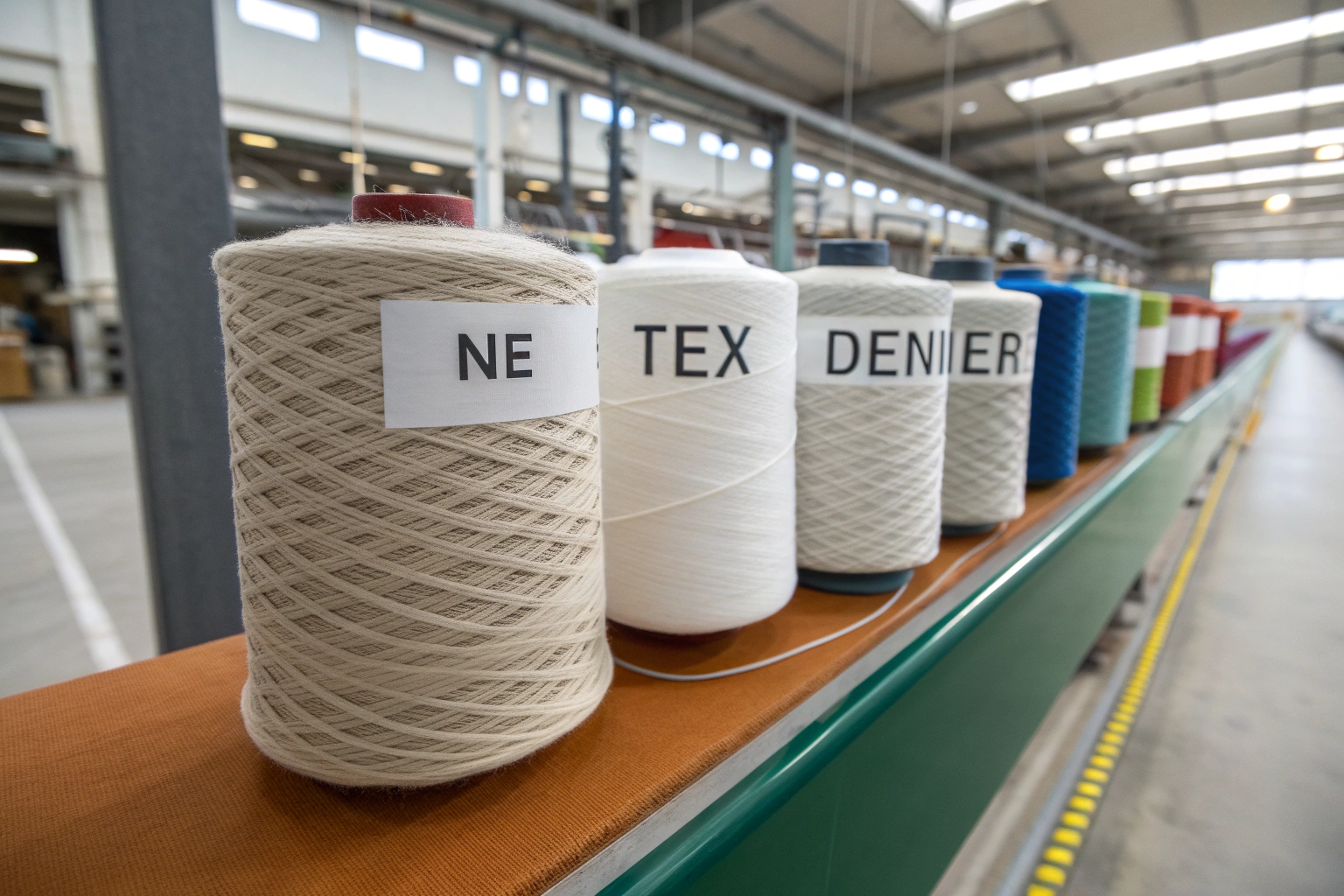
Simply put—and I'm cutting through all the technical jargon here—yarn count tells you how thick or thin your yarn is. The Ne system, Tex, Denier... different names for the same basic idea. Getting this right means everything for your final product's quality and cost. Honestly, it's that important.
Let me be straight with you—we're going to demystify this entire topic. By the time you finish reading, you'll be speaking yarn count like a seasoned pro. No confusion, no guesswork—just clear, practical knowledge you can use in your next sourcing decision.
What exactly is yarn count—and why should you care?
When you're flipping through fabric samples or checking supplier quotes, those numbers can seem meaningless. But here's the thing—they're anything but. Yarn count is, to put it simply, the DNA of your fabric. It determines everything from how the fabric feels in your hand to how long it will last on the shelf.
Actually, let me break this down in plain English. Higher numbers in the Ne system mean finer yarns—think luxurious, soft materials that drape beautifully. Lower numbers? Thicker, more durable yarns perfect for workwear or heavy-use items. It's not rocket science—but personally I think many suppliers overcomplicate it.

How do these measurement systems actually work in practice?
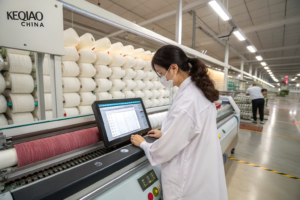
The Ne system—we use it daily here at our factories—measures how many 840-yard hanks make up one pound. Counterintuitive, I know—but that's how the cotton industry has done it for generations. Tex is more straightforward—grams per 1000 meters. Denier? That's our go-to for synthetics—grams per 9000 meters. Different languages for different fiber types, really.
Why does this matter for your bottom line?
Here's the truth—I've seen too many buyers make expensive mistakes here. Ordering what they thought was medium-weight fabric, only to receive something sheer and delicate. Or worse—paying premium prices for thickness they didn't need. The yarn count directly affects your material costs, production efficiency, and ultimately—your profit margins.
Ne vs Tex vs Denier—what's the real difference?
Honestly, I understand the confusion. Three systems measuring essentially the same thing? It does seem redundant. But each system evolved for specific industries—and knowing which to use when... well, that's part of the art of fabric sourcing.
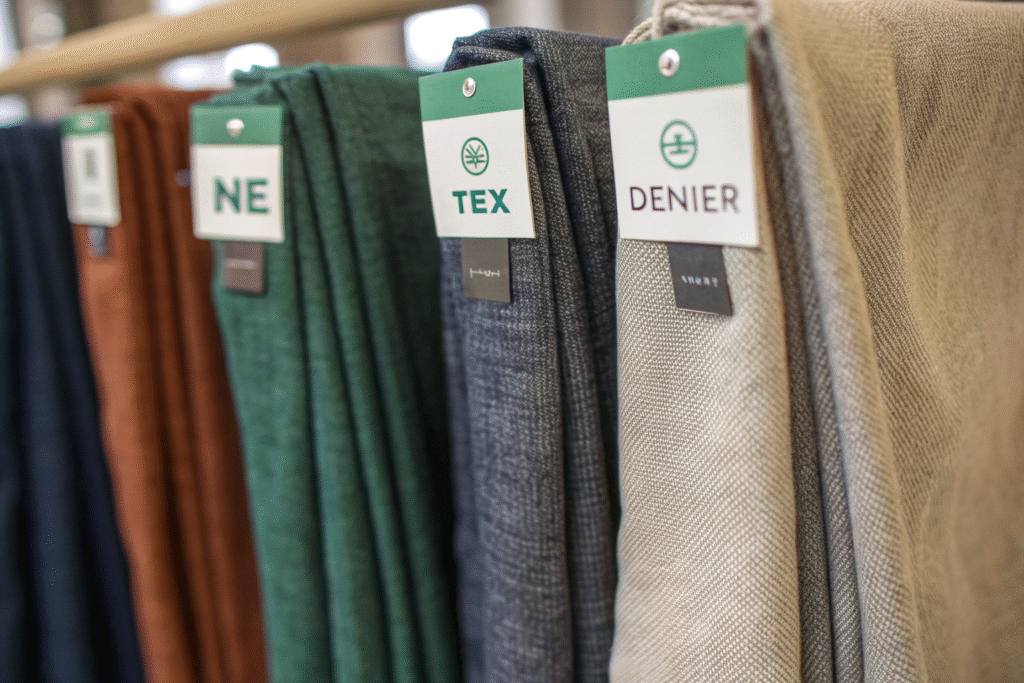
Ne for natural fibers—that's our rule of thumb. Tex when you need universal clarity. Denier for synthetics and technical fabrics. The difference isn't just academic—it's practical. Using the wrong system to specify your yarn is like using the wrong measurement system to build a house. The pieces just won't fit right.
When should you insist on Ne counts?
If you're working with cotton, linen, wool—any natural fiber really—Ne is your language. The fashion industry, the home textiles market—they all speak Ne. A high Ne number means finer, more premium yarn. Personally I think it's the most intuitive system once you understand it.
When do Tex and Denier become important?
Functional fabrics—that's where these systems shine. Activewear, outdoor gear, technical textiles. Denier gives you that precise control over thickness and strength that performance fabrics demand. Tex—well, that's becoming the international standard, honestly. Especially for global brands that need consistency across different production regions.
How yarn count secretly controls fabric quality
This is where it gets interesting—how these numbers translate into real-world fabric performance. The hand-feel, the durability, the drape—none of these are accidental. They're direct results of yarn count choices made long before the fabric hits the cutting table.
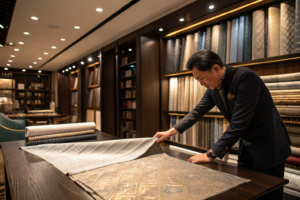
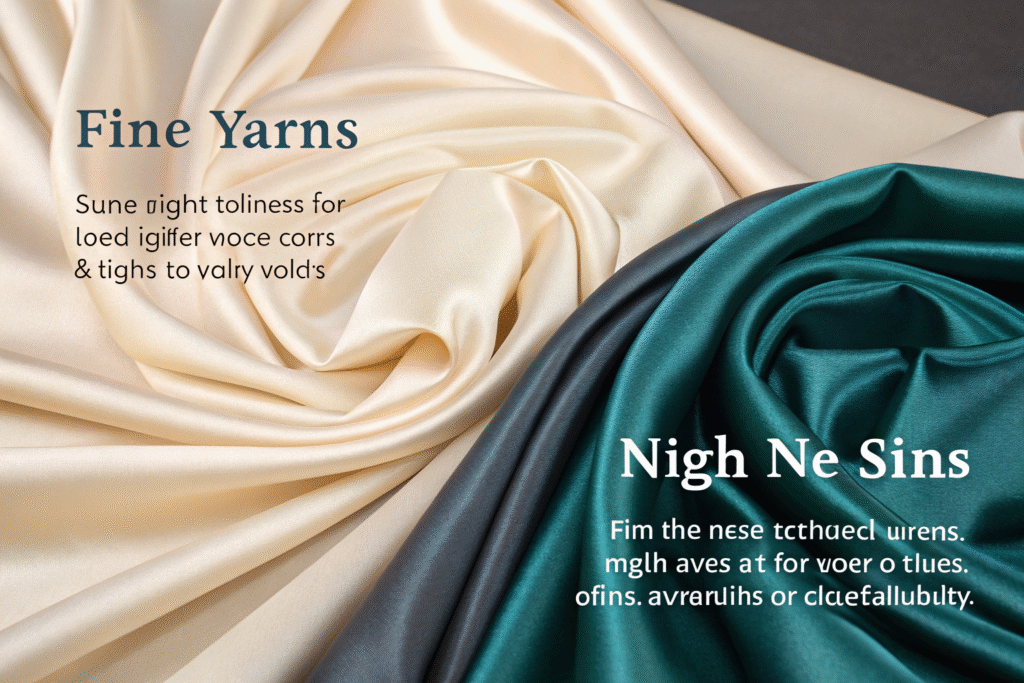
Fine yarns—high Ne numbers—create fabrics that are smooth, lustrous, almost silky. They drape close to the body, move with elegance. Thicker yarns give you substance, texture, durability. But here's the thing—it's not just about choosing fine or coarse. The magic happens in matching the yarn count to the product's actual needs.
Is durability really just about thickness?
Common misconception, actually. Thicker yarns are generally more durable—true. But a finely spun high-count yarn, woven tightly... that can achieve remarkable strength too. It's about construction as much as raw material. I've seen Ne 80 fabrics outlast Ne 20 fabrics in certain applications. Surprising, but true.
What about that elusive "hand-feel" everyone talks about?
Hand-feel—that subjective quality that makes customers fall in love with a garment. It starts with yarn count. Finer yarns feel softer, more luxurious against the skin. Thicker yarns feel more substantial, sometimes rougher. But here's an insider secret—the finishing processes can modify this, but the foundation is always the yarn count.
Choosing the right yarn count—practical advice
Now for the part that really matters—making the right choice for your specific project. Because here's the truth—there's no universal "best" yarn count. Only what's best for your design, your market, your price point.
Start with the end use—always. Who's wearing this garment? How are they using it? What's their expectation for comfort versus durability? Then—and this is crucial—be honest about your budget. Higher yarn counts generally cost more, but the relationship isn't always linear. Sometimes a medium count with excellent construction beats a high count with poor construction.
What questions should you really be asking suppliers?
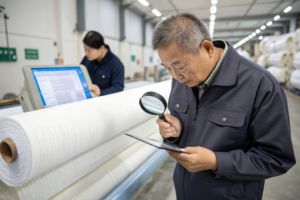
Don't just ask for the yarn count number—that's basic. Ask why they're recommending that specific count. Ask for comparison samples. Ask about alternatives that might save money without sacrificing quality. Personally I think the best suppliers are those who educate their clients, not just take orders.
Can you actually save money without compromising quality?
Absolutely—and this is where experience matters. Sometimes blending fibers lets you use a lower count while maintaining performance. Sometimes construction techniques can compensate. The goal isn't always the highest number—it's the right number for your specific needs. Smart fabric sourcing is about value, not just specifications.
Conclusion
So there you have it—yarn count demystified. Not just technical specifications, but the practical reality of how these numbers shape your final product. The difference between a fabric that sells and one that sits in inventory. The secret to balancing quality with cost.
Ready to put this knowledge into practice? Honestly, we live and breathe this stuff every day. Let's have a real conversation about your next project. Contact Elaine directly at elaine@fumaoclothing.com—she'll connect you with our technical team who can guide you to the perfect yarn count choices for your specific needs. No jargon, no pressure—just practical solutions that work for your business.