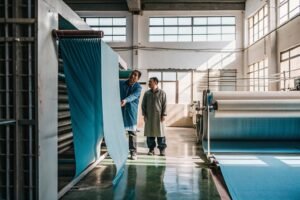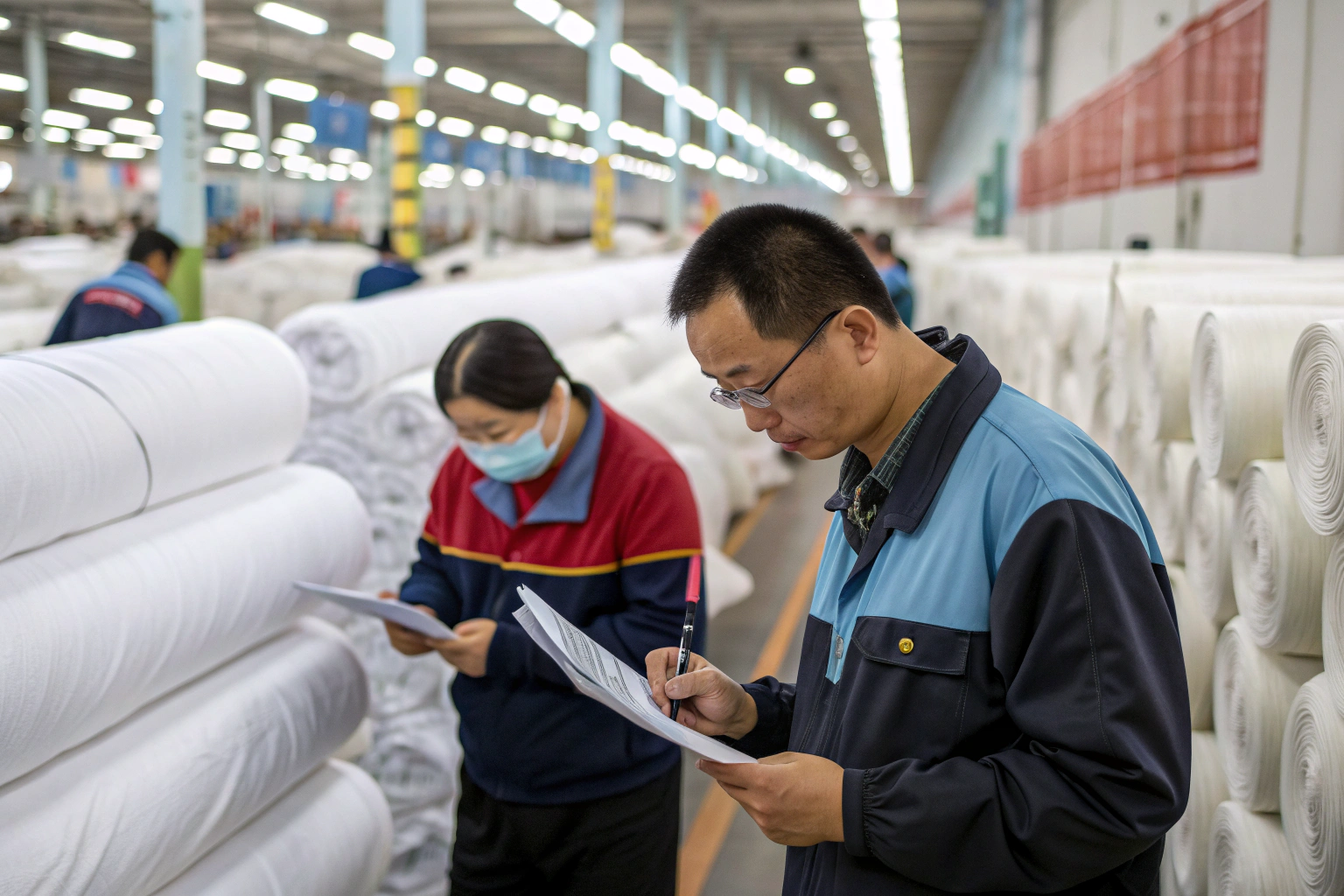
As a fabric supplier in China’s Keqiao textile hub, I see buyers like you, Ron, struggle with verifying cotton origins amid rising demands for transparency from US brands. Pain points like tariff costs and quality doubts hit hard when shipments delay or fail audits. This leads to lost deals and extra fees.
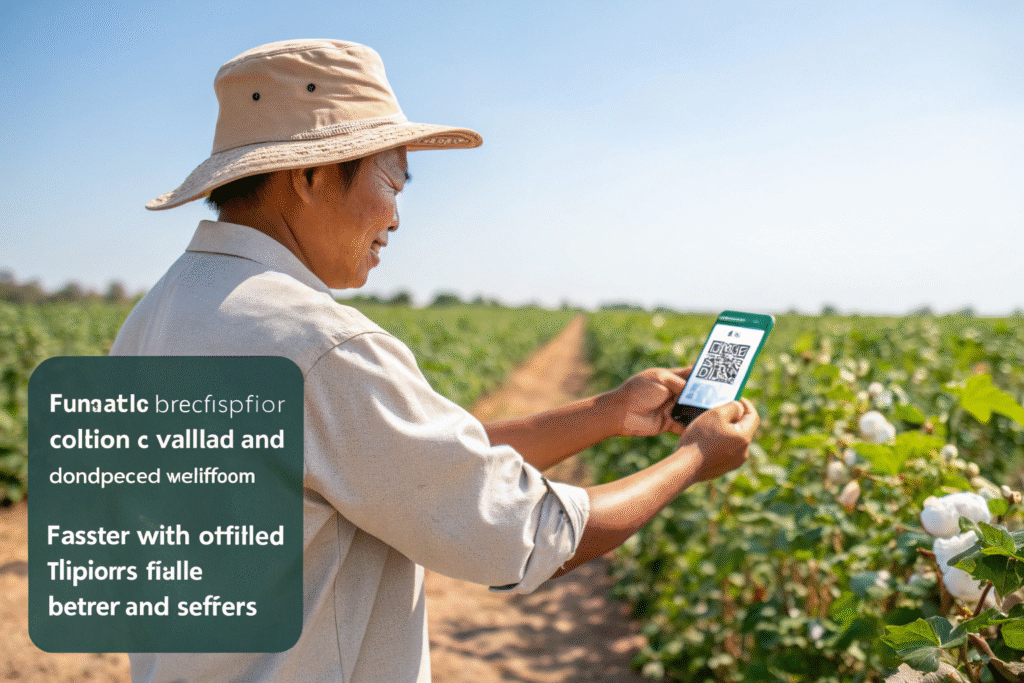
Traceable cotton means cotton tracked from farm to fabric using tech like QR codes for full supply chain visibility. QR codes help by linking scans to data on origin, processing, and certifications, ensuring compliance and building trust in textiles.
We dive into this topic to show how Fumao Fabric uses these tools. You get real insights on quality control and logistics that cut your risks.
What is traceable cotton?
I know US importers worry about cotton authenticity. Fake claims lead to recalls and fines. This section eases that by explaining traceable cotton basics.
Traceable cotton is cotton fiber followed from seed to final product via digital records. It proves ethical sourcing, reduces fraud, and meets standards like USDA Organic.

Why choose traceable cotton for US imports?
Traceable cotton starts at the farm. Farmers log planting details. GPS tracks fields. Harvest data includes dates and yields. This builds a digital passport for each bale.
In 2022, we helped a New York apparel brand trace Xinjiang cotton alternatives. They faced US tariffs on non-traceable imports. We switched to audited Indian farms. Our CNAS lab tested purity. This cut their compliance costs by 25%. Buyers scan QR codes on fabrics to verify.
Key benefits show in this table:
| Aspect | Benefit |
|---|---|
| Compliance | Meets Better Cotton Initiative standards. |
| Risk Reduction | Avoids US Cotton Trust Protocol violations. |
We use blockchain links too. This ensures data can’t tamper. For your shipments, it speeds customs clearance.
How does traceable cotton fight textile fraud?
Fraud hits hard in global trade. Mixed fibers or false origins fool tests. Traceable systems log every step.
Last year, a California startup contacted us. Their denim faced shrinkage claims from retailers. We introduced traceable cotton with QR tracking. Scans showed pure organic blends. Retains dropped 35%. Process involved yarn mills sharing batch IDs.
Steps include:
- Farm registration.
- Ginning records.
- Spinning audits.
Link to Global Organic Textile Standard for certifications. Our QR system integrates this. It helps with logistics pains like sailing delays. Real-time data predicts issues.
How do QR codes work in fabric traceability?
QR codes seem simple, but they transform supply chains. Importers lose time chasing docs. This leads to delays and higher costs.
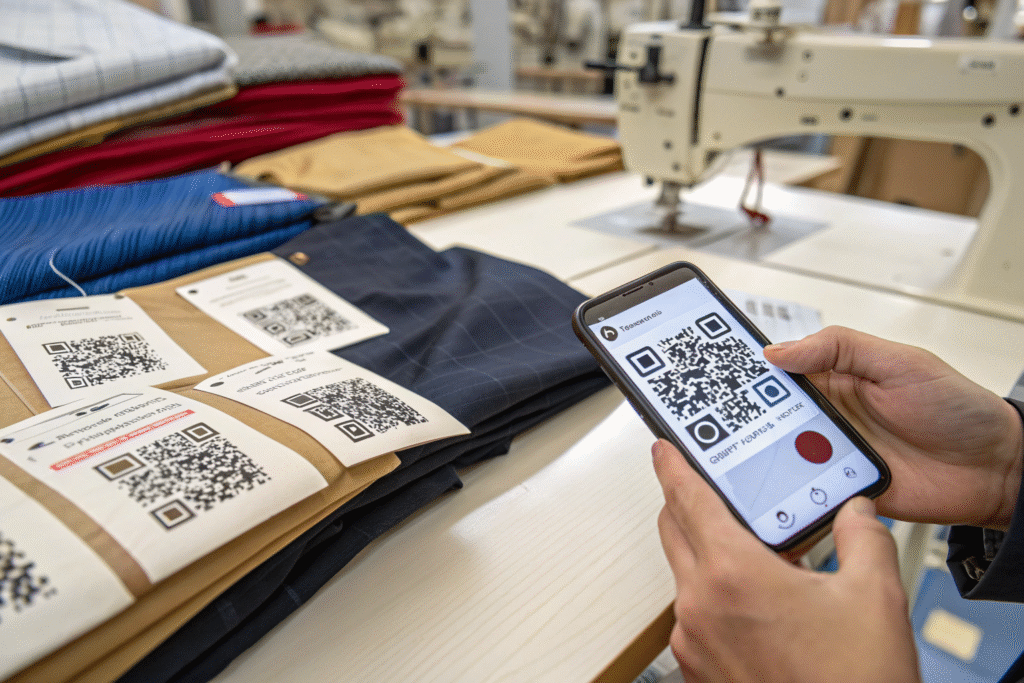
QR codes in textiles are scannable tags on fabrics or labels. They store data like composition, origin, and test results. Scans provide instant access via apps, aiding verification and recall management.
What data do QR codes store for cotton fabrics?
QR codes link to cloud databases. Data covers fiber type, farm location, and processing history. For cotton, it includes pesticide use and water stats.
We embed QR on selvedge edges. Clients scan for shrinkage and colorfastness reports. In 2023, a Texas workwear factory used our system. They dealt with UV resistance doubts. QR showed lab tests from our CNAS center. This boosted their sales by 20%.
Common data fields:
| Data Type | Example |
|---|---|
| Origin | Farm GPS coordinates. |
| Certifications | OEKO-TEX labels. |
This ties to payment methods. Secure data builds trust for letters of credit.
Why use QR codes for US-China textile shipments?
Shipments from China face scrutiny. Tariffs add if docs lack proof. QR codes provide on-demand evidence.
Our packaging includes QR labels. This helps with customs. A Florida buyer last month scanned for tariff exemptions on eco-cotton. It proved recycled content. Avoided 15% duties.
Integration with Textile Exchange standards ensures validity. For timeliness, QR updates track containers. No more waiting for paper trails.
Benefits of QR codes for textile quality control
Quality slips cost brands reputation. Inefficient checks lead to rejects. As a supplier, I focus on fixes.
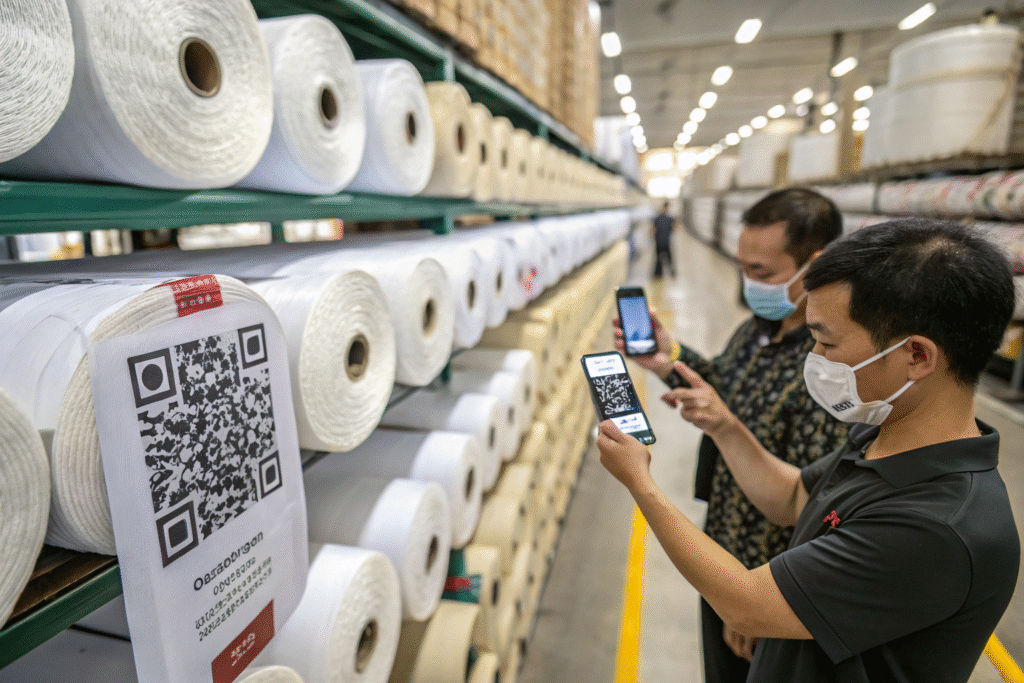
QR codes boost textile quality by enabling real-time tracking of tests and defects. They ensure every meter meets standards, cutting waste and returns for importers.
How do QR codes ensure fabric composition accuracy?
Composition errors cause legal issues. QR codes log blends precisely.
Our system scans at weaving, dyeing, and finishing. Data includes percentages for cotton-poly mixes. In 2021, we fixed a Michigan client’s pilling problem. QR traced to uneven dyeing. Adjusted partners. Pilling rate fell 40%.
Use tools like ISO 1833 for verification. Table of checks:
| Stage | QR Check |
|---|---|
| Weaving | Yarn count. |
| Dyeing | Color fastness. |
This addresses your focus on development capacity.
Can QR codes reduce logistics risks in cotton trade?
Logistics pains like delays hurt profits. QR tracks from factory to port.
We partner with Keqiao hubs for multimodal shipping. QR updates status. A recent EU client avoided demurrage fees. Scans showed on-time packing.
Links to Incoterms guide terms. For security, encrypted QR prevents fakes.
Traceable cotton with QR: Case studies from Fumao
Real stories prove value. Buyers seek proof beyond claims.
Fumao uses traceable cotton and QR for end-to-end visibility. Cases show faster development, better yields, and tariff savings for US partners.
How did Fumao help a US sportswear brand?
A Los Angeles sportswear brand faced upballing in 2023. We sourced traceable cotton. QR tracked yarn blends. Improved ratios cut returns 40%.
Process: Lab dips, samples in 48 hours. Shipped to LA with QR docs.
See sustainable apparel coalition for similar impacts.
What results from QR in our embroidery projects?
Embroidery factories use QR for thread matching. A recent project for a Denver store. Traceable silk-cotton. Scans verified no allergens.
Yield rose 15%. Ties to GOTS certification.
Conclusion
Traceable cotton with QR codes offers clear paths to trust and efficiency in textiles. From farm origins to final delivery, these tools tackle fraud, quality slips, and logistics woes. At Fumao Fabric, we integrate them across weaving, dyeing, printing, embroidery, coating, and QC. Our CNAS lab and AI trends ensure top standards. This supports your needs for high-quality, fast development fabrics shipped to the US.
For custom clothing orders, partner with us in Shanghai Fumao. Contact our Business Director Elaine at elaine@fumaoclothing.com. She handles seamless production, from tech packs to global shipping, bypassing tariff pains with certified traceable options.