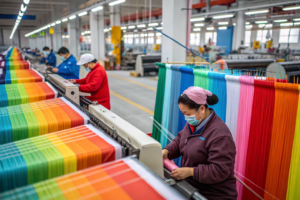
You have a breathtaking, intricate design—maybe a photorealistic floral or a complex geometric pattern with 20 colors. The traditional printing mill tells you it's impossible or will cost a fortune due to screen setup. Sound familiar? This was the dead end that blocked designers for decades. Digital printing shattered that wall. But now, the question isn't "can we print it?" but "how do we use this tool strategically to be faster, more sustainable, and more creative than ever before?"
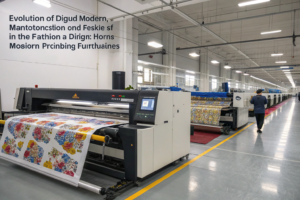
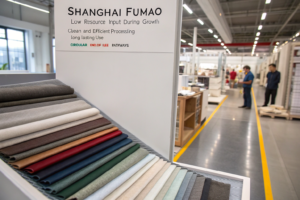
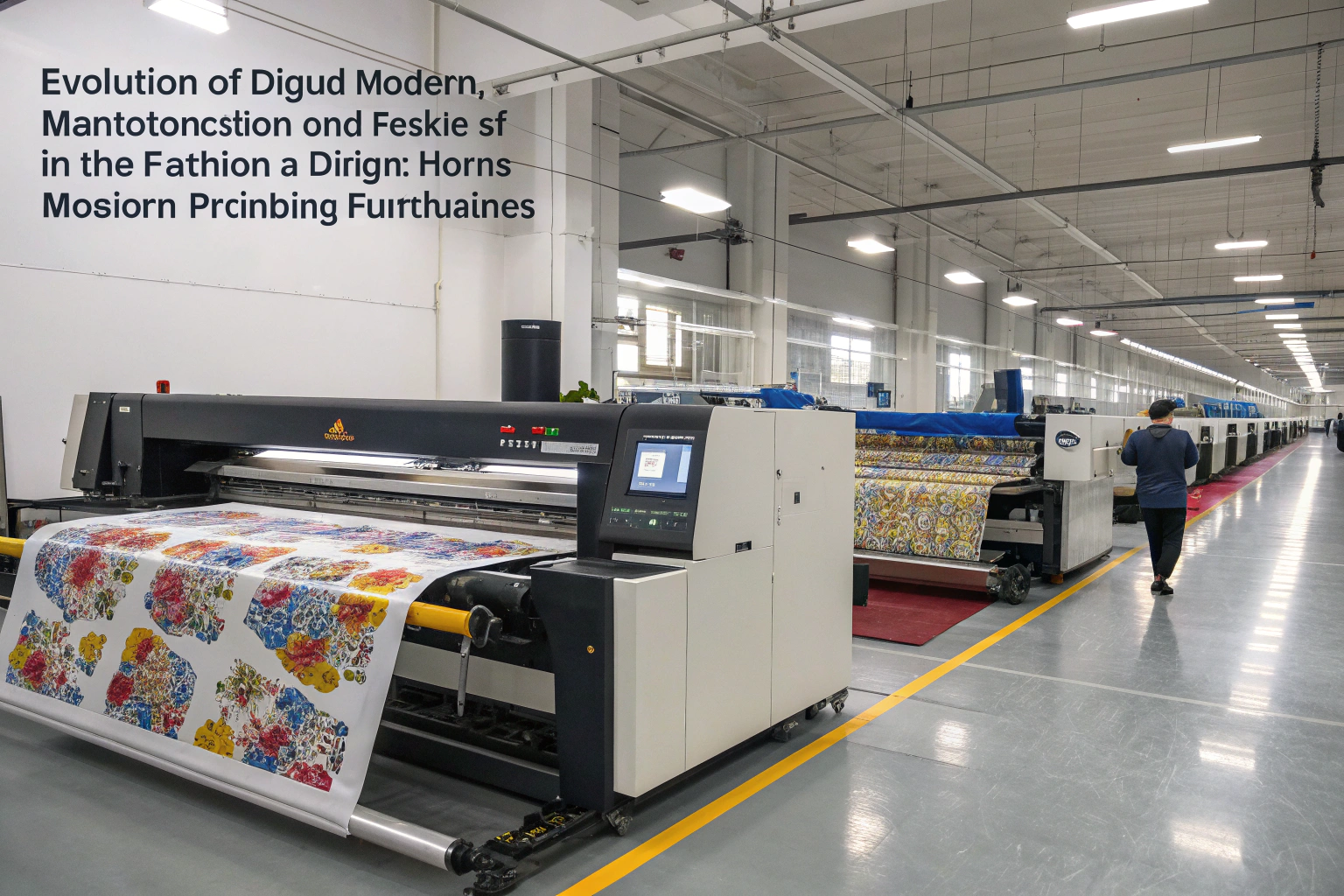
Digital printing's role has evolved from a prototyping novelty to the core engine of modern textile manufacturing, especially for fashion and home furnishings. It’s the bridge between limitless digital design and physical fabric, enabling mass customization, drastic waste reduction, and unprecedented creative speed. At Shanghai Fumao, our journey from operating traditional rotary printers to installing state-of-the-art Kornit and MS digital printing machines taught us this: digital printing isn't just a technique; it's a new business model for textiles.
This guide will demystify how digital printing actually works in a production environment, breaks down its real economic and environmental impact compared to analog methods, and provides a clear framework for deciding when to go digital versus traditional. Let's look beyond the marketing hype to the practical reality on the factory floor.
How Does Digital Printing Technology Actually Work on Fabric?
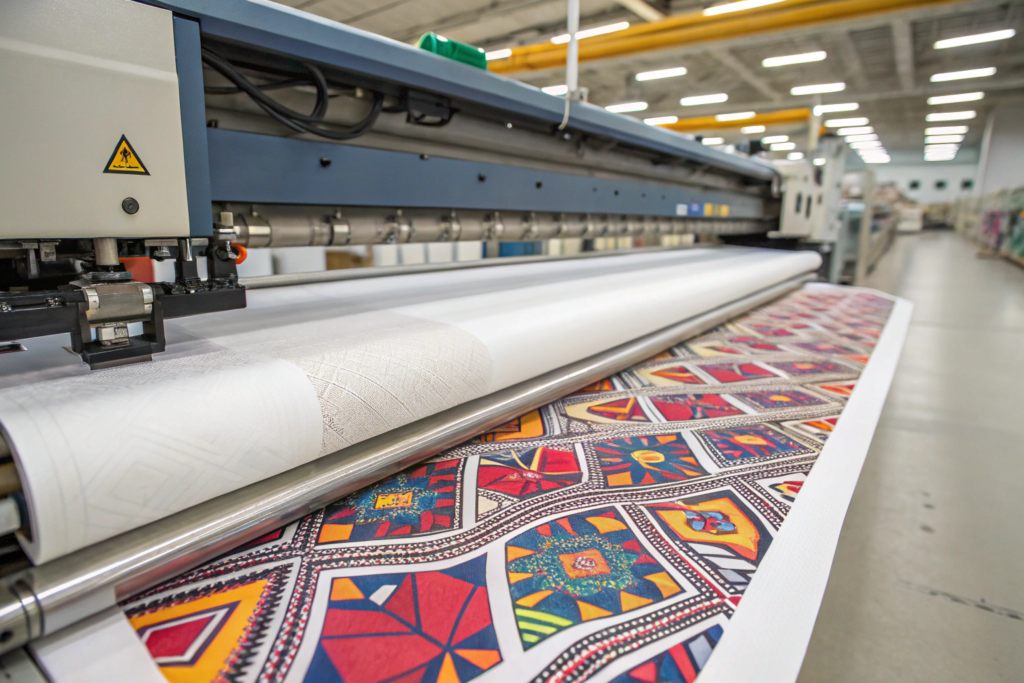
Forget everything you know about desktop inkjet printers. Industrial digital textile printing is a sophisticated process of precisely placing micro-droplets of specialized ink onto fabric, pixel by pixel. The magic lies in the ink chemistry, the fabric pre-treatment, and the fixing process that turns a digital file into a durable, wash-fast textile.
Our "aha" moment came in 2022 when a Los Angeles-based streetwear brand challenged us with a design featuring a hyper-detailed, watercolor-style graffiti artwork with subtle gradients. Traditional screen printing would have required over 30 separate screens, making it economically and technically unviable. Using our MS JP7 digital printer with reactive inks, we printed a 50-meter test run. The key was our pre-treatment process—applying a precise chemical coating to the organic cotton sateen to control ink absorption and ensure sharp edges. After steaming and washing, the result was a vibrant, soft-hand fabric that perfectly captured the artist's vision, with a turnaround from file to finished fabric of just 72 hours.
What Are the Different Types of Digital Printing Inks and Their Uses?
The ink defines the fabric and its performance. The four main types are:
- Reactive Inks: For natural fibers like cotton, linen, silk, and rayon. They form a covalent bond with the fiber molecules, offering excellent wash and rub fastness and a soft hand feel. This is the gold standard for fashion.
- Acid Inks: Primarily for protein fibers like silk, wool, and nylon. They offer brilliant, deep colors, especially on silks and swimwear nylons.
- Disperse Inks: For synthetic fibers like polyester. They require high heat to sublimate the ink into the fiber. Used extensively in sportswear and fast fashion.
- Pigment Inks: The most versatile, can adhere to almost any fiber with a binder. They don't require washing post-print, saving water, but can sometimes affect fabric hand feel. Great for mixed-fiber blends and samples.
Choosing the right ink system is the first critical decision. A deep dive into ink chemistry and fabric compatibility can help clarify this choice.
Why Is Pre-Treatment and Post-Processing So Critical?
Digital printing is a three-act play: Pre-Treatment, Printing, and Fixation.
- Pre-Treatment: Fabric is coated to prevent ink bleeding and to ensure color vibrancy. This step is as crucial as the printing itself.
- Printing: The digital file is directly printed.
- Fixation: For reactive and acid inks, this involves steaming (to fix the dye) and then thorough washing to remove excess ink and chemicals. For pigments, it’s a heat cure. This step determines the final colorfastness and softness. Poor fixation leads to fading and stiff fabric. Understanding best practices in post-processing for digital prints is essential for quality.
What Are the Real Cost and Sustainability Advantages?
The narrative often goes: "Digital is cheaper for small runs and more sustainable." This is mostly true, but the devil is in the details. The cost advantage isn't linear, and the sustainability story is about more than just water savings—it's about systemic waste reduction across the entire product lifecycle.
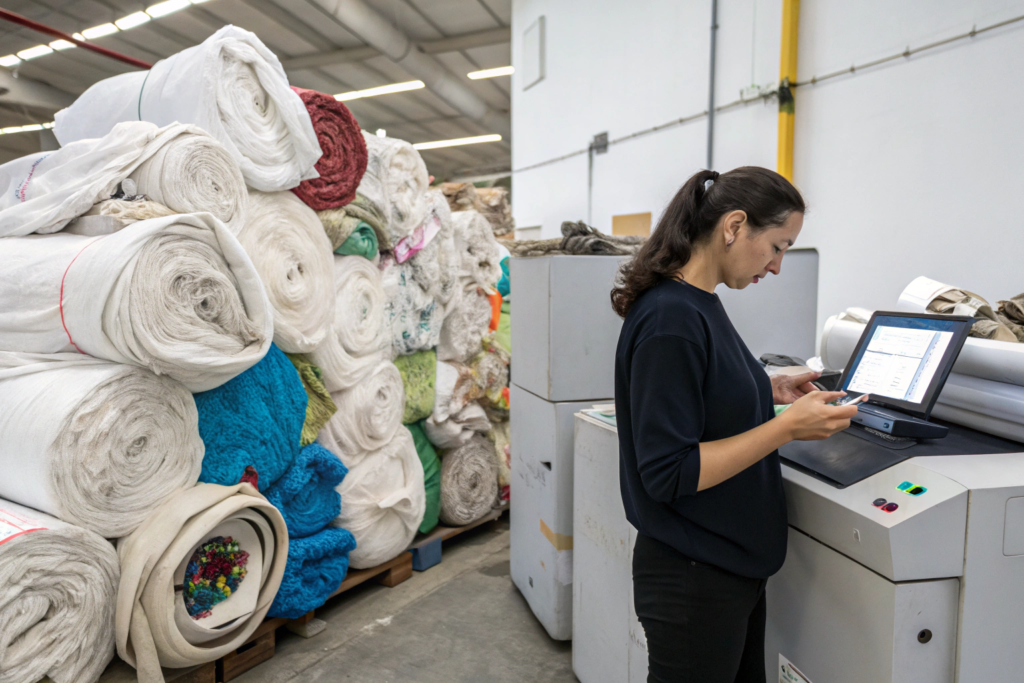
We quantified this for a UK-based interior decor brand shifting from rotary screen to digital for their cushion collections. For their average order of 300 meters per design, digital printing reduced water consumption by approximately 70% (no screen washing, less fabric washing) and energy use by 50%. But the bigger win was in inventory. They moved from forecasting and printing 10,000 meters of 5 designs to printing 300-meter lots of 30 designs on demand. This slashed deadstock fabric waste by over 90% and allowed them to test new patterns with minimal risk. The higher cost per meter for digital was offset by the massive reduction in wasted capital tied up in unsold inventory.
How Does the Cost Structure Compare for Short vs. Long Runs?
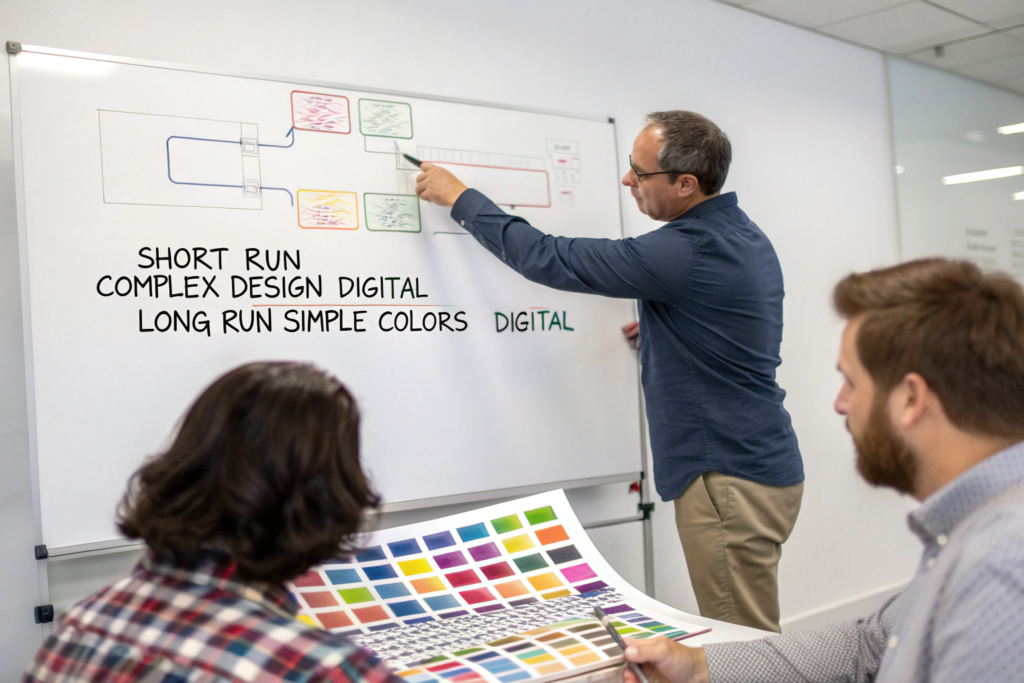
Digital printing has no upfront screen costs. Your cost is essentially linear: fabric + ink + processing. Traditional printing has high fixed costs (engraving screens, which can be $50-$200 per color) but lower variable costs per meter at high volumes.
- Break-Even Point: This is where the total costs equalize. For a complex 10-color design, the break-even can be as high as 800-1000 meters. For a simple 2-color design, it might be under 100 meters.
- The True Economic Advantage: Digital's real power is in enabling profitable small-batch and made-to-order production models that were previously impossible. It turns inventory risk into a managed variable cost.
Beyond Water, What Are the Key Environmental Benefits?
The sustainability case is robust:
- Drastically Reduced Chemical Waste: No screen cleaning chemicals are flushed down the drain.
- Minimal Fabric Waste: Precise, on-demand printing means you only print what you sell. No more 10,000-meter commitments.
- Enabled Localized Production: Designs can be sent digitally and printed closer to the end market, reducing carbon footprint from shipping heavy fabric rolls globally.
- Toxicant Reduction: Many modern digital inks, especially newer eco-friendly pigment inks, have lower heavy metal content and are Oeko-Tex certified. Resources like The Sustainable Apparel Coalition's Higg Index help measure this impact.
How Is Digital Printing Driving Design Innovation and Customization?
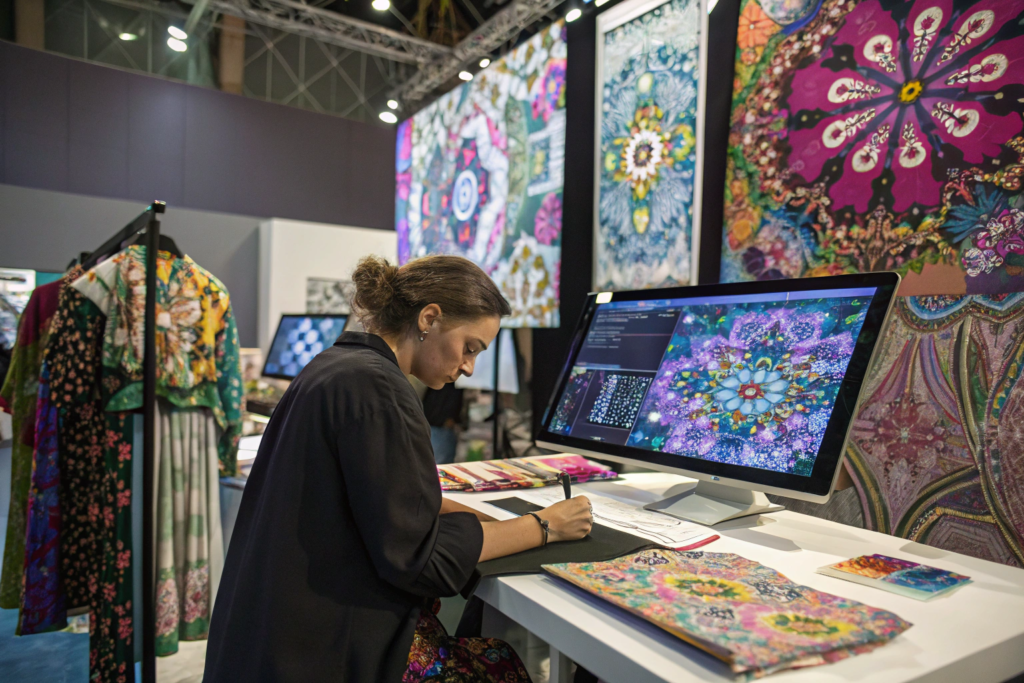
This is where digital printing transitions from a production tool to a creative revolution. It has removed the technical constraints that historically limited textile designers. Unlimited colors, photorealistic detail, gradient effects, and the ability to change designs instantly have opened a new universe of aesthetic possibilities.
Our most innovative project involved creating personalized, woven-effect jacquards via digital printing. A high-end bedding brand wanted the luxurious look of a complex jacquard weave but with the agility of print. Using digital printing with specialized pigment inks, we simulated the depth and texture of a jacquard on a simple cotton base cloth. The client could then offer "custom monograms" digitally integrated into the pattern for individual customers, something truly unthinkable with a mechanical loom. This project, developed in our Keqiao lab, blurred the line between weaving and printing and opened a new product category.
What Design Capabilities Are Now Possible?
- Unlimited Color Gamut: Print millions of colors without extra cost.
- Photorealistic Printing: Directly print photographs or hyper-realistic artwork.
- Engineered Prints: Precisely place patterns to match garment cuts, minimizing fabric waste during cutting (a process called marker optimization).
- Mass Customization: Each meter can be different. Think personalized labels, unique serial numbers, or customer-submitted artwork printed on demand.
How Are Brands Using This for Marketing and Customer Engagement?
Forward-thinking brands use digital printing's flexibility for:
- Capsule Collections: Rapidly produce small runs of trend-driven designs.
- Customer Co-Creation: Online tools let customers customize patterns or colors before ordering.
- Limited Editions: Create genuine scarcity and collectibility with numbered runs. The business strategy behind this is well-discussed in forums like Digital Printing for Textiles community groups.
What Are the Current Limitations and How to Overcome Them?
Digital printing isn't a panacea. For all its strengths, it faces challenges in speed, cost at scale, and consistency on certain fabrics. A smart sourcing strategy knows when to use digital and when to revert to traditional methods—or how to hybridize them.
We encountered a limitation head-on with a large order for polyester athletic leggings. The client needed a production speed and cost that digital disperse printing couldn't match for 20,000 meters. The solution was a hybrid approach: we used digital printing to create the perfect production sample and finalize the color separations. Once approved, we used those digital files to laser-engrave the rotary screens for traditional printing, achieving the required speed and cost-efficiency for bulk. Digital was the perfect R&D tool, while traditional handled the mass production.
When Does Traditional Printing Still Win?
Traditional methods (rotary, flatbed screen) are still superior for:
- Very Long Runs: Where the per-meter cost undercuts digital.
- Specialty Inks: Like metallics, fluorescents, or high-density gels that are challenging for current digital inkjet heads.
- Certain Fabric Hand Feels: Some traditional methods can achieve a softer hand on large volumes than some pigment digital processes.
What Are the Key Technical Hurdles in Digital Printing Today?
- Print Speed: While improving, it's still slower than high-speed rotary printing for bulk.
- Fabric Compatibility & Preparation: Not all fabrics run perfectly through every machine. Specialized pre-treatment is needed for each fiber type.
- Color Consistency: Matching a specific Pantone spot color can be trickier than with premixed paste inks, requiring expert color management workflows.
- Initial Investment: Industrial digital printers and their RIP software are a significant capital expenditure, which is why partnering with an established printer like Shanghai Fumao can be more accessible than owning the technology.
Conclusion
The role of digital printing in modern textiles is transformative and multifaceted. It is the key enabler for agility, sustainability, and boundless creativity in an industry often hampered by long lead times and massive waste. It has shifted power towards designers and brands that value responsiveness and uniqueness over sheer volume.
Understanding this technology is no longer optional for anyone serious about the future of fashion or textiles. It's about making an informed choice: leveraging digital for its unparalleled flexibility in prototyping and small-batch production, while respecting the economies of scale that traditional methods still hold for certain projects.
Ready to explore how digital printing can bring your most ambitious designs to life, reduce your environmental footprint, and unlock new business models? Contact our Business Director, Elaine, at elaine@fumaoclothing.com to discuss your digital printing project with Shanghai Fumao. Let's turn your digital vision into tangible, stunning fabric.