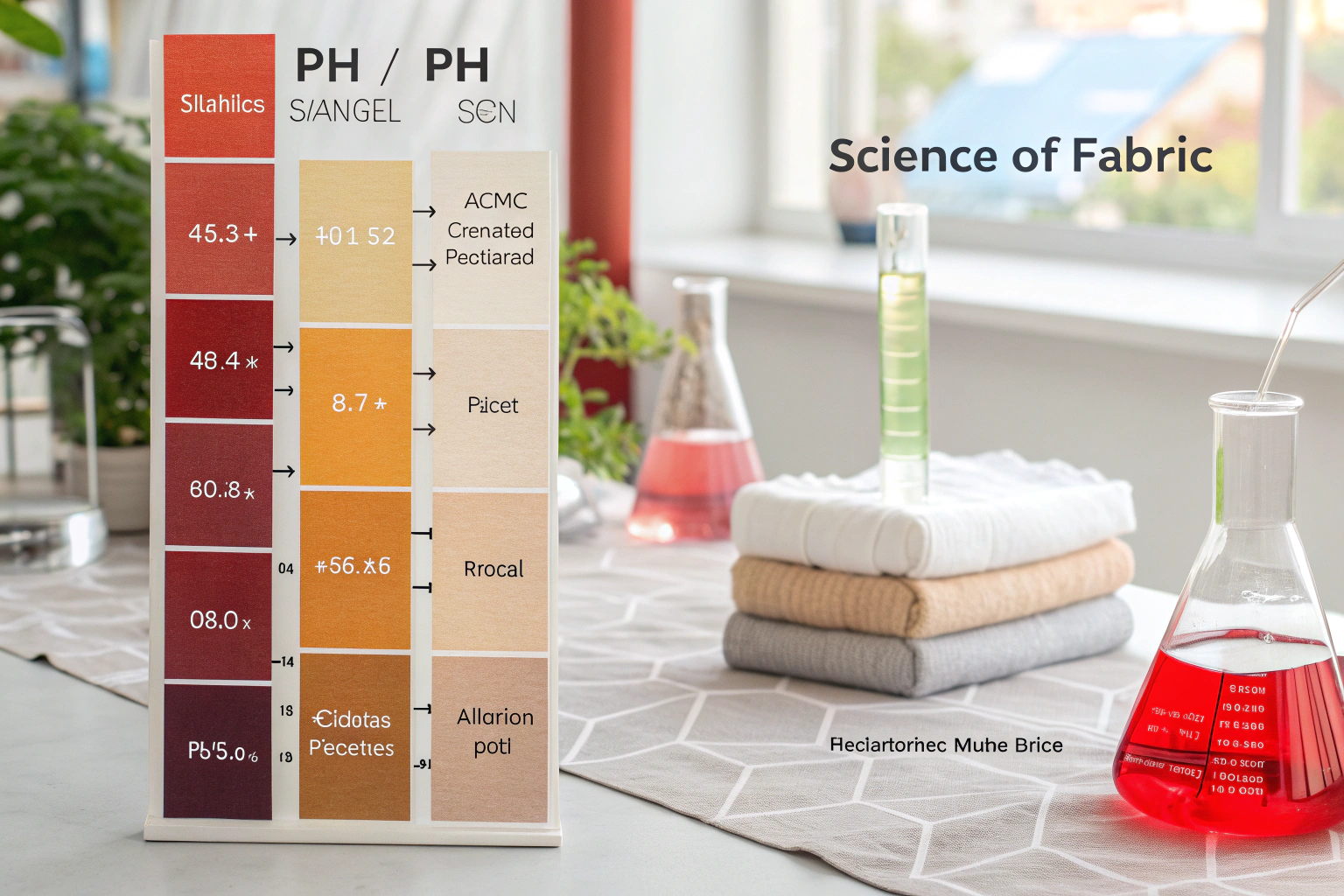
I remember the call that made me realize how many buyers overlook fabric pH. A German babywear brand had developed what they thought was the perfect organic cotton collection—GOTS certified, OEKO-TEX Class 1, beautiful softness. Then the complaints started. Parents reported that the onesies were causing diaper rash and skin irritation. Tests showed the fabric was fine by every standard except one: the pH was 8.5, significantly alkaline. For adult skin, maybe tolerable. For baby skin? Disaster. That $200,000 collection had to be recalled, and the brand learned what I'm about to tell you: fabric pH isn't just a technical specification—it's a safety and comfort issue that directly affects your customers' health.
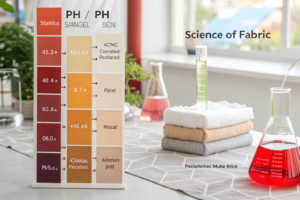
Fabric pH measures how acidic or alkaline a textile is on a scale from 0 (highly acidic) to 14 (highly alkaline), with 7 being neutral. Human skin typically has a pH between 4.5 and 5.5—slightly acidic. This acidity creates the "acid mantle," a protective barrier that inhibits bacterial growth and maintains skin health. When fabric pH differs significantly from skin pH, it can disrupt this barrier, leading to irritation, dryness, rashes, and even infections.
At Shanghai Fumao, we test every fabric we produce for pH, from basic cotton shirting to specialized medical textiles. The standards vary by application, but the principle is universal: fabric against skin should be chemically compatible with skin. Let me walk you through why pH matters and how to specify it correctly.
What Is Fabric pH and How Is It Measured?
Fabric pH is a measure of the hydrogen ion concentration in a textile, essentially indicating whether the fabric is acidic, neutral, or alkaline. It's determined by the fibers themselves and by the chemicals used in processing.
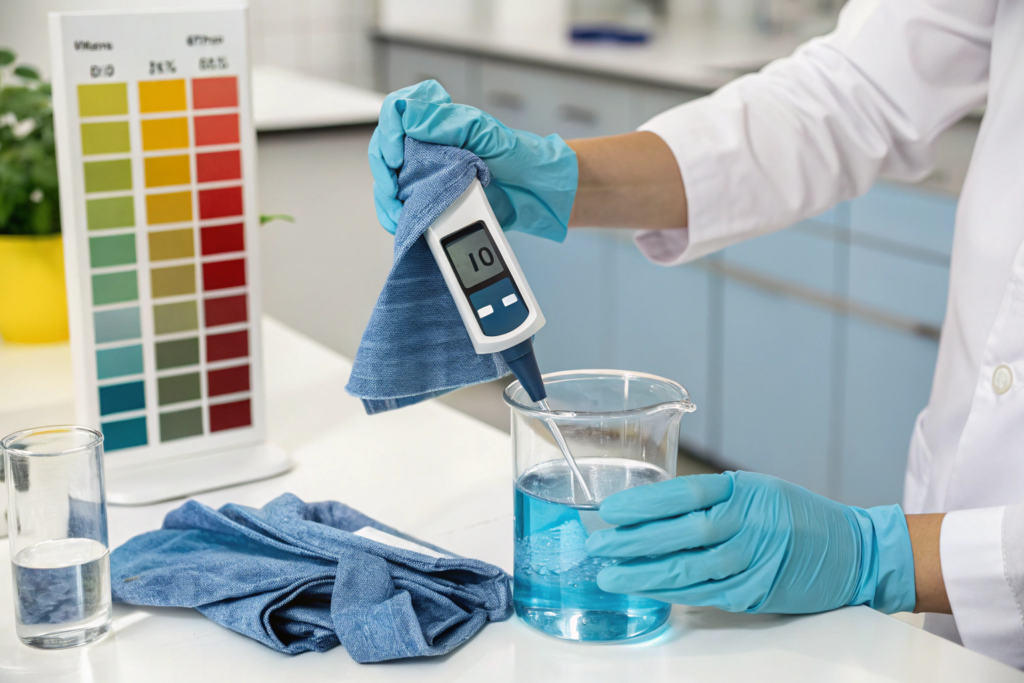
Why does fabric have pH in the first place?
Fabric pH comes from multiple sources:
Natural fiber properties: Wool and silk are naturally acidic (pH 4-6) due to their protein structure. Cotton is naturally close to neutral (pH 6-7). Linen similar.
Processing chemicals: Scouring, bleaching, dyeing, and finishing all use chemicals that affect pH. Acids or alkalis may remain if not properly rinsed.
Finishing treatments: Some finishes intentionally adjust pH for specific properties (like wrinkle resistance or softness).
Water quality: The water used in processing has its own pH that affects the final fabric.
The key is not whether fabric has pH—all fabric does—but whether the pH falls within an acceptable range for its intended use.
For a French luxury brand developing silk blouses, we maintain strict pH control because silk's natural acidity is part of its skin-friendly reputation. If finishing processes shift silk toward neutral or alkaline, the fabric loses some of its desirable properties. Fiber chemistry matters.
How is fabric pH tested?
Standard test methods include:
ISO 3071: International standard for determining pH of aqueous extract. Fabric is soaked in distilled water, the extract is measured with a pH meter.
AATCC 81: US standard similar to ISO 3071. Results are comparable but not identical due to slight procedural differences.
DIN 54275: German standard sometimes specified for European markets.
The test procedure:
- Cut fabric sample (typically 2g)
- Place in beaker with 100ml distilled water
- Shake or stir for specified time (usually 2 hours)
- Measure pH of the water extract with calibrated meter
- Report result to one decimal place
Critical factors: Water quality must be controlled (distilled, pH 5-7). Temperature affects readings. Meter calibration must be verified before each test.
For a Japanese textile importer, we provide pH test reports from our CNAS-accredited lab for every production batch. They've had zero pH-related complaints in three years. Consistent testing prevents surprises.
What is the difference between fabric pH and skin pH?
Human skin pH varies by:
- Body location: 4.0-5.5 on most areas, higher in armpits and groin
- Age: Babies have higher pH (6-7), adults lower, elderly higher again
- Gender: Slight variations, not practically significant
- Health: Skin conditions alter pH
The "acid mantle" (pH 4.5-5.5) protects against bacterial overgrowth and maintains skin barrier function. When fabric pH differs significantly, it can:
- Alkaline fabric (pH >7) : Disrupts acid mantle, allows bacterial growth, causes irritation
- Acidic fabric (pH <4) : Can also irritate, though less common
The ideal fabric pH for most applications is 4.0-7.5, with tighter ranges for sensitive uses. For baby products, 4.0-7.0 is typical. For medical textiles, 5.5-7.0 often specified.
A Danish medical textile client requires pH 5.5-6.5 for wound contact fabrics—neutral enough not to irritate damaged skin, slightly acidic to support healing. Skin compatibility requires pH precision.
What Are the Risks of Incorrect Fabric pH?
Incorrect pH isn't just uncomfortable—it can cause real harm, especially for sensitive populations. Understanding these risks helps you appreciate why pH specification matters.
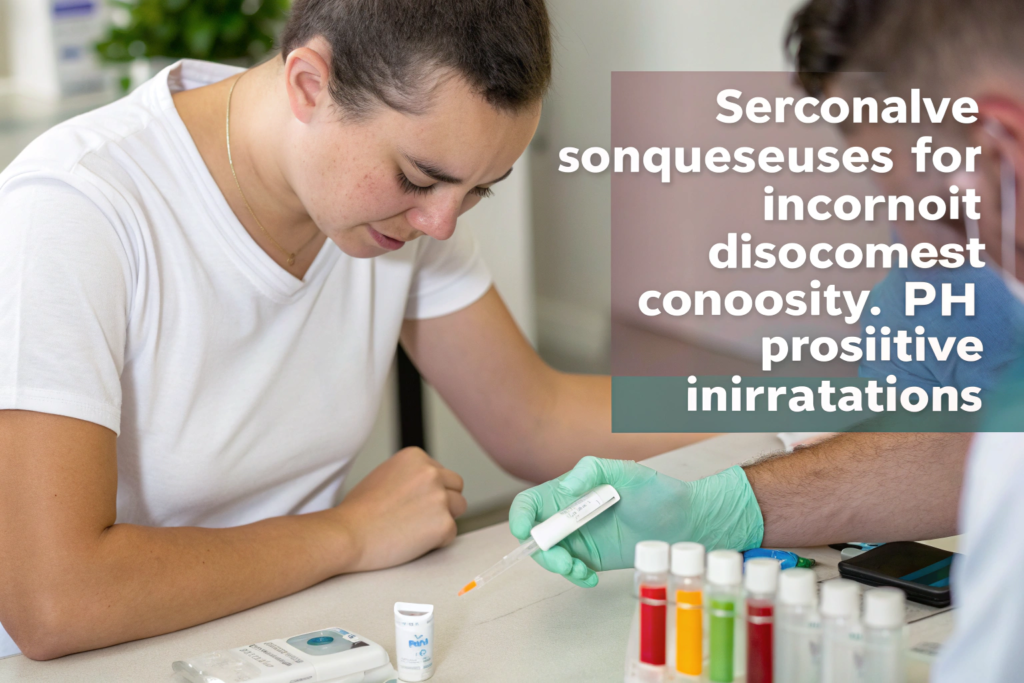
How does alkaline fabric affect skin?
Alkaline fabric (pH above 7.5-8.0) is the most common problem:
Barrier disruption: Alkaline conditions break down the skin's acid mantle, compromising its protective function.
Bacterial growth: Many harmful bacteria thrive in alkaline environments. Disrupted acid mantle allows overgrowth.
Irritation: Alkaline fabric can cause direct chemical irritation, especially in sensitive areas and with prolonged contact.
Dermatitis risk: Repeated exposure to alkaline fabric can trigger contact dermatitis, especially in predisposed individuals.
For a US healthcare client (hospital gowns), we specify pH 5.5-7.0 maximum. Patients in hospitals often have compromised skin barriers (from illness, medications, immobility). Alkaline fabric would increase their risk of skin breakdown. Healthcare textiles require stricter standards.
What about acidic fabric?
Acidic fabric (pH below 4.0) is less common but still problematic:
Direct irritation: Very acidic fabric can cause stinging, redness, and discomfort.
Fabric damage: Excessive acidity can weaken fibers over time.
Dye stability: Some dyes are unstable at low pH.
The threshold for concern is lower for acidity than alkalinity because skin naturally tolerates some acidity (it's acidic itself). Problems typically start below pH 4.0.
For a Canadian outdoor brand developing base layers, we found that some wool blends were naturally acidic (pH 4.5) but comfortable. When we tested pH 3.8 fabric (over-processed), wear testers reported itching and redness. The pH 4.5 version was fine. Acidity tolerance has limits.
Which populations are most vulnerable?
pH sensitivity varies by population:
Infants: Higher baseline skin pH (6-7), thinner skin, less developed barrier. More vulnerable to both alkaline and acidic irritation. Baby products should target pH 4.0-7.0, ideally 5.5-6.5.
Elderly: Skin pH rises with age, barrier function declines. More susceptible to irritation and infection.
People with skin conditions: Eczema, psoriasis, dermatitis patients have compromised barriers. Neutral to slightly acidic fabric recommended.
Medical patients: Wound care, bedridden patients, post-surgical—all have increased vulnerability.
Athletes: Sweat creates temporary skin pH changes. Prolonged contact with moisture and fabric increases sensitivity.
For a UK nursing home uniform supplier, we developed fabric with pH 5.5-6.5 and antimicrobial finish. The combination reduces skin irritation risk for elderly residents while maintaining comfort for staff. Vulnerable populations need extra protection.
What Are Acceptable pH Ranges for Different Applications?
pH requirements vary by product type, market, and certification. Knowing the right standard for your application prevents both under- and over-specifying.
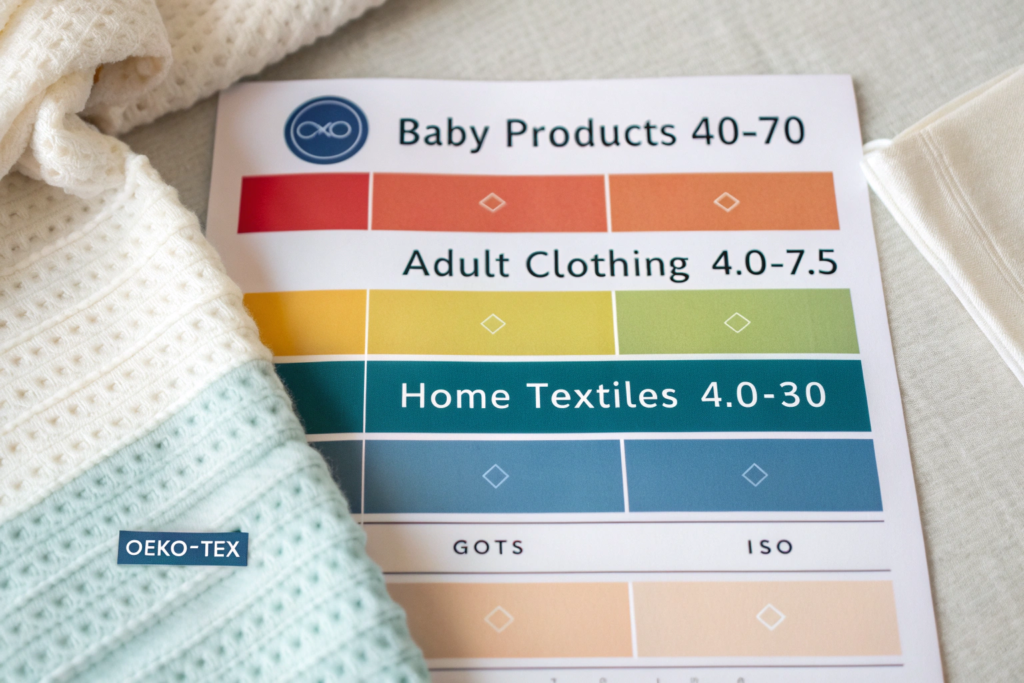
What do major certifications require?
Different certifications set different pH limits:
OEKO-TEX Standard 100:
- Class I (baby products): pH 4.0-7.5
- Class II (next-to-skin): pH 4.0-7.5
- Class III (outerwear): pH 4.0-9.0
- Class IV (home textiles): pH 4.0-9.0
GOTS (Global Organic Textile Standard) :
- pH 4.5-7.5 for all products (stricter than OEKO-TEX for some categories)
ISO 3071 doesn't set limits but defines test method. Limits come from buyer specifications or other standards.
REACH (EU chemical regulation): No specific pH limit but requires safety assessment.
Proposition 65 (California): No direct pH limit but affects chemical disclosures.
For a Swiss retailer supplying both EU and US markets, we follow OEKO-TEX limits as baseline, with tighter tolerances for baby products (4.5-7.0). This satisfies most market requirements while maintaining consistency. Certifications provide clear benchmarks.
How do pH requirements vary by fiber type?
Different fibers have different natural pH ranges:
Cotton: Natural pH 6-7. Processing can shift to 7-8 if not properly rinsed. Acceptable range 4.0-7.5.
Wool: Natural pH 4-5 (acidic). Over-processing can raise pH, damaging fiber properties. Acceptable range 4.0-6.5 for quality wool.
Silk: Natural pH 4-5.5. Acceptable range 4.0-7.0, but lower is better for preserving silk's hand feel.
Polyester/nylon: Synthetics have no natural pH; pH comes from processing. Range 4.0-7.5 typical.
Rayon/viscose: pH 5-7 typical. Can be controlled through processing.
For an Italian luxury brand specializing in wool, we maintain pH 4.5-5.5 for all wool products. This preserves wool's natural properties and meets their quality standards. Higher pH would indicate over-processing. Fiber-appropriate ranges matter.
What about home textiles and non-skin-contact fabrics?
For fabrics that don't contact skin directly (curtains, upholstery, some home textiles), pH requirements are less strict:
Typical acceptable range: 4.0-8.5 or even 4.0-9.0
Reason: No direct skin contact means irritation risk is minimal. However, very high or low pH might indicate other quality issues.
Caveat: If home textiles might contact skin occasionally (throws, decorative pillows), tighter ranges may be appropriate.
For a US hospitality client (hotel curtains), we specify pH 4.0-8.5. The curtains rarely contact guests directly, so strict pH isn't necessary, but extreme values would concern us about overall quality. Match requirements to actual use.
How Do You Control and Verify Fabric pH?
Achieving consistent pH requires attention throughout production and verification through testing. Suppliers who understand pH control deliver more reliable products.
What production steps affect pH?
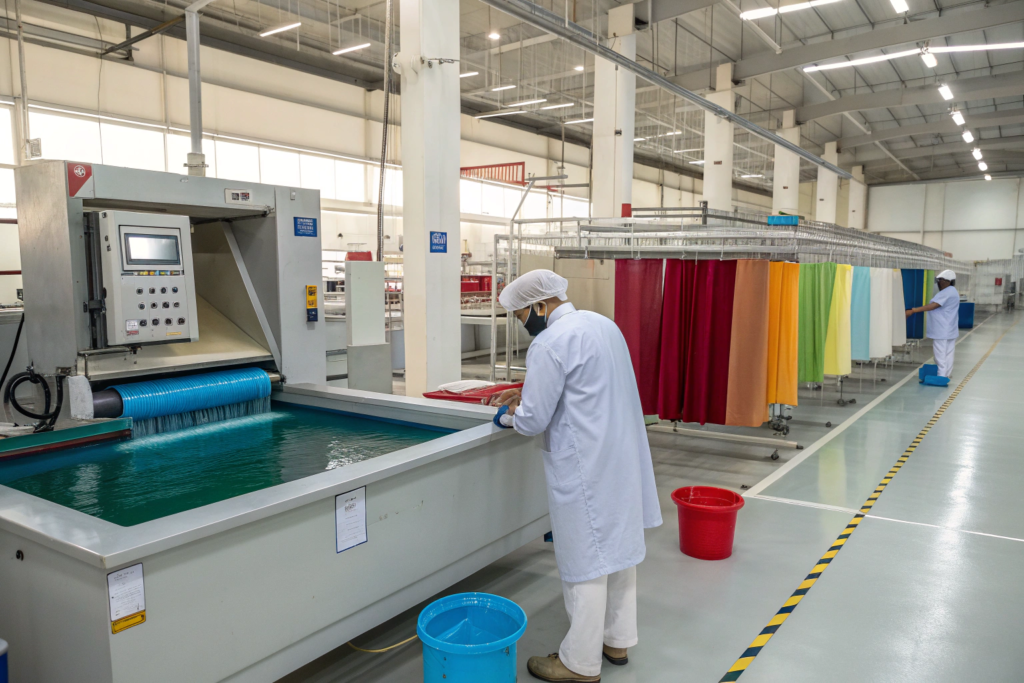
pH can be controlled at multiple stages:
Pre-treatment: Scouring and bleaching use alkalis that must be thoroughly rinsed.
Dyeing: Dye baths have specific pH requirements for dye fixation. After dyeing, residual chemicals must be removed.
Finishing: Some finishes require acidic or alkaline conditions. Post-finish rinsing is critical.
Final rinse: The most important step. Adequate fresh water rinsing removes residual chemicals and sets final pH.
Water quality: Rinse water pH affects final fabric pH. Deionized or pH-neutral water recommended.
For a Vietnamese garment manufacturer sourcing fabric from us, we provide detailed processing records showing rinse cycles and final pH verification. They use this documentation for their own quality systems. Process control determines final pH.
How often should pH be tested?
Testing frequency depends on application criticality:
Development stage: Test every sample to establish baseline and adjust process.
Bulk production: Test every batch, minimum. For critical applications, test every roll.
Ongoing monitoring: Even after process established, periodic testing verifies consistency.
For babywear production, we test every production roll and provide certificates with each shipment. One batch that tested at pH 7.6 (within OEKO-TEX Class I limit of 7.5? actually 7.5 is limit, 7.6 would fail) was rejected and re-processed before shipment. The client never saw the problem because we caught it. Testing frequency should match risk.
What happens when pH is out of spec?
When fabric tests outside acceptable range, options include:
Re-processing: Additional rinsing can often correct high pH. Low pH is harder to correct but less common.
Re-grading: Fabric might be usable for less critical applications (outerwear instead of next-to-skin).
Rejection: If can't be corrected or client won't accept, fabric is rejected and replaced.
Root cause analysis: Investigate why pH drifted and correct process.
For a Swedish medical client, we once had a batch test at pH 7.8 (spec 5.5-7.0). Investigation revealed a new batch of finishing chemicals had different residual alkalinity. We adjusted rinse cycles, re-processed the fabric to pH 6.5, and updated our chemical approval process. Out-of-spec requires correction, not just disposal.
The importance of fabric pH in safety and comfort cannot be overstated. It's one of those specifications that's invisible when done right and painfully obvious when done wrong. Customers don't know why a garment irritates their skin—they just know it does, and they won't buy that brand again.
Conclusion
Fabric pH is a critical safety and comfort parameter that measures how acidic or alkaline a textile is. Human skin maintains a protective acid mantle at pH 4.5-5.5. Fabric that differs significantly can disrupt this barrier, causing irritation, rashes, and increased infection risk. Acceptable pH ranges vary by application: 4.0-7.5 for most clothing, 4.0-7.0 for baby products, 5.5-7.0 for medical textiles. Major certifications like OEKO-TEX and GOTS specify pH limits. Testing per ISO 3071 or AATCC 81 verifies compliance. Process control—especially thorough rinsing after wet processing—determines final pH.
The cost of ignoring pH is measured in customer complaints, product returns, brand damage, and in extreme cases, regulatory action. The investment in proper pH control is minimal compared to these risks.
If you're sourcing fabric and want to ensure it's safe and comfortable for your customers, I invite you to reach out to us at Shanghai Fumao. We test every fabric we produce for pH and provide documentation with every shipment. We understand the standards, the test methods, and the process controls that maintain consistent pH. Contact our Business Director, Elaine, directly at elaine@fumaoclothing.com. Tell her about your products, your target markets, and your quality requirements. She'll connect you with our technical team, and we'll help you specify fabrics that are as safe as they are beautiful.
Because your customers' skin deserves better than irritation. And the right pH is the first step toward comfort they'll never notice—because they'll never have a reason to.