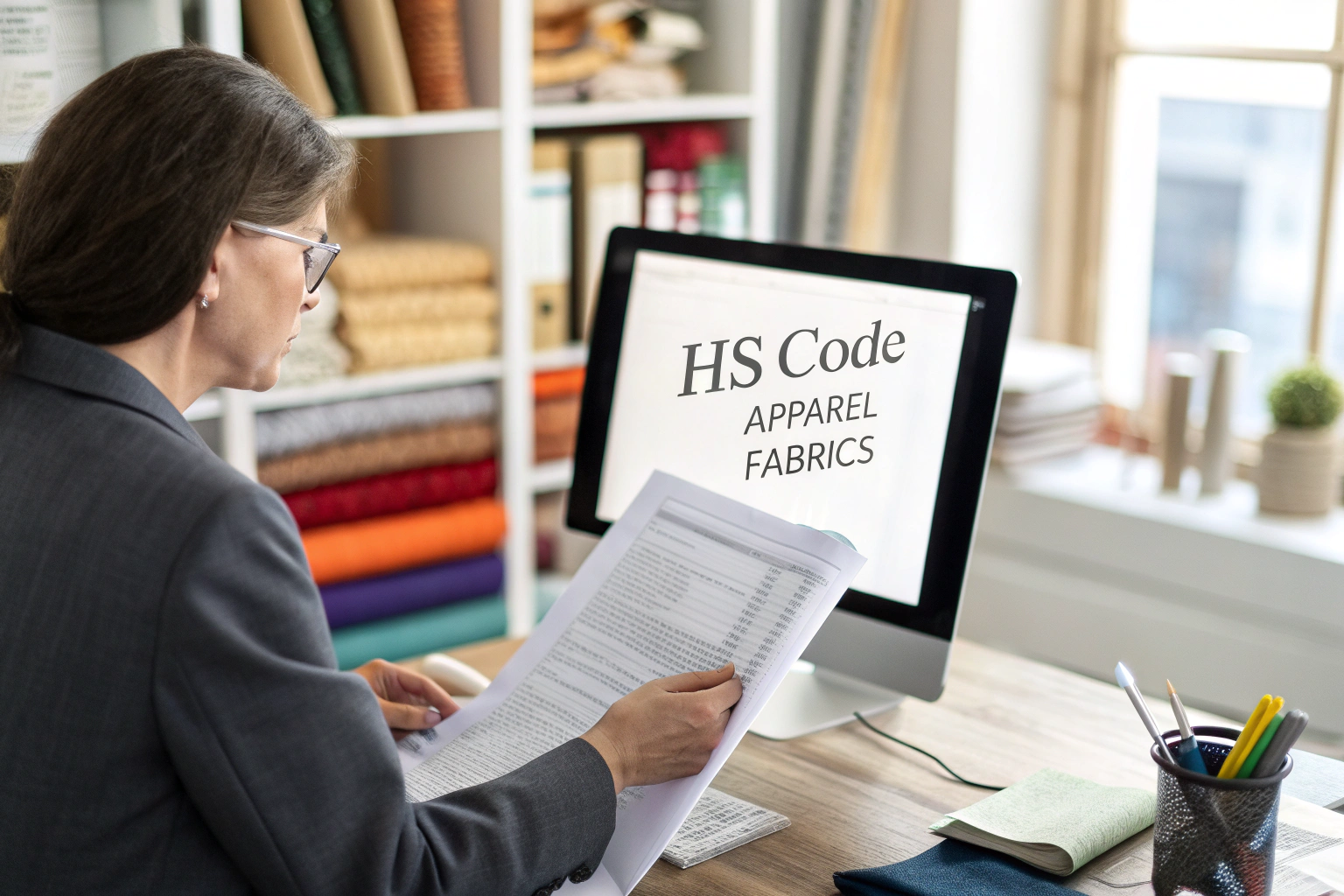
If you're importing fabrics into the United States, understanding HS codes is crucial because these classifications directly impact your bottom line. For confident decision-makers like Ron, who value control and efficiency, mastering HS codes means avoiding unexpected costs and shipping delays. Consequently, getting this right from the start protects your profit margins and ensures supply chain reliability.
The HS code for apparel fabrics serves as an international standard that identifies fabric types for customs purposes. More importantly, this classification directly determines the duty rates applied to your shipments. Using the correct code ensures smooth customs clearance, whereas errors can trigger audits, fines, and significant delays. As an experienced fabric supplier, we help partners navigate this complex landscape to safeguard their timelines and budgets.
Since HS codes form the universal language for global trade, understanding them provides strategic advantages. Therefore, let's explore how these codes work and how they affect your import operations.
What Exactly is an HS Code for Fabrics?
An HS code represents a globally standardized number for classifying traded products, developed by the World Customs Organization and used by over 200 countries. This system creates a common international trade language that allows customs authorities to quickly identify imported materials and apply appropriate regulations. For fabrics specifically, the code precisely identifies composition, construction, and sometimes even intended use.
The code structure follows a logical hierarchy beginning with six fundamental digits. The first two digits identify the product chapter (50-63 for textiles), while the next two specify the heading within that chapter. The final two digits define the subheading for greater specificity. For instance, a code might start with 52 for cotton, then 07 for woven fabrics, becoming increasingly detailed. Countries often add extra digits for further classification, which is why the United States uses a 10-digit HTSUS code. You can investigate the complete U.S. schedule through the International Trade Administration's official website.

Why Does Correct HS Code Classification Matter So Much?
Proper classification forms the foundation for smooth import operations because it prevents customs delays, financial penalties, and supply chain disruptions. When you assign the correct HS code, you effectively communicate in the exact language customs officials understand, resulting in predictable and timely clearance. Conversely, mistakes trigger red flags that can hold goods at ports and generate expensive demurrage charges during resolution.
The financial implications of misclassification extend beyond immediate delays. Customs authorities can demand back-payment for duty shortfalls and levy substantial negligence fines. Repeated errors may even flag your company for increased scrutiny on future shipments, adding time and cost to every subsequent order. For price-conscious buyers, this vulnerability makes utilizing reliable customs brokers essential for risk mitigation.
How Can Importers Identify the Correct HS Code?
Identifying the proper HS code requires a systematic approach starting with gathering precise fabric specifications. You need accurate information about fiber composition, construction method, weight per square meter, and any special finishes. With these details, you can begin searching the official HTSUS through the U.S. International Trade Commission's free, searchable HTS database.
However, self-classification carries inherent risks due to the system's complexity. Therefore, the most reliable method involves three-stage verification: conduct preliminary research using official databases, consult your fabric supplier for their classification experience, and finally engage a licensed customs broker for professional confirmation. This layered approach ensures accuracy while protecting your business interests.
How Do HS Codes Determine Import Duty Calculations?
HS codes primarily determine duty rates because customs officials use these classifications to reference applicable tariffs within the HTSUS. Each code carries specific duty rates, typically calculated as percentages of the goods' customs value (usually CIF - Cost, Insurance, and Freight). This systematic approach ensures objective assessment where codes dictate rates without arbitrary charges.
Duty rates vary significantly based on country of origin, making trade agreements critically important. The United States maintains different trade programs with various nations that can reduce or eliminate duties entirely. For example, USMCA (United States-Mexico-Canada Agreement) often grants fabrics from member countries 0% duty rates, while other partnerships offer similar reductions. Consequently, providing accurate country of origin information to your supplier becomes essential for claiming these benefits.

What Different Types of Duty Rates Should Importers Understand?
Understanding duty rate variations helps optimize import costs since the HTSUS outlines multiple columns representing different rate types:
| Rate Type | Description | Impact on Cost |
|---|---|---|
| General | Standard rate for countries without trade agreements | Typically highest |
| Special | Reduced or 0% rates under trade pacts (USMCA, CAFTA-DR) | Significant cost reduction |
| Column 2 | Elevated rates for countries without Normal Trade Relations | Rarely used but costly |
For illustration, woven cotton fabric (HS heading 5208) might carry an 8.5% General rate but 0% if originating from USMCA countries. Additionally, some duties are "specific," meaning fixed costs per unit rather than percentages. The U.S. Customs and Border Protection (CBP) administers these trade agreements and their requirements.
Can Incorrect HS Codes Increase Import Costs?
Incorrect HS codes invariably increase import costs through multiple mechanisms. If an erroneous code carries lower duty rates than the proper classification, customs will eventually discover the discrepancy and demand full back-payment plus interest. More severely, negligence fines can transform simple errors into major financial penalties.
Conversely, using codes with higher duty rates means overpaying unnecessarily, directly hurting profitability and compromising competitive pricing. In both scenarios, administrative costs from hiring customs brokers to file corrections and manage delays compound the financial damage. Therefore, accurate classification remains essential for cost control.
How Can Importers Prevent HS Code-Related Delays?
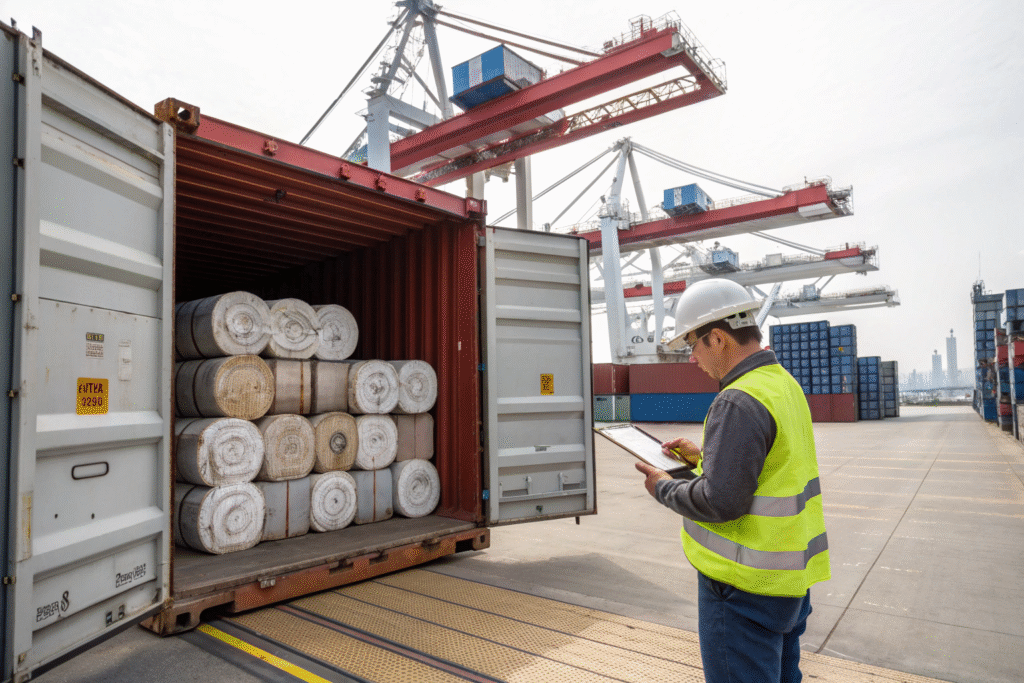
Proactive HS code management represents the most effective strategy for preventing shipping delays since it makes customs clearance virtually automatic. This process begins before goods reach shipping ports by confirming correct HS codes on all commercial documents, particularly Commercial Invoices and Packing Lists. Providing consistent information minimizes customs queries, inspections, and holds.
Implementing a verification checklist for every order prevents frustrations by ensuring systematic review. This checklist should confirm final HS codes with suppliers, verify document consistency, validate country of origin accuracy, and require broker reviews for new fabric types. This disciplined approach mirrors quality control expectations while building supply chain confidence.
Which Documents Require Accurate HS Code Listing?
Document consistency is non-negotiable because HS codes must appear identically across several key forms to avoid red flags:
- Commercial Invoice: As the primary document, it must list HS codes with detailed product descriptions, quantities, values, and origin countries
- Packing List: While focusing on physical contents, it should reference HS codes to help customs verification
- Bill of Lading/Air Waybill: This carriage contract between you and shipping carriers often includes HS codes linking goods to paperwork
Even single-digit discrepancies between documents can trigger full shipment examinations, causing weeks of delays, demurrage charges, and missed production schedules. The Federal Maritime Commission provides resources regarding shipping regulations and carrier responsibilities.
What HS Code Support Should Suppliers Provide?
Your fabric supplier serves as your primary partner in accurate HS classification because experienced exporters maintain detailed code databases for their product ranges. At Fumao Textiles, we provide preliminary HS codes on proforma and commercial invoices, establishing solid foundations for your customs paperwork.
However, U.S. law ultimately holds importers responsible for correct classification. Therefore, ideal supplier relationships involve collaboration where we provide recommended classifications based on product knowledge while you or your broker verify them against HTSUS. This partnership ensures defensible classifications while extending quality control from factory floors to customs clearance.
How Does Fumao Textiles Ensure HS Code Accuracy?
At Fumao Textiles, we integrate HS code management throughout our sales and logistics processes because systematic approaches prevent future complications. From initial quotes, our system suggests appropriate codes from pre-researched databases containing thousands of fabric items. These recommendations stem from deep product knowledge and twenty years of successful U.S. shipping experience rather than guesses.
Our commitment extends beyond number provision to client education, especially for new importers. We explain why codes matter and what information brokers need, specifically addressing pain points like inefficiency and uncertainty. Our professional QC teams inspect both fabric quality and documentation accuracy, ensuring seamless handoffs from production to logistics.
What Verification Processes Does Fumao Employ?
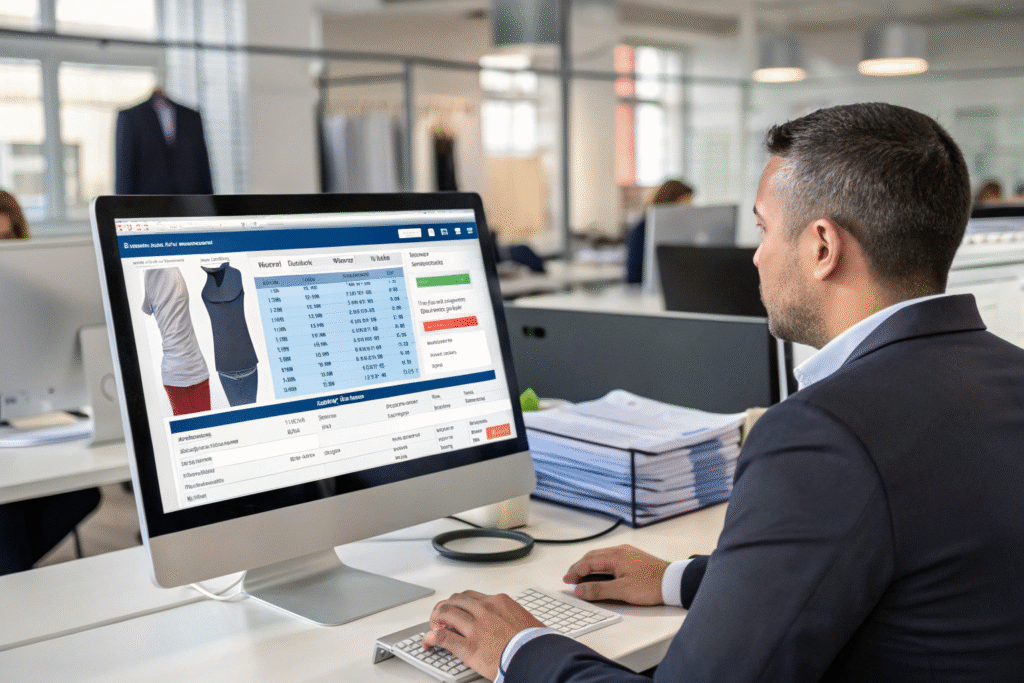
Our verification employs multi-layered systems designed for accuracy, beginning with R&D teams classifying new fabrics using technical specifications. When orders are placed, export documentation teams cross-reference this information against latest HTSUS updates and order specifics. Before shipment, final reviews ensure HS codes, descriptions, and values align perfectly on commercial invoices.
We additionally maintain strong freight forwarder and customs broker relationships because this network provides updates about U.S. customs interpretation changes. For complex items like functional textiles with special finishes, we proactively engage experts to eliminate classification ambiguity. This comprehensive approach ensures your focus remains on business rather than customs paperwork.
Why Does Fumao Partnership Reduce Tariff Risks?
Partnering with Fumao reduces tariff risks because we treat your supply chain as our own extension. Our comprehensive service model means investing in your success beyond fabric departure from our warehouses. We maintain proven track records helping U.S. clients avoid tariff-related delays through classification expertise and transparent documentation that simplifies brokers' work.
Furthermore, our established manufacturer status with financial stability and ISO-certified processes signals reliability and compliance to all parties. This reputation indirectly smoothes customs processes. By choosing Fumao, you gain partners who understand your product's complete journey from Keqiao looms to U.S. doorsteps, ensuring predictable duty costs and avoided delays.
Conclusion
Navigating HS codes and import duties requires careful attention since accurate classification determines costs, prevents delays, and ensures reliable supply chains. Successful importers combine precise product knowledge with official resources and experienced partnerships to control this critical import variable.
Your fabric's journey should remain seamless from mills to manufacturing floors, requiring suppliers who understand this process completely. At Fumao Textiles International, we combine quality fabric production with international trade logistics expertise to ensure perfect fabrics arrive through efficient, predictable processes free from compliance complications.
Ready to simplify your fabric importing? Contact Business Director Elaine at elaine@fumaoclothing.com to discuss how we can ensure smooth, cost-effective import processes for your next order.