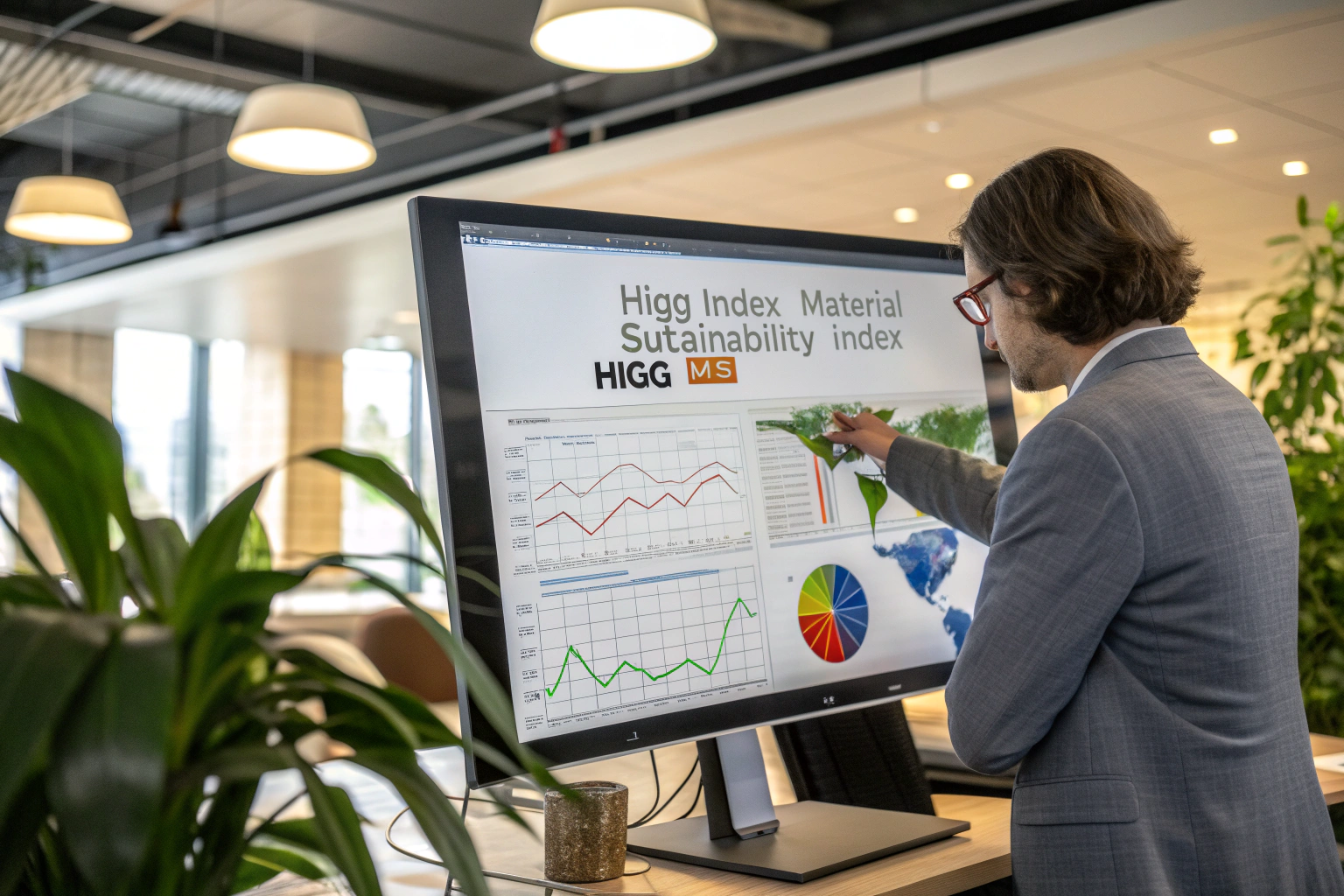
In today's evolving textile industry, American buyers like Ron face a critical challenge: moving beyond traditional price and quality considerations to address growing environmental concerns. The pressing question has become "How do we accurately measure and compare the environmental footprint of our fabric choices?" Having operated in the global textile trade for over twenty years, I've witnessed this shift firsthand. The Higg Index emerges as the essential tool that provides concrete answers to these complex sustainability questions.
The Higg Index Material Sustainability Index (Higg MSI) represents a groundbreaking standardized method that quantifies environmental impacts across a material's life cycle. This innovative tool enables brands and suppliers like Fumao Textiles to compare fabrics using scientific data points including global warming potential, water scarcity, and fossil fuel consumption. For modern businesses, understanding and utilizing this framework has transitioned from optional knowledge to necessary competitive advantage.
As we explore this comprehensive guide, you'll gain practical insights into implementing Higg MSI within your sourcing strategy. We'll demystify the complex terminology and provide actionable steps to help you select lower-impact fabrics while maintaining your quality standards and budget parameters. This journey through sustainable sourcing begins with understanding the fundamental framework that's reshaping our industry.
Understanding the Higg Index Framework and Its Industry Significance
The proliferation of sustainability claims in the textile industry has created considerable confusion among buyers. When every supplier claims environmental benefits, distinguishing genuine achievements from marketing rhetoric becomes increasingly difficult. The Higg MSI directly addresses this challenge by establishing clear, standardized metrics that replace subjective claims with verifiable data.
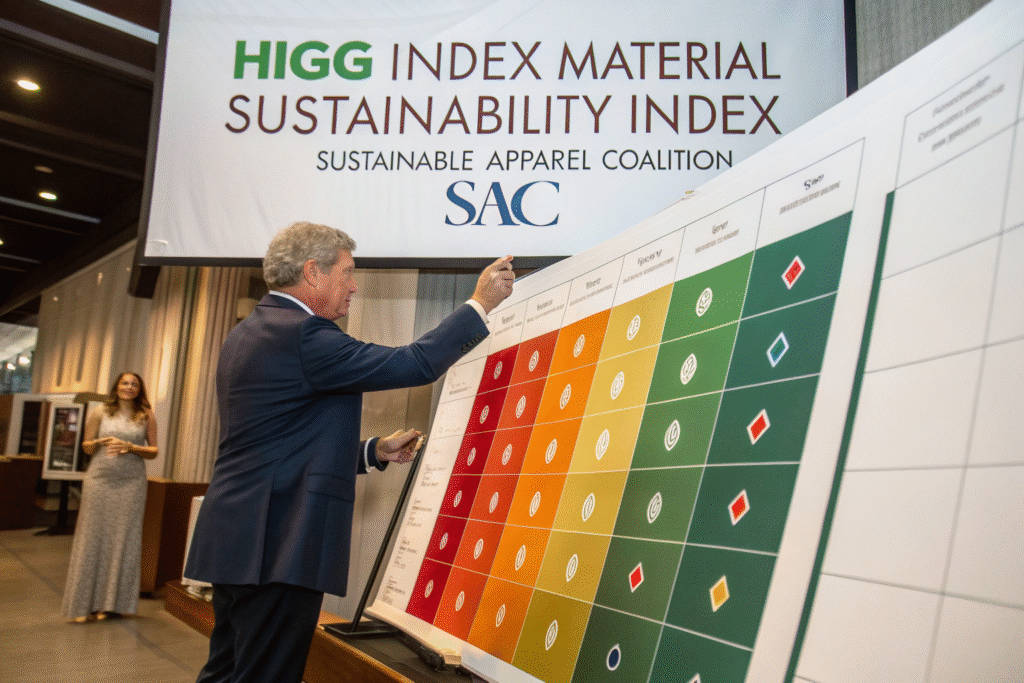
Developed by the Sustainable Apparel Coalition (SAC), the Higg Index Material Sustainability Index functions as a cradle-to-gate life cycle assessment tool. It generates standardized scores estimating environmental impact per kilogram of material across five crucial categories: global warming potential, water scarcity, fossil fuel depletion, eutrophication, and chemical management. The scoring system follows a straightforward principle—lower numerical values indicate superior environmental performance, providing buyers with an immediate comparative benchmark.
What Industry Need Prompted the Development of This Tool?
Before the Higg MSI's introduction, the textile industry suffered from a critical lack of standardized sustainability language. Individual brands and suppliers operated with disparate environmental criteria, making consistent comparison virtually impossible. The SAC recognized this fundamental gap and developed the Higg MSI to introduce scientific rigor and standardized measurement to environmental claims. This initiative aligns with broader industry movements toward sustainable fashion and circular economy principles, which we actively support through strategic investments in recycled polyester manufacturing.
How Does the Scoring Methodology Actually Work?
The system calculates environmental impact through a weighted evaluation of the five core impact categories, drawing data from continuously updated industry-average Life Cycle Inventory databases. Understanding that this tool provides relative rather than absolute measurements is crucial for proper implementation. It effectively answers comparative questions like "How does organic cotton perform against conventional cotton?" or "What are the environmental differences between recycled and virgin polyester?" For organizations requiring batch-specific verification, many complement Higg data with rigorous SGS certification processes.
Implementing Practical Fabric Comparison Using Higg MSI Metrics
Transitioning from theoretical understanding to practical application represents the next critical phase for sourcing professionals. With countless fiber options and conflicting sustainability information available, the Higg MSI serves as an invaluable decision-making tool that cuts through the noise with data-driven clarity.
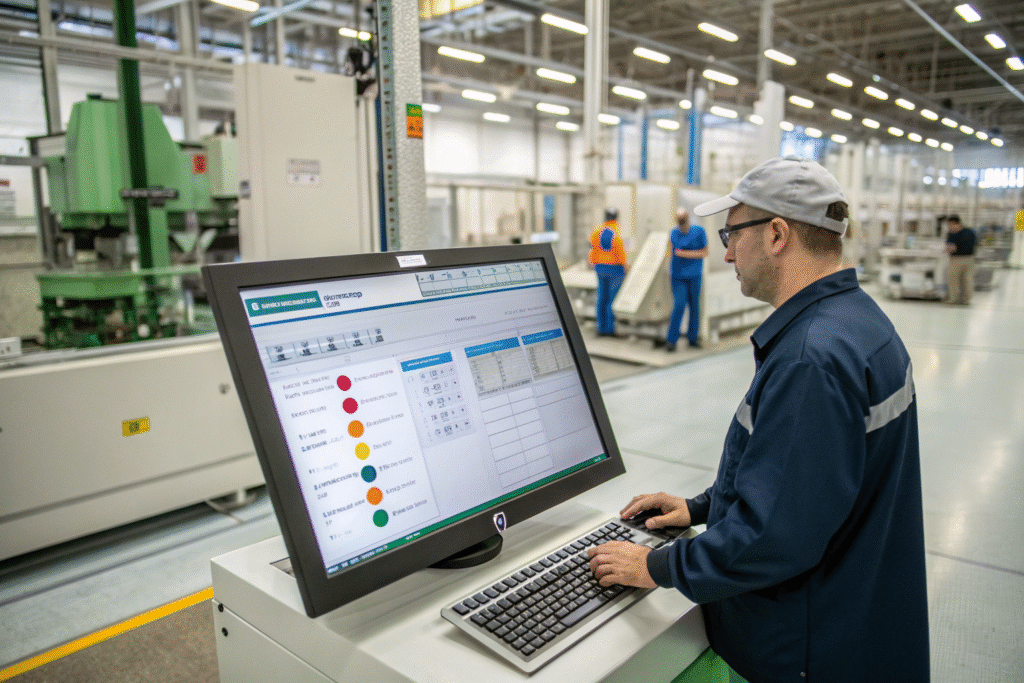
The practical implementation process begins with inputting specific material types and manufacturing processes into the Higg platform. The system then generates comparable impact scores, enabling informed trade-off decisions between different fabric options. This functionality proves particularly valuable when evaluating innovative materials, such as discovering that Tencel™ lyocell blends demonstrate significantly lower water scarcity impacts compared to conventional viscose alternatives.
Which Impact Categories Deliver the Most Meaningful Insights?
While the composite Higg score provides a helpful overview, the most valuable insights emerge from examining individual impact categories. Understanding the specific environmental trade-offs between materials enables smarter sourcing decisions aligned with your brand's unique sustainability priorities. The following comparison illustrates typical score variations across common textile fibers (remembering that lower values indicate better performance):
| Fiber Type | Global Warming (kg CO2 eq) | Water Scarcity (liters) | Eutrophication (g PO4 eq) |
|---|---|---|---|
| Conventional Cotton | 4.0 | 3,500 | 18 |
| Organic Cotton | 2.8 | 1,800 | 10 |
| Recycled Polyester | 2.1 | 50 | 1.5 |
| Virgin Polyester | 4.2 | 60 | 2.0 |
Note: Values represent illustrative approximations based on Higg MSI methodology. Actual scores vary according to specific manufacturing processes.
This comparative analysis clearly demonstrates organic cotton's substantial water use advantages over conventional cotton, while recycled polyester shows dramatic reductions in global warming impact compared to virgin alternatives.
How Should Companies Interpret Data for Strategic Sourcing?
Effective data interpretation requires aligning Higg MSI results with your brand's specific environmental priorities. If water conservation represents a core brand message, then water scarcity scores should receive greater weighting in decision-making. Conversely, brands focusing on carbon neutrality should prioritize global warming potential metrics. The Higg MSI's flexible framework supports these strategic weightings, ensuring sourcing decisions deliver maximum environmental benefit while advancing your corporate social responsibility objectives.
Recognizing Higg MSI Limitations for Balanced Decision-Making
While the Higg MSI provides invaluable environmental insights, over-reliance on its scores without understanding their limitations can lead to oversimplified or flawed sourcing decisions. A comprehensive sustainability strategy requires recognizing the tool's boundaries and supplementing its data with additional verification methods.
The most significant limitation stems from the Higg MSI's cradle-to-gate assessment boundaries, which exclude important use phase considerations like consumer washing and drying, along with end-of-life scenarios including landfill decomposition or recycling processes. Additionally, the tool's dependence on industry-average data means it may not fully capture the optimized manufacturing processes employed by progressive suppliers who utilize advanced, CNAS-certified lab tested dyes and energy-efficient equipment.
Does the Assessment Include Social and Quality Considerations?
Understanding that the Higg MSI exclusively measures environmental impacts is crucial—it contains no social or quality assessment components. The system doesn't evaluate fair labor practices, working conditions, animal welfare standards, or functional fabric properties like durability and performance. Consequently, a fabric with excellent environmental scores could originate from facilities with problematic labor practices or demonstrate poor wear characteristics that ultimately generate more waste. Comprehensive sustainability strategy development must therefore incorporate additional evaluation criteria beyond the MSI's scope.
How Current and Accurate Is the Underlying Data?
The accuracy and relevance of Higg MSI results depend entirely on the breadth and timeliness of its underlying industry data. As manufacturing technologies advance rapidly, data can become outdated, potentially overlooking recent innovations. For instance, when our partner dyeing facilities install advanced water-recirculation systems that dramatically reduce water consumption, these improvements may not immediately reflect in broader industry averages. This reality underscores why we provide clients with detailed quality control documentation that supplements Higg data with specific, verifiable manufacturing metrics.
Developing Effective Sourcing Strategies with Higg MSI Integration
Translating theoretical knowledge into practical sourcing improvements represents the ultimate goal for forward-thinking brands. The challenge lies in seamlessly integrating complex environmental data into fast-paced, cost-conscious procurement workflows without compromising operational efficiency.
Successful implementation begins with establishing baseline measurements for your current primary materials. By inputting commonly used fabrics into the Higg platform, companies create reference points for tracking improvement over time. This baseline then enables systematic evaluation of new, lower-impact alternatives for upcoming collections, facilitating continuous environmental performance improvement that demonstrates tangible progress to increasingly conscious consumers.

What Initial Steps Should Brands Take for Implementation?
The implementation journey starts with internal education and access planning. Ensuring your sourcing team possesses fundamental Higg MSI knowledge establishes the foundation for effective utilization. SAC members can obtain direct platform access, while non-members can collaborate with suppliers who actively employ Higg MSI in their material evaluations. At Fumao, we increasingly leverage these insights to help clients compare our organic cotton and recycled polyester against conventional alternatives, providing the robust environmental data necessary for both internal reporting and consumer-facing communications.
How Can Supplier Collaboration Enhance Results?
The most impactful Higg MSI application occurs through manufacturer-supplier partnership. Rather than simply requesting scores, engage suppliers in conversations about the specific processes, technologies, and innovations behind their numbers. Our integrated manufacturing chain—spanning weaving through dyeing and finishing—enables transparent data sharing and development of custom fabrics with independently verified lower impacts. This collaborative, data-informed approach represents the future of responsible sourcing, delivering environmental integrity without commercial compromise.
Conclusion
The Higg Index MSI has fundamentally transformed textile sourcing by replacing environmental speculation with scientific measurement. This powerful tool empowers brands to make data-informed decisions that genuinely reduce their ecological footprint while meeting evolving market expectations. While understanding its limitations remains essential, the MSI's capacity for standardized material comparison represents an unprecedented advancement for our industry.
Mastering the core principles—the five impact categories, cradle-to-gate system boundaries, and strategic data interpretation—enables sourcing professionals to navigate sustainability challenges with renewed confidence and credibility. The journey toward a more sustainable textile industry progresses through the accumulated responsible choices of individual brands and their supply chain partners.
Ready to transform your sourcing strategy with fabrics that deliver both exceptional quality and verified environmental performance? Partner with a supplier committed to transparency and continuous improvement. At Fumao Fabric, we provide comprehensive support in selecting eco-advanced materials, from certified organic fibers to innovative recycled blends, backed by concrete data and manufacturing expertise. For personalized consultation on developing and producing your next clothing collection with sustainability at its core, we invite you to contact our Business Director, Elaine. Begin your enhanced sourcing journey at elaine@fumaoclothing.com.