Right now, the fashion industry is at a crossroads. We’re drowning in waste—literally. Landfills are packed with polyester blends that will outlive our grandchildren. Consumers are getting angry, and regulations are tightening. For brands and buyers, this isn't just a trend; it's a survival question. The pressure is real, and the old way of doing things is breaking down.
The future of biodegradable fabrics is not just promising; it's inevitable. It’s the industry’s most credible path to closing the loop and achieving true circularity. We’re moving beyond niche, scratchy “eco” fabrics to high-performance, desirable materials that compete directly with conventional ones on feel, function, and price. At Shanghai Fumao Fabric, we see this future being built in our labs and on our production floors today. It’s a future where a garment’s end-of-life is as thoughtfully designed as its color and cut.
This shift is driven by a powerful convergence: consumer demand for transparency, government policies like the EU’s Strategy for Sustainable and Circular Textiles, and genuine technological breakthroughs. I’ve been in this business for over two decades in Keqiao, and the pace of change in the last five years has been breathtaking. Let me pull back the curtain on what’s coming, based on what we’re actually producing and shipping to forward-thinking brands worldwide.
What Are the Most Promising Next-Gen Biodegradable Materials?
The conversation is moving far beyond basic organic cotton. The next generation is about engineered materials that offer specific, superior functionalities while having a certified end-of-life pathway. The race is on to develop materials that don’t just biodegrade, but do so under specific conditions (like industrial composting) and leave no harmful residues.
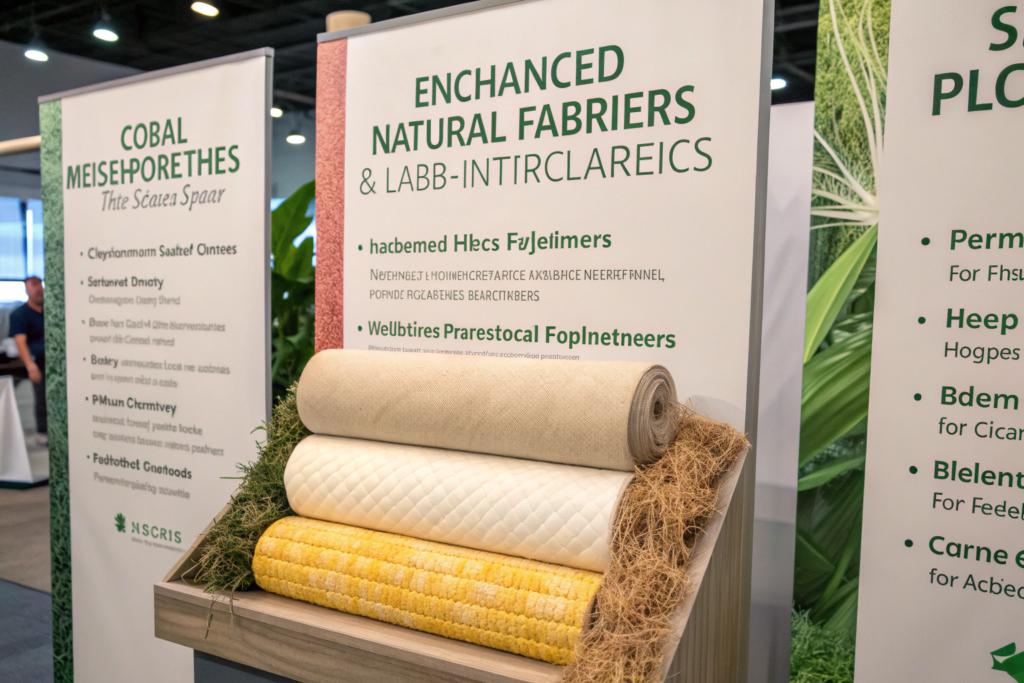
We are focusing on three core categories: 1) Enhanced Natural Fibers (like mechanically advanced hemp and flax), 2) Biosynthetic Polymers (like PLA fibers from corn sugar), and 3) Lab-Grown Bio-Fabrics (like mycelium leather and bacterial cellulose). The key is scalability and performance. It’s one thing to make a sample in a university lab; it’s another to produce 10,000 meters that pass rigorous colorfastness and abrasion tests. That’s where comprehensive fabric solutions providers with real manufacturing muscle come in.
How viable are PHA and PLA-based fabrics currently?
Polylactic Acid (PLA) fabrics, sourced from fermented plant starch (often corn), are already in commercial use. We’ve been weaving and knitting PLA blends for about three years. The feel is incredible—silky, with a beautiful drape. But early on, we hit a wall with heat resistance. (Here’s a trade secret: the first PLA fabrics we made would soften too much in hot washing). Through collaboration with our polymer suppliers in 2023, we developed a modified PLA blend that now withstands washing temperatures up to 40°C, making it viable for casualwear. Polyhydroxyalkanoates (PHA) are even more exciting. They’re marine-degradable and can be engineered for different properties. We’re currently in the pilot phase with a U.S. activewear brand, testing PHA-based yarns for a line of compostable yoga leggings. The challenge is cost, but as fermentation technology scales, prices will drop. For a deep dive into the science, the blog Biomaterials Innovation Network often features cutting-edge research on scaling up PHA production for textiles.
Is mycelium leather ready for mainstream fashion?
Mycelium “leather” is the poster child for biofabrication, but its readiness depends on the application. For shoes, bags, and non-apparel accessories, it’s already here. For full garment uppers, we’re getting close. The main hurdles are consistent thickness, suppleness, and achieving the right tensile strength for garment seams. In late 2023, we partnered with a biotech startup to finish and coat a batch of mycelium sheets for a German accessories brand. Our coating expertise was crucial to give it the required water resistance and tactile feel. The result was a success, but the minimum order quantity (MOQ) and lead time are still high. The future is in hybrid materials—think a mycelium layer bonded to a biodegradable knit backing for added strength. This field evolves weekly, and forums like Fashion for Good provide excellent updates on commercial partnerships in biomaterial development.
What Are the Biggest Challenges to Widespread Adoption?
The vision is clear, but the path is full of real, gritty obstacles that we face daily in production. The future won’t arrive until we solve for cost, infrastructure, and consumer education simultaneously. It’s a classic chicken-and-egg problem: volumes need to increase to bring costs down, but brands won’t commit to large volumes until costs are competitive.
The primary challenges are: Cost Premium (anywhere from 20% to 200% more than conventional counterparts), Limited End-of-Life Infrastructure (industrial composting facilities are not ubiquitous), Performance Gaps (especially in durability and dyeability), and Greenwashing & Certification Confusion. As a supplier, our job is to bridge these gaps for our clients, providing not just the fabric but the entire narrative and verification data.
Can biodegradable fabrics truly match the performance of synthetics?
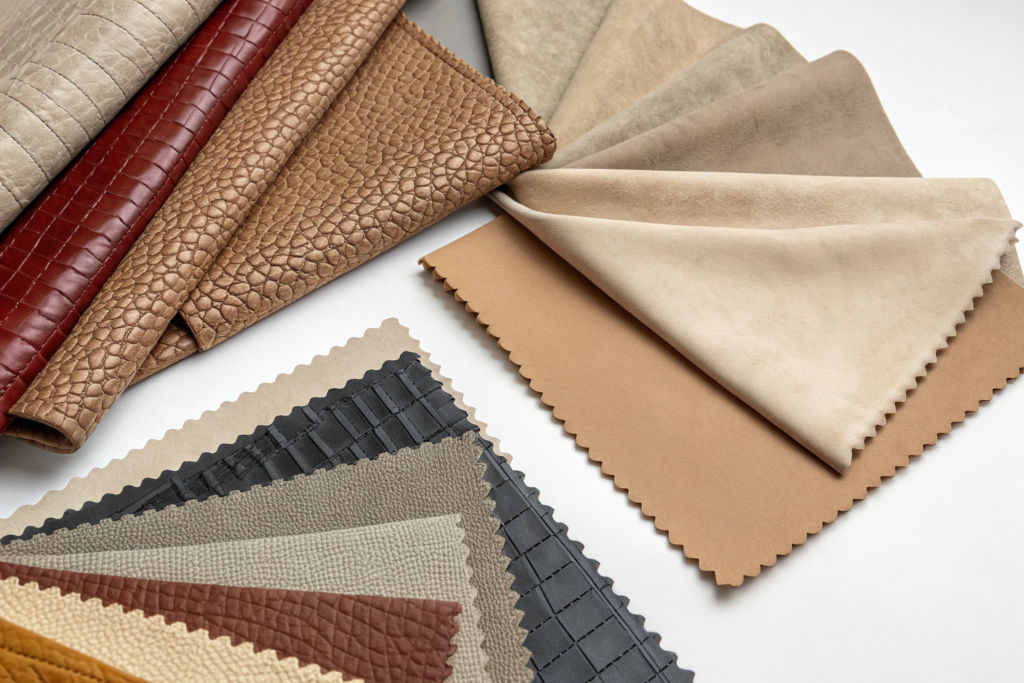
This is the million-dollar question. For some applications, absolutely. For others, not yet. Let’s take moisture-wicking for sportswear. Traditional polyester wicks by being hydrophobic. We’ve developed a biodegradable alternative using a blend of Tencel™ (Lyocell) and a special high-porosity hemp. Through a proprietary finishing process in our CNAS-certified lab, we’ve achieved wicking speeds that match 85% of premium polyester. In Q2 2024, a Scandinavian sportswear brand tested this fabric for their running line, and the feedback was positive. The trade-off? It’s about 35% more expensive per meter and requires more careful garment washing instructions. The performance race is on, and it’s driving incredible fabric innovation. To understand performance benchmarks, resources like The Materials Science Textile Portal discuss testing methods for biodegradable fabric durability.
How do we solve the composting infrastructure problem?
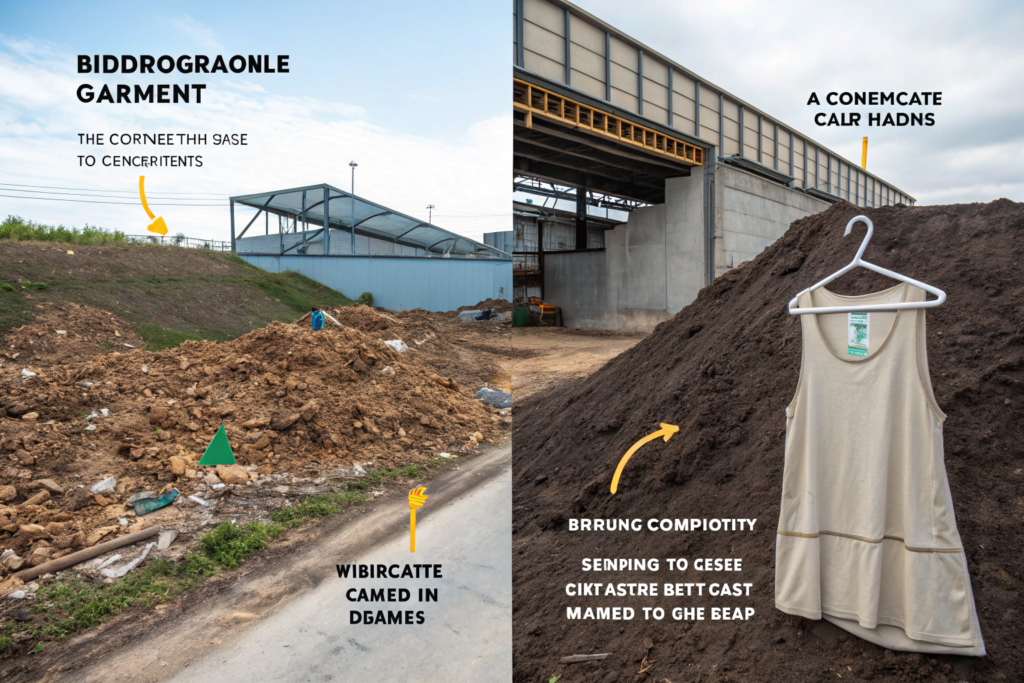
This is a systemic issue beyond any single brand’s control. The solution is multi-pronged. First, we must design for specific end-of-life pathways and communicate them clearly. A garment might be certified for industrial composting, not home composting. At Shanghai Fumao, we’re working on integrating NFC tags that, when scanned, direct the consumer to a map of local composting facilities. Second, the industry needs to invest in take-back programs that aggregate waste and route it correctly. We’re advising several of our EU-based clients on setting up such pilots. Ultimately, policy will drive infrastructure. Brands that start designing for circularity now will be ahead of the curve when regulations mandate it. The complexity of this logistics chain is detailed in reports from the Ellen MacArthur Foundation on building circular infrastructure for textiles.
How Will Biodegradable Fabrics Change Supply Chain Dynamics?
The rise of these materials will fundamentally rewire the fashion supply chain. It moves the value upstream, closer to the source of raw material innovation (often agricultural or biotech), and demands unprecedented vertical collaboration. The traditional linear model—oil field, polymer plant, fabric mill, garment factory, landfill—will be forced into a circular loop.
This means fabric suppliers like us can no longer just be order-takers. We must become material innovators and lifecycle managers. Our relationships are expanding to include biotechnology firms, agricultural cooperatives, and waste management companies. For our clients, this translates to a more integrated, but also more complex, sourcing process. Traceability is no longer a nice-to-have; it’s the bedrock of credibility for any biodegradable claim.
What does traceability look like for these new materials?
It’s hyper-transparent and data-rich. For our new BAMSILK (bamboo silk) blend, which is certified compostable, we provide a digital passport. This isn’t just a PDF. It’s a QR code on the bolt that traces the bamboo pulp back to its FSC-certified forest in Sichuan, shows the energy input at the dissolving pulp mill, tracks the shipment to our spinning facility, and records the low-impact dyeing processes used. We piloted this with a French luxury brand in early 2024. They used this data in their marketing, and the collection sold out, justifying a 40% price premium. This level of traceability builds an unbreakable chain of trust. Learning to navigate this new requirement is crucial; platforms like TextileGenesis are pioneering blockchain traceability for sustainable fibers.
Will sourcing regions shift with biodegradable materials?
Potentially, yes. While China and Asia will remain manufacturing powerhouses due to our integrated ecosystems, the geographic sources of raw materials will diversify. Hemp for fiber might be sourced more from Europe or Canada. Algae for biopolymers could come from coastal biorefineries. This creates a more resilient but logistically intricate supply chain. Our role at Shanghai Fumao is to be the orchestrator. We secure the certified raw materials globally, manage the complex logistics to our vertically partnered mills in Keqiao for production, and ensure all documentation is intact. This “glocal” model—global sourcing, local manufacturing excellence—is becoming our core competitive edge.
What Is the Timeline for Mainstream Price Parity?
This is the most practical question every buyer asks. No one disputes the future, but everyone has a P&L to manage today. The transition will not be a flip of a switch but a gradual crossover, material by material, application by application. We expect price parity for certain categories within 5-7 years, driven by policy, scale, and oil price volatility.
The cost curve will follow a familiar technology adoption pattern. Right now, we’re in the early adopter phase, where pioneering brands pay a premium for innovation and story. As production volumes increase and processes optimize (e.g., more efficient fermentation for biosynthetics, better harvesting for novel plants), costs will fall. Simultaneously, policies like extended producer responsibility (EPR) fees will make dumping conventional textile waste more expensive, indirectly subsidizing circular alternatives.
Which biodegradable fabrics will reach parity first?
Staple fibers from agricultural waste or rapidly renewable sources are leading the charge. For instance, high-quality linen and hemp are already at a small premium to cotton, and that gap is closing as processing technology improves. Our eco-friendly fabric line using recycled cotton and hemp blends is now within 15-20% of conventional cotton prices, and for some of our European clients, that’s an acceptable trade-off for the sustainability benefits. PLA, as mentioned, is on a steep cost-reduction curve. The laggards will be the highly engineered, lab-grown biomaterials like certain bacterial cellulose, which may remain premium for a decade.
How can brands start integrating them without breaking the bank?
The smart strategy is a phased approach. Start with a capsule collection or a specific, high-impact product category (like T-shirts or lightweight outerwear). Use it as a learning lab and a marketing story. Then, look for hybrid solutions. A garment doesn’t have to be 100% biodegradable to make a huge impact. A blend of 30% PLA with 70% organic cotton significantly improves the garment’s compostability profile compared to a polyester blend, while keeping costs manageable. We worked with a California-based DTC brand on this exact strategy in 2023. Their “Bio-Blend” tee, using our fabric, became their top-selling item and allowed them to scale their order with us by 300% over six months, which in turn helped us lower the per-meter cost for them. For budgeting insights, the sustainable business blog Ecocult often analyzes cost strategies for integrating sustainable materials.
Conclusion
The future of biodegradable fabrics is not a distant utopia; it’s a practical, unfolding reality. It will redefine material innovation, force the evolution of supply chains, and ultimately transform our relationship with clothing from one of disposable consumption to one of respectful cycles. The technologies are proving themselves, the business models are being tested, and the consumer mandate is growing louder every day.
For brands and buyers, the question is no longer “if” but “how” and “when.” The leaders who start experimenting, building partnerships, and educating their customers now will own the narrative and the market in the coming decade. They will turn a sustainability challenge into their most powerful competitive advantage.
The journey from fossil fuels to fermentation, from landfills to nutrient cycles, is complex. You don’t have to navigate it alone. At Shanghai Fumao Fabric, we are already on this path, investing in R&D and building the supply chains for tomorrow’s materials. Let us be your partner in making this future tangible for your next collection. Contact our Business Director, Elaine, to discuss how we can develop or source the right biodegradable fabric solution for your brand. Start the transition at elaine@fumaoclothing.com.